
Mitsubishi coolant leak repair is an important service when your vehicle starts losing coolant, showing warning signs of overheating, or leaving fluid underneath the engine bay. A cooling system may appear simple, but it contains several connected components, including the radiator, coolant hoses, water pump, thermostat, expansion tank, radiator cap and engine passages. A small leak in any of these areas can gradually reduce coolant circulation and eventually affect engine temperature.
For Mitsubishi owners in Dubai, dealing with a coolant leak promptly is particularly important because daily traffic, long journeys and high ambient temperatures can put additional demands on the cooling system. A vehicle that operates normally on a short trip may begin showing overheating symptoms during extended driving or heavy traffic.
At AutoStadt Motor Services, Mitsubishi coolant leak repair focuses on identifying the actual source of the problem rather than simply topping up the coolant. Our technicians inspect the cooling system, check for visible and hidden leaks, assess related components and recommend the appropriate repair based on the vehicle’s condition.
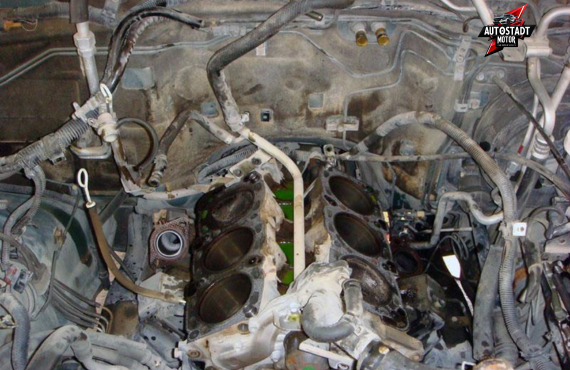
Whether you drive a Mitsubishi Pajero, Outlander, Lancer, ASX or another model, early diagnosis can help prevent a minor coolant leak from becoming a much more expensive engine problem.
Signs Your Car Needs Mitsubishi Coolant Leak Repair
Low Coolant Level Between Services
One of the clearest indications of a cooling-system problem is repeatedly finding that the coolant level has dropped. Coolant naturally circulates through the system, but it should not continuously disappear under normal operating conditions.
If you recently filled the expansion tank and notice that the level is low again, there may be a leak somewhere in the cooling system. AutoStadt Motor Services can inspect the vehicle to determine whether the loss is caused by a hose, radiator, water pump, reservoir or another component.
Coolant Puddles Under Your Mitsubishi
A puddle beneath the vehicle can provide an important clue. Depending on where the leak occurs, coolant may appear around the front of the vehicle, beneath the radiator area or closer to the engine.
Coolant can have a distinctive color depending on the product being used, although appearance alone should not be used to diagnose the leak. Some leaks are also small enough that they leave only dampness or residue rather than a visible puddle.
Engine Temperature Rising
A coolant leak can reduce the amount of coolant available to remove heat from the engine. As the coolant level decreases, the cooling system may become less effective, particularly during prolonged driving.
If your Mitsubishi temperature gauge begins moving higher than normal, do not ignore it. Continuing to drive an overheating vehicle can cause serious engine damage.
Sweet Smell Around the Engine Bay
Coolant can produce a noticeable sweet smell when it escapes from the cooling system. You may notice this smell after parking the car or while standing near the engine bay.
A smell by itself does not identify the exact leak location, but it is a useful warning sign when combined with low coolant or temperature problems.
Steam or Visible Coolant Around the Engine
Steam from the engine bay can indicate that coolant is escaping onto a hot component. This situation requires caution because opening a hot cooling system can result in serious burns.
Allow the vehicle to cool before attempting to inspect the coolant reservoir or radiator area. If overheating is severe, professional assistance is safer than continuing to drive.
Repeated Need for Coolant Top-Ups
If you find yourself carrying coolant and regularly adding it to your Mitsubishi, the problem should be investigated rather than treated as routine maintenance.
A cooling system should maintain its coolant level. Frequent top-ups usually indicate a leak or another underlying issue that needs proper diagnosis.
Common Causes Behind Mitsubishi Coolant Leaks
A Mitsubishi coolant leak can originate from several different components. Therefore, replacing one part without confirming the source may not solve the problem.
Damaged Coolant Hoses
Radiator and heater hoses experience repeated heat cycles. Over time, rubber can become harder, cracked or weakened around connection points. A loose clamp can also allow coolant to escape.
Radiator Damage
The radiator is responsible for releasing heat from the coolant. Corrosion, physical damage, worn connections or deterioration around the radiator can result in coolant loss.
A radiator leak may become more noticeable when the system reaches operating temperature and pressure.
Water Pump Leakage
The water pump circulates coolant through the engine and cooling system. When its seal or related components deteriorate, coolant may begin leaking around the pump area.
A water pump problem may sometimes be accompanied by unusual noise or signs of poor coolant circulation.
Thermostat Housing or Seal Problems
The thermostat controls coolant flow according to engine temperature. A damaged thermostat housing or deteriorated gasket can create a leak.
Because several cooling components are located close together, accurate inspection is important before replacing parts.
Expansion Tank or Radiator Cap Issues
The coolant reservoir, expansion tank and cap help maintain the correct pressure and coolant level. Cracks or sealing problems can cause coolant loss or pressure-related issues.
This is one reason a professional cooling system inspection is more useful than simply looking for a large puddle.
Why Choose AutoStadt Motor Services for Mitsubishi Coolant Leak Repair
Choosing the correct repair approach matters because a coolant leak can have more than one possible cause. At AutoStadt Motor Services, the focus is on diagnosis first and repair second.
Proper Leak Identification
Instead of assuming that every coolant leak comes from a radiator hose, technicians inspect the relevant cooling-system components to locate the source.
Depending on the vehicle and symptoms, pressure testing and visual inspection can help identify leaks that are difficult to see during a basic inspection.
Mitsubishi-Focused Service
Mitsubishi vehicles use different engine configurations and cooling-system layouts across models and model years. Understanding these differences helps technicians approach the inspection more accurately.
For example, a Pajero used for long-distance driving may experience different operating demands from a smaller Mitsubishi ASX used mainly for urban commuting.
Quality Replacement Components
When a component needs replacement, using an appropriate-quality part is important for maintaining cooling-system reliability. The correct coolant specification and suitable replacement components should also be considered.
Preventing Bigger Engine Problems
The purpose of coolant leak repair is not simply to stop fluid from reaching the ground. It is also about maintaining correct engine temperature and preventing overheating-related damage.
A relatively small cooling-system repair can be much less costly than dealing with major engine damage caused by prolonged overheating.
How Our Mitsubishi Coolant Leak Repair Process Works
Initial Inspection
The process begins with an assessment of the vehicle and the symptoms you have noticed. Technicians check coolant levels, visible signs of leakage, engine-bay areas and other relevant cooling-system components.
Information from the driver can also help. For example, knowing whether the vehicle overheats in traffic, loses coolant overnight or produces a smell after driving can narrow down the diagnostic process.
Cooling System Examination
The radiator, hoses, connections, expansion tank, thermostat area, water pump region and other accessible components are examined for signs of leakage or deterioration.
The technician also considers whether the coolant loss could be related to a component that is leaking only when the engine reaches operating temperature.
Pressure Testing When Required
Some leaks are difficult to identify visually because they occur only when the cooling system is pressurized. A pressure test can help reveal leakage from connections or components that may not be obvious during a stationary inspection.
This diagnostic step can prevent unnecessary part replacement.
Repair or Component Replacement
Once the source is identified, the required repair can be carried out. Depending on the diagnosis, this could involve replacing a damaged hose, radiator component, thermostat seal, water pump or expansion tank.
The repair should address the actual cause instead of repeatedly topping up coolant.
Coolant Refill and System Check
After the repair, the cooling system needs to be refilled with the appropriate coolant mixture. Air trapped inside the system can interfere with circulation, so the system should be checked according to the vehicle’s requirements.
Technicians then verify coolant level, temperature behavior and signs of continued leakage.
Final Inspection
The vehicle receives a final cooling-system inspection to make sure the repaired area is functioning correctly. This provides greater confidence before the Mitsubishi returns to normal Dubai driving conditions.
Maintaining Your Mitsubishi Cooling System in Dubai
Regular maintenance can help identify cooling-system problems before they become serious. Check the coolant level according to the manufacturer’s recommendations and pay attention to unusual smells, temperature changes or visible fluid loss.
It is also useful to inspect the area beneath the vehicle after parking if you suspect a leak. However, do not touch hot cooling-system components or attempt to open a pressurized radiator.
Other vehicles face similar cooling-system concerns. For example, Toyota Land Cruiser owners may notice coolant issues after years of heavy use, while Nissan Patrol models can experience significant cooling demands during long journeys. BMW and Mercedes-Benz vehicles also rely on properly maintained cooling systems to manage engine temperature effectively.
The specific repair, however, should always be based on the vehicle’s design and actual condition rather than assuming that the same solution applies to every brand.
Frequently Asked Questions About Mitsubishi Coolant Leak Repair in Dubai
1. How much does Mitsubishi coolant leak repair cost in Dubai?
The cost depends on where the leak is located and which component requires repair. A loose connection or damaged hose may require a relatively straightforward repair, while a radiator, water pump or other major component can involve additional parts and labor.
AutoStadt Motor Services can inspect your Mitsubishi first and determine the actual cause before recommending the appropriate repair. This is more reliable than estimating the cost based only on the symptom of low coolant.
2. Can I drive my Mitsubishi with a coolant leak?
Driving with a coolant leak is risky because coolant loss can eventually lead to overheating. A small leak may initially appear manageable, but it can become worse as engine temperature and cooling-system pressure increase.
If the temperature gauge rises, you see steam, receive an overheating warning or notice significant coolant loss, stop driving when it is safe to do so and allow the vehicle to cool. Continuing to operate an overheating engine can cause expensive damage.
3. Why does my Mitsubishi keep losing coolant but leave no puddle?
Not every coolant leak creates an obvious puddle. A small leak may occur only when the system becomes hot and pressurized. Coolant can also evaporate when it reaches a hot engine component, leaving behind residue rather than a large pool.
There can also be other causes of coolant loss that require further diagnosis. A professional inspection and appropriate pressure testing can help identify the source.
4. How often should Mitsubishi coolant be replaced?
Coolant replacement intervals depend on the Mitsubishi model, engine, coolant specification and manufacturer’s maintenance schedule. Different coolant products can also have different service requirements.
Rather than using one universal interval for every Mitsubishi, follow the maintenance requirements specified for your particular vehicle. During routine servicing, the coolant condition and level should also be checked for signs of contamination or leakage.
5. Is a coolant leak always caused by the radiator?
No. The radiator is only one possible source. Coolant can escape through hoses, clamps, the water pump, thermostat housing, expansion tank, seals or other cooling-system components.
That is why replacing the radiator without confirming the leak source may not solve the problem. AutoStadt Motor Services can inspect the complete cooling system and identify the component responsible for the coolant loss.
Conclusion
Mitsubishi coolant leak repair should not be delayed when your vehicle is repeatedly losing coolant, showing temperature changes, producing a sweet coolant smell or leaving fluid around the engine area. What begins as a small leak can develop into an overheating problem if the coolant level falls too far.
For Mitsubishi owners in Dubai, timely diagnosis is a practical way to protect engine reliability and avoid unnecessary repair costs. AutoStadt Motor Services provides professional cooling-system inspection and repair, with attention to the actual source of the leak rather than relying on temporary coolant top-ups.
Whether your Mitsubishi needs a hose replacement, radiator repair, water pump service, thermostat-related repair or another cooling-system solution, addressing the problem early can help keep your vehicle dependable for everyday Dubai driving.


Leave a Comment