
McLaren coolant system repair is essential when your supercar shows signs of coolant leakage, rising engine temperatures, repeated coolant warnings, or inconsistent cooling performance. McLaren vehicles are engineered for high performance, where precise temperature management helps protect the engine and maintain reliable operation. Even a relatively small cooling system fault should be investigated promptly to avoid more serious mechanical damage.
Dubai’s driving conditions make cooling system maintenance particularly important. High ambient temperatures, slow-moving traffic, frequent stops, and extended periods of idling can place additional demands on an engine cooling system. If a hose begins to leak, a thermostat stops operating correctly, or the cooling fans fail to provide sufficient airflow, engine temperatures may rise beyond their normal operating range.
At AutoStadt Motor Services, McLaren coolant system repair begins with identifying the underlying cause of the problem. Simply adding coolant may temporarily reduce a warning, but it will not solve a leaking hose, faulty water pump, damaged radiator, or another underlying fault. A proper inspection helps determine which component requires attention and what repair is appropriate for the vehicle.
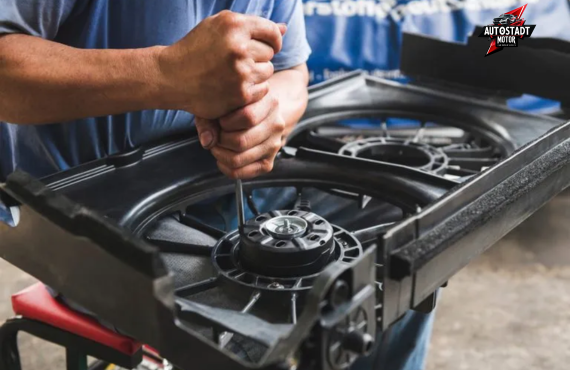
Whether you drive a McLaren 570S, 720S, GT, Artura, or another model, the cooling system should be assessed according to the vehicle’s design and manufacturer requirements. Although the exact components and procedures vary between models, the objective remains the same: maintain appropriate engine temperatures, prevent coolant loss, and support dependable performance on Dubai roads.
Signs Your Car Needs McLaren Coolant System Repair
Cooling system problems can develop gradually or appear suddenly. Recognizing the warning signs early can help you arrange an inspection before a minor fault becomes a major repair.
1. Engine Temperature Rises Above Normal
An unusual increase in engine temperature is one of the most important warning signs. If the temperature gauge rises beyond its normal range or a temperature warning appears on the dashboard, the cooling system may not be removing heat effectively.
Possible causes include low coolant, restricted radiator airflow, a malfunctioning thermostat, a water pump problem, or an issue with the cooling fans. However, the warning alone does not identify the exact cause.
If your McLaren displays an overheating warning, stop driving when it is safe to do so and follow the vehicle’s instructions. Continuing to operate an overheating engine can cause severe damage to internal components.
2. Coolant Leaks Beneath the Vehicle
A puddle or wet patch beneath your parked McLaren may indicate a coolant leak. Depending on the coolant type and condition, the fluid may appear orange, pink, green, or another colour. Colour alone is not enough to confirm that the fluid is coolant.
Leaks can develop around hoses, radiator connections, seals, coolant pipes, the expansion tank, or the water pump. Because fluid may travel across surrounding components before dripping onto the ground, the visible puddle may not be directly beneath the source.
A professional inspection can help identify the origin of the leak and prevent unnecessary replacement of unrelated components.
3. Coolant Level Keeps Dropping
If the coolant reservoir repeatedly needs topping up, the system should be checked for a leak or another underlying problem.
Coolant does not normally need frequent replenishment during routine operation. Repeatedly adding it without investigating the reason can conceal a developing fault.
At AutoStadt Motor Services, the inspection should consider accessible connections, hoses, radiator areas, reservoir condition, and other components appropriate to the specific McLaren model.
4. Steam or a Sweet Smell From the Engine Area
Steam from the engine compartment can indicate that coolant is escaping onto hot components or that the engine is overheating. Some coolant formulations also produce a distinctive sweet smell when they leak.
If you notice steam, a strong coolant smell, or an overheating warning, stop in a safe place and switch off the engine. Do not open the coolant reservoir cap while the system is hot, because pressurised coolant can cause serious burns.
Allow the vehicle to cool and arrange professional assistance if a cooling system fault is suspected.
5. Cooling Fans Run Unusually or Engine Temperature Fluctuates
Cooling fans help regulate temperature when airflow through the radiator is limited, particularly when the vehicle is stationary or moving slowly.
If engine temperatures rise repeatedly in traffic, or the fans behave unusually, the system may have an electrical fault, a fan motor problem, a sensor issue, or another cooling-related defect.
A similar symptom can occur for several reasons, so replacing the fan immediately without testing the system may not be the most appropriate solution.
6. Dashboard Coolant Warnings Appear
A coolant-level or temperature warning should never be ignored, even if the vehicle still seems to drive normally.
The warning may indicate low coolant, excessive temperature, or a sensor-related problem, depending on the message displayed. The correct response depends on the warning and the vehicle’s instructions.
For a performance car such as a McLaren, prompt investigation is preferable to continuing a journey and hoping the warning disappears.
Why Choose AutoStadt Motor Services for McLaren Coolant System Repair
Repairing a McLaren cooling system requires a methodical approach. The goal is not simply to remove a warning but to identify the fault, determine the extent of the problem, and restore the system to an appropriate operating condition.
Accurate Cooling System Diagnosis
Several cooling system faults can produce similar symptoms. Low coolant, a damaged radiator, a leaking pipe, a faulty thermostat, or a water pump issue may all contribute to rising engine temperatures.
AutoStadt Motor Services focuses on identifying the source of the problem before recommending repairs. Depending on the symptoms, this may involve visual inspection, coolant-level assessment, pressure testing where appropriate, and checks of relevant cooling components.
Model-Specific Repair Considerations
McLaren vehicles use specialised engineering and may have different cooling layouts, component arrangements, and service requirements across generations.
The appropriate repair procedure should reflect the exact model, year, engine configuration, and manufacturer specifications. This is particularly important when working with coolant type, system pressure, bleeding procedures, and replacement components.
Preventing Further Engine Damage
A cooling system fault can become expensive if it is left unresolved. Continued overheating may affect engine seals, cylinder-head components, and other temperature-sensitive parts.
Finding the cause early may help prevent a smaller repair from escalating. If overheating has already occurred, the vehicle may require additional checks to assess whether the engine has been affected.
Clear Repair Recommendations
Not every coolant problem requires a radiator or water pump replacement. Sometimes the cause is a hose connection, expansion tank, thermostat, or another component.
A sensible repair recommendation should be based on inspection results and the condition of the affected parts. This helps the owner understand why a repair is needed and which work should be prioritised.
Support for Dubai Driving Conditions
Dubai’s heat and traffic can make cooling system reliability especially important. A vehicle that performs normally during a short drive may show symptoms when stationary in congestion or after a longer journey.
AutoStadt Motor Services can assess reported symptoms and inspect the relevant components to help determine whether the system is operating correctly under the circumstances described.
Although vehicles such as the BMW M4, Mercedes-AMG GT, Toyota Supra, and Nissan GT-R also require effective engine temperature management, each vehicle has its own cooling system design. The correct approach is always to follow the requirements of the vehicle being repaired.
How Our McLaren Coolant System Repair Process Works
A structured diagnostic process helps reduce guesswork and ensures that the repair addresses the actual fault.
Step 1: Discuss the Symptoms
The process begins with the driver’s observations. Relevant details include whether the engine temperature rises in traffic, whether coolant needs frequent topping up, whether a warning appears, and whether a leak is visible after parking.
The vehicle’s model and year are also important because cooling system layouts and repair procedures can differ between McLaren models.
Step 2: Inspect the Cooling System
The technician examines the relevant cooling system components for visible damage, coolant residue, wet connections, deteriorated hoses, or other signs of leakage.
Depending on the model and symptoms, the inspection may include the radiator, expansion tank, coolant pipes, hose connections, water pump area, thermostat-related components, and cooling fans.
Step 3: Test for Coolant Leaks
If a leak is suspected, an appropriate diagnostic test may be used to help locate it. A cooling system pressure test, when suitable for the vehicle and performed within the specified limits, can reveal leaks that are difficult to see during a basic inspection.
Testing should follow the manufacturer’s procedure. It is important not to apply excessive pressure or use an unsuitable testing method on a specialised cooling system.
Step 4: Check the Cause of Overheating
If the main complaint is excessive engine temperature, the investigation must go beyond looking for leaks.
The technician may need to assess coolant circulation, thermostat operation, radiator condition, cooling fan performance, relevant sensors, and other components based on the symptoms.
Where necessary, diagnostic equipment can help identify faults in electronically controlled systems.
Step 5: Recommend the Correct Repair
Once the likely cause has been confirmed, the appropriate repair can be identified. This may involve replacing a damaged hose, repairing a leaking connection, addressing a faulty thermostat, servicing a water pump, or repairing another affected component.
The correct coolant specification and compatible replacement parts should be selected according to the vehicle’s requirements. Different coolant formulations should not be mixed unless the manufacturer confirms compatibility.
Step 6: Refill and Bleed the System Correctly
After repairs, the system may require coolant replacement, refilling, and air removal according to the manufacturer’s specified procedure.
Air trapped in the cooling system can interfere with coolant circulation and contribute to temperature fluctuations. Certain vehicles require specific filling or bleeding procedures, so this stage should not be treated as a universal process.
Step 7: Verify the Repair
The final stage is to check that the original problem has been addressed.
Depending on the repair, this can include checking coolant levels, inspecting repaired areas for leaks, verifying fan operation, reviewing relevant diagnostic information, and confirming that the engine temperature behaves as expected.
If overheating was severe, additional assessment may be necessary before the vehicle is considered ready for normal use.
McLaren Coolant System Maintenance Tips for Dubai Owners
Preventive maintenance can help identify developing cooling problems before they lead to an unexpected breakdown.
First, pay attention to changes in engine temperature and dashboard warnings. A warning that appears intermittently still deserves investigation, even if it disappears after restarting the vehicle.
Second, check for signs of coolant loss when the vehicle is parked. Do not rely on the colour of a puddle alone to identify the fluid, and never remove a hot, pressurised coolant cap.
Third, follow the maintenance schedule and coolant specifications for your particular McLaren. Using an incompatible coolant or mixing formulations without confirmation can create avoidable problems.
It is also sensible to arrange an inspection if you notice damaged hoses, dried coolant residue, unusual smells, or repeated changes in the coolant level. These signs can help reveal a developing leak.
Finally, avoid driving an overheating vehicle. Continuing to drive in the hope that the temperature will return to normal can turn a manageable cooling system fault into serious engine damage. If the vehicle displays a critical temperature warning, follow its instructions and arrange appropriate assistance.
Frequently Asked Questions About McLaren Coolant System Repair in Dubai
1. How do I know if my McLaren needs coolant system repair?
Common signs include an overheating warning, rising engine temperature, coolant loss, visible fluid beneath the vehicle, steam, or an unusual coolant smell. Some leaks are difficult to see because fluid may collect around underbody components. If you notice one or more of these symptoms, arrange an inspection to identify the cause. If the engine is overheating, stop driving safely and follow the vehicle’s warning instructions.
2. What causes coolant leaks in a McLaren?
Potential causes include damaged hoses, loose or deteriorated connections, radiator leaks, expansion tank problems, failed seals, coolant pipe damage, or water pump faults. The likely cause depends on the vehicle’s age, model, condition, and previous maintenance. A pressure test may help identify a leak when appropriate, but the diagnostic procedure must follow the requirements of the specific cooling system.
3. Can I drive my McLaren if the coolant level is low?
Driving with low coolant can be dangerous because the engine may not be able to maintain its correct operating temperature. If the level is low or a coolant warning appears, follow the vehicle’s instructions and avoid continuing the journey if overheating is suspected. Never open the reservoir cap while the engine is hot. If coolant loss is repeated or the temperature rises, arrange professional assistance rather than repeatedly topping up the system.
4. How much does McLaren coolant system repair cost in Dubai?
The cost depends on the source of the fault, the model, the parts required, and the labour involved. A leaking hose or connection may be less involved than a radiator, water pump, or more complex cooling system repair. Additional diagnosis may also be required if the engine has overheated. AutoStadt Motor Services can assess the symptoms and affected components before a repair recommendation and cost estimate are provided.
5. How often should a McLaren cooling system be inspected?
The appropriate maintenance interval depends on the specific model and its manufacturer-recommended schedule. Regular servicing should include attention to coolant condition, levels, visible leaks, and relevant cooling components as specified for the vehicle. An inspection should also be arranged whenever the temperature changes unexpectedly, a warning appears, or coolant needs repeated replenishment. In Dubai, responding promptly to these signs is especially important because high ambient temperatures can make an existing cooling problem more consequential.
Conclusion
McLaren coolant system repair is essential when coolant leaks, overheating, temperature fluctuations, or dashboard warnings indicate that the cooling system may not be operating correctly. Because McLaren vehicles are engineered for high performance, maintaining appropriate engine temperatures is important for reliability as well as performance.
The right solution starts with identifying the cause. Whether the problem involves a hose, radiator, expansion tank, thermostat, water pump, cooling fan, or another component, a correct diagnosis helps ensure that the repair addresses the underlying fault rather than temporarily masking the symptoms.
For McLaren owners in Dubai, early inspection can help reduce the risk of additional engine damage and unexpected repair costs. AutoStadt Motor Services offers cooling-system inspection and repair support focused on identifying faults and recommending suitable solutions for the vehicle.
If your McLaren is losing coolant, showing a temperature warning, or running hotter than usual, arrange a professional assessment promptly. Addressing the problem before it escalates is a practical step toward protecting your vehicle’s engine and maintaining dependable performance on Dubai roads.


Leave a Comment