
McLaren heating repair is essential when your supercar develops engine temperature problems, coolant leaks, inconsistent cabin heating, or warning messages related to its thermal management system. Although McLaren vehicles are engineered for high performance, their sophisticated cooling and heating components still require proper inspection and maintenance to operate reliably.
For Dubai owners, keeping the engine cooling system in good condition is especially important. High ambient temperatures, heavy traffic, frequent stops, and demanding driving conditions can place additional stress on a vehicle’s thermal management system. If the engine temperature rises unexpectedly or the cabin heater stops working correctly, ignoring the symptoms can lead to more complicated mechanical problems.
However, it is important to distinguish between engine cooling problems and cabin heating faults. Engine cooling problems may involve the radiator, coolant pump, thermostat, hoses, fans, or coolant circuit. Cabin heating issues can also involve climate-control settings, air distribution components, temperature sensors, or the heating system’s design. The correct diagnosis depends on the specific McLaren model and its configuration.
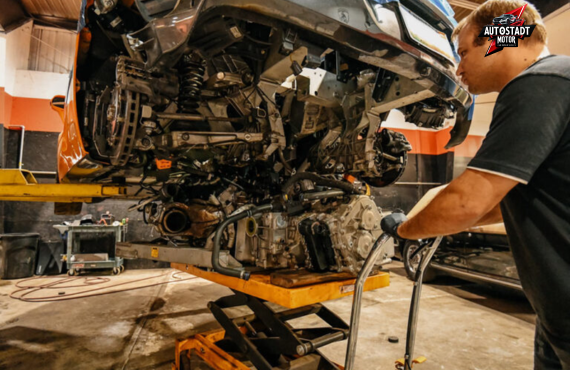
At AutoStadt Motor Services, McLaren heating repair begins with identifying the actual fault before recommending a repair. Whether you drive a McLaren 570S, 720S, GT, Artura, or another model, a systematic inspection can help identify thermal management problems and determine the appropriate next step.
Signs Your Car Needs McLaren Heating Repair
Heating-related symptoms do not always appear suddenly. In many cases, the vehicle provides early indications that a component is not operating as intended. Recognizing these signs can help you arrange an inspection before the problem becomes more serious.
1. Engine Temperature Rises Above Normal
An unusually high engine temperature is one of the most important warning signs to investigate.
If the temperature gauge rises beyond its normal operating range or an engine-temperature warning appears, the problem could involve low coolant, restricted coolant circulation, a malfunctioning thermostat, cooling fan issues, or a radiator fault.
Because McLaren vehicles are designed around specific operating temperatures, it is important not to ignore these warnings. If the engine overheats, stop somewhere safe, switch off the engine when appropriate, and arrange professional assistance. Do not continue driving in an attempt to reach the workshop.
Never remove a coolant reservoir cap while the engine is hot. Pressurized coolant can cause severe burns.
2. Cabin Heater Produces Cold Air
If the cabin heater blows cold air when warm air is requested, the cause may be related to the climate-control system or, depending on the vehicle’s design, the engine coolant circuit.
Possible causes include an incorrect climate-control setting, a temperature sensor fault, an air distribution problem, or insufficient coolant circulation in systems that use engine heat for cabin heating.
The symptom alone does not confirm a failed thermostat or heater component. A proper diagnosis is needed to distinguish between a climate-control fault and a wider cooling-system problem.
3. Coolant Level Keeps Dropping
Repeatedly low coolant levels deserve immediate attention.
A leak may develop around a hose, connection, radiator, reservoir, pump, or another part of the cooling circuit. Sometimes, coolant leaves visible marks beneath the vehicle. In other cases, the leak may be difficult to see because fluid evaporates on hot surfaces or collects in less accessible areas.
If the coolant level continues to fall, topping it up without identifying the cause is not a lasting solution.
4. Coolant Warning Messages Appear
Modern McLaren vehicles use monitoring systems to identify certain temperature and coolant-related problems.
A warning message may indicate an abnormal temperature, a coolant-level concern, or another system fault. The exact meaning depends on the message and vehicle configuration.
Rather than clearing the warning and continuing to drive, arrange an inspection so the relevant system can be checked.
5. Unusual Smell From the Engine Bay
A sweet or chemical-like smell around the engine bay may indicate escaping coolant, although other sources are possible.
You may also notice visible moisture, dried residue, or steam near the engine compartment. These signs should not be ignored, particularly when accompanied by rising engine temperature.
If steam appears or the vehicle overheats, stop safely and seek assistance instead of opening the cooling system while it is hot.
6. Cabin Temperature Changes Unexpectedly
If the cabin alternates between warm and cold air despite consistent climate-control settings, the problem may involve temperature sensors, control components, airflow distribution, or the heating system itself.
In some vehicles, coolant circulation can also influence cabin heating performance. Therefore, a workshop should consider the relationship between the heating complaint and the overall cooling system.
7. Cooling Fans Operate Abnormally
Cooling fans help regulate temperatures when the vehicle needs additional airflow through the radiator or related heat exchangers.
If the fans appear unusually loud, fail to operate when required, or are accompanied by temperature warnings, an inspection may be necessary. Fan behaviour can vary depending on operating conditions, so sound alone is not enough to confirm a fault.
Why Choose AutoStadt Motor Services for McLaren Heating Repair
A McLaren requires a repair approach that considers its performance-focused engineering, vehicle-specific specifications, and interconnected thermal systems. Replacing parts without establishing the cause can increase costs without resolving the original issue.
Accurate Diagnosis Before Repairs
At AutoStadt Motor Services, the first priority is to identify the source of the complaint.
Depending on the symptoms and model, the inspection may include coolant condition and level, visible leaks, thermostat operation, radiator condition, pump performance, cooling fans, relevant sensors, and climate-control functions.
This helps distinguish a minor maintenance issue from a fault requiring more extensive work.
Model-Specific Repair Recommendations
McLaren models do not all share identical components or service procedures. The correct approach for a 570S may differ from the requirements of a 720S, GT, or Artura.
Vehicle identification, the relevant service information, and the specific fault should guide the repair. This is particularly important when selecting replacement components, coolant specifications, and diagnostic procedures.
Attention to Engine Protection
Engine temperature problems should never be treated as cosmetic concerns.
An unresolved cooling-system fault can potentially cause serious engine damage, depending on its severity and how long the vehicle continues operating under abnormal conditions. Early diagnosis is therefore an important part of protecting a high-performance vehicle.
Comprehensive Thermal-System Inspection
A heating complaint can sometimes be a symptom of a wider problem. For example, low coolant may affect more than one part of a vehicle’s thermal management system.
A comprehensive inspection considers related components rather than focusing exclusively on the cabin heater or temperature warning.
The same diagnostic principle is useful for other vehicles, including the BMW M4, Mercedes-AMG GT, Nissan GT-R, and Toyota Supra. Nevertheless, each vehicle requires its own specifications and repair procedures.
Clear Repair Planning
Before a repair is undertaken, it is important to understand which component is suspected, why it needs attention, and whether additional checks are necessary.
AutoStadt Motor Services can assess the reported symptoms and recommend a repair approach based on the findings. This makes it easier to distinguish essential repairs from work that may not be related to the original fault.
How Our McLaren Heating Repair Process Works
A structured diagnostic process helps reduce guesswork and ensures that the final repair addresses the actual problem.
Step 1: Review the Symptoms
The process begins by establishing what the driver has experienced.
Relevant details include whether the engine temperature has increased, whether a warning message appeared, whether the cabin heater stopped producing warm air, and whether the coolant level has changed.
Information about when the problem occurs can also be useful. For example, a fault that appears in traffic may require different diagnostic checks from one that occurs shortly after the engine starts.
Step 2: Inspect the Cooling and Heating Systems
The vehicle is inspected according to the reported symptoms.
For an engine-temperature concern, the technician may examine the coolant circuit, hoses, radiator, reservoir, cooling fans, pump, and thermostat-related operation. For a cabin-heating complaint, additional attention may be given to climate-control settings, sensors, actuators, and relevant heating components.
This stage helps narrow down the possible causes.
Step 3: Perform Appropriate Diagnostic Tests
Visual inspection alone may not identify every fault.
Where necessary, diagnostic equipment can be used to retrieve relevant fault codes and review available temperature or system data. The technician may also perform suitable cooling-system pressure tests or other checks according to the vehicle’s requirements.
Testing should be selected based on the symptoms rather than applying the same procedure to every McLaren.
Step 4: Identify the Root Cause
Once the evidence has been collected, the technician can assess the likely source of the problem.
A coolant leak, for instance, requires a different repair from a faulty temperature sensor. Similarly, a cabin heater that fails to produce warm air may not require any engine cooling component to be replaced.
Identifying the root cause helps prevent unnecessary parts replacement.
Step 5: Complete the Necessary Repair
The repair depends on the confirmed fault.
It may involve replacing a damaged hose, addressing a coolant leak, repairing a cooling fan circuit, replacing a faulty thermostat or pump, or resolving a climate-control issue.
Any coolant used must meet the vehicle manufacturer’s specifications. Mixing unsuitable coolant products or using an incorrect fluid can create compatibility and performance concerns.
Step 6: Refill and Bleed the System Where Required
If the repair involves opening the coolant circuit, the system must be refilled and bled according to the appropriate service procedure.
Air trapped in a cooling circuit can interfere with circulation and may contribute to temperature fluctuations or inconsistent heating in applicable systems.
Because McLaren models can have specific filling and bleeding requirements, this work should follow the correct model-specific procedure.
Step 7: Verify the Repair
After the work is completed, the relevant system should be checked again.
Depending on the original problem, this may involve checking for leaks, confirming appropriate coolant levels, reviewing temperature behaviour, checking relevant fault codes, and verifying cabin-heating operation.
The aim is to establish that the original complaint has been addressed and that no related fault has been overlooked.
Preventive Maintenance for McLaren Heating and Cooling Systems
Regular maintenance can help identify developing problems before they interrupt your driving plans.
First, pay attention to temperature warnings and changes in coolant level. If the level repeatedly drops, arrange an inspection rather than treating topping up as routine maintenance.
Second, follow the maintenance schedule and use the correct coolant specification for your vehicle. Different models may have different requirements, so choosing a product simply because it is marketed as suitable for performance cars is not sufficient.
Third, investigate unusual smells, visible leaks, steam, or unexplained temperature changes promptly. Early inspection may help prevent a manageable fault from becoming more extensive.
Finally, remember that a cabin-heating complaint and an engine-overheating problem are not necessarily the same issue. Clear descriptions of the symptoms can help the technician choose the appropriate diagnostic tests.
For Dubai owners, where outdoor temperatures can be extreme, responding promptly to cooling-system warnings is particularly important. However, an engine should never be assumed to have a cooling-system fault solely because the weather is hot; the vehicle’s actual symptoms and diagnostic findings should guide the repair.
Frequently Asked Questions About McLaren Heating Repair in Dubai
1. Why is my McLaren engine overheating in Dubai?
Overheating can result from several problems, including low coolant, a leak, a thermostat fault, radiator restrictions, cooling fan issues, pump problems, or another malfunction in the thermal management system. High outdoor temperatures can increase cooling demands, but they do not identify the underlying fault. If your McLaren displays an overheating warning, stop safely and arrange professional assistance instead of continuing to drive.
2. Why is my McLaren heater blowing cold air?
Cold air from the cabin vents can result from climate-control settings, sensor or actuator faults, airflow problems, or issues involving the heating system. On vehicles where cabin heating depends on engine coolant, low coolant or poor circulation may also be relevant. Because different McLaren models use different system designs, a proper inspection is needed before replacing the heater, thermostat, or another component.
3. How much does McLaren heating repair cost in Dubai?
The cost depends on the model, the source of the fault, component availability, labour requirements, and whether additional diagnostic work is necessary. A sensor or connection problem may require a different level of work from a radiator, pump, or more extensive cooling-system repair. AutoStadt Motor Services can assess the symptoms and determine the appropriate repair scope before a final cost is established.
4. Can I drive my McLaren if the coolant warning appears?
A coolant warning should be taken seriously, particularly if it is accompanied by rising engine temperature, steam, or visible leakage. Continuing to drive an overheating vehicle can cause severe engine damage. Stop in a safe place, follow the vehicle’s warning instructions, and seek professional assistance. Never open a hot pressurized coolant reservoir, and do not continue driving simply because the warning disappears temporarily.
5. Does McLaren heating repair include radiator and thermostat replacement?
Not automatically. Heating repair is a broad term that may refer to cabin-heating problems or engine thermal-system concerns. A radiator or thermostat should only be replaced when inspection and testing indicate that the component is faulty or does not meet the required operating specifications. Accurate diagnosis helps ensure that the repair addresses the actual problem instead of replacing components unnecessarily.
Conclusion
McLaren heating repair is important when your vehicle develops engine-temperature warnings, coolant leaks, inconsistent cabin heating, or other symptoms involving its thermal management system. Although these problems can share similar warning signs, their causes and appropriate repairs can be very different.
For McLaren owners in Dubai, the best approach is to investigate unusual symptoms early and avoid continuing to drive when the engine is overheating. Correct diagnosis, model-specific procedures, appropriate coolant, and post-repair checks all contribute to a more dependable result.
AutoStadt Motor Services can help assess McLaren heating and cooling concerns, identify the likely source of the fault, and recommend suitable repairs based on the vehicle’s condition.
If your McLaren is showing temperature warnings, losing coolant, or failing to provide consistent cabin heating, arrange a professional inspection before the problem develops further. Prompt attention can help protect important components and keep your supercar operating as intended.


Leave a Comment