
McLaren shock change is an important suspension service when your supercar begins to feel less stable, develops unusual suspension noises, or no longer delivers the controlled ride expected from a high-performance vehicle. McLaren cars are engineered for responsive handling, precise steering, and impressive road performance. However, worn shock absorbers, damaged suspension components, or faults within an adaptive damping system can gradually affect these characteristics.
For Dubai owners, maintaining the suspension is particularly important. Everyday driving can involve speed humps, uneven road surfaces, tight parking ramps, highway travel, and frequent changes in driving conditions. Although McLaren vehicles are designed for performance, their suspension systems still require careful inspection and maintenance as components age or wear.
At AutoStadt Motor Services, McLaren shock absorber replacement begins with identifying the cause of the suspension problem. A bumpy ride does not always mean that the shock absorbers need replacing. Worn suspension bushes, tyre problems, wheel alignment issues, or faults in an electronically controlled damping system may produce similar symptoms.
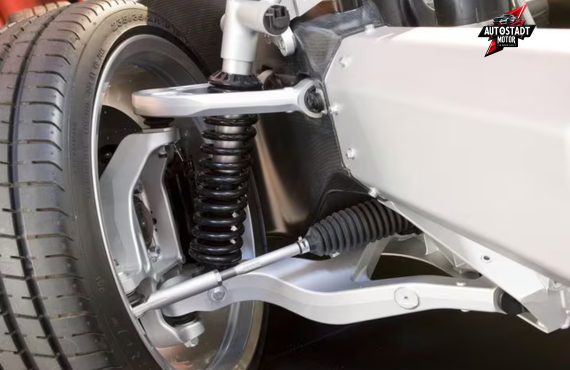
The correct repair therefore depends on the model, the condition of the suspension, and the components installed. Whether you drive a McLaren 570S, 600LT, 720S, GT, or another model, a professional assessment can help determine whether shock replacement is necessary and what additional checks may be required.
Signs Your Car Needs McLaren Shock Change
Suspension problems do not always appear suddenly. In many cases, the vehicle begins showing small changes in ride quality or handling before the driver notices a significant difference. Recognizing these warning signs can help you arrange an inspection before the condition worsens.
1. Excessive Bouncing After Road Imperfections
One of the most recognizable signs of worn shock absorbers is repeated bouncing after the vehicle passes over a bump or uneven surface.
Shock absorbers help control the movement of the suspension springs. When their damping performance deteriorates, the vehicle may continue moving up and down instead of settling quickly.
This can make the car feel less composed, particularly when travelling over uneven roads or entering a driveway. If your McLaren feels unusually unsettled after a speed hump, the suspension should be inspected to identify whether the dampers or other components are responsible.
2. Reduced Stability During Cornering
McLaren vehicles are designed to provide precise responses when changing direction. If the suspension is not controlling body movement correctly, cornering may feel less predictable than usual.
You might notice excessive body movement, reduced confidence when changing lanes, or a feeling that the vehicle takes longer to settle after a turn.
Although worn shock absorbers can contribute to these symptoms, they are not the only possible cause. Tyre condition, wheel alignment, suspension joints, and other components can also influence handling. A comprehensive inspection is therefore more useful than replacing parts based on one symptom alone.
3. Knocking or Rattling From the Suspension
Unusual sounds from the wheels or suspension area can indicate a developing mechanical problem.
A knocking noise over bumps may come from worn suspension bushes, loose mounting hardware, damaged links, or other components. In some cases, deteriorated shock absorber mounts may also contribute to the noise.
The location and circumstances of the sound can help a technician narrow down the cause. For example, a noise that appears only when passing over sharp bumps may require a different investigation from a sound that occurs during steering manoeuvres.
4. Uneven Tyre Wear
Tyres can reveal important information about suspension condition.
If one tyre develops irregular wear, or the tread wears more quickly along one edge, the problem may involve alignment, tyre pressure, suspension wear, or a combination of factors.
Worn dampers can affect how consistently the tyre maintains contact with the road surface. However, uneven tyre wear should never automatically be attributed to shock absorbers alone.
During a McLaren shock change assessment, checking tyre condition and alignment requirements helps determine whether additional work is needed to protect the new components and support predictable handling.
5. Fluid Leakage Around a Shock Absorber
Some shock absorbers use hydraulic fluid to control suspension movement. If a damper develops a seal failure, fluid may leak from its body.
Light dirt or a slight surface film does not always confirm a failed shock absorber. Nevertheless, obvious wetness, active leakage, or a visibly damaged damper deserves professional inspection.
The technician should determine whether the component has lost its damping effectiveness and whether replacement is necessary.
6. An Unexpected Change in Ride Comfort
A McLaren that previously felt controlled and balanced may begin to feel harsh over minor imperfections or unusually soft during normal driving.
Such changes can develop gradually, which means the driver may initially adjust to the difference without recognizing a suspension fault.
The cause may involve dampers, springs, mounting points, tyres, or an electronically controlled suspension system. Identifying the actual fault helps avoid replacing expensive components unnecessarily.
Why Choose AutoStadt Motor Services for McLaren Shock Change
A McLaren suspension system should be approached differently from a routine shock absorber replacement on an ordinary passenger vehicle. Component compatibility, suspension geometry, damping characteristics, and model-specific procedures all matter.
Model-Specific Suspension Assessment
Different McLaren models can have different suspension configurations and equipment. The correct replacement parts and procedures must be confirmed against the vehicle’s model year, specification, and installed system.
AutoStadt Motor Services can assess the reported symptoms and inspect the relevant components before recommending a repair. This helps establish whether the issue concerns the shock absorbers themselves or another part of the suspension.
Attention to Adaptive Damping Systems
Some McLaren models feature electronically controlled suspension or adaptive damping technology. These systems adjust damping behaviour according to driving conditions and vehicle settings.
When a fault involves electronically controlled dampers, replacing a component may not be the only requirement. Depending on the model and repair procedure, additional diagnostic checks, electronic fault assessment, or calibration procedures may be necessary.
The correct approach is to identify the system fitted to the vehicle and follow its applicable service requirements.
Quality-Focused Replacement Decisions
Shock absorbers affect ride control, tyre contact, and vehicle stability. For this reason, replacement parts should match the vehicle’s requirements rather than being selected on price alone.
The decision to replace one damper or multiple dampers should be based on the manufacturer’s guidance, the condition of the existing components, and the specific fault identified during inspection.
AutoStadt Motor Services focuses on matching the repair recommendation to the vehicle’s actual condition.
Suspension and Tyre Checks
Installing new shock absorbers without checking related suspension components may leave other problems unresolved.
Depending on the findings, the inspection may include suspension mounts, bushes, springs, links, tyres, and wheel alignment requirements. If a related component is worn or damaged, it can affect the performance of the replacement dampers.
This broader assessment helps support a more complete repair.
Service for Dubai’s Driving Conditions
Dubai drivers may regularly encounter speed humps, parking ramps, highway journeys, and uneven surfaces around residential or commercial areas. These conditions make it worthwhile to investigate changes in ride quality rather than continuing to drive with a noticeably unsettled suspension.
AutoStadt Motor Services can help McLaren owners assess suspension concerns and understand the repair options appropriate for their vehicle.
How Our McLaren Shock Change Process Works
A professional shock absorber replacement involves more than removing an old component and installing a new one. The condition of the surrounding suspension and the vehicle’s specific design should also be considered.
Step 1: Discuss the Symptoms
The process begins by understanding what has changed in the vehicle’s behaviour.
The owner may report bouncing, knocking sounds, unusual harshness, uneven tyre wear, or reduced stability. Information about when these symptoms occur can help guide the inspection.
For example, a noise over speed humps may suggest a different area of investigation from a warning message related to an electronically controlled suspension system.
Step 2: Inspect the Suspension
The relevant suspension components are examined for signs of wear, damage, leakage, or abnormal movement.
Depending on the McLaren model, the inspection may cover shock absorbers, mounts, springs, bushes, suspension links, and related hardware.
The technician also considers whether the symptoms could be caused by tyres, alignment, or another mechanical issue rather than the dampers alone.
Step 3: Confirm the Required Parts
Before replacement, the vehicle’s exact specification must be established.
McLaren models and variants can differ in their suspension arrangements, so part compatibility should be verified using the vehicle’s details and applicable parts information.
If electronically controlled dampers are fitted, the replacement component must be suitable for that system. Selecting an incompatible part could affect functionality or lead to further issues.
Step 4: Remove and Replace the Damaged Component
Once the fault and replacement requirements are confirmed, the affected shock absorber or dampers can be replaced using the appropriate procedure.
Careful handling is important because suspension assemblies may contain specialised mounting hardware, electronic connections, or components requiring model-specific installation steps.
Any related worn or damaged parts should be addressed according to the inspection findings and agreed repair scope.
Step 5: Check Installation and Related Components
After installation, the technician checks that the relevant hardware and connections have been fitted correctly.
Where applicable, electronically controlled suspension components may require diagnostic checks or procedures specified for the vehicle.
The surrounding suspension should also be reviewed to ensure that the original problem has not been confused with another unresolved fault.
Step 6: Assess Alignment Requirements
Suspension work can affect wheel alignment depending on which components have been removed or adjusted.
For this reason, alignment requirements should be evaluated against the applicable McLaren service procedure. If alignment is required, it should be carried out using suitable equipment and specifications.
Correct alignment can help support predictable handling and reduce the risk of premature or uneven tyre wear.
Step 7: Perform Final Checks
The final stage is to verify the repair.
The vehicle should be checked for abnormal noises, correct installation, and any relevant warning messages. Where appropriate and safe, a road test or further system checks can help confirm that the reported symptoms have been addressed.
The aim is to return the McLaren with suspension performance consistent with the repair performed and the vehicle’s requirements.
McLaren Suspension Maintenance Tips for Dubai Owners
Preventive inspection can help identify suspension deterioration before it significantly affects driving comfort or handling.
First, pay attention to changes in how the car responds to bumps and corners. If the vehicle begins bouncing more than usual or develops a new knocking sound, arrange an inspection rather than waiting for the symptoms to become severe.
Second, check tyre condition regularly. Uneven wear can indicate alignment or suspension problems, although tyre pressure and tyre condition must also be considered.
Third, do not ignore suspension warning messages on models equipped with electronically controlled damping. These warnings may require a diagnostic assessment rather than a conventional mechanical inspection alone.
Finally, follow the maintenance recommendations applicable to your specific model. A McLaren 720S, for example, may have different equipment and service requirements from a McLaren GT. Likewise, the suspension requirements of a BMW M4, Mercedes-AMG GT, or Porsche 911 should not automatically be applied to a McLaren.
Regular maintenance and timely diagnosis help preserve the intended balance between comfort, control, and performance.
Frequently Asked Questions About McLaren Shock Change in Dubai
1. When should I replace the shock absorbers on my McLaren?
There is no single replacement mileage that applies to every McLaren model and driving pattern. Shock absorber condition depends on vehicle specification, road use, component age, and the symptoms observed. Repeated bouncing, fluid leakage, unusual suspension noises, or changes in handling are reasons to arrange an inspection. A technician can assess the dampers and compare their condition with the applicable service requirements before recommending replacement.
2. How much does McLaren shock change cost in Dubai?
The cost depends on the model, the type of suspension fitted, the number of dampers requiring replacement, and whether related parts or additional procedures are necessary. A conventional damper and an electronically controlled suspension component may involve different parts and labour requirements. Alignment checks or model-specific diagnostic procedures may also affect the total. An inspection and vehicle-specific parts assessment are the best starting points for obtaining an accurate estimate from AutoStadt Motor Services.
3. Can I replace only one McLaren shock absorber?
In some situations, replacing an individual damper may be possible. However, the appropriate decision depends on the condition of the remaining dampers, the manufacturer’s recommendations, and whether matching damping performance can be maintained. Replacing only one side without considering the opposite side may lead to differences in suspension behaviour. A professional assessment should establish whether one component or a pair requires replacement.
4. Do McLaren shock absorbers affect handling and safety?
Yes. Shock absorbers help control spring movement and maintain consistent tyre contact with the road. When damping performance deteriorates, the vehicle may bounce excessively, feel less settled, or respond differently during braking and cornering. These symptoms can affect stability and driver confidence. If your McLaren develops a major change in handling, a suspension warning, or severe instability, avoid high-speed driving and arrange a prompt inspection.
5. How long does McLaren shock absorber replacement take?
The time required depends on the model, the suspension design, component accessibility, parts availability, and whether additional repairs or diagnostic procedures are needed. A straightforward replacement may require less time than work involving specialised adaptive dampers or related suspension components. The workshop should confirm the expected duration after identifying the exact vehicle and assessing the repair scope.
Conclusion
McLaren shock change is an important maintenance service when suspension performance begins to deteriorate. Excessive bouncing, fluid leakage, uneven tyre wear, knocking noises, and reduced handling stability can all indicate a problem that deserves attention.
However, replacing shock absorbers without diagnosing the underlying fault may leave other suspension issues unresolved. A careful inspection should establish the condition of the dampers, check related components, confirm parts compatibility, and identify any alignment or electronic diagnostic requirements.
For McLaren owners in Dubai, AutoStadt Motor Services can help assess suspension concerns and recommend a repair based on the vehicle’s specific model and condition. Whether your car needs shock absorber replacement or a broader suspension inspection, timely attention can help maintain its handling characteristics and driving comfort.
If your McLaren feels less stable than usual, makes unusual suspension noises, or shows signs of damper leakage, arrange a professional inspection before the problem progresses. The right diagnosis is the first step toward restoring the controlled, confident driving experience your McLaren was designed to deliver.


Leave a Comment