
Subaru Heating Repair is an important service when your vehicle’s heating system fails to provide the right cabin temperature, produces unusual noises, or stops working altogether. Although Dubai is known for its hot climate, a properly functioning heating system still plays an important role in maintaining the overall HVAC system, managing airflow, clearing condensation from the windshield, and keeping the cabin comfortable during cooler mornings and winter months.
A Subaru heating system consists of several interconnected components, including the heater core, blower motor, thermostat, coolant circuit, heater hoses, temperature control mechanisms, and HVAC controls. If one component develops a fault, the entire system can become less effective. In some situations, a heating problem may also indicate an underlying cooling-system issue that should not be ignored.
At AutoStadt Motor Services, Subaru owners in Dubai can receive professional inspection and heating system diagnostics designed to identify the actual source of the problem rather than simply replacing parts. Whether you drive a Subaru Forester, Outback, Impreza, WRX, or another model, accurate diagnosis is essential for dependable HVAC performance.
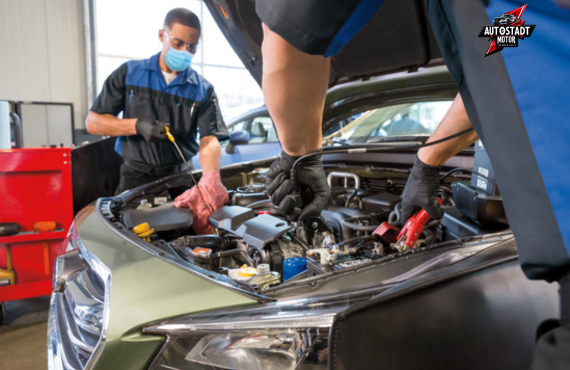
Dubai’s driving conditions can also place additional demands on vehicle cooling and climate-control systems. Long traffic jams, high under-hood temperatures, frequent air-conditioning use, and dusty conditions can contribute to component wear. Therefore, timely Subaru Heating Repair can help prevent a minor HVAC fault from developing into a more complicated mechanical problem.
Signs Your Car Needs Subaru Heating Repair
Recognizing early warning signs can save Subaru owners from expensive repairs and uncomfortable driving conditions. A heating problem does not always begin with a complete loss of warm air. Instead, several smaller symptoms can appear first.
Weak or Cold Air From the Heater
One of the clearest signs that you may need Subaru Heating Repair is when the vents blow air that remains cold even after the engine has reached normal operating temperature.
This can happen because of a low coolant level, restricted heater core, faulty thermostat, air trapped inside the cooling system, or a problem with the temperature-control mechanism. Continuing to drive without investigating the cause may allow the underlying issue to become worse.
Heater Takes Too Long to Produce Warm Air
If your Subaru previously produced warm air quickly but now takes significantly longer, there could be a problem with coolant circulation or engine temperature regulation.
A malfunctioning thermostat, for example, can affect how quickly the engine reaches its operating temperature. Consequently, the heater may struggle to deliver consistent warmth.
Uneven Cabin Temperature
Another warning sign is inconsistent heating. You may notice warm air from one vent while another produces cooler air, or the temperature may change unexpectedly while driving.
This could indicate a problem with the HVAC blend door, actuator, heater core, climate-control system, or related components. A professional inspection can determine whether the issue is mechanical, electrical, or related to coolant flow.
Unusual Smell From the Vents
A sweet or unusual smell coming from the vents should not be ignored. It can sometimes indicate a coolant leak involving the heater core or nearby components.
If you also notice dampness inside the cabin, fogging windows, or a declining coolant level, arrange an inspection promptly. Coolant-related problems can affect both heating performance and the vehicle’s engine cooling system.
Unusual Noises When the Heater Runs
A rattling, buzzing, squealing, or grinding sound from the dashboard or blower area may indicate a failing blower motor, debris inside the HVAC system, or another mechanical problem.
In Dubai, dust accumulation can also affect air passages and cabin filtration. If the blower becomes noisy or airflow decreases, Subaru Heating Repair may be required to restore normal operation.
Fogging or Poor Windshield Defrosting
Your Subaru’s HVAC system does more than heat the cabin. It also helps control airflow across the windshield. If the defrost function does not work properly, visibility can become compromised during humid or cooler conditions.
Because clear visibility is essential for safe driving, this symptom should be treated as a service issue rather than simply a comfort problem.
Why Choose AutoStadt Motor Services for Subaru Heating Repair
Choosing the right workshop matters because a heating problem can originate from several different systems. Replacing a component without identifying the root cause can lead to unnecessary expenses and recurring faults.
AutoStadt Motor Services focuses on proper diagnosis before recommending repairs. This approach allows Subaru owners to understand what is causing the heating problem and which components actually require attention.
Subaru-Focused Diagnostic Approach
Modern Subaru vehicles use integrated mechanical and electronic systems. Therefore, diagnosing a heater issue may require more than checking whether warm air is coming from the vents.
Our technicians can inspect relevant HVAC components, cooling-system operation, coolant circulation, blower performance, temperature controls, and other related areas to establish the cause of the fault.
Thorough Cooling-System Inspection
The heating system relies heavily on engine coolant. When coolant is not circulating correctly, the heater may fail to produce sufficient warmth.
For this reason, Subaru Heating Repair at AutoStadt Motor Services can include checks for coolant level, leaks, hoses, thermostat operation, and other cooling-system components when the symptoms indicate a possible connection.
Appropriate Parts and Repair Solutions
A successful repair depends on using suitable replacement components and installing them correctly. Whether the problem involves a thermostat, blower motor, heater hose, actuator, heater core, or another component, the repair should be matched to the vehicle and diagnosed fault.
The goal is not simply to make the heater work temporarily. Instead, AutoStadt Motor Services aims to restore dependable HVAC performance.
Experience With Different Vehicle Systems
Dubai drivers own a wide range of vehicles, from Subaru SUVs to luxury and performance models. For example, a Toyota Land Cruiser may have very different HVAC characteristics from a Subaru Forester, while BMW and Mercedes-Benz vehicles can use sophisticated climate-control systems with their own diagnostic requirements.
This broad automotive experience helps technicians approach each vehicle according to its specific design rather than applying a one-size-fits-all solution.
Customer-Focused Service
At AutoStadt Motor Services, the objective is to make the repair process straightforward. Customers should understand what went wrong, why the repair is necessary, and what can be done to prevent the problem from returning.
Clear communication is particularly important when a heating fault is connected to the cooling system because ignoring one component can potentially create additional problems.
How Our Subaru Heating Repair Process Works
A systematic repair process improves diagnostic accuracy and helps avoid unnecessary part replacement. At AutoStadt Motor Services, the process generally begins with understanding the symptoms reported by the Subaru owner.
Initial Vehicle Assessment
First, the vehicle is inspected to understand when and how the heating problem occurs. Technicians may consider whether the heater works only while driving, whether it produces warm air at idle, whether the problem affects all vents, and whether any warning signs have appeared.
These details can provide valuable clues about the underlying fault.
HVAC and Cooling-System Diagnosis
Next, relevant heating and cooling components are examined. Depending on the symptoms, this can include the heater core, coolant level, thermostat, hoses, blower motor, temperature-control system, actuators, and related HVAC components.
If the vehicle shows signs of an electronic fault, appropriate diagnostic equipment can also be used to identify stored system errors.
Identifying the Root Cause
Once the inspection is complete, the technician determines the most likely source of the problem. For instance, low heat may be caused by insufficient coolant, a restricted heater core, a thermostat problem, or an HVAC control fault.
Correctly identifying the root cause is one of the most important stages because treating only the symptom can result in repeated problems.
Repair or Component Replacement
After diagnosis, the affected component can be repaired or replaced as appropriate. Any coolant-related work should also be completed correctly, including proper filling and bleeding where required.
The objective is to restore correct coolant circulation and HVAC operation without introducing air pockets or other issues into the system.
Testing After Repair
Finally, the heating system is tested to confirm that the repair has solved the original problem. Temperature output, airflow, controls, and relevant cooling-system functions can be checked to ensure the vehicle performs as expected.
This final testing stage provides additional confidence that the Subaru Heating Repair has addressed the underlying issue.
Frequently Asked Questions About Subaru Heating Repair in Dubai
1. Why is my Subaru heater blowing cold air?
Cold air from the heater can have several causes. Low coolant, a malfunctioning thermostat, restricted coolant circulation, a blocked heater core, a faulty blend door actuator, or an HVAC control problem can all affect heating performance.
Because these problems can produce similar symptoms, it is better to have the system diagnosed rather than replacing parts based only on the symptom. AutoStadt Motor Services can inspect the relevant systems and identify the likely cause before recommending a repair.
2. Can low coolant cause heating problems in a Subaru?
Yes. The heater uses hot engine coolant to transfer heat into the cabin. If the coolant level becomes too low, there may not be enough hot coolant reaching the heater core.
However, simply adding coolant is not always the complete solution. A low coolant level may indicate a leak or another cooling-system problem. Therefore, if your Subaru repeatedly loses coolant, the source should be investigated and repaired.
3. How much does Subaru Heating Repair cost in Dubai?
The cost depends entirely on what has failed. A relatively simple issue, such as a thermostat or control component, may require less work than a heater-core replacement or another major HVAC repair.
The Subaru model, replacement parts, labor time, and complexity of the repair can all influence the final cost. A proper inspection is the best way to determine what needs to be repaired before estimating the overall expense.
4. How often should I have my Subaru heating system inspected?
There is no universal interval that applies to every Subaru because heating-system maintenance depends on the vehicle’s age, mileage, condition, and driving environment.
However, the system should be inspected whenever you notice weak heat, unusual smells, strange noises, coolant loss, poor defrosting, or inconsistent temperature control. Regular cooling-system maintenance can also help identify problems before they affect heater performance.
Dubai’s hot climate means engines and cooling systems frequently operate under demanding conditions. Consequently, paying attention to coolant condition and related components is particularly important.
5. Can a Subaru heating problem affect the engine?
In some cases, yes. The cabin heater is connected to the engine’s cooling system, so certain heating problems can be related to coolant circulation or engine-temperature regulation.
For example, a serious coolant leak or overheating issue should never be treated as merely a heater problem. If your Subaru is overheating, showing a coolant warning, or losing coolant rapidly, stop driving when it is safe to do so and arrange a professional inspection.
AutoStadt Motor Services can assess both the heating and cooling systems when the symptoms suggest that they are connected.
Conclusion
Reliable Subaru Heating Repair is about more than restoring warm air to the cabin. The heating system works alongside the vehicle’s cooling and HVAC systems, which means an apparent comfort issue can sometimes point to a more significant mechanical or electrical fault.
Symptoms such as cold air, inconsistent temperature, slow heating, unusual smells, strange blower noises, or poor windshield defrosting should therefore receive attention rather than being ignored. Early diagnosis can help prevent a minor issue from developing into a more expensive repair.
For Subaru owners in Dubai, AutoStadt Motor Services provides a customer-focused approach to vehicle heating and HVAC problems. From the initial inspection and diagnosis to component repair, replacement, and final testing, the goal is to restore reliable performance while addressing the actual cause of the fault.
Whether you drive a Subaru Forester, Outback, Impreza, WRX, or another Subaru model, professional inspection can help keep the vehicle’s heating and cooling systems operating correctly. When your Subaru is showing signs of heating trouble, timely service is a practical way to protect comfort, visibility, and overall vehicle reliability on Dubai roads.


Leave a Comment