
Subaru Coolant System Repair is essential when your vehicle begins showing signs of overheating, coolant loss, temperature fluctuations, or poor engine cooling. In Dubai, where extreme summer temperatures place additional stress on the cooling system, even a minor coolant problem can develop into a serious engine issue if it is ignored.
The cooling system is responsible for keeping the engine operating within its correct temperature range. It circulates coolant through the engine, radiator, hoses, thermostat, water pump, and other components to absorb and release excess heat. When any part of this system becomes damaged or inefficient, engine temperature can rise quickly.
For Subaru owners, timely inspection is particularly important because cooling problems can affect engine performance, fuel efficiency, and long-term reliability. AutoStadt Motor Services provides professional Subaru Coolant System Repair in Dubai, helping identify cooling system faults before they turn into expensive engine repairs.
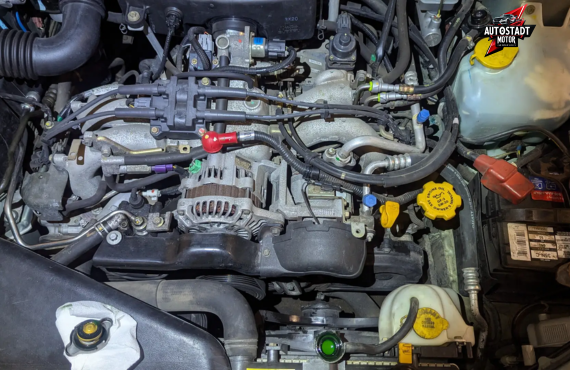
Whether you drive a Subaru Forester, Outback, WRX, Legacy, or another Subaru model, a properly maintained cooling system is essential for dependable driving in Dubai’s demanding climate. Therefore, addressing coolant leaks, radiator problems, thermostat faults, and water pump issues early can help protect the engine and keep your Subaru performing reliably.
Signs Your Car Needs Subaru Coolant System Repair
Cooling system problems do not always appear suddenly. In many cases, your Subaru provides warning signs before a major failure occurs. Recognizing these symptoms early allows you to arrange an inspection and prevent unnecessary engine damage.
Subaru Engine Overheating
One of the clearest indications that you may need Subaru Coolant System Repair is an overheating engine. If the temperature gauge rises above its normal position, the cooling system may not be removing enough heat.
Several problems can cause overheating, including low coolant levels, a blocked radiator, a malfunctioning thermostat, a damaged water pump, or a cooling fan problem. Continuing to drive an overheating Subaru can cause severe engine damage, so the vehicle should be inspected as soon as possible.
Low Coolant Level
If you frequently need to add coolant to your Subaru, there may be an underlying leak. Coolant should not normally disappear quickly from a properly functioning cooling system.
A leak can develop in a radiator, hose, expansion tank, water pump, gasket, or another cooling component. AutoStadt Motor Services can inspect the system to determine where the coolant is escaping and recommend the appropriate repair.
Coolant Leaking Under the Vehicle
Visible fluid underneath your Subaru can be another warning sign. Depending on the type of coolant used, the fluid may have a distinctive color or smell.
However, not every leak is easy to identify from outside the vehicle. Some leaks occur only when the engine reaches operating temperature or when the cooling system becomes pressurized. This is why professional leak testing can be valuable.
Temperature Gauge Fluctuations
A temperature gauge that repeatedly moves up and down may indicate a cooling system problem. A faulty thermostat, trapped air, low coolant, or circulation issue can prevent the engine from maintaining a stable operating temperature.
Although occasional temperature variation can occur under changing driving conditions, unusual or repeated fluctuations should be investigated.
Weak or Poor Cabin Heating
The vehicle’s heater relies on hot engine coolant flowing through the heater core. Consequently, weak cabin heat can sometimes indicate low coolant levels, restricted coolant flow, or another cooling system fault.
This symptom can be especially useful when diagnosing a problem that has not yet caused obvious engine overheating.
Unusual Engine Noises
A damaged water pump or cooling system component may produce whining, grinding, squealing, or other unusual sounds. If a new noise appears alongside coolant loss or overheating, professional inspection is recommended.
Steam or a Strong Coolant Smell
Steam from the engine compartment can indicate that coolant is leaking onto hot components or that the engine is overheating. A noticeable sweet coolant smell may also indicate a leak.
If you see steam, it is safer to stop driving and allow the vehicle to cool rather than continuing to operate it.
Why Choose AutoStadt Motor Services for Subaru Coolant System Repair
Choosing the right workshop matters because a cooling system consists of multiple interconnected components. Replacing one part without finding the actual cause of the problem can result in repeated repairs and unnecessary expense.
AutoStadt Motor Services focuses on systematic vehicle diagnostics rather than simply replacing parts based on symptoms. When a Subaru arrives with an overheating or coolant-related complaint, the technicians can inspect the cooling system and evaluate the condition of its major components.
Subaru-Focused Diagnostic Approach
Different Subaru models can have different cooling system configurations and component requirements. A proper diagnosis considers the specific vehicle, its symptoms, service history, and operating conditions.
The workshop can inspect coolant levels, hoses, radiator condition, thermostat operation, cooling fans, water pump performance, and potential leak points as required.
Cooling System Leak Inspection
A small coolant leak can become a major problem if it is ignored. AutoStadt Motor Services can examine visible and hidden areas of the cooling system to help identify the source of coolant loss.
Pressure testing may also be useful when a leak is difficult to locate under normal conditions.
Quality Repair Recommendations
A professional repair should address the underlying cause rather than temporarily hiding the symptom. For example, repeatedly topping up coolant without repairing a leak does not solve the actual problem.
AutoStadt Motor Services can recommend the appropriate repair after evaluating the vehicle’s condition, helping Subaru owners make an informed maintenance decision.
Experience With Different Vehicle Systems
Dubai workshops regularly deal with a wide range of vehicles. Cooling system maintenance is important not only for Subaru vehicles but also for cars such as the Toyota Land Cruiser, Nissan Patrol, BMW X5, and Mercedes-Benz E-Class.
This broad automotive experience helps technicians understand how different cooling system designs respond to Dubai’s high temperatures and demanding driving conditions.
Suitable for Dubai Driving Conditions
Dubai’s heat can place considerable demand on an engine cooling system. Extended idling, heavy traffic, high ambient temperatures, and frequent air-conditioning use can all increase thermal load.
For this reason, regular cooling system inspection can be a practical part of preventative maintenance rather than something to consider only after overheating occurs.
How Our Subaru Coolant System Repair Process Works
A professional repair process should begin with diagnosis. Replacing cooling components without confirming the cause can lead to unnecessary costs and unresolved problems.
Initial Vehicle Inspection
The process begins by reviewing the symptoms reported by the Subaru owner. Technicians may ask about overheating, coolant loss, warning lights, unusual smells, leaks, or previous repairs.
The vehicle is then inspected to identify visible signs of cooling system problems.
Cooling System Diagnosis
Next, the cooling system is evaluated according to the symptoms found. This may include checking the coolant level and condition, inspecting hoses and connections, examining the radiator, and evaluating the thermostat and cooling fans.
Where necessary, additional diagnostic procedures can be performed to locate hidden leaks or circulation problems.
Leak and Component Testing
If coolant loss is suspected, the system may require pressure testing or other diagnostic checks. These procedures can help determine whether coolant is escaping from the radiator, hoses, water pump, expansion tank, or another component.
The condition of related components is also considered because replacing one damaged part while leaving another failing component can create future problems.
Repair or Component Replacement
Once the cause has been identified, the required repair can be carried out. Depending on the diagnosis, this may involve replacing a damaged hose, thermostat, radiator component, water pump, expansion tank, or another cooling system part.
The goal is to restore proper coolant circulation and temperature control rather than simply treating the visible symptom.
Coolant Refill and System Check
After repairs, the cooling system needs to be refilled with the appropriate coolant and properly checked. Air trapped inside the system can interfere with coolant circulation, so correct bleeding and filling procedures are important.
The system can then be inspected again for leaks and abnormal temperature behavior.
Final Inspection
Finally, the vehicle is checked to confirm that the cooling system is operating correctly. Any remaining symptoms are reviewed before the Subaru is returned to the customer.
This structured approach helps provide greater confidence that the underlying cooling problem has been addressed.
Frequently Asked Questions About Subaru Coolant System Repair in Dubai
1. How often should Subaru coolant be checked in Dubai?
Coolant should be checked regularly as part of routine vehicle maintenance. Dubai’s high temperatures make cooling system condition particularly important, especially before the summer season.
However, the correct inspection interval depends on the Subaru model, coolant specification, driving conditions, and manufacturer’s maintenance recommendations. If you notice coolant loss, overheating, visible leaks, or temperature fluctuations, the system should be inspected regardless of the normal service schedule.
Regular inspections can identify deteriorating hoses, low coolant levels, radiator issues, and other problems before they become major failures.
2. What causes a Subaru to lose coolant?
Coolant loss can result from several issues. Common possibilities include leaking radiator hoses, a damaged radiator, a faulty water pump, a cracked expansion tank, loose connections, or problems with seals and gaskets.
Sometimes the leak is obvious and leaves fluid underneath the vehicle. In other cases, coolant may escape only when the system becomes hot and pressurized.
Because simply adding more coolant does not repair the underlying issue, repeated coolant loss should be professionally diagnosed.
3. Can I drive my Subaru if it is overheating?
Driving an overheating Subaru is not recommended. Continuing to operate the vehicle while the engine temperature is too high can cause serious damage to engine components.
If the temperature gauge reaches an abnormal level or a warning appears, safely stop the vehicle when possible and allow the engine to cool. Avoid opening a hot radiator or coolant reservoir because pressurized coolant can cause serious burns.
Once the vehicle is safe to handle, arrange professional Subaru Coolant System Repair rather than continuing to drive with an unresolved overheating problem.
4. Is coolant replacement enough to fix a Subaru cooling problem?
Not necessarily. Coolant replacement is appropriate when the coolant is old, contaminated, or due for scheduled replacement, but it will not repair a damaged component.
For example, if your Subaru has a leaking radiator hose, replacing the coolant alone will not stop the leak. Similarly, a faulty thermostat or water pump requires component-level repair or replacement.
A proper inspection helps determine whether the issue involves coolant condition, a mechanical component, a leak, or a combination of problems.
5. Why is Subaru Coolant System Repair important in Dubai?
Dubai’s hot climate makes effective engine cooling particularly important. High ambient temperatures can increase the workload placed on the cooling system, especially during traffic congestion, extended idling, and frequent air-conditioning use.
A healthy cooling system helps the engine maintain an appropriate operating temperature and reduces the risk of overheating-related damage.
For Subaru owners, arranging regular inspections and addressing early warning signs can therefore be a sensible preventative measure. AutoStadt Motor Services can help identify cooling system concerns and recommend suitable repairs based on the vehicle’s actual condition.
Conclusion
Subaru Coolant System Repair plays an important role in protecting engine performance and reliability, particularly in Dubai’s demanding climate. Problems such as coolant leaks, overheating, unstable temperature readings, weak cabin heating, and unusual engine noises should not be ignored.
A cooling system contains several components that must work together, including the radiator, thermostat, water pump, hoses, coolant reservoir, cooling fans, and related connections. When one component fails, the resulting temperature increase can potentially affect other engine components.
For this reason, early diagnosis is usually a better approach than waiting for an overheating emergency. AutoStadt Motor Services provides professional Subaru Coolant System Repair in Dubai with a diagnostic-focused approach designed to identify the underlying cause of cooling problems.
Whether you own a Subaru Forester, Outback, WRX, Legacy, or another model, maintaining the cooling system can help your vehicle handle Dubai’s heat more confidently. If your Subaru is losing coolant, running hotter than usual, or showing any signs of a cooling system fault, professional inspection can help prevent a small issue from developing into a costly engine repair.


Leave a Comment