
McLaren water pump repair is essential when your supercar develops coolant leaks, shows signs of overheating, or struggles to maintain a stable engine temperature. A water pump plays a vital role in the engine cooling system by circulating coolant through the engine and radiator, helping remove excess heat and maintain suitable operating temperatures.
For McLaren owners in Dubai, a properly functioning cooling system is particularly important. High ambient temperatures, heavy traffic, and frequent changes between low-speed driving and open-road performance can place considerable demands on the engine cooling system. Even a relatively small coolant leak or circulation problem can become serious if it is left unaddressed.
McLaren vehicles are engineered for high performance, combining powerful engines with sophisticated cooling arrangements. Depending on the model, the cooling system may include multiple circuits, electric or mechanically driven pumps, thermostats, radiators, coolant hoses, and electronic monitoring systems. Consequently, diagnosing a water pump problem requires more than checking whether coolant is visible beneath the vehicle.
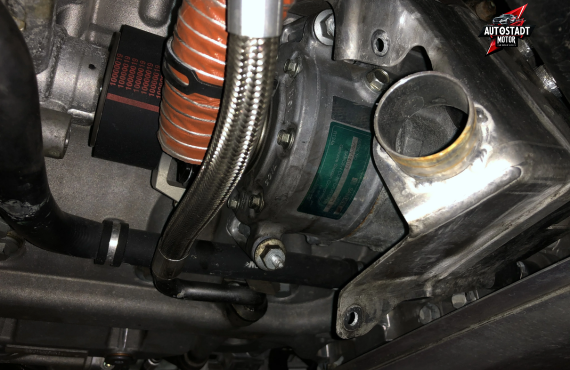
At AutoStadt Motor Services, the focus of McLaren water pump repair is to identify the source of the fault, assess related cooling components, and recommend the appropriate repair. Whether you drive a McLaren 570S, 720S, GT, or another model, investigating cooling-system warning signs early can help protect the engine and avoid more extensive repairs.
Signs Your Car Needs McLaren Water Pump Repair
A failing water pump does not always produce an obvious warning at first. In some cases, coolant may escape gradually; in others, circulation can deteriorate before the driver notices a significant change in engine temperature. Recognizing the following symptoms can help you arrange an inspection at the right time.
1. Coolant Leaking Beneath the Vehicle
One of the most recognizable signs of a potential water pump problem is coolant appearing beneath the engine bay or around the front of the vehicle.
Coolant may be brightly coloured, although its appearance varies according to the formulation used. You might notice a wet area after parking, dried residue around a cooling-system component, or a recurring reduction in the coolant level.
However, a puddle does not automatically confirm water pump failure. Radiator connections, hoses, expansion tanks, and other cooling-system components can also leak. A professional inspection is needed to identify the actual source before any parts are replaced.
2. Engine Temperature Rising Above Normal
The water pump helps circulate coolant so that heat can be transferred away from the engine. If circulation becomes inadequate, engine temperature may rise beyond its normal operating range.
You might notice a temperature warning, an unusual temperature reading, or a warning message on the instrument display. These symptoms should be taken seriously, particularly in Dubai’s hot weather.
If your McLaren displays an overheating warning, stop driving as soon as it is safe to do so and switch off the engine when appropriate. Continuing to operate an overheating engine can cause severe damage. Arrange professional assistance rather than attempting to drive to the workshop.
3. Coolant Level Keeps Dropping
A repeatedly falling coolant level is another reason to investigate the cooling system.
Although small changes may sometimes be associated with servicing or an earlier repair, ongoing coolant loss can indicate a leak. A damaged water pump seal, housing, or nearby connection may be responsible, depending on the design of the vehicle.
Simply adding coolant does not resolve the underlying problem. If the level continues to fall, the system should be pressure-tested where appropriate and inspected for external or other forms of coolant loss.
4. Unusual Noise From the Engine Area
A worn pump bearing or a problem affecting a pump’s drive mechanism may produce unusual noises.
Depending on the component and pump design, the sound may resemble a whine, grinding noise, or mechanical rumble. Nevertheless, similar noises can come from other engine accessories, belts, pulleys, or rotating components.
At AutoStadt Motor Services, the noise should be assessed alongside other evidence, including coolant condition, temperature behaviour, and visible signs of leakage. This helps avoid misidentifying a separate mechanical problem as water pump failure.
5. Coolant Odour or Dried Residue
A sweet or chemical-like smell around the engine bay may indicate that coolant is escaping and contacting a hot surface.
Dried deposits around a pump housing, hose connection, or nearby cooling component can also provide clues. In some cases, the leak may occur only when the engine is hot and the cooling system is pressurised, making it difficult to spot during a quick visual check.
Because coolant can be hot and pressurised, never remove a coolant cap while the engine is hot. Allow the vehicle to cool fully and have the system inspected safely.
6. Cooling-System Warning Messages
Modern McLaren vehicles use electronic monitoring to help identify abnormal operating conditions. Depending on the model, a warning may relate to engine temperature, coolant level, or another cooling-system fault.
A warning message does not necessarily prove that the water pump has failed. The issue could involve a sensor, thermostat, fan, electrical connection, or another component.
The correct response is to interpret the warning in conjunction with diagnostic information and a physical inspection.
Why Choose AutoStadt Motor Services for McLaren Water Pump Repair
Repairing a McLaren cooling system requires a careful approach because high-performance engines can be sensitive to overheating and incorrect servicing procedures. Choosing a workshop that prioritises diagnosis can help reduce unnecessary part replacement and identify related faults.
Model-Specific Cooling-System Assessment
McLaren models do not all use identical cooling-system layouts. Component location, pump design, coolant specifications, and service procedures can vary between vehicles.
The appropriate inspection should therefore take the exact model, model year, and engine configuration into account. This is particularly important when working with vehicles that have complex coolant routing or multiple cooling circuits.
Diagnosis Before Replacing Parts
A coolant leak near the water pump does not always originate from the pump itself. A hose, connector, seal, or adjacent component may be responsible.
AutoStadt Motor Services can assess the reported symptoms and inspect the relevant components before recommending a repair. This diagnostic-first approach helps the owner understand the fault instead of relying on assumptions.
Attention to Related Components
Replacing a faulty water pump may not solve the problem if another cooling-system issue remains.
For example, a defective thermostat can affect coolant temperature, while a radiator restriction or fan problem may reduce heat dissipation. Damaged hoses and leaking connections can also cause continued coolant loss.
A broader cooling-system assessment helps identify additional faults that could affect the result of the repair.
Suitable Coolant and Service Procedures
High-performance vehicles require the correct coolant specification and suitable servicing procedures. Using an incompatible coolant or an incorrect filling and bleeding process can create avoidable problems.
The vehicle’s manufacturer requirements should guide coolant selection, filling procedures, and any required system checks. These details matter when restoring dependable cooling performance.
Support for Dubai’s Driving Conditions
Dubai drivers may encounter long periods of stationary traffic, high ambient temperatures, and demanding driving conditions. Although a vehicle’s cooling system is designed to manage operating heat, an existing fault can reduce its ability to do so.
Addressing coolant leaks, pump faults, and related problems promptly helps protect the engine and supports reliable everyday use.
How Our McLaren Water Pump Repair Process Works
An effective repair follows a clear sequence, from understanding the initial symptoms to verifying the system after the work is completed. The exact steps depend on the vehicle and the fault identified.
Step 1: Review the Symptoms and Vehicle Details
The process begins by establishing what the driver has experienced.
Important details include whether the coolant level has dropped, whether the vehicle has overheated, whether warning messages have appeared, and whether unusual noises or leaks have been noticed.
The model, year, and engine specification are also important because McLaren cooling systems differ across the range.
Step 2: Inspect the Cooling System
The relevant cooling-system components are examined for leakage, damage, corrosion where applicable, and signs of abnormal operation.
The inspection may include the water pump area, coolant hoses, connections, expansion tank, radiator, thermostat-related components, and other accessible parts.
This stage helps establish whether the suspected problem is associated with the pump or another part of the cooling circuit.
Step 3: Perform Appropriate Diagnostic Tests
Depending on the symptoms, the technician may use a cooling-system pressure test, electronic diagnostics, temperature checks, or other suitable procedures.
A pressure test can help identify certain leaks, while diagnostic information may reveal temperature-related faults or electronic warnings. Not every problem can be confirmed by a single test, so the results should be considered together.
Step 4: Confirm the Water Pump Fault
Before recommending replacement, the available evidence should be reviewed to establish whether the water pump is faulty.
The problem may involve leakage from a seal or housing, mechanical wear, a pump-drive issue, or an electrical fault on a pump that uses electric operation.
If the pump is functioning correctly and the leak originates elsewhere, repairing the actual source may be the more appropriate solution.
Step 5: Repair or Replace the Affected Component
Once the fault has been confirmed, the required repair can be planned.
Depending on the vehicle, this may involve water pump replacement, related seal or connection work, or repair of another faulty cooling-system component. Any additional parts should be recommended based on their condition and the applicable service requirements.
Using suitable parts and following the correct installation procedures is important for dependable operation.
Step 6: Refill and Bleed the Cooling System as Required
After the repair, the cooling system must be serviced according to the vehicle’s requirements.
This may include filling with the specified coolant and carrying out the appropriate bleeding procedure to remove trapped air. The correct procedure is particularly important on complex cooling systems, where air pockets can interfere with circulation and temperature control.
Step 7: Verify the Repair
The final stage is to check that the repair has addressed the original fault.
Depending on the work performed, this may involve checking for leaks, confirming coolant levels, reviewing temperature behaviour, and verifying that relevant warning messages have cleared.
A final inspection provides greater confidence that the cooling system is operating as intended before the vehicle returns to regular use.
Preventive Maintenance After McLaren Water Pump Repair
Once a water pump has been repaired or replaced, ongoing maintenance can help identify developing problems before they become serious.
First, follow the maintenance schedule appropriate to your McLaren model. Routine inspections should consider coolant condition, hoses, connections, and other relevant cooling-system components.
Second, pay attention to changes rather than waiting for a major warning. A small coolant stain, a recurring drop in coolant level, or an unusual mechanical noise can justify an early inspection.
Third, use only the coolant specification recommended for the vehicle. Different manufacturers and models may require different formulations. A McLaren should not automatically be filled with the same coolant used in a Toyota, Nissan, BMW, or Mercedes-Benz simply because it is available.
Finally, never ignore an overheating warning. Continuing to drive can turn a repairable cooling-system fault into extensive engine damage. If overheating occurs, stop safely and arrange professional assistance.
Frequently Asked Questions About McLaren Water Pump Repair in Dubai
1. How do I know if my McLaren water pump needs repair?
Common warning signs include coolant leaking beneath the vehicle, a repeatedly dropping coolant level, engine temperature rising above normal, unusual noises from the engine area, or cooling-system warning messages. However, these symptoms can also result from a thermostat, radiator, hose, fan, or sensor fault. A professional inspection is necessary to confirm whether the water pump is responsible.
2. Can I drive my McLaren with a leaking water pump?
Driving with a suspected water pump leak is risky because coolant loss can reduce the engine’s ability to manage heat. If the vehicle is overheating, displays a serious temperature warning, or is losing coolant rapidly, stop driving as soon as it is safe and arrange recovery. Even if the temperature initially appears normal, a recurring leak should be investigated promptly rather than ignored.
3. How much does McLaren water pump repair cost in Dubai?
The cost depends on the McLaren model, the pump design, the location of the component, labour requirements, parts availability, and whether related components also need attention. A straightforward repair involving a connection may cost less than replacing a pump that requires extensive access work. AutoStadt Motor Services can assess the reported fault and provide a more relevant repair recommendation after inspecting the vehicle.
4. Should I replace the thermostat when replacing a McLaren water pump?
Not automatically. The thermostat and water pump perform different functions, although both affect engine temperature. If testing shows that the thermostat is faulty, replacement may be necessary. Otherwise, the decision should depend on the component’s condition, the manufacturer’s maintenance guidance, and the repair requirements for the particular model. Inspecting related components during the same service can help identify problems before the vehicle is returned to use.
5. How long does McLaren water pump repair take?
Repair time varies according to the model, pump location, parts availability, and complexity of the cooling system. Some repairs require relatively straightforward access, while others involve more extensive disassembly, coolant-system servicing, and post-repair checks. The workshop should confirm an estimated timeframe after identifying the fault and reviewing the work required. Allowing sufficient time for testing is important because the goal is to restore reliable cooling, not simply replace a component quickly.
Conclusion
McLaren water pump repair is an important part of maintaining engine reliability and protecting a high-performance vehicle from cooling-system damage. Coolant leaks, unusual mechanical noises, falling coolant levels, and temperature warnings can indicate a problem that deserves prompt attention.
However, these symptoms do not always mean the water pump itself has failed. A careful diagnosis can distinguish pump damage from problems involving hoses, thermostats, radiators, fans, seals, or other cooling-system components.
For McLaren owners in Dubai, early inspection is particularly valuable because high ambient temperatures can make an existing cooling-system fault more consequential. AutoStadt Motor Services can help assess cooling problems, identify the likely cause, and recommend suitable repair work based on the vehicle’s requirements.
If your McLaren is losing coolant, showing abnormal temperature readings, or displaying a cooling-system warning, arrange an inspection before the problem progresses. Addressing the fault promptly can help protect the engine, support dependable performance, and keep your vehicle ready for the road.


Leave a Comment