
McLaren oil leak repair is essential when your supercar develops oil spots beneath the engine, produces a burning-oil smell, or shows signs of declining engine oil levels. McLaren vehicles are engineered for high performance, combining powerful engines, advanced cooling arrangements, and carefully designed mechanical systems. Consequently, even a small oil leak deserves attention before it develops into a more serious mechanical problem.
For McLaren owners in Dubai, maintaining engine condition is especially important. High ambient temperatures, heavy traffic, frequent short journeys, and demanding driving conditions can place additional demands on engine lubrication and thermal management. Although these conditions do not automatically cause oil leaks, they make regular inspections and timely maintenance valuable.
An oil leak can originate from several areas, including engine gaskets, seals, oil lines, filter housings, drain plugs, or other lubrication-system connections. However, the location of an oil stain does not always reveal the original source because oil can travel across engine surfaces before dripping onto the ground.
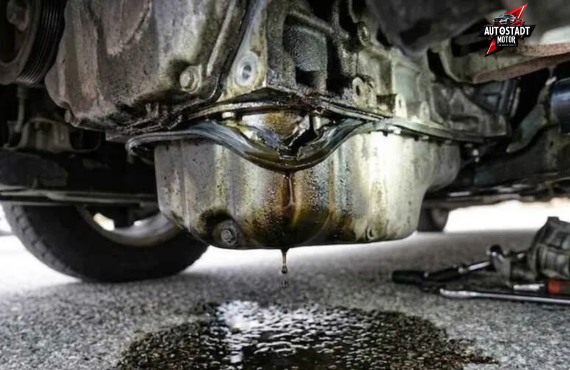
At AutoStadt Motor Services, the goal of McLaren oil leak repair is to identify the source of the leakage, assess the affected components, and recommend a suitable repair. Rather than relying on guesswork or repeatedly topping up engine oil, a proper inspection helps protect the engine and supports dependable vehicle performance.
Whether you drive a McLaren 570S, 720S, Artura, or another model, understanding the early warning signs can help you take action before a minor issue becomes an expensive repair.
Signs Your Car Needs McLaren Oil Leak Repair
Oil leaks do not always begin with a large puddle. In many cases, the first symptoms are subtle and become more noticeable over time. Recognizing these changes can help you arrange an inspection before the problem worsens.
1. Oil Spots Beneath the Vehicle
Fresh oil beneath your parked McLaren is one of the most recognizable warning signs. You may notice a small dark patch after parking in your garage or a larger stain after the vehicle has remained stationary for several hours.
The colour and consistency of leaked fluid can vary according to its age and condition. However, appearance alone cannot confirm whether the fluid is engine oil, transmission fluid, coolant, or another automotive fluid.
A technician should inspect the affected area and trace the fluid back to its source. This is particularly important on performance vehicles, where tightly arranged components can make the origin of a leak difficult to identify without suitable access.
2. Burning Oil Smell After Driving
A noticeable burning smell after a journey may indicate that engine oil is reaching a hot exhaust component or another heated surface.
For example, oil escaping from a gasket or leaking connection may spread onto nearby parts and produce an unpleasant smell as the engine warms up. The smell may become more obvious after driving in traffic or parking following a longer journey.
Although this symptom can have other causes, it should not be ignored. If smoke appears from the engine bay, stop in a safe location, switch off the engine, and seek professional assistance.
3. Engine Oil Level Drops Repeatedly
Checking the engine oil level according to the manufacturer’s recommended procedure can help identify a potential problem.
If the level repeatedly falls between scheduled maintenance intervals, an external oil leak may be responsible. However, oil consumption can also occur without an obvious external leak, so the diagnosis should distinguish between the two possibilities.
For McLaren vehicles, the correct oil specification and checking procedure depend on the particular model. Avoid adding an unsuitable oil simply because it is available.
4. Oil Residue Around the Engine
Not every leak leaves a visible puddle. Sometimes, a technician finds dampness or oily residue around a seal, gasket, oil filter housing, or connection.
This type of seepage may initially appear minor. Nevertheless, it can indicate that a sealing surface or component is beginning to deteriorate.
Identifying the source early may allow the workshop to address the problem before oil spreads to nearby components or the leak becomes more substantial.
5. Warning Messages on the Dashboard
A dashboard warning relating to engine oil pressure or oil level should always be taken seriously.
Low oil level and low oil pressure are not identical conditions. A leak can contribute to oil loss, but an oil-pressure warning may also indicate a lubrication problem that requires immediate attention.
If an oil-pressure warning appears while driving, safely stop the vehicle and switch off the engine as soon as it is safe to do so. Do not continue driving simply to reach a workshop, because insufficient lubrication can cause severe engine damage.
6. Oil Leaks After Recent Maintenance
If oil appears after an oil change or other engine service, the recently serviced area should be inspected.
Possible causes include an incorrectly fitted filter, a damaged sealing ring, a drain-plug sealing issue, or oil spilled during maintenance. These are possibilities rather than assumptions, so the relevant components should be checked before any repair is recommended.
Why Choose AutoStadt Motor Services for McLaren Oil Leak Repair
Repairing an oil leak involves more than cleaning the engine or replacing the first visibly wet component. The underlying cause must be established so that the repair addresses the actual fault.
Accurate Leak Diagnosis
At AutoStadt Motor Services, a systematic inspection can help determine where engine oil is escaping.
Depending on the vehicle and symptoms, the technician may examine accessible gaskets, seals, oil filter areas, drain-plug connections, lubrication lines, and surrounding engine components. Cleaning the affected area and rechecking it can also help distinguish an active leak from old residue.
This diagnostic approach reduces the risk of replacing components that are not responsible for the problem.
Repair Recommendations Suited to the Vehicle
A McLaren is not maintained in exactly the same way as a conventional family car. Its engine layout, component access, and model-specific requirements can influence how a repair should be approached.
The correct procedure depends on the particular vehicle, its service history, and the location of the leak. Where specialist procedures, equipment, or model-specific information are required, these should be followed rather than applying a generic repair method.
Attention to Engine Seals and Gaskets
Seals and gaskets help prevent engine oil from escaping at joints and component interfaces. Over time, heat exposure, ageing, installation issues, or other mechanical factors can affect their ability to maintain a proper seal.
A leak around one of these areas does not always mean the entire component needs replacement. Inspection can help determine whether a sealing element, connection, or larger assembly requires attention.
A Focus on Preventing Further Damage
Engine oil lubricates moving parts and helps manage friction and heat. If the oil level falls too far, the engine may not receive the lubrication it needs.
Addressing an oil leak promptly is therefore an important part of protecting the engine. At the same time, the repair should be based on the actual condition of the vehicle rather than unnecessary part replacement.
Professional Care for Dubai’s Performance-Car Owners
Dubai drivers may use their McLaren for daily journeys, weekend drives, or occasional performance-focused trips. Regardless of how frequently the vehicle is driven, an oil leak should be investigated before the car returns to regular use.
AutoStadt Motor Services can help assess the symptoms, identify the repair requirements, and explain the next steps to the owner.
How Our McLaren Oil Leak Repair Process Works
A structured repair process makes it easier to identify the source of an oil leak and confirm whether the problem has been resolved.
Step 1: Discuss the Symptoms and Service History
The inspection begins with information about when the leak appeared, how much oil seems to be escaping, and whether any recent maintenance or repairs have taken place.
Details such as a burning smell, dashboard warnings, visible oil spots, or a falling oil level can help narrow down the investigation.
The vehicle’s model and service history are also useful because different McLaren models may have different engine layouts and maintenance requirements.
Step 2: Inspect the Engine and Surrounding Areas
The technician examines the relevant engine areas for fresh oil, residue, damaged seals, or signs of leakage around connections.
Where necessary, suitable access procedures are used to inspect components that are not readily visible. The inspection should follow the manufacturer’s recommendations for the particular model.
Step 3: Trace the Oil to Its Original Source
Oil can travel away from the component where it first escapes. Therefore, the lowest or wettest point is not always the actual source.
The affected area may need to be cleaned before it can be checked again. Depending on the suspected leak, additional diagnostic methods may be required to identify the exact location.
This step is essential because replacing the wrong component may leave the original problem unresolved.
Step 4: Assess the Cause and Repair Requirements
Once the source is identified, the technician assesses the affected part and determines the appropriate repair.
For example, a leaking seal may require replacement, while a filter housing or damaged oil line may need a different solution. If the leak originates from a larger assembly, the repair may involve additional labour and model-specific procedures.
The proposed work should reflect the confirmed fault and the condition of the surrounding components.
Step 5: Carry Out the Repair
The repair is performed using suitable parts, tools, and procedures for the vehicle.
Depending on the diagnosis, this may involve replacing a gasket, renewing a seal, correcting a connection, or repairing another part of the engine lubrication system.
The correct engine oil specification and service procedure should be followed whenever the repair requires draining, refilling, or checking the oil.
Step 6: Check the Repair and Oil Level
After the repair, the affected area is inspected again to look for signs of continuing leakage.
The engine oil level is checked according to the model-specific procedure. Where appropriate, the vehicle may be operated under controlled conditions before a further inspection is performed.
If the original leak has stopped and the relevant checks are satisfactory, the vehicle can be assessed for return to service. Any remaining warning signs should be investigated rather than overlooked.
McLaren Oil Leak Prevention Tips for Dubai Drivers
Preventive maintenance can help identify developing problems before they lead to an unexpected breakdown or costly repair.
First, follow the maintenance schedule and oil-checking procedure specified for your particular McLaren. Avoid relying on generic service intervals without considering the model, driving pattern, and manufacturer’s recommendations.
Second, pay attention to changes in the vehicle’s usual behaviour. Fresh oil marks, unfamiliar smells, or repeated changes in oil level are reasons to investigate. A small amount of visible residue should not automatically be treated as harmless, particularly if it continues to return after cleaning.
Third, ensure that servicing is carried out using the correct oil specification and suitable replacement parts. Incorrect installation or unsuitable sealing components can contribute to leakage.
Finally, arrange an inspection after any significant oil leak or oil-pressure warning. Continuing to drive a vehicle with inadequate lubrication can turn a manageable repair into major engine damage.
These principles apply to many vehicles, including the BMW M4, Mercedes-AMG models, Porsche 911, and Toyota performance models. However, each vehicle still requires maintenance procedures appropriate to its own design.
Frequently Asked Questions About McLaren Oil Leak Repair in Dubai
1. What causes oil leaks in McLaren vehicles?
Common possibilities include worn or damaged seals, deteriorated gaskets, leaking oil lines, filter housing problems, drain-plug sealing issues, or other lubrication-system connections. The exact cause depends on the model, engine configuration, service history, and condition of the affected components. A professional inspection is necessary to identify the source rather than relying on the location of an oil spot alone.
2. Is it safe to drive a McLaren with an engine oil leak?
That depends on the severity of the leak and whether the engine oil level or pressure is affected. A minor seepage may not cause immediate symptoms, but it still needs assessment. If oil is leaking heavily, smoke appears, or an oil-pressure warning activates, stop safely, switch off the engine, and arrange professional assistance. Driving with insufficient lubrication can cause serious engine damage.
3. How much does McLaren oil leak repair cost in Dubai?
The cost varies according to the source of the leak, the model, the accessibility of the affected component, the required parts, and the labour involved. Replacing an accessible seal may be less complicated than repairing a leak that requires extensive component removal. An accurate estimate should follow a diagnosis so the recommended work reflects the actual problem.
4. Can an oil leak damage other parts of my McLaren?
Yes, depending on where the oil escapes and how much is leaking. Oil may reach hot surfaces, create smoke or burning smells, contaminate nearby components, or reduce the amount of oil available for engine lubrication. The consequences depend on the leak’s location and severity. Prompt inspection can help limit further damage and establish whether surrounding components also need attention.
5. How long does McLaren oil leak repair take?
Repair time depends on the location of the leak and the work required to reach the affected component. An accessible connection may be relatively straightforward to address, while a leak involving a difficult-to-access seal or larger assembly may require considerably more time. Parts availability and any additional faults discovered during inspection can also affect the schedule. A workshop can provide a more reliable estimate after examining the specific vehicle.
Conclusion
McLaren oil leak repair is an important part of maintaining engine reliability, particularly when you notice oil spots, a burning smell, unexplained oil loss, or an engine oil warning. Although some leaks begin as minor seepage, ignoring them can allow the condition to worsen and potentially affect engine lubrication.
The most effective approach is to identify the original source, assess the affected components, and carry out a repair that suits the vehicle’s design. Simply cleaning away oil or repeatedly topping up the engine does not resolve an underlying leak.
For McLaren owners in Dubai, AutoStadt Motor Services offers a professional approach to oil leak inspection and repair, helping drivers understand the fault and the work required to address it.
If your McLaren is showing signs of an engine oil leak, arrange an inspection before the issue develops further. Timely diagnosis and appropriate repairs can help protect your investment and support the performance and reliability you expect from a high-performance vehicle.


Leave a Comment