
McLaren radiator repair is essential when your supercar develops coolant leaks, rising engine temperatures, warning messages, or reduced cooling performance. McLaren vehicles are engineered for exceptional performance, but their powerful engines also depend on an efficient cooling system to maintain suitable operating temperatures during everyday driving and demanding conditions.
In Dubai, a properly functioning radiator is particularly important. High ambient temperatures, traffic congestion, frequent stops, and limited airflow during slow driving can place additional demands on the engine cooling system. If the radiator becomes damaged, blocked, or unable to dissipate heat effectively, the engine may struggle to maintain its normal operating temperature.
McLaren cooling systems are designed around the requirements of specific models and powertrains. Depending on the vehicle, cooling components may include radiators, coolant hoses, expansion tanks, cooling fans, thermostats, pumps, and additional heat exchangers. A problem in one part can affect the performance of the entire system.
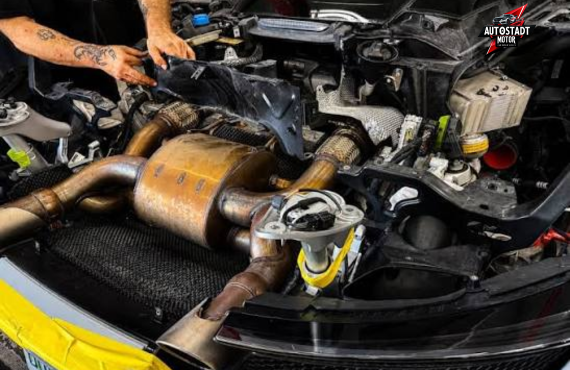
At AutoStadt Motor Services, McLaren radiator repair begins with identifying the source of the cooling problem. Rather than assuming that every overheating issue requires a new radiator, the appropriate diagnostic process helps determine whether the fault involves a leak, restricted coolant flow, a damaged component, or another cooling-system issue.
Whether you drive a McLaren 570S, 720S, GT, Artura, or another model, early inspection can help protect important engine components and reduce the risk of more extensive repairs.
Signs Your Car Needs McLaren Radiator Repair
Radiator problems do not always begin with dramatic overheating. Sometimes, the first indication is a small coolant leak or a gradual change in temperature. Recognizing these signs early can help you respond before the problem becomes more serious.
1. Engine Temperature Rises Above Normal
An engine temperature warning is one of the most important signs of a cooling-system problem.
If your McLaren’s temperature rises unexpectedly, the radiator may not be transferring heat effectively. However, the same symptom can result from a faulty thermostat, water pump, cooling fan, coolant circulation problem, or another component.
Do not continue driving simply because the temperature warning disappears temporarily. If the vehicle overheats, stop in a safe place, switch off the engine when appropriate, and arrange professional assistance. Continuing to drive an overheating supercar can cause significant engine damage.
2. Coolant Leaks Beneath the Vehicle
Brightly coloured or otherwise noticeable fluid beneath your McLaren may indicate a coolant leak, although fluid colour alone cannot confirm its source.
Leaks can develop from the radiator core, end tanks, hoses, joints, seals, or nearby cooling components. In some cases, coolant may collect on underbody panels before reaching the ground, making the leak difficult to locate.
At AutoStadt Motor Services, an inspection can help distinguish a radiator leak from coolant escaping elsewhere in the system. Identifying the exact source is important because replacing the radiator will not solve a leak originating from a damaged hose or connection.
3. Coolant Level Keeps Dropping
If the coolant level repeatedly falls, the system should be checked for leakage or another fault.
A small leak may initially cause no obvious change in driving performance. Nevertheless, continued coolant loss reduces the amount of fluid available to carry heat away from the engine.
Avoid repeatedly topping up the coolant without investigating why the level is falling. The correct coolant specification and filling procedure depend on the vehicle, so follow the manufacturer’s requirements and never open a hot, pressurised cooling system.
4. Steam or a Sweet Smell From the Engine Area
Steam coming from the engine compartment can indicate coolant escaping onto hot surfaces. Some coolant formulations also produce a distinctive sweet smell.
This symptom requires caution. Steam may signal an active leak or overheating, and opening the cooling system while it is hot can cause serious burns.
If you notice steam, stop safely and arrange an inspection rather than attempting an immediate roadside repair.
5. Cooling Fan Operates Unusually
If cooling fans run more frequently than expected, remain active unusually long, or appear not to operate when required, the cooling system may need attention.
Fan operation depends on factors such as coolant temperature, vehicle speed, air-conditioning demand, and the car’s control strategy. Therefore, fan behaviour should be assessed in context instead of automatically being treated as a radiator failure.
6. Visible Radiator Damage or Restricted Airflow
Road debris, accumulated dirt, or physical damage can affect radiator performance. Depending on the McLaren model, the location and arrangement of cooling components may differ.
Bent fins, damaged cooling surfaces, signs of leakage, or restrictions affecting airflow can reduce heat transfer. Since radiator access and inspection requirements vary between vehicles, a suitable inspection method should be selected for the specific model.
Why Choose AutoStadt Motor Services for McLaren Radiator Repair
A high-performance vehicle deserves a repair process based on evidence, careful inspection, and the requirements of its particular cooling system. Choosing the right diagnostic approach can help avoid unnecessary parts replacement and recurring problems.
Accurate Cooling-System Diagnosis
Overheating does not automatically mean the radiator has failed.
The underlying cause could be a coolant leak, thermostat issue, pump malfunction, fan fault, restricted passage, or another cooling-system problem. Replacing the radiator without identifying the actual fault may leave the original symptom unresolved.
AutoStadt Motor Services focuses on assessing the symptoms and inspecting the relevant components before recommending a repair.
Model-Specific Repair Planning
McLaren vehicles differ in their engine configurations, cooling layouts, component access, and service requirements.
A repair approach suitable for a McLaren GT may not be identical to the process required for a 720S or Artura. Identifying the exact model and specification helps determine which components need inspection and what repair procedure is appropriate.
Attention to Related Cooling Components
A radiator operates as part of a larger system. Even when a leak is confirmed, surrounding hoses, connections, coolant circulation, and other relevant components may also need examination.
This wider inspection is important because a second fault can undermine the effectiveness of an otherwise successful radiator repair.
Suitable Parts and Coolant Specifications
High-performance cooling systems require components and fluids that meet the vehicle manufacturer’s requirements.
Using an unsuitable coolant or an incompatible replacement part can create additional problems. The correct specification should be confirmed for the individual vehicle rather than selected simply because the product is described as suitable for sports cars.
A Practical Approach for Dubai Owners
Supercars may be driven regularly, used for weekend outings, or kept for special occasions. Regardless of usage, a cooling-system fault can disrupt the vehicle’s reliability.
AutoStadt Motor Services helps drivers assess radiator and cooling concerns so that the required work can be identified before a minor issue develops into a more disruptive problem.
How Our McLaren Radiator Repair Process Works
A reliable repair process should establish the cause of the problem, address the affected component, and verify the system’s operation afterward.
Step 1: Review the Symptoms and Vehicle Details
The first step is to understand what the driver has experienced.
Relevant information includes temperature warnings, coolant loss, visible leaks, steam, unusual fan behaviour, and whether the problem appeared suddenly or developed gradually.
The McLaren model, model year, and relevant vehicle specifications are also important because cooling-system layouts and repair procedures can differ.
Step 2: Inspect the Cooling System
The technician examines accessible cooling-system components for signs of damage, leakage, corrosion, or other abnormalities.
Depending on the symptoms and model, this may include the radiator, coolant hoses, connections, expansion tank, cooling fans, thermostat-related components, and other parts of the cooling circuit.
The purpose is to narrow down the possible causes before deciding which component requires further testing.
Step 3: Locate the Source of Coolant Loss
If a leak is suspected, the affected area must be identified accurately.
An appropriate pressure test may help reveal leakage that is not immediately visible. The testing method and pressure must follow the vehicle’s service requirements.
The inspection can help distinguish a damaged radiator from a leaking hose, connection, reservoir, or other cooling-system component.
Step 4: Determine Whether the Radiator Can Be Repaired
Once the source has been identified, the radiator’s condition is assessed.
The appropriate solution depends on the location and extent of the damage, the radiator’s construction, parts availability, and the manufacturer’s requirements. In some cases, replacement may be more suitable than repair, particularly when damage is extensive or a reliable repair cannot be established.
The decision should be based on the actual condition of the component rather than assuming that every radiator can or should be repaired.
Step 5: Carry Out the Required Work
After the diagnosis, the necessary repair or replacement can proceed.
This may involve addressing a confirmed radiator leak, replacing a damaged radiator, renewing a faulty hose or connection, or correcting another problem affecting coolant circulation.
The correct coolant specification, filling procedure, and any model-specific service requirements must be followed. Where required, the system should also be bled using the appropriate procedure to remove trapped air.
Step 6: Check Cooling Performance After Repair
Completing the physical repair is only part of the job. The cooling system must also be checked to confirm that it operates correctly.
Depending on the work performed, this may include checking for leaks, verifying coolant level, assessing temperature behaviour, and confirming the operation of relevant cooling components.
If the original problem involved overheating, the underlying cause should be addressed rather than simply clearing the warning message.
McLaren Radiator Maintenance Tips for Dubai Conditions
Preventive maintenance can help identify cooling problems before they become urgent.
First, pay attention to the vehicle’s temperature warnings. A new warning or unusual temperature behaviour should not be dismissed, even if the car appears to return to normal shortly afterward.
Second, check for signs of coolant loss when the vehicle is parked and cool. Repeated drops in the coolant level warrant investigation. Never remove the coolant reservoir cap when the system is hot or pressurised.
Third, keep up with the vehicle’s recommended maintenance schedule. Inspections can help identify damaged hoses, deteriorating connections, or other issues that may affect cooling performance.
Airflow also matters. Dirt and debris around accessible cooling inlets can affect heat exchange, although cleaning should be performed carefully to avoid damaging delicate fins or components.
Finally, avoid assuming that every coolant-related issue has the same cause. A Toyota, Nissan, BMW, Mercedes-Benz, and McLaren can all experience cooling-system faults, but their components, specifications, and repair procedures differ.
Frequently Asked Questions About McLaren Radiator Repair in Dubai
1. How do I know if my McLaren radiator needs repair?
Possible warning signs include coolant leaking beneath the vehicle, repeated coolant loss, overheating, steam, or visible radiator damage. However, these symptoms can also result from other cooling-system faults. A proper inspection is needed to confirm whether the radiator itself is responsible and determine whether repair or replacement is the appropriate solution.
2. How much does McLaren radiator repair cost in Dubai?
The cost depends on the McLaren model, the location and extent of the damage, component accessibility, parts availability, and whether related cooling-system components also require attention. A minor leak involving a replaceable connection can involve a different amount of work from replacing a damaged radiator. An inspection followed by a clear repair estimate is the best way to understand the likely cost for your vehicle.
3. Can I drive my McLaren if the radiator is leaking?
Driving with a coolant leak is risky because the coolant level may fall and engine temperature can rise. If the vehicle overheats, displays a serious temperature warning, or produces steam, stop safely and arrange professional assistance. Continuing to drive may lead to costly engine damage. Even when a leak appears minor, it is better to have the system assessed promptly instead of relying on repeated coolant top-ups.
4. Should I repair or replace my McLaren radiator?
The correct decision depends on the type of damage, the radiator’s construction, the condition of the affected area, and the manufacturer’s repair requirements. Limited damage may sometimes be repairable, while extensive damage or an unreliable repair option may make replacement more appropriate. A technician should assess the component and explain the practical options before work begins.
5. How can I prevent radiator problems in Dubai?
Follow the recommended maintenance schedule, respond promptly to temperature warnings, and arrange an inspection if coolant levels repeatedly drop. Keeping cooling inlets free from excessive debris can also help maintain airflow, provided cleaning is carried out safely. Because Dubai’s high temperatures can increase cooling-system demands, addressing early signs of leakage or reduced cooling performance is particularly important for high-performance vehicles.
Conclusion
McLaren radiator repair is an important part of protecting a high-performance vehicle from cooling-system failure. Coolant leaks, rising engine temperatures, steam, and repeated coolant loss should be investigated promptly rather than treated as minor inconveniences.
The most effective repair begins with accurate diagnosis. By checking the radiator alongside the relevant hoses, connections, fans, pumps, and other cooling components, a technician can identify the underlying fault and recommend an appropriate solution.
For McLaren owners in Dubai, early attention is especially valuable because high ambient temperatures and stop-and-go traffic can place additional demands on the cooling system. AutoStadt Motor Services can help assess radiator concerns, identify cooling-system problems, and determine the repair work required for the specific vehicle.
If your McLaren is losing coolant, showing temperature warnings, or displaying signs of radiator damage, arrange a professional inspection before continuing to use the vehicle. Prompt attention can help reduce the risk of further damage and support reliable performance on Dubai’s roads.


Leave a Comment