
McLaren coolant leak repair is essential when your supercar starts losing coolant, develops unusual temperature fluctuations, or leaves coloured fluid beneath the vehicle. Although a small coolant leak may initially appear manageable, ignoring it can lead to overheating, reduced engine performance, and potentially expensive engine damage.
McLaren vehicles are engineered for high performance, with powerful engines and carefully designed cooling systems. Models such as the McLaren 570S, 600LT, 720S, and Artura have specific engineering requirements, so diagnosing a coolant leak requires an approach suited to the vehicle rather than a generic repair procedure.
For McLaren owners in Dubai, maintaining the cooling system is especially important. High ambient temperatures, heavy traffic, and repeated stop-and-go driving can place additional demands on the engine cooling system. A leak that goes unnoticed during a short journey may become more serious when the vehicle operates under higher thermal loads.
At AutoStadt Motor Services, McLaren coolant leak repair begins with identifying the source of coolant loss and evaluating the condition of the affected components. Depending on the vehicle and the fault, the problem may involve a hose, radiator, expansion tank, water pump, thermostat housing, seal, or another part of the cooling circuit.
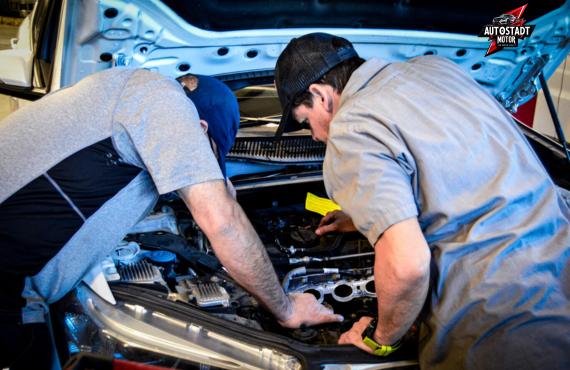
The objective is to address the actual cause, restore reliable coolant circulation, and reduce the risk of recurring problems. If your McLaren is losing coolant or displaying an engine temperature warning, arranging an inspection promptly is a sensible step toward protecting your investment.
Signs Your Car Needs McLaren Coolant Leak Repair
Coolant leaks do not always produce an obvious puddle. In some cases, the first indication is a warning light, an unusual smell, or a gradual change in coolant level. Recognising these symptoms can help you arrange an inspection before the problem becomes more serious.
1. Coolant Level Drops Repeatedly
One of the clearest indications of a possible leak is a coolant level that keeps falling between inspections.
If your McLaren requires repeated coolant top-ups, the cooling system should be checked for leakage. Coolant may escape through a damaged hose, a loose connection, a leaking radiator, a failing water pump seal, or another component.
However, coolant loss is not always visible on the ground. Fluid can evaporate from a hot surface, collect on underbody panels, or escape only when the system is pressurised.
A professional inspection can help determine whether the vehicle has an external leak or another cooling-system fault.
2. Engine Temperature Rises Above Normal
An engine temperature warning should never be ignored. Coolant removes heat from the engine, and insufficient coolant can interfere with effective heat transfer.
If the temperature rises unexpectedly, particularly during traffic or after a longer drive, a leak may be contributing to the problem. Nevertheless, a faulty thermostat, water pump, radiator fan, or other component can produce similar symptoms.
If your McLaren overheats, stop in a safe place and switch off the engine. Do not continue driving in the hope that the temperature will return to normal.
3. Sweet Smell Around the Vehicle
Many engine coolants have a distinctive sweet smell. If you notice this odour around the engine bay or after parking, coolant may be escaping and contacting warm components.
The smell alone does not confirm the location of the leak. It should instead be treated as a reason to inspect the cooling system, especially when accompanied by falling coolant levels or temperature fluctuations.
Avoid touching hot components or attempting to inspect a pressurised cooling system while the engine is hot.
4. Fluid Beneath the Car
A puddle beneath the vehicle may indicate coolant loss, although the colour and appearance of automotive fluids can vary.
Depending on the coolant specification, the fluid may appear pink, orange, green, blue, or another colour. These colours are not reliable enough to identify the fluid or its exact source on their own.
If you notice fresh fluid beneath your McLaren, arrange a proper inspection rather than assuming it is harmless condensation.
5. Visible Residue Around Cooling Components
Some leaks leave dried deposits or residue around hose connections, the radiator, expansion tank, or other cooling-system components.
A leak may become more noticeable after the engine has warmed up because pressure and temperature affect how fluid escapes from a damaged connection or seal.
At AutoStadt Motor Services, the inspection focuses on locating the original source of the residue instead of replacing a nearby component based only on its appearance.
6. Reduced Performance or Repeated Warning Messages
A cooling-system problem can affect the vehicle’s ability to maintain its normal operating temperature. Depending on the fault, the car may display a warning, restrict performance, or require the driver to stop.
These symptoms should be treated seriously in a high-performance vehicle. A cooling problem can progress quickly under demanding conditions, so early diagnosis is preferable to waiting for a complete failure.
Why Choose AutoStadt Motor Services for McLaren Coolant Leak Repair
Repairing a McLaren cooling system requires more than finding a wet hose or adding coolant. The source of the leak, the condition of the cooling circuit, and the vehicle’s specific requirements all need to be considered.
Accurate Coolant Leak Diagnosis
At AutoStadt Motor Services, the aim is to identify the cause of coolant loss before recommending a repair.
Depending on the symptoms and vehicle specification, inspection may include coolant hoses, pipe connections, radiator areas, the expansion tank, water pump, thermostat housing, seals, and other accessible cooling components.
Where appropriate, a controlled cooling-system pressure test can help reveal leaks that are difficult to see during a visual inspection. The test must follow the applicable vehicle procedure and pressure limits.
Repairs Suited to McLaren Engineering
McLaren vehicles use specialised designs, and access to cooling components can vary between models.
The repair procedure should therefore account for the specific model, engine configuration, component layout, and manufacturer’s requirements. This is particularly important when a leak is located in an area that requires substantial dismantling to reach.
Attention to Related Cooling Components
A coolant leak may not be the only issue affecting engine temperature.
For example, a leaking hose may occur alongside a damaged connection, while overheating without a visible leak could indicate a circulation problem or a faulty thermostat. Checking the related components helps prevent an incomplete repair.
The same diagnostic principle applies to other performance vehicles, including Porsche 911 models, BMW M cars, and Mercedes-AMG vehicles, although their components and repair procedures differ.
Correct Coolant Specification
Using the appropriate coolant matters because different vehicles may require specific formulations and service procedures.
Mixing incompatible coolant types or using an unsuitable product can create problems with corrosion protection and cooling-system performance. The correct specification should be confirmed for the individual McLaren rather than selected by colour alone.
Clear Repair Recommendations
A minor hose leak and a leak involving a major cooling component can require very different levels of work.
Identifying the actual fault helps establish what needs attention and which components should be evaluated further. This allows the owner to make a more informed decision before authorising the repair.
For McLaren owners in Dubai, the priority is to restore dependable cooling without overlooking the underlying reason for the coolant loss.
How Our McLaren Coolant Leak Repair Process Works
A structured diagnostic process helps ensure that the repair addresses the original problem rather than only its visible symptoms.
Step 1: Discuss the Symptoms
The process begins with information about the vehicle’s behaviour.
The technician may ask whether the coolant level has dropped, whether a warning message appeared, when the leak was first noticed, and whether the engine temperature has changed during driving.
Details about recent servicing or previous cooling-system repairs can also be useful.
Step 2: Inspect the Cooling System
The vehicle is inspected for visible coolant residue, wet connections, damaged hoses, and other signs of leakage.
The expansion tank, radiator area, coolant pipes, water pump area, and other relevant components are assessed according to the vehicle’s design.
Because some McLaren cooling components may be difficult to access, further inspection or component removal may be necessary to confirm the source.
Step 3: Test for Leaks
When suitable, a cooling-system pressure test can help identify a leak that is not immediately visible.
The system is tested according to the appropriate procedure, allowing the technician to inspect suspect areas for escaping coolant. Other diagnostic methods may be required if the leak occurs only under particular operating conditions.
The purpose is to gather evidence before deciding which part needs repair or replacement.
Step 4: Evaluate the Fault and Related Components
Once the leak is located, the affected component is evaluated.
A deteriorated hose may require replacement, while a damaged radiator, expansion tank, seal, or water pump may need a different solution. The technician also considers whether the engine has experienced overheating and whether related components require additional checks.
This stage helps distinguish a straightforward leak from a problem that has affected the wider cooling system.
Step 5: Complete the Required Repair
The appropriate repair is then carried out based on the confirmed fault.
Depending on the findings, this may involve replacing a hose, correcting a connection, repairing or replacing a leaking component, or addressing another cooling-system issue.
The correct coolant specification and service procedure must be followed. If the system needs draining or refilling, it should also be filled and bled according to the vehicle’s requirements to help prevent trapped air from affecting coolant circulation.
Step 6: Verify Cooling-System Performance
After the repair, the system is checked again for leakage and proper operation.
Where applicable, the coolant level is verified, the system is inspected for signs of continuing fluid loss, and relevant temperature behaviour is assessed using the appropriate diagnostic procedure.
If the vehicle has overheated, additional checks may be needed before it is considered ready for normal use.
McLaren Cooling System Maintenance for Dubai Conditions
Preventive maintenance is particularly valuable for a high-performance vehicle. Although routine checks cannot eliminate every possible failure, they can help identify warning signs before a leak develops into a major problem.
First, pay attention to the coolant level and any change from its usual condition. If the level repeatedly falls, investigate the cause rather than making repeated top-ups part of the normal routine.
Second, do not ignore temperature warnings. Dubai’s hot weather can make an existing cooling-system weakness more noticeable, particularly during slow-moving traffic or extended journeys. However, overheating should never be dismissed as a normal consequence of the weather.
Third, follow the maintenance schedule and coolant specification applicable to your exact McLaren model. Service requirements can differ between vehicles, so general advice should not replace the manufacturer’s instructions.
Finally, arrange an inspection if you notice a sweet smell, visible residue, fluid beneath the vehicle, or a new temperature warning. A Toyota Land Cruiser, Nissan Patrol, or Tesla may have different cooling-system requirements, but the basic principle remains the same: unexplained fluid loss or overheating requires diagnosis.
Frequently Asked Questions About McLaren Coolant Leak Repair in Dubai
1. How do I know if my McLaren has a coolant leak?
Common signs include a falling coolant level, fluid beneath the vehicle, a sweet smell around the engine bay, visible residue near cooling components, or an engine temperature warning. Some leaks occur only when the cooling system is hot or pressurised, so they may not leave a noticeable puddle. If you suspect a leak, arrange an inspection and avoid driving the vehicle if it is overheating.
2. Can I drive my McLaren with a coolant leak?
Driving with a coolant leak is risky because coolant loss can lead to overheating and serious engine damage. The level of risk depends on the location and severity of the leak, but it is difficult to judge safely without an inspection. If the engine temperature rises, a warning appears, or coolant is escaping rapidly, stop safely, switch off the engine, and arrange recovery rather than continuing to drive.
3. What causes coolant leaks in McLaren vehicles?
Potential causes include damaged or deteriorated hoses, loose or faulty connections, radiator leaks, expansion tank problems, water pump seal failure, and leaks around other cooling-system components. The precise cause depends on the vehicle’s model, age, condition, and service history. A pressure test and component inspection, when appropriate, can help identify the source and determine the required repair.
4. How much does McLaren coolant leak repair cost in Dubai?
The cost depends on the affected component, the location of the leak, parts availability, and the labour required to access and repair it. A hose replacement may involve less work than a leak from a difficult-to-access cooling component. If overheating has occurred, additional diagnostic checks may also be necessary. AutoStadt Motor Services can assess the problem and recommend a suitable repair after the fault has been identified.
5. Why does my McLaren keep losing coolant after a refill?
Repeated coolant loss suggests that the underlying issue may not have been resolved. A leak may be hidden behind a component or underbody panel, or it may appear only when the system reaches operating temperature. Other cooling-system faults may also need investigation. Simply refilling the coolant does not repair a leak. The system should be inspected to locate the source, confirm the correct coolant specification, and verify the repair afterward.
Conclusion
McLaren coolant leak repair is essential when your vehicle shows signs of fluid loss, unusual engine temperatures, or other cooling-system symptoms. Because McLaren vehicles are engineered for high performance, maintaining the correct coolant level and dependable circulation is important for protecting the engine and supporting reliable operation.
For Dubai owners, early diagnosis can help prevent a minor leak from becoming a more extensive repair. Whether the issue involves a hose, radiator, expansion tank, water pump, seal, or another cooling component, the correct solution begins with identifying the actual source.
AutoStadt Motor Services offers inspection and repair support for coolant leaks and related cooling-system concerns. If your McLaren is losing coolant, leaving fluid beneath the vehicle, or displaying an engine temperature warning, arrange an inspection promptly. Addressing the problem before further damage occurs is a practical way to protect your vehicle and maintain confidence on the road.


Leave a Comment