
Mercedes evaporator change is an important repair when your vehicle’s air conditioning system develops persistent cooling problems, refrigerant leaks, or unpleasant smells that cannot be resolved through routine servicing. The AC evaporator is a key component responsible for absorbing heat from the cabin air, allowing the system to deliver the cool airflow you expect from your Mercedes-Benz.
In Dubai, where high outdoor temperatures make reliable air conditioning essential, an evaporator fault can quickly affect everyday driving comfort. Whether you drive a Mercedes-Benz C-Class, E-Class, S-Class, GLC, or GLE, a properly functioning AC system helps maintain a comfortable cabin during daily commutes, school runs, and long journeys.
However, evaporator problems are not always easy to identify. Unlike an exposed AC component, the evaporator is generally located inside the dashboard area, within the HVAC housing. Consequently, refrigerant leaks or internal contamination may develop without an obvious external sign.
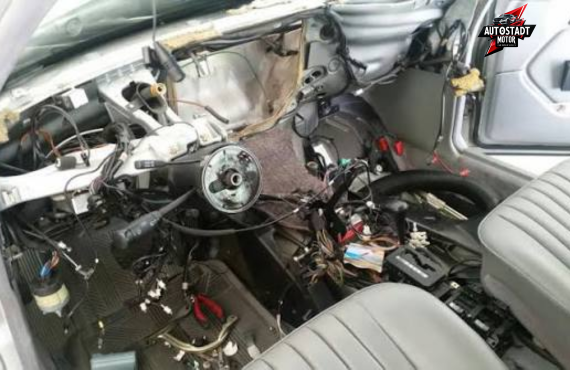
At AutoStadt Motor Services, Mercedes AC problems should be approached through proper diagnosis before expensive components are replaced. If the evaporator is leaking, damaged, or contaminated beyond effective cleaning, replacement may be the appropriate solution. The aim is to restore cooling performance, address the underlying fault, and help prevent the same problem from returning.
Signs Your Car Needs Mercedes Evaporator Change
An evaporator fault can produce symptoms similar to other air-conditioning problems. Therefore, identifying the warning signs is useful, but confirming the cause requires a suitable inspection.
1. Weak or Inconsistent AC Cooling
One of the first symptoms is air that does not become sufficiently cold, even when the temperature is set to its lowest setting.
A damaged or leaking evaporator can reduce refrigerant availability and affect the system’s ability to absorb heat. You may notice that the cabin takes longer to cool or that the AC struggles during Dubai’s hottest hours.
Nevertheless, weak cooling does not automatically mean the evaporator has failed. Low refrigerant caused by a leak elsewhere, a faulty compressor, a restricted condenser, or an expansion valve problem can create similar symptoms.
A professional Mercedes AC inspection helps distinguish an evaporator fault from other causes.
2. Refrigerant Leakage Inside the AC System
The evaporator contains refrigerant that circulates through the air-conditioning system. If corrosion, physical damage, or deterioration causes a leak, refrigerant can escape from the component.
Because the evaporator is hidden inside the HVAC assembly, the leak may not leave a visible puddle beneath the car. Instead, the system may gradually lose cooling performance or repeatedly show signs of low refrigerant.
If your Mercedes AC requires repeated refrigerant top-ups, the source of the loss should be identified rather than continuing to refill the system.
3. Unpleasant Smell From the Air Vents
A musty or unpleasant smell when switching on the AC may indicate moisture, microbial growth, or contamination around the evaporator and drainage area.
During normal operation, moisture condenses on the evaporator surface and should drain away correctly. If moisture remains trapped or dirt accumulates, unwanted odours may develop.
In many cases, cleaning the evaporator area, servicing the drainage system, or replacing the cabin filter may help. However, if the evaporator is damaged or severely contaminated, additional repair work may be necessary.
4. AC Cooling Improves Temporarily After Servicing
If your Mercedes air conditioning works well immediately after servicing but gradually becomes weak again, the system may have an unresolved refrigerant leak.
The evaporator is one possible source, although hoses, seals, condenser connections, and other refrigerant-carrying components must also be considered.
Repeatedly recharging the AC without identifying the leak can increase maintenance costs without delivering a lasting solution. A proper leak diagnosis helps determine whether Mercedes evaporator replacement is genuinely required.
5. Refrigerant Leak Detected Near the HVAC Housing
A technician may identify evidence of refrigerant leakage around the evaporator or associated HVAC components during testing.
Depending on the vehicle and available diagnostic equipment, leak detection may involve suitable electronic equipment, approved leak-detection methods, or other procedures recommended for the system.
Because the evaporator is difficult to access, confirming the fault before dismantling the dashboard is particularly important.
6. AC Performance Changes Without an Obvious External Leak
Sometimes, the AC becomes less effective even though no fluid is visible underneath the vehicle.
This is possible because refrigerant leaks do not necessarily produce the type of visible liquid leak associated with engine oil or coolant. The system may lose refrigerant gradually while the evaporator remains hidden behind dashboard components.
If other likely causes have been investigated, the evaporator may need closer examination.
Why Choose AutoStadt Motor Services for Mercedes Evaporator Change
Replacing a Mercedes evaporator can involve considerably more work than changing an accessible AC component. The evaporator is usually positioned inside the dashboard’s HVAC assembly, meaning that access, diagnosis, and careful reassembly are important parts of the repair.
Accurate Diagnosis Before Replacement
At AutoStadt Motor Services, the first priority is to establish whether the evaporator is actually responsible for the cooling problem.
The technician may assess refrigerant pressure, inspect system performance, check for leakage, and examine other relevant AC components. This helps avoid replacing the evaporator when the real fault is a condenser leak, compressor issue, faulty expansion valve, or damaged connection.
Accurate diagnosis is particularly valuable because evaporator replacement can involve substantial labour.
Mercedes-Specific Repair Considerations
Mercedes-Benz vehicles differ in dashboard design, HVAC layout, and AC system configuration. The procedure for a C-Class may not be identical to the procedure for an S-Class or GLE.
The model year, vehicle generation, equipment, and available access procedures all influence the work involved.
A vehicle-specific approach helps ensure that the repair is planned around the correct components and installation requirements.
Careful Handling of Dashboard Components
Accessing the evaporator may require removing dashboard trim, HVAC covers, and other interior components. Depending on the model, electrical connectors and related assemblies may also need to be disconnected.
Careful handling is essential to reduce the risk of damaged clips, trim pieces, wiring, or connectors. Proper reassembly is equally important because rattles, loose fittings, and incorrectly installed components can create problems after the repair.
Complete AC System Assessment
An evaporator replacement should not be considered in isolation.
If the system has experienced a refrigerant leak, related components and connections should be assessed. The technician should also consider whether contamination, moisture, or other issues could affect the repaired system.
For example, a Mercedes with an evaporator leak may also require attention to its cabin filter or condensate drainage, depending on the findings.
Service for Dubai Driving Conditions
Dubai’s climate places substantial demands on automotive air conditioning. Weak cooling can become especially uncomfortable when a vehicle has been parked outdoors or spends long periods in traffic.
AutoStadt Motor Services helps Mercedes owners address AC problems with a focus on identifying the cause and restoring suitable system performance.
The same diagnostic principles are useful for other vehicles, including BMW 5 Series, Audi Q7, Toyota Land Cruiser, and Nissan Patrol models, although each vehicle requires its own repair procedure.
How Our Mercedes Evaporator Change Process Works
A reliable evaporator replacement involves more than fitting a new part. The original fault must be confirmed, the refrigerant handled correctly, and the complete AC system checked after installation.
Step 1: Discuss the AC Symptoms
The process begins by understanding what the driver has experienced.
The technician may ask whether the AC has gradually lost cooling, whether an unpleasant smell appears when the system starts, or whether the refrigerant has needed repeated attention.
Information about when the problem occurs can help narrow the possible causes and guide the initial inspection.
Step 2: Inspect the Mercedes AC System
The relevant AC components are examined according to the vehicle’s configuration.
Depending on the symptoms, this may include the compressor, condenser, refrigerant lines, connections, pressure readings, cabin filter, and HVAC operation.
The purpose is to rule out more accessible faults before considering a labour-intensive evaporator replacement.
Step 3: Confirm the Evaporator Fault
If an evaporator leak is suspected, appropriate diagnostic methods are used to establish whether the component is responsible.
This stage matters because a leak elsewhere in the system can produce similar symptoms. Replacing the evaporator without confirming the source may leave the original problem unresolved.
Once the diagnosis is sufficiently clear, the required repair can be discussed with the vehicle owner.
Step 4: Remove the Necessary Dashboard Components
After approval, the technician follows the appropriate procedure for accessing the evaporator.
Depending on the Mercedes model, this can involve removing selected dashboard panels, HVAC housing components, and associated fittings. Electrical connectors and other components must be handled carefully.
The exact amount of dismantling varies by model and design.
Step 5: Replace the Evaporator
Once access has been obtained, the faulty evaporator is removed and inspected.
The replacement component must be suitable for the vehicle’s exact specification. Relevant seals and connections should also be assessed and renewed where required by the repair procedure.
Correct installation helps reduce the likelihood of refrigerant leakage and ensures that the HVAC assembly can be reassembled properly.
Step 6: Evacuate and Recharge the AC System
After the system has been reassembled, the refrigerant circuit must be prepared and serviced using the correct equipment and manufacturer-specified procedures.
Where applicable, the system is evacuated to remove air and moisture before being charged with the specified refrigerant and quantity.
The correct refrigerant type is essential. It should never be selected merely because it is commonly used in another Mercedes model or another vehicle brand.
Step 7: Test Cooling and Check for Leaks
The final stage involves checking the repaired system’s operation.
The technician evaluates cooling performance, relevant pressure readings, airflow, and the operation of associated components. The repaired circuit should also be checked for leakage using appropriate methods.
Finally, the dashboard and interior components are checked after reassembly. This helps confirm that the repair addresses the original complaint and that the vehicle is ready for normal use.
Mercedes Evaporator Change Cost in Dubai
The cost of Mercedes evaporator replacement depends on several factors, so an accurate estimate usually requires the vehicle’s details and a confirmed diagnosis.
The main factors affecting the repair cost include:
- Mercedes model and year: Different generations can have different HVAC layouts and component requirements.
- Replacement part: The price depends on the correct evaporator specification and the selected part.
- Labour requirements: Dashboard access and reassembly can account for a substantial portion of the total cost.
- Additional components: Seals, refrigerant, cabin filters, or other parts may require attention depending on their condition.
- Other AC faults: If the compressor, expansion valve, or another component is also faulty, additional work may be necessary.
For this reason, it is sensible to request an inspection and a clear estimate before approving the repair. AutoStadt Motor Services can assess the symptoms and help determine the work required for your Mercedes.
Frequently Asked Questions About Mercedes Evaporator Change in Dubai
1. How do I know if my Mercedes needs an evaporator change?
Common warning signs include weak AC cooling, recurring refrigerant loss, an unpleasant smell from the vents, or a leak identified during AC testing. However, these symptoms can also result from other faults. A proper diagnosis is necessary to confirm that the evaporator itself is damaged before replacement is recommended.
2. How long does Mercedes evaporator replacement take?
The repair time depends on the model, dashboard layout, parts availability, and the complexity of the work. Because the evaporator is usually located inside the HVAC housing, access can require significant dismantling and careful reassembly. Some vehicles may require considerably more labour than others. A workshop should provide a realistic time estimate after identifying your Mercedes model and confirming the repair required.
3. Can I continue driving my Mercedes with a faulty evaporator?
You may still be able to drive if the main issue is reduced AC cooling and there are no other warning signs. However, continuing to use a malfunctioning AC system can leave you uncomfortable in Dubai’s heat, and a suspected refrigerant leak should be assessed promptly. If you notice unusual mechanical noises, electrical warnings, or other significant symptoms, arrange an inspection rather than assuming the evaporator is the only problem.
4. Is Mercedes evaporator cleaning enough, or is replacement necessary?
Cleaning may be sufficient when the problem involves dirt, odours, or contamination that can be removed safely. However, cleaning cannot reliably repair a cracked, corroded, or leaking evaporator. The decision depends on the component’s condition and the confirmed cause of the problem. Replacing a serviceable evaporator unnecessarily can increase costs, while attempting to clean a physically damaged component will not resolve a refrigerant leak.
5. Why does my Mercedes AC lose gas repeatedly after a refill?
Repeated refrigerant loss usually indicates that the system needs further investigation. Possible sources include the evaporator, condenser, hoses, seals, service ports, or other connections. A refill may temporarily restore cooling, but it will not fix the leak itself. At AutoStadt Motor Services, a diagnostic inspection can help identify the source so the appropriate repair can be recommended.
Conclusion
Mercedes evaporator change may be necessary when a damaged or leaking evaporator prevents the air-conditioning system from maintaining reliable cooling. Since this component is generally hidden inside the dashboard, diagnosing the problem correctly is essential before committing to replacement.
For Mercedes owners in Dubai, weak cooling, recurring refrigerant loss, and persistent AC odours are reasons to arrange a professional inspection. Although other components can produce similar symptoms, a systematic diagnosis can help identify the actual fault and avoid unnecessary expenditure.
AutoStadt Motor Services provides automotive AC inspection and repair support for Mercedes-Benz vehicles, with attention to leak diagnosis, component condition, correct installation, and final system testing.
If your Mercedes AC is no longer cooling as expected, arrange an assessment before repeatedly topping up refrigerant or replacing parts without a confirmed diagnosis. Addressing the underlying problem is the practical way to restore dependable cabin comfort and prepare your vehicle for Dubai’s demanding driving conditions.


Leave a Comment