
Mercedes shock change is an important suspension service for drivers who notice excessive bouncing, uneven tyre wear, reduced ride comfort, or unusual knocking sounds while driving. Mercedes-Benz vehicles are designed to deliver a balanced combination of comfort, handling, and stability. However, worn shock absorbers can gradually affect these qualities, making the vehicle less comfortable and potentially reducing its stability during braking, cornering, and uneven-road driving.
In Dubai, suspension components experience different demands throughout the year. Speed bumps, parking ramps, road joints, occasional rough surfaces, and frequent stop-and-go traffic can all contribute to suspension wear over time. Although shock absorbers are built for repeated movement, their performance can decline with age, mileage, driving conditions, and component deterioration.
At AutoStadt Motor Services, Mercedes owners can have their suspension concerns inspected to determine whether shock absorbers need replacement or whether another component is responsible. A proper assessment helps avoid unnecessary repairs while ensuring that the vehicle receives the appropriate attention.
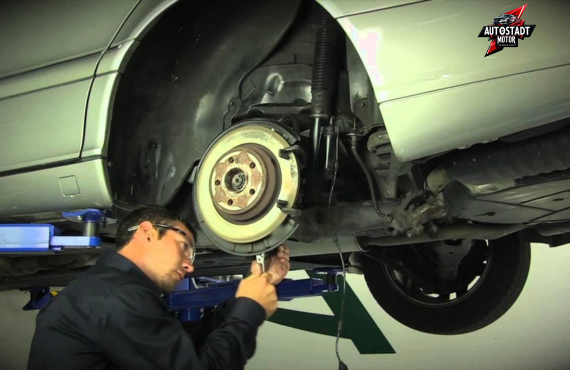
It is also important to distinguish conventional shock absorbers from more advanced suspension systems. Depending on the model and specification, a Mercedes-Benz may use standard dampers, adaptive suspension, or an air suspension system with electronically controlled components. Consequently, the correct Mercedes shock change procedure depends on the vehicle’s design, rather than a one-size-fits-all approach.
Signs Your Car Needs Mercedes Shock Change
Shock absorbers help control spring movement and keep the tyres in consistent contact with the road. When they begin to wear out, several symptoms may become noticeable. Recognizing these signs early can help you arrange an inspection before suspension performance deteriorates further.
1. Excessive Bouncing After Road Bumps
One of the most common signs of worn shock absorbers is repeated bouncing after the vehicle passes over a bump.
A healthy suspension system should settle relatively quickly after absorbing an impact. However, when dampers lose their effectiveness, the vehicle may continue moving up and down instead of returning smoothly to a stable position.
For Mercedes drivers, this can make an otherwise comfortable journey feel unsettled. If your vehicle continues bouncing after speed bumps or uneven road surfaces, a suspension inspection is recommended.
2. Knocking or Clunking Sounds From the Suspension
Unusual sounds around the front or rear suspension may indicate a developing mechanical issue.
Although worn shock absorbers can contribute to suspension noise, other components may produce similar symptoms. These include mounting points, bushes, ball joints, stabilizer links, and other suspension parts.
For this reason, replacing the dampers without examining the surrounding components may not resolve the problem. AutoStadt Motor Services can inspect the affected area to help identify the source of the noise.
3. Reduced Stability When Cornering
A Mercedes-Benz should feel controlled when changing direction. If the vehicle leans excessively, feels unsettled, or responds differently during corners, worn suspension components could be contributing to the problem.
Shock absorbers help control body movement, particularly during changes in direction. When their damping performance declines, the vehicle may feel less composed.
These symptoms should not automatically be attributed to shock absorbers alone, since tyre condition, wheel alignment, suspension joints, and other factors can also affect handling.
4. Uneven Tyre Wear
Tyres provide the contact between your Mercedes and the road, so their condition can reveal problems elsewhere in the vehicle.
Worn or ineffective dampers may allow excessive wheel movement, potentially contributing to irregular tyre wear. However, incorrect tyre pressure, wheel alignment issues, and worn suspension joints can produce similar patterns.
If one tyre or one section of a tyre is wearing faster than expected, it is sensible to inspect the tyres and suspension together.
5. The Front End Dips During Braking
If the front of your Mercedes dips noticeably when braking, the suspension system should be checked.
Worn shock absorbers can contribute to excessive body movement under braking. Nevertheless, brake condition, tyre grip, vehicle loading, and other suspension components also influence how the car behaves.
Because braking stability is important for everyday driving, unusual changes should be inspected rather than ignored.
6. Fluid Leaking From a Shock Absorber
Some conventional shock absorbers contain hydraulic fluid. If a damper develops a seal failure, fluid may appear on its outer surface.
A light film of residue does not always mean a shock absorber has failed, but clear signs of ongoing leakage, combined with reduced damping or other symptoms, warrant professional assessment.
Vehicles equipped with air suspension may show different warning signs, such as uneven ride height or suspension-related dashboard messages.
7. Uneven Ride Height or Suspension Warnings
If one side of your Mercedes sits lower than the other, the cause may involve a spring, air spring, suspension linkage, or another component rather than the shock absorber itself.
Similarly, a suspension warning on the dashboard may indicate an issue with electronically controlled dampers or the air suspension system.
These systems require model-specific diagnosis to identify the fault accurately.
Why Choose AutoStadt Motor Services for Mercedes Shock Change
Choosing the right workshop involves more than finding a replacement part. A reliable suspension repair should address the underlying issue, account for the Mercedes model, and confirm that the vehicle behaves correctly after the work is completed.
Mercedes Suspension Inspection
Different Mercedes-Benz models use different suspension arrangements. A C-Class, E-Class, GLE, and S-Class may have different component designs and equipment depending on their model year and specification.
AutoStadt Motor Services can assess the suspension concern and determine which components require further inspection. This is especially important when a vehicle has adaptive dampers or air suspension rather than conventional shock absorbers.
Accurate Diagnosis Before Replacement
Not every suspension noise or ride-quality problem requires new shock absorbers.
For example, a knocking sound could originate from a worn mounting or stabilizer link. Likewise, uneven ride height may indicate a spring or air suspension fault.
Identifying the actual cause helps prevent unnecessary parts replacement and allows the repair recommendation to address the driver’s complaint.
Appropriate Replacement Components
The correct replacement shock absorber should match the vehicle’s specifications and suspension configuration.
Depending on the Mercedes model, this may mean a conventional damper, an adaptive unit, or a component designed for a particular suspension package. Using an unsuitable part may affect ride comfort, handling, compatibility, or electronic functionality.
The replacement choice should therefore be confirmed against the vehicle’s details before installation.
Attention to Ride Comfort and Handling
Mercedes-Benz vehicles are engineered to deliver a particular driving experience. Suspension repairs should aim to restore appropriate damping and controlled body movement without compromising the vehicle’s intended characteristics.
During the assessment, the technician should consider the condition of related parts, including mounts, bushes, springs, and other components that could affect the final result.
Service for Different Vehicle Brands
Although this article focuses on Mercedes shock change, suspension inspection is relevant to many vehicles. Toyota Land Cruiser, Nissan Patrol, BMW 5 Series, and Audi Q7 models also rely on properly functioning suspension components.
Each vehicle has different requirements, so the repair process should always be based on its design and condition.
How Our Mercedes Shock Change Process Works
A structured repair process helps ensure that the replacement is necessary, the correct components are selected, and the suspension is checked after installation.
Step 1: Discuss the Symptoms
The process begins with understanding what the driver has noticed.
The technician may ask whether the vehicle bounces over bumps, makes noise on uneven roads, feels unstable during corners, or shows a suspension warning.
Information about recent changes in ride quality, vehicle mileage, and previous suspension repairs can also help guide the inspection.
Step 2: Inspect the Suspension
The suspension is examined for visible damage, fluid leakage, worn mounting points, and other signs of deterioration.
The inspection may include the front and rear dampers, suspension bushes, mounts, springs, and associated components. If the vehicle has electronically controlled dampers or air suspension, the inspection must account for those systems as well.
Step 3: Confirm Which Component Has Failed
After the initial inspection, the findings are evaluated to determine whether shock absorber replacement is necessary.
If the problem originates from a different component, the repair recommendation should reflect that finding. Where electronic suspension faults are suspected, appropriate diagnostic checks may be required.
This step helps distinguish a genuine damper failure from other suspension problems that produce similar symptoms.
Step 4: Select the Correct Replacement
Once the fault is established, the correct replacement component is identified according to the Mercedes model, production year, and suspension specification.
It is also important to consider whether the vehicle uses standard or adaptive dampers. Certain vehicles may require additional procedures or system checks after installation.
The technician can explain the recommended parts and associated work before proceeding.
Step 5: Replace the Worn Shock Absorber
The affected components are removed and replaced using the appropriate workshop procedure.
During the repair, related parts and mounting points should be checked for damage or excessive wear. If another defective component is discovered, its condition should be assessed before deciding whether additional work is necessary.
Replacing a shock absorber without considering related suspension parts may leave the original complaint only partially resolved.
Step 6: Check the Completed Repair
After installation, the technician checks the relevant fasteners, mounting points, and suspension components. Any required electronic procedures should also be completed for the vehicle’s particular system.
A road test may be appropriate when conditions permit. The objective is to check for unusual noises, assess ride behaviour, and confirm that the reported symptoms have been addressed.
Wheel alignment should also be assessed when the repair procedure or related suspension work affects alignment settings.
Mercedes Shock Absorber Maintenance Tips for Dubai Drivers
Although shock absorbers gradually wear through normal use, a few maintenance habits can help you identify problems earlier.
First, pay attention to changes in ride comfort. If your Mercedes begins bouncing more than usual or feels less stable on familiar roads, arrange an inspection instead of waiting for the symptoms to become severe.
Second, check your tyres regularly. Uneven wear can provide useful clues about suspension condition, alignment, or tyre pressure. Keeping tyre pressure at the recommended level also supports predictable handling and tyre life.
Third, do not ignore suspension noises. A knocking sound over a speed bump may be caused by a damper, mounting, bush, or another component. Early diagnosis can help prevent the problem from affecting additional parts.
Finally, follow the maintenance recommendations applicable to your model. Vehicles with air suspension or adaptive dampers may require different diagnostic procedures from those fitted with conventional shock absorbers.
Frequently Asked Questions About Mercedes Shock Change in Dubai
1. How do I know when my Mercedes shock absorbers need replacement?
Common warning signs include excessive bouncing, fluid leakage from a conventional damper, unusual suspension noises, reduced stability, and uneven tyre wear. However, these symptoms can also result from other suspension faults. A professional inspection is the best way to determine whether the shock absorbers have deteriorated enough to require replacement.
2. How much does Mercedes shock change cost in Dubai?
The cost depends on the Mercedes model, the number of dampers requiring replacement, the type of suspension fitted, and the parts selected. Conventional shock absorbers generally involve a different repair process from adaptive dampers or air suspension components. Labour and any additional repairs can also affect the total. AutoStadt Motor Services can assess the vehicle and provide a recommendation based on the actual condition and specifications.
3. Should I replace both front or both rear shock absorbers together?
Replacing shock absorbers in pairs on the same axle is generally recommended because it helps maintain more consistent damping from side to side. However, the final decision depends on the vehicle, the condition of the existing components, and the manufacturer’s guidance. A technician should inspect the affected axle and explain the most suitable option for your Mercedes.
4. Does a Mercedes with air suspension need a different shock change procedure?
Yes, depending on the system fitted. Some Mercedes models use conventional dampers, while others have adaptive suspension or air suspension with electronically controlled components. Air suspension can include air springs, compressors, valves, sensors, and related controls. A warning light or uneven ride height may therefore require more than a conventional shock absorber replacement. Correct diagnosis helps identify the component responsible for the problem.
5. Is it safe to drive a Mercedes with worn shock absorbers?
Mild suspension wear may initially appear as reduced comfort, but significantly worn or damaged dampers can affect tyre contact, handling, and vehicle stability. If the vehicle feels unstable, makes severe suspension noises, has a visibly damaged component, or shows a sudden change in ride height, arrange an inspection promptly and avoid driving if control or safety may be compromised. Continuing to use the vehicle without checking the problem can increase the risk of further damage.
Conclusion
Mercedes shock change is an important part of maintaining suspension performance, ride comfort, and predictable handling. When shock absorbers deteriorate, drivers may notice repeated bouncing, suspension noise, uneven tyre wear, or reduced stability. However, similar symptoms can originate from other suspension components, making an accurate inspection essential.
At AutoStadt Motor Services, the focus is on identifying the cause of the problem, checking the vehicle’s suspension configuration, and recommending suitable repairs for the specific Mercedes model. Whether your vehicle uses conventional dampers, adaptive suspension, or an advanced air suspension system, the correct procedure depends on its equipment and condition.
For Mercedes owners in Dubai, dealing with suspension symptoms early can help preserve driving comfort and prevent a developing problem from affecting other components. If your vehicle no longer feels as stable or comfortable as it should, arrange a suspension inspection with AutoStadt Motor Services to determine whether shock absorber replacement is required.


Leave a Comment