
Opel steering repair is an important service when your vehicle starts feeling heavier, less responsive, or unusual while turning. The steering system directly affects how accurately you control the car, so even a small steering problem should not be ignored. For Opel owners in Dubai, regular inspection becomes especially useful because daily traffic, frequent parking maneuvers, long-distance driving, and demanding road conditions can gradually place additional stress on steering components.
An Opel steering system can involve several interconnected parts, including the steering rack, steering column, tie rods, ball joints, steering pump, hoses, fluid reservoir, seals, and related suspension components. Depending on the Opel model and production year, the vehicle may use hydraulic, electro-hydraulic, or electric power steering. Therefore, identifying the actual source of a steering problem is more important than simply replacing a component.
At AutoStadt Motor Services, the focus is on finding the cause of the problem before recommending a repair. Instead of treating every steering complaint in the same way, technicians inspect the vehicle according to its symptoms, steering technology, mileage, and condition. This approach can help Opel drivers avoid unnecessary part replacement while restoring proper steering response.
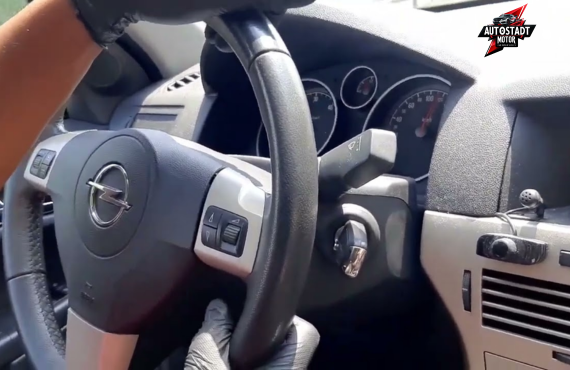
Whether you drive an Opel Astra, Corsa, Insignia, Mokka, or another model, professional steering diagnostics can help identify developing faults before they become more expensive or affect driving safety.
Signs Your Car Needs Opel Steering Repair
Steering problems do not always begin with a complete failure. In many cases, your Opel gives noticeable warning signs first. Recognizing them early can prevent a minor fault from developing into a larger steering or suspension repair.
Heavy or Stiff Steering
One of the clearest symptoms is steering that suddenly requires more effort than usual. If turning the wheel becomes difficult during parking or low-speed driving, there may be a problem with the power-assisted steering system, steering components, or another mechanical part.
On vehicles equipped with hydraulic or electro-hydraulic assistance, low steering fluid, a leaking hose, a weak pump, or restricted fluid flow may contribute to the problem. However, electric steering systems require a different diagnostic approach.
Steering Wheel Vibration
A vibrating steering wheel can indicate several issues. Wheel imbalance, tire problems, alignment faults, worn suspension components, or steering-related wear may all produce similar sensations.
For this reason, an Opel steering repair inspection should not automatically assume that the steering rack is responsible. A complete check can determine whether the vibration originates from steering, suspension, wheels, or tires.
Unusual Steering Noise
Listen for whining, groaning, knocking, clicking, or grinding sounds while turning. A noise that becomes more noticeable during full-lock turns can provide useful information about the condition of the steering system.
For example, hydraulic systems may produce a whining sound when fluid is low or the pump is under excessive load. A knocking sensation, on the other hand, could point toward mechanical wear in steering or suspension components.
Steering Wheel Does Not Return Normally
After making a turn, the steering wheel should generally begin returning toward its centered position. If your Opel feels reluctant to straighten or requires constant correction, the cause may involve wheel alignment, suspension geometry, steering components, or tire condition.
Ignoring this behavior can make everyday driving tiring and may reduce confidence at higher speeds.
Steering Feels Loose
Excessive play around the center position is another warning sign. If you move the steering wheel slightly but the front wheels do not respond immediately, worn tie rods, steering rack components, joints, or other parts may need inspection.
A loose steering sensation should receive particular attention because precise steering control is essential for safe lane changes and emergency maneuvers.
Steering Fluid Leakage
If your Opel uses hydraulic power steering, reddish, amber, or other fluid-colored marks underneath the vehicle may indicate a leak. Fluid can escape from hoses, connections, seals, the reservoir, or the steering rack.
A leak should not be solved simply by repeatedly topping up fluid. The source needs to be identified and repaired because continued fluid loss can eventually affect steering assistance and potentially damage the pump.
The Car Pulls While Driving
A vehicle that consistently pulls to one side may have an alignment problem, uneven tire pressure, suspension wear, or a steering-related issue. Although pulling does not automatically mean you need Opel steering repair, it is a good reason to have the front end inspected.
Why Choose AutoStadt Motor Services for Opel Steering Repair
Choosing the right workshop matters because steering problems can have several possible causes. At AutoStadt Motor Services, the objective is to diagnose the vehicle accurately and recommend a repair based on its actual condition.
Model-Specific Steering Diagnostics
Different Opel models can use different steering technologies and component configurations. Therefore, technicians need to understand the particular vehicle rather than applying a one-size-fits-all repair method.
An Opel Corsa, for instance, may present different diagnostic considerations from an Opel Insignia. Proper identification of the system helps technicians narrow down the possible fault.
Complete Steering and Front-End Inspection
A steering complaint can sometimes originate outside the steering assembly itself. Consequently, a professional inspection may include the steering rack, tie rods, ball joints, steering column, suspension components, wheel alignment, tires, and related systems.
This broader approach reduces the risk of replacing a steering component when another part is actually causing the symptom.
Focus on the Root Cause
At AutoStadt Motor Services, repairs are approached from a diagnostic perspective. If a customer reports heavy steering, the goal is to determine why it is happening rather than immediately assuming the steering pump needs replacement.
That could mean checking fluid levels, electrical assistance, mechanical components, leaks, fault codes, or alignment depending on the Opel’s configuration.
Quality Repair Approach
Steering components have an important role in vehicle control. For that reason, repairs should be performed carefully, followed by appropriate testing. Whether the vehicle requires adjustment, component replacement, leak repair, or steering system troubleshooting, the repair should address the underlying problem.
Convenient Service for Dubai Drivers
Dubai motorists often depend on their vehicles for commuting, business travel, school runs, and regular city driving. A steering problem can therefore become inconvenient very quickly. Professional diagnosis helps reduce unnecessary delays and gives owners a clearer understanding of what their vehicle needs.
How Our Opel Steering Repair Process Works
A structured repair process helps separate genuine steering faults from issues that merely feel like steering problems.
Initial Customer Consultation
The process starts by discussing the symptoms. The technician may ask when the issue occurs, whether it happens during parking or high-speed driving, whether there is noise, and whether the steering behavior has recently changed.
These details can provide important diagnostic clues.
Visual Inspection
Next, the steering and front-end area is inspected for obvious problems. Technicians can look for damaged components, fluid leaks, loose connections, worn boots, unusual tire wear, and other visible signs.
If hydraulic steering is fitted, the fluid reservoir, hoses, connections, and steering rack area may receive particular attention.
Steering System Testing
The vehicle is then checked according to its steering design. Mechanical steering components are assessed for excessive movement or wear, while electronically assisted systems may require electrical diagnostics and fault-code analysis.
This distinction is important because not every Opel requires steering fluid or a hydraulic pump.
Identifying the Fault
Once the symptoms and inspection results are compared, the technician can determine the most likely source of the problem. This could be a steering rack issue, worn tie rod, faulty assistance component, fluid leak, electrical fault, alignment problem, or another related issue.
Repair or Component Replacement
After the fault has been identified, the required repair is carried out. Depending on the condition, this could involve replacing a worn component, repairing a leak, correcting an electrical issue, servicing the steering system, or addressing related suspension and alignment problems.
The aim is not simply to make the symptom disappear temporarily but to restore reliable steering behavior.
Final Testing and Inspection
After the repair, the steering system is checked again. The vehicle may undergo a road test to confirm that steering response, noise, alignment behavior, and overall handling have improved.
This final stage is important because a successful repair should be verified rather than assumed.
Opel Steering Repair and Preventive Maintenance in Dubai
Regular maintenance can help identify steering problems before they become major repairs. Drivers should pay attention to changes in steering weight, unusual noises, fluid leakage, uneven tire wear, or changes in how the vehicle tracks on the road.
Wheel alignment should also be considered when the car hits a significant pothole or curb. Incorrect alignment can place additional stress on tires, suspension, and steering components.
Similarly, if you notice a problem after servicing the vehicle, mention the symptom immediately. Early investigation is usually preferable to continuing to drive until the steering behavior becomes severe.
The same principle applies to other European and luxury vehicles. A BMW may require attention to electronically controlled steering components, while a Mercedes-Benz can have its own model-specific steering configuration. Likewise, Toyota and Nissan vehicles can experience steering and suspension problems that initially feel similar but require different diagnostic procedures.
The key lesson is simple: similar symptoms do not necessarily mean the same repair.
Frequently Asked Questions About Opel Steering Repair in Dubai
1. How do I know if my Opel has a steering problem?
Common indicators include heavy steering, unusual noises when turning, excessive steering play, vibration through the wheel, poor return-to-center behavior, or the vehicle pulling to one side. However, some of these symptoms can also originate from tires, wheel alignment, or suspension components. A professional inspection is therefore the best way to determine whether the steering system itself is responsible.
2. How much does Opel steering repair cost in Dubai?
The cost depends on the actual fault and the Opel model. A minor issue such as an alignment correction or replacement of a small steering component can cost considerably less than replacing a steering rack or major electronic steering component.
At AutoStadt Motor Services, an inspection can help determine what needs attention before you commit to a major repair. The final cost depends on parts, labor, system type, and the extent of the damage.
3. Can a steering fluid leak cause heavy steering?
Yes, on Opel models equipped with hydraulic or electro-hydraulic power steering, insufficient fluid caused by a leak can reduce steering assistance and make the wheel feel heavier. However, low fluid is a symptom rather than the underlying solution.
The leak may come from a hose, connection, reservoir, seal, or steering rack. Simply adding more fluid without repairing the source can allow the problem to return and may eventually damage other components.
4. Is it safe to drive an Opel with steering problems?
It depends on the severity and cause of the problem. A minor steering-related symptom may allow limited driving to a workshop, while severe steering looseness, major fluid loss, grinding, sudden loss of assistance, or unpredictable steering behavior can create a serious safety concern.
If steering control has changed significantly, it is better to have the vehicle inspected as soon as possible instead of continuing normal driving and hoping the problem disappears.
5. How often should Opel steering components be checked?
There is no single inspection interval that applies to every Opel because component design, driving conditions, mileage, and vehicle age vary. However, steering should be checked during routine servicing and whenever you notice a new steering symptom.
Dubai drivers should also consider an inspection after significant pothole impacts, curb strikes, unusual tire wear, or changes in steering response. Preventive inspection can reveal worn components before they develop into more expensive problems.
Conclusion
Opel steering repair should never be treated as a routine replacement job because steering symptoms can originate from several different systems. Heavy steering, fluid leaks, unusual noises, vibration, excessive play, and poor directional stability all deserve proper investigation.
For Opel owners in Dubai, AutoStadt Motor Services provides a diagnostic-focused approach to steering problems, covering mechanical components, power-assisted systems, electrical steering faults, alignment concerns, and related front-end issues. Instead of replacing parts based only on symptoms, professional inspection helps identify the actual cause and determine the appropriate repair.
Whether you drive an Opel Astra, Corsa, Insignia, Mokka, or another model, addressing steering problems early can help maintain responsive handling, driving confidence, and long-term vehicle reliability. If your steering no longer feels the way it should, getting it inspected is a much better approach than waiting for the problem to become more serious.


Leave a Comment