
Opel heating repair becomes important when your vehicle can no longer produce warm air, the cabin takes too long to heat, or the heating system behaves inconsistently. Although Dubai is known for its hot climate, a properly functioning heater remains an essential part of an Opel’s overall HVAC and cooling-system health. The heating system is also connected to the engine’s coolant circulation, temperature regulation, ventilation, and climate-control components.
A weak heater can therefore indicate more than a simple comfort issue. Low coolant, a restricted heater core, a faulty thermostat, air trapped in the cooling system, a damaged heater hose, or a malfunctioning blower motor can all affect heating performance. In some cases, a problem with the climate-control system or temperature blend mechanism may prevent heated air from reaching the cabin even when the engine itself is operating normally.
At AutoStadt Motor Services, Opel heating problems are approached through diagnosis rather than guesswork. Our technicians inspect the relevant cooling, heating, ventilation, and climate-control components to identify the actual source of the fault. This helps avoid unnecessary part replacement and ensures the repair is appropriate for the vehicle.
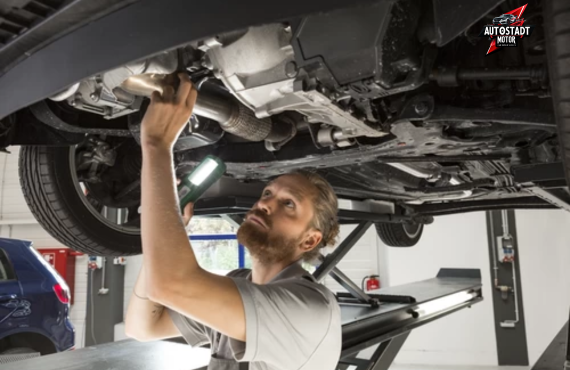
Whether you drive an Opel Astra, Corsa, Insignia, Mokka, or another Opel model, timely inspection can prevent a small HVAC or cooling-system problem from becoming a more expensive repair.
Signs Your Car Needs Opel Heating Repair
Weak or Cold Air From the Heater
One of the clearest indications of a heating problem is when the vents produce cool or only slightly warm air even after the engine reaches its normal operating temperature.
This can happen because hot engine coolant is not reaching the heater core correctly. A restricted heater core, low coolant level, thermostat problem, or circulation issue may be responsible. However, if coolant temperature is normal and the heater core is functioning correctly, the fault could instead involve the HVAC controls or air-mixing mechanism.
Heater Takes Too Long to Produce Warm Air
If your Opel requires an unusually long time to provide heat, the thermostat deserves attention. The thermostat helps regulate engine coolant temperature. If it remains open when it should close, the engine may take longer to reach operating temperature, reducing heater performance.
This symptom should not automatically be treated as a heater-core problem. Proper diagnostic testing is necessary to determine whether the issue originates in the engine cooling system or the cabin HVAC system.
Uneven Cabin Temperature
Another warning sign is when one side of the cabin feels warmer than the other. Modern Opel climate-control systems can contain multiple air-mixing and temperature-control components, so uneven temperature may indicate a blend-door, actuator, sensor, or control-system problem.
For example, if the driver receives warmer air while the passenger side remains cool, simply replacing coolant or flushing the system may not solve the underlying fault.
Strange Smell From the Air Vents
A sweet or unusual smell inside the cabin can sometimes indicate a coolant leak around the heater core. Coolant escaping into the HVAC housing may also produce misting or unusual condensation on the windshield.
Because coolant leaks can become progressively worse, this symptom should not be ignored. An inspection at AutoStadt Motor Services can help determine whether the problem involves the heater core, hoses, connections, or another component.
Fogging or Moisture Inside the Cabin
Persistent windshield fogging, particularly when accompanied by a coolant-like smell or dampness around the passenger area, can point toward a heater-core issue.
This is more serious than simply having poor cabin heating because a leaking heater core can gradually reduce coolant levels. Continuing to drive without identifying the leak can eventually contribute to engine overheating.
Blower Motor Is Weak or Not Working
Sometimes the heating system produces hot air but cannot push it into the cabin effectively. A weak blower motor, damaged resistor, electrical fault, blocked cabin air filter, or ventilation problem may be responsible.
In this situation, the coolant system may be working correctly while the airflow side of the HVAC system is not.
Engine Temperature Is Abnormal
Heating performance can provide useful clues about the engine cooling system. If the engine temperature remains unusually low, the thermostat may be stuck open. If the engine temperature becomes too high, there may be a coolant circulation or cooling-system fault.
Either condition deserves attention because the heating system and engine cooling system are closely connected.
Why Choose AutoStadt Motor Services for Opel Heating Repair
Model-Specific Diagnostic Approach
Opel vehicles use different heating, cooling, and climate-control configurations depending on model, engine, and production year. Therefore, a professional repair should begin with an inspection suited to the particular vehicle.
At AutoStadt Motor Services, technicians assess the symptoms and examine the components that could realistically cause the problem instead of immediately replacing parts.
Complete Cooling and Heating System Inspection
A heating complaint can originate from several areas. Depending on the symptoms, inspection may include:
- Coolant level and condition
- Thermostat operation
- Heater hoses
- Heater core circulation
- Cooling-system pressure
- Water pump operation
- Radiator condition
- Blower motor
- Blower resistor or control module
- Cabin air filter
- Temperature sensors
- HVAC control components
- Blend-door operation
- Electrical connections
This broader approach is important because replacing one component without confirming the cause can leave the original problem unresolved.
Suitable Repairs for Dubai Vehicles
Dubai traffic, frequent short journeys, long periods of air-conditioning use, and high ambient temperatures can place additional demands on vehicle cooling and climate-control components.
Even though drivers may rarely use maximum heating, the heating circuit still forms part of the vehicle’s cooling system. A coolant circulation problem that initially appears as a heating issue can potentially affect engine temperature management.
AutoStadt Motor Services focuses on identifying these underlying issues before they develop into more serious problems.
Experienced Multi-Brand Automotive Service
Our workshop environment is also familiar with the broader automotive systems found across different European and international vehicles. Problems involving heating and climate control can vary significantly between manufacturers.
For comparison, the HVAC architecture in a BMW 3 Series may differ substantially from that of a Nissan Altima, while a Mercedes-Benz C-Class can use different electronic climate-control components again. Likewise, Toyota models often have their own HVAC and cooling-system configurations.
This experience helps technicians approach Opel repairs with a broader understanding of modern vehicle systems.
Transparent Recommendations
A professional repair should explain what failed, why it failed, and what needs to be repaired. AutoStadt Motor Services aims to provide customers with a clear diagnosis before recommending replacement or repair work.
This gives Opel owners a better understanding of the service and helps them make informed decisions about their vehicle.
How Our Opel Heating Repair Process Works
Initial Symptom Assessment
The process begins by understanding exactly what the driver is experiencing. Does the heater produce no heat, weak heat, intermittent heat, unusual smells, or inconsistent temperatures?
These details provide useful diagnostic clues.
Cooling-System Inspection
The technician checks the coolant level and examines the cooling system for visible signs of leakage. Hoses, connections, the expansion tank, and other accessible components may be inspected for damage or deterioration.
If the coolant level is low, the reason should be investigated rather than simply topping it up and returning the vehicle to service.
Engine Temperature Testing
The engine must reach the appropriate operating temperature for the heating system to function correctly. Technicians can assess whether the engine is warming normally and whether the thermostat is behaving as expected.
This step can separate a cooling-system problem from a cabin HVAC problem.
Heater Core and Coolant Flow Checks
The heater core transfers heat from engine coolant into the cabin air. If coolant flow through the heater core is restricted, the air coming through the vents may remain cool.
The condition of the heater circuit, hoses, and coolant flow can therefore provide important information about the cause.
Airflow and Blower Diagnosis
If hot coolant is reaching the heater core but the cabin still receives little or no warm air, attention can move toward the ventilation side.
The blower motor, resistor, cabin filter, electrical supply, and airflow controls may be examined to determine whether air is being moved correctly.
HVAC Control Inspection
Modern Opel vehicles may use electronic controls, sensors, actuators, and temperature-mixing mechanisms. Diagnostic equipment may be used where appropriate to identify stored faults or irregular system operation.
This is particularly useful when the heating problem is intermittent or when the controls appear to work but the temperature does not change correctly.
Repair and Final Testing
Once the faulty component or condition has been identified, the required repair is carried out. Depending on the diagnosis, this could involve coolant-system service, heater-core cleaning, hose replacement, thermostat replacement, blower repair, actuator service, or another targeted repair.
Afterward, the heating system is tested again to confirm proper temperature, airflow, coolant circulation, and overall operation.
Frequently Asked Questions About Opel Heating Repair in Dubai
1. Why is my Opel heater blowing cold air?
Cold air from an Opel heater can result from several causes, including low coolant, a faulty thermostat, restricted heater-core circulation, trapped air in the cooling system, or a problem with the HVAC temperature-control mechanism.
The correct solution depends on the cause. For example, if the engine is not reaching its normal operating temperature, replacing the heater core would not address the underlying problem. A proper inspection can determine whether the issue is related to coolant circulation, engine temperature, airflow, or electronic controls.
2. Can low coolant cause my Opel heater to stop working?
Yes. Low coolant can reduce the amount of hot coolant circulating through the heater core. As a result, the cabin may receive little or no warm air.
More importantly, low coolant can indicate a leak or another cooling-system problem. Simply adding coolant may temporarily restore the level but will not fix the reason the coolant was lost. If your Opel repeatedly requires coolant, the system should be inspected for leaks.
3. Is an Opel heating problem related to engine overheating?
It can be. The cabin heating circuit uses heat generated by the engine and transferred through the coolant system. Problems involving coolant level, circulation, the thermostat, water pump, or other cooling components can affect both heating performance and engine temperature.
If the heater suddenly becomes cold while the engine temperature is rising, the situation should be treated seriously. Continuing to drive with an overheating engine can cause significant mechanical damage.
4. How much does Opel heating repair cost in Dubai?
The cost depends entirely on the component causing the fault. A basic diagnosis or minor hose-related repair will generally be less expensive than replacing a heater core, blower motor, thermostat, actuator, or another major component.
At AutoStadt Motor Services, the recommended approach is to diagnose the problem first and then determine the repair required. This avoids estimating a major repair when the actual fault may be a smaller component or system issue.
5. How can I prevent heating and cooling problems in my Opel?
Regular maintenance is the best starting point. Keep the coolant at the correct level, use the appropriate coolant specification, inspect hoses and connections periodically, and address warning signs such as coolant loss, unusual smells, temperature fluctuations, or inconsistent heating.
It is also useful to have the cooling system checked during routine servicing, particularly if the vehicle has accumulated significant mileage. Although heating may not be frequently used in Dubai, the associated coolant circuit remains important to overall engine temperature management.
Conclusion
Reliable Opel heating repair is not simply about making the cabin warmer. The heating system is connected to the vehicle’s coolant circulation, engine temperature management, ventilation, and climate-control components. Consequently, poor heating can sometimes provide an early warning of a cooling-system or HVAC fault.
From weak airflow and cold vents to coolant loss, unusual smells, uneven temperatures, and abnormal engine temperature, these symptoms deserve proper diagnosis rather than temporary fixes. The sooner the cause is identified, the easier it can be to prevent a minor issue from developing into a larger repair.
For Opel owners in Dubai, AutoStadt Motor Services provides professional inspection and repair for heating, cooling, HVAC, and related automotive systems. Whether the issue involves the thermostat, heater core, coolant circulation, blower motor, hoses, sensors, or climate-control components, a systematic diagnostic process helps ensure the right repair is performed.
If your Opel heating system is no longer working as it should, getting it inspected early can improve comfort, protect the cooling system, and help maintain dependable vehicle performance.


Leave a Comment