
Opel brake repair is essential when your vehicle begins showing changes in braking performance, unusual noises, vibrations, or warning lights. Your Opel’s braking system is responsible for controlling speed and bringing the vehicle to a safe stop, so even a minor issue should not be ignored. A problem with brake pads, discs, calipers, brake fluid, or hydraulic components can gradually become more serious if the vehicle continues to be driven without inspection.
For Dubai drivers, reliable brakes are particularly important because daily traffic, frequent stop-and-go driving, and long journeys can place considerable demand on the braking system. Depending on the Opel model and braking configuration, components such as brake pads, rotors, calipers, brake lines, ABS sensors, and brake fluid all need to work together correctly.
At AutoStadt Motor Services, we provide professional Opel brake repair and brake maintenance designed around the actual condition of your vehicle. Instead of replacing parts unnecessarily, our technicians inspect the braking system, identify the underlying fault, and recommend the appropriate repair or replacement.
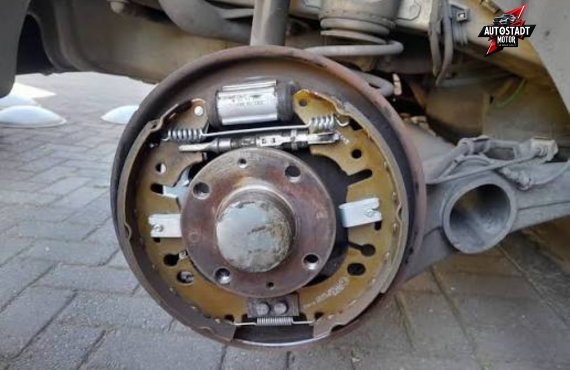
Whether you drive an Opel Astra, Corsa, Insignia, Mokka, or another model, timely brake servicing can help maintain predictable braking response, reduce component wear, and improve driving confidence.
Signs Your Car Needs Opel Brake Repair
Brake problems do not always appear as an obvious failure. In many cases, your Opel provides early warning signs that something within the braking system needs attention. Recognizing these symptoms can prevent a relatively simple repair from developing into a more expensive problem.
Squealing or Grinding Brake Noise
A high-pitched squeal when applying the brakes can indicate worn brake pads, although noise can also occur because of brake dust, surface contamination, or other component conditions. A grinding sound is more concerning because it may mean the friction material has become severely worn and metal components are contacting each other.
If your Opel produces persistent braking noise, professional inspection is recommended rather than simply applying lubricants or waiting for the sound to disappear.
Brake Pedal Feels Soft or Spongy
A brake pedal should provide a consistent and predictable response. If the pedal feels unusually soft, spongy, or travels farther toward the floor than normal, there could be air or moisture in the hydraulic system, a fluid issue, or another brake system fault.
This symptom deserves prompt attention because braking pressure is essential for proper stopping performance.
Steering Wheel Vibrates During Braking
If the steering wheel shakes or vibrates when you brake, particularly from higher speeds, uneven brake discs or other front-end braking components may be responsible. Excessive disc runout, uneven wear, or related suspension problems can contribute to this sensation.
Continued driving without diagnosis may cause additional component wear.
Opel Pulls to One Side
Does your Opel move toward the left or right when you apply the brakes? Uneven braking force can be caused by a sticking caliper, contaminated brake pad, uneven pad wear, or other mechanical problems.
However, pulling can also result from alignment or tyre issues. That is why a proper inspection is more useful than assuming the brake pads are automatically responsible.
Brake Warning Light Appears
Modern Opel vehicles use warning systems to alert drivers when certain brake-related problems are detected. Depending on the model, the dashboard may display a brake warning light, ABS warning, or another relevant message.
A warning light should not be dismissed simply because the vehicle still appears to brake normally. Electronic brake and ABS faults can affect safety systems even before noticeable changes occur during everyday driving.
Reduced Braking Performance
If your Opel requires noticeably more pedal pressure or a longer distance to stop, arrange a brake inspection as soon as possible. Worn pads and discs are common causes, but the problem can involve several components.
For example, an ABS sensor issue may not feel identical to worn brake pads. Proper diagnostics help distinguish between mechanical and electronic faults.
Common Opel Brake Problems in Dubai
Worn Brake Pads
Brake pads gradually lose their friction material through normal use. Frequent urban driving can accelerate this wear because of repeated braking.
Replacing pads at the appropriate time helps protect the brake discs and maintain consistent braking performance.
Damaged or Uneven Brake Discs
Brake discs can develop scoring, grooves, thickness variation, or excessive surface wear. In some situations, disc replacement is more appropriate than simply changing the pads.
Sticking Brake Caliper
A caliper that does not release correctly can cause uneven pad wear, excessive heat, poor fuel economy, or the vehicle pulling during braking. A sticking caliper can also damage surrounding components if ignored.
Brake Fluid Problems
Brake fluid absorbs moisture over time. Contaminated or degraded fluid can affect hydraulic braking performance, particularly when the braking system becomes hot.
During Opel brake repair, technicians can assess fluid condition and inspect for leaks around the hydraulic system.
ABS Sensor Faults
The anti-lock braking system relies on wheel-speed information from sensors. A damaged or malfunctioning ABS sensor can trigger a dashboard warning and interfere with proper ABS operation.
This is why modern brake service often involves electronic diagnostics in addition to physical inspection.
Why Choose AutoStadt Motor Services for Opel Brake Repair
Choosing the right workshop matters because brake repairs should be based on accurate diagnosis rather than guesswork. At AutoStadt Motor Services, our approach combines mechanical inspection with appropriate diagnostic testing.
Model-Specific Brake Inspection
Different Opel models can have different braking configurations, component sizes, electronic systems, and service requirements. We inspect the vehicle according to its specific setup rather than applying a one-size-fits-all approach.
Whether you own an Opel Astra used for daily commuting or an Opel Mokka used for family journeys, the inspection focuses on the components actually installed on your vehicle.
Experienced Brake Technicians
Brake systems require careful installation and inspection. Our technicians examine brake pads, discs, calipers, hoses, fluid, sensors, and related components to determine the source of the problem.
The objective is not simply to make the noise disappear but to identify why the braking system is behaving differently.
Quality Replacement Components
When replacement is required, using appropriate-quality brake components is important for maintaining reliable braking performance. Pads and discs should be correctly matched to the vehicle and installed according to proper procedures.
This approach is equally important across other European and premium vehicles. A BMW 3 Series, Mercedes-Benz C-Class, or Audi A4, for example, also requires components suited to its specific braking system rather than generic parts chosen solely by price.
Transparent Recommendations
A good brake service should explain what needs attention and why. At AutoStadt Motor Services, customers can receive clear recommendations based on the inspection findings.
If only the brake pads require replacement, unnecessary component replacement should be avoided. Conversely, if worn pads have damaged the discs, replacing only the pads may not solve the underlying problem.
Complete Brake System Approach
Braking performance depends on more than one component. Therefore, our inspection considers the complete system, including friction components, hydraulic parts, electronic safety systems, and visible signs of abnormal wear.
This broader approach can help identify related issues before they create further complications.
How Our Opel Brake Repair Process Works
Initial Vehicle Assessment
The process begins with understanding what you have noticed while driving. Brake noise, vibration, pedal feel, warning lights, and changes in stopping performance can all provide useful diagnostic clues.
Our technicians then carry out an initial visual and functional assessment.
Brake System Inspection
The braking components are inspected for wear, damage, contamination, leaks, and abnormal movement. Brake pads and discs receive particular attention because they are among the most frequently replaced components.
Calipers, brake hoses, lines, fluid levels, and other relevant parts are also checked.
Diagnostic Testing
If an ABS or electronic brake warning is present, diagnostic equipment may be used to identify stored fault codes and examine the relevant electronic systems.
This is especially useful because a dashboard warning does not always identify the exact component that has failed.
Measuring Component Wear
Rather than judging every component by appearance alone, technicians can assess brake pad thickness, disc condition, and other relevant measurements. This provides a more reliable basis for deciding whether a component should remain in service or be replaced.
Repair or Replacement
Once the fault has been identified, the required repair is carried out. Depending on the condition of the vehicle, this may involve brake pad replacement, brake disc replacement, caliper servicing, brake fluid service, ABS sensor replacement, or another repair.
Final Testing
After the repair, the braking system is checked again. The purpose is to confirm that components operate correctly and that the original complaint has been addressed.
Where appropriate, a road test can also help verify braking response, pedal feel, steering behaviour, and the absence of abnormal noise.
Frequently Asked Questions About Opel Brake Repair in Dubai
1. How often does an Opel need brake repair?
There is no single mileage interval that applies to every Opel because brake wear depends on driving conditions, vehicle model, traffic patterns, driving style, load, and the quality of previously installed components.
Frequent stop-and-go traffic can increase brake usage compared with longer highway journeys. Instead of waiting for a fixed mileage figure, have the braking system inspected during routine servicing and whenever symptoms appear.
2. How do I know whether my Opel needs brake pads or brake discs?
Brake pads and discs work together, so determining the required repair requires an inspection. Thin brake pads generally indicate that pad replacement is necessary. However, heavily scored, cracked, excessively worn, or uneven discs may also require replacement.
If you experience vibration, grinding, or inconsistent braking, AutoStadt Motor Services can inspect both components instead of replacing only the part that appears most obvious.
3. Can I drive my Opel if the brakes are making noise?
It depends on the type and severity of the noise. A temporary squeak can sometimes have a relatively minor cause, but persistent squealing, grinding, scraping, vibration, or reduced braking performance should be investigated promptly.
Grinding in particular should not be ignored because continued driving may increase damage to the brake discs and other components. If braking performance has significantly deteriorated, it is safer to avoid unnecessary driving until the vehicle has been inspected.
4. What does Opel brake repair include?
Opel brake repair can include several different services depending on the diagnosed problem. Common work includes brake pad replacement, brake disc replacement, caliper inspection or repair, brake fluid service, brake hose inspection, ABS diagnostics, and replacement of faulty wheel-speed sensors.
A professional workshop should first identify the cause before recommending specific repairs. This helps prevent unnecessary spending and ensures the actual fault is addressed.
5. Why is professional Opel brake repair important in Dubai?
Dubai driving can involve heavy traffic, frequent acceleration and braking, and significant daily mileage. These conditions can increase brake usage, making regular inspection particularly valuable.
Professional servicing also provides an opportunity to identify worn pads, deteriorated discs, fluid issues, caliper problems, and electronic brake faults before they become more serious. AutoStadt Motor Services provides brake inspection and repair with attention to both mechanical components and modern vehicle electronics.
Conclusion
Opel brake repair should never be treated as a cosmetic maintenance task because the braking system directly affects vehicle control and road safety. Squealing pads, grinding sounds, steering vibration, a soft pedal, uneven braking, warning lights, and reduced stopping performance can all indicate that your Opel needs professional attention.
The most effective solution is to diagnose the problem accurately before replacing components. At AutoStadt Motor Services, technicians inspect the complete brake system, identify worn or faulty parts, perform the necessary repairs, and verify braking performance afterward.
Whether you drive an Opel Astra, Corsa, Mokka, Insignia, or another Opel model in Dubai, timely brake maintenance can help prevent avoidable repairs and keep your vehicle performing with confidence. If your brakes are showing unusual symptoms, arranging an inspection sooner rather than later is a practical way to protect both your vehicle and your safety.


Leave a Comment