
Nissan steering oil leak repair is an important service when power steering fluid begins escaping from the steering system. A small leak may initially appear as a few drops under the vehicle, but ignoring it can eventually affect steering assistance, damage the power steering pump, and make the vehicle more difficult to control.
Nissan vehicles are widely used across Dubai for daily commuting, family travel, business journeys, and long-distance driving. Models such as the Nissan Patrol, Nissan Altima, Nissan Sunny, Nissan X-Trail, and Nissan Pathfinder can develop different steering-related problems depending on their age, mileage, steering system design, and maintenance history.
However, not every Nissan uses the same steering setup. Some vehicles use hydraulic power steering that relies on steering fluid, while newer models may use electric power steering and therefore do not have conventional steering oil. This is why proper diagnosis is important before replacing any component.
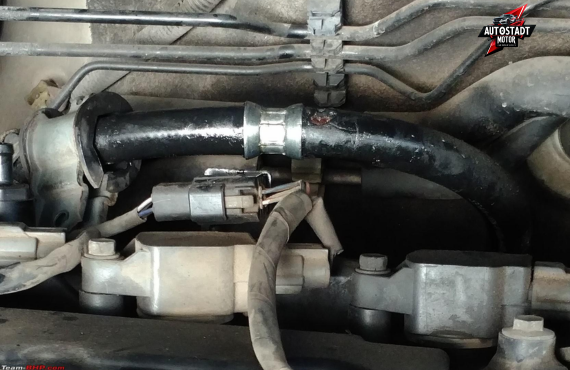
At AutoStadt Motor Services, Nissan steering problems are approached through inspection and diagnosis rather than simply adding fluid and sending the vehicle back onto the road. Our technicians identify where the fluid is escaping, inspect related components, and recommend the appropriate repair for the vehicle.
Whether the leak is coming from a steering hose, connection, pump, rack, seal, or another component, addressing the problem early can help prevent a minor fluid leak from becoming a much larger steering repair.
Signs Your Car Needs Nissan Steering Oil Leak Repair
A steering fluid leak does not always begin with an obvious warning. Sometimes the first indication is a small wet patch underneath the front section of the vehicle. In other cases, the steering becomes heavier before the owner notices any fluid.
Understanding the common symptoms can help Dubai drivers arrange an inspection before the steering system suffers further damage.
Low Power Steering Fluid Level
One of the clearest signs is a repeated drop in the power steering fluid reservoir. If the fluid level decreases after topping it up, there is likely an underlying leak that needs to be located.
Simply adding more steering fluid may temporarily restore the steering assist, but it does not repair the source of the problem.
Fluid Spots Under the Nissan
Power steering fluid can leave a wet or oily mark underneath the vehicle. The exact location depends on where the leak is occurring.
Because several automotive fluids can appear similar, it is better to have the fluid identified professionally instead of assuming that every oil-like stain is a steering leak.
Whining Noise When Turning
A whining or groaning sound while turning the steering wheel can occur when the power steering pump is operating with insufficient fluid. If the fluid level is low because of a leak, the pump may struggle to maintain proper hydraulic pressure.
Continued driving with low fluid can increase wear on the pump.
Heavy or Stiff Steering
If the steering suddenly feels heavier than normal, the vehicle should be inspected promptly. Low hydraulic pressure caused by insufficient steering fluid can reduce steering assistance.
The change may be more noticeable while parking or making tight turns because these situations require greater steering assistance.
Steering Fluid Around Hoses or Connections
Hoses, seals, fittings, and connections can deteriorate over time. Heat, age, pressure, and repeated movement can contribute to leakage.
During a Nissan steering inspection, technicians can examine these areas to determine whether the problem is a hose, connection, seal, or another component.
Steering Rack or Pump Problems
A leak near the steering rack or power steering pump can be more serious than a simple loose connection. If fluid is escaping from an internal seal, replacing the correct component may be necessary.
For example, a Nissan Patrol used frequently for city traffic and longer journeys may experience different steering-system wear compared with a smaller Nissan Sunny used primarily for short commutes.
Why Choose AutoStadt Motor Services for Nissan Steering Oil Leak Repair
When dealing with a steering fluid leak, accurate diagnosis matters because several components can produce similar symptoms. AutoStadt Motor Services focuses on identifying the actual source before recommending a repair.
Nissan-Focused Inspection
Different Nissan models can use different steering components and configurations. Our technicians inspect the vehicle according to its specific system rather than applying the same repair approach to every Nissan.
The inspection can include the power steering reservoir, hoses, pump, steering rack, seals, connections, and surrounding components where appropriate.
Leak Detection Before Replacement
A steering fluid leak should not automatically lead to replacement of an expensive component. First, the source needs to be identified.
For instance, a damaged hose or leaking connection may require a considerably different repair from a steering rack seal problem. Proper diagnosis helps ensure that the repair is focused on the actual fault.
Quality Replacement Components
When a component needs replacement, selecting a suitable-quality part is important for long-term reliability. The appropriate part depends on the Nissan model, year, engine, steering system, and existing component specifications.
AutoStadt Motor Services can assess the vehicle and recommend the appropriate replacement solution.
Complete Steering System Checks
A steering oil leak can sometimes create secondary problems. If fluid has remained low for an extended period, the power steering pump may have experienced additional stress.
Therefore, the inspection should not stop once the visible leak is found. Related components should also be checked to determine whether they have been affected.
Convenient Service for Dubai Drivers
For many Dubai car owners, finding time for vehicle repairs can be difficult. AutoStadt Motor Services provides professional automotive servicing with a customer-focused approach, helping drivers understand what has gone wrong and what needs to be repaired.
The goal is to make the repair process straightforward, transparent, and appropriate for the vehicle.
Common Causes Behind Nissan Steering Fluid Leaks
Several issues can cause steering fluid to escape from a hydraulic steering system.
One common cause is aging steering hoses. Rubber hoses can become harder or develop cracks as they age. High temperatures and repeated exposure to engine-bay conditions can accelerate deterioration.
Another possibility is a loose or damaged connection. A fitting that no longer seals correctly may allow fluid to escape gradually.
The power steering pump seal can also develop a leak. Because the pump is responsible for circulating hydraulic fluid and generating pressure, a problem in this area deserves prompt attention.
A steering rack seal leak can be more complicated. Fluid may collect around the rack or associated components, and the repair may require more extensive work depending on the vehicle.
Finally, an incorrect fluid level or unsuitable fluid can contribute to steering-system problems. Nissan owners should always use the fluid specification recommended for their particular vehicle rather than choosing a product simply because it is labelled as power steering fluid.
How Our Nissan Steering Oil Leak Repair Process Works
At AutoStadt Motor Services, the repair process begins with understanding the symptoms rather than immediately replacing parts.
1. Vehicle Inspection
The technician first discusses the symptoms with the vehicle owner. Information such as steering noise, fluid loss, heavy steering, and when the problem occurs can help narrow down the possible causes.
The vehicle is then inspected around the steering system and engine bay.
2. Fluid and Leak Identification
The technician checks the fluid level and examines areas where leakage may occur. Any visible residue, wet connections, damaged hoses, or signs around the steering rack and pump are carefully assessed.
This stage helps separate a genuine steering fluid leak from other fluid leaks that may appear underneath the Nissan.
3. Component Testing
If necessary, related steering components are examined to determine whether the system is maintaining proper operation.
The pump, hoses, connections, reservoir, steering rack, and seals may all be considered depending on the Nissan model and symptoms.
4. Repair Recommendation
Once the source has been identified, the technician explains the required repair. A minor connection problem may require a different solution from a leaking steering rack or worn power steering pump.
This approach avoids unnecessary component replacement.
5. Component Repair or Replacement
The faulty component is repaired or replaced according to its condition and the vehicle’s requirements. Any damaged hose, seal, fitting, pump, or other relevant component is addressed as part of the repair.
6. Fluid Level and System Check
After the repair, the steering fluid is brought to the correct level using the appropriate specification for the vehicle.
The system is then checked for remaining leakage and proper steering operation.
7. Final Road and Steering Assessment
The vehicle can be assessed under normal steering conditions to confirm that the repair has addressed the reported symptoms.
This final stage is particularly important when the original complaint involved heavy steering, abnormal noise, or inconsistent steering assistance.
Nissan Steering Problems Should Not Be Ignored
A steering oil leak may seem less urgent when the vehicle still drives normally. Nevertheless, a gradual leak can become more noticeable over time.
If the fluid level continues falling, hydraulic steering assistance can be reduced. In severe cases, the pump may operate with inadequate lubrication and suffer additional damage.
There is also a practical safety consideration. Steering should feel predictable and consistent. If a driver notices sudden changes in steering effort, unusual noises, or significant fluid loss, arranging an inspection promptly is a sensible step.
The same principle applies across other brands. A Toyota vehicle with hydraulic steering, for example, can also develop hose or pump-related leaks, while a BMW or Mercedes-Benz may have different steering-system designs and component requirements. The correct repair always depends on the specific vehicle.
Frequently Asked Questions About Nissan Steering Oil Leak Repair in Dubai
1. How much does Nissan steering oil leak repair cost in Dubai?
The cost depends on the source of the leak and the Nissan model. A leaking hose or connection may require a relatively straightforward repair, while a steering rack, pump, or internal seal problem can require more extensive work.
At AutoStadt Motor Services, the vehicle should be inspected first so the actual cause can be identified. This makes it possible to recommend the appropriate repair instead of estimating the cost from the symptom alone.
2. Can I drive my Nissan with a steering fluid leak?
Driving with a steering fluid leak is not recommended for an extended period. If the fluid level continues to drop, steering assistance may become weaker and the power steering pump may be exposed to additional stress.
If the steering suddenly becomes heavy, the pump starts making unusual noises, or there is substantial fluid loss, the vehicle should be inspected as soon as possible. Continuing to drive a vehicle with a serious steering problem can create unnecessary risk.
3. What causes power steering fluid to leak from a Nissan?
Common causes include deteriorated steering hoses, damaged seals, loose connections, leaking power steering pumps, and steering rack problems. The exact cause varies according to the Nissan model, mileage, age, and steering-system design.
Because some newer Nissan vehicles use electric power steering, owners should also confirm that the vehicle actually uses hydraulic steering fluid before assuming that a leak is related to power steering.
4. How can I tell whether the leak is steering fluid or engine oil?
Identifying automotive fluids by appearance alone can be difficult. Location can provide a clue, but it is not always enough to determine the source.
A professional inspection can trace the fluid back to the leaking component. This is particularly useful when multiple fluids or residues are present around the engine bay or underneath the vehicle.
5. Does AutoStadt Motor Services repair Nissan steering racks and power steering pumps?
AutoStadt Motor Services can inspect Nissan steering systems and determine whether the problem is related to the steering rack, pump, hose, connection, seal, or another component.
The appropriate repair depends on the vehicle’s condition and specific steering configuration. Instead of replacing parts based only on symptoms, a proper inspection helps establish what actually needs attention.
Conclusion
Nissan steering oil leak repair should be treated as an important maintenance requirement whenever a hydraulic Nissan steering system is losing fluid, producing unusual noises, or becoming harder to turn. Finding the source early can help prevent additional wear to the power steering pump and other steering components.
From leaking hoses and connections to steering rack seals and pump problems, each issue requires a different repair approach. That is why professional diagnosis is more useful than repeatedly topping up the fluid and hoping the problem disappears.
For Nissan owners in Dubai, AutoStadt Motor Services provides inspection, diagnosis, steering-system repair, fluid checks, and related automotive services designed around the vehicle’s actual condition. Whether you drive a Nissan Patrol, Altima, Sunny, X-Trail, or another model, addressing steering fluid problems early can help maintain dependable steering performance and a safer driving experience.
If you notice fluid underneath your Nissan, hear a whining sound while turning, or find that the steering has become heavier than usual, arrange a professional inspection before the issue develops into a more expensive repair.


Leave a Comment