
Nissan radiator repair is an important service for maintaining a stable engine temperature and preventing serious cooling-system damage. The radiator plays a central role in removing excess heat from the engine coolant before the fluid circulates back through the system. When the radiator becomes clogged, damaged, corroded, or develops a leak, the engine may struggle to stay within its normal operating temperature.
For Nissan owners in Dubai, a healthy cooling system is particularly important because daily traffic, long drives, high ambient temperatures, and frequent air-conditioning use can put additional demands on the vehicle. A minor coolant leak that might initially appear harmless can gradually lead to low coolant levels, overheating, poor engine performance, or expensive mechanical repairs.
At AutoStadt Motor Services, Nissan vehicles are inspected according to the actual symptoms and condition of the cooling system rather than simply replacing parts unnecessarily. Whether the problem involves a leaking radiator, blocked passages, damaged radiator fins, a faulty radiator cap, or another cooling-system component, proper diagnosis helps determine the right repair.
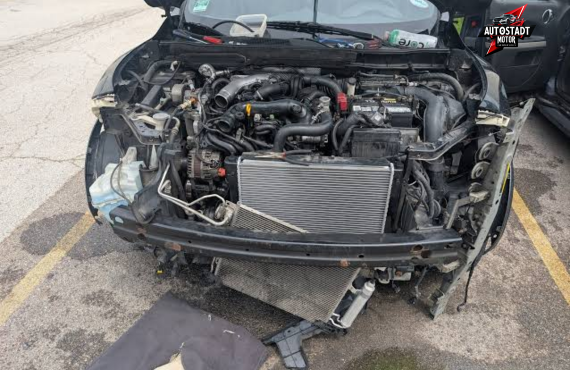
The goal is not just to stop a visible leak. A professional radiator inspection should establish why the problem occurred and whether other components, including the thermostat, water pump, cooling fans, hoses, and coolant reservoir, are also affected.
Signs Your Car Needs Nissan Radiator Repair
Nissan Radiator Repair for Coolant Leaks
One of the clearest warning signs is coolant appearing underneath the vehicle. Depending on the location of the leak, you may notice fluid around the front of the engine bay, beneath the radiator, or near connected hoses.
Coolant can be different colors depending on the type used, so identifying a leak only by its appearance is not always reliable. A professional inspection can determine whether the radiator itself is leaking or whether the source is a hose, connection, reservoir, or another part of the cooling system.
Ignoring a small leak can be risky because coolant loss reduces the system’s ability to control engine temperature.
Rising Engine Temperature
If the temperature gauge begins moving higher than normal, the radiator and cooling system should be checked promptly. An overheating engine should not be treated as a minor inconvenience.
A Nissan may overheat because of restricted radiator flow, insufficient coolant, a malfunctioning thermostat, a water pump problem, cooling fan failure, or another issue. Therefore, replacing the radiator without diagnosis may not solve the underlying problem.
Visible Radiator Damage
The radiator sits at the front of the vehicle and is exposed to road debris, dust, moisture, and other environmental conditions. Over time, radiator fins can become bent or blocked, reducing airflow through the cooling core.
Physical damage may also occur following an accident or impact. If the radiator core or tanks are damaged, professional Nissan radiator repair can determine whether the component can be restored or requires replacement.
Frequent Coolant Top-Ups
If you repeatedly need to add coolant, something is wrong. A properly functioning cooling system should not require constant topping up.
Frequent coolant loss may indicate a radiator leak, hose problem, reservoir issue, water pump leak, or another cooling-system fault. Continuing to drive while repeatedly adding coolant can hide the real problem rather than fixing it.
Overheating in Traffic
A Nissan that performs normally at highway speeds but begins getting hot while sitting in Dubai traffic may have a cooling airflow problem.
The radiator depends on adequate airflow to release heat. Cooling fan faults, blocked radiator fins, or other airflow restrictions can become more noticeable when the vehicle is stationary or moving slowly.
Coolant Smell Around the Engine Bay
A sweet or unusual coolant smell after driving can indicate a leak. Sometimes the leak is too small to leave an obvious puddle because the coolant reaches hot engine components and evaporates.
If a Nissan owner notices an unusual smell combined with falling coolant levels or temperature fluctuations, the cooling system should be inspected instead of waiting for a major failure.
Why Choose AutoStadt Motor Services for Nissan Radiator Repair
Choosing the right workshop matters because an overheating complaint does not automatically mean that the radiator itself needs to be replaced. AutoStadt Motor Services focuses on diagnosis first, allowing the technician to identify the actual source of the cooling-system problem.
Proper Cooling System Inspection
A radiator problem can be connected to several components. During an inspection, technicians can assess the radiator, coolant hoses, reservoir, radiator cap, thermostat, cooling fans, water pump, and other relevant components.
This broader approach helps prevent unnecessary parts replacement.
Leak Detection and Pressure Testing
Some coolant leaks are easy to see, while others only appear when the cooling system reaches operating pressure. Pressure testing can help identify leaks that are difficult to locate during a basic visual inspection.
For example, a radiator may appear fine while the vehicle is parked, but a small crack or weak connection may release coolant as pressure increases.
Nissan-Focused Service
Different Nissan models can have different cooling-system layouts and component configurations. A Nissan Patrol, for example, has different cooling requirements and engine packaging from a smaller Nissan Altima or X-Trail.
Understanding the specific vehicle helps technicians approach the diagnosis more effectively.
Repair Instead of Unnecessary Replacement
Not every radiator issue requires the same solution. Depending on the damage, the appropriate recommendation may involve repairing a minor issue, cleaning a restricted system, replacing a damaged radiator, or addressing another component that caused the overheating.
AutoStadt Motor Services aims to match the repair to the vehicle’s actual condition.
Service for Dubai Driving Conditions
Dubai driving can involve extended periods of stop-and-go traffic, long-distance motorway driving, and significant use of air conditioning. These conditions make cooling-system maintenance particularly important.
Regular inspections can identify developing problems before they turn into roadside breakdowns or major engine repairs.
How Our Nissan Radiator Repair Process Works
1. Initial Vehicle Assessment
The process starts by discussing the symptoms with the vehicle owner. Information such as overheating, coolant loss, unusual smells, warning lights, or temperature fluctuations can provide useful diagnostic clues.
The technician then performs a visual inspection of the engine compartment and cooling system.
2. Radiator and Cooling System Inspection
The radiator is examined for visible cracks, corrosion, damaged fins, leaks, blocked areas, and signs of previous repairs.
Connected components are also checked because a radiator problem may actually be caused by another part of the cooling system.
3. Cooling System Pressure Check
Where appropriate, pressure testing can help locate leaks that are not obvious during a visual inspection. This is especially useful when coolant levels continue dropping without a clearly visible puddle.
The purpose is to identify the source rather than simply treating the symptom.
4. Checking Coolant Flow and Temperature
The cooling system needs proper coolant circulation as well as sufficient airflow. Technicians can evaluate whether coolant is circulating correctly and whether the engine is reaching abnormal temperatures.
The thermostat, water pump, radiator, and cooling fans may all be considered during this stage.
5. Repair or Replacement Recommendation
Once the problem has been identified, the customer can be advised about the appropriate repair. If the radiator is damaged beyond practical repair, replacement may be the safer option.
If the radiator is healthy but another component is causing overheating, attention can instead be directed toward that component.
6. Coolant Refill and Final Checks
After the required repair, the cooling system is refilled with the appropriate coolant and checked for leaks. The vehicle can then be monitored to confirm that the engine temperature remains stable.
This final stage is important because a repair should address both the original fault and the cooling system’s overall operation.
Common Nissan Radiator Problems in Dubai
Radiators can develop several types of problems over their service life. External damage is one possibility, particularly when road debris impacts the radiator fins. Internal restrictions can also reduce coolant flow and heat transfer.
Another common concern is corrosion or deterioration around radiator connections and tanks. Hoses can become brittle with age, while seals and connections may eventually lose their ability to maintain a proper seal.
Dust and debris can also accumulate around the radiator and condenser area. When airflow becomes restricted, the cooling system may have to work harder to release heat.
However, the same symptoms can come from different causes. A Nissan overheating problem could involve the radiator, but it could also originate from the thermostat, water pump, cooling fan, coolant level, or another component. That is why diagnosis is more valuable than simply guessing which part needs replacement.
Nissan Radiator Maintenance Tips for Dubai Drivers
Preventive maintenance can reduce the likelihood of unexpected cooling-system problems. Nissan owners should periodically check coolant levels and pay attention to any unexplained reduction.
It is also worth inspecting the area underneath the vehicle for signs of fluid leakage. Unusual smells, temperature changes, or repeated coolant warnings should not be ignored.
Keeping the front cooling area reasonably clean can also help maintain airflow. However, cleaning should be performed carefully because radiator fins can bend easily.
Most importantly, avoid continuing to drive an overheating vehicle. Engine overheating can cause much more expensive problems than the original radiator fault.
For comparison, cooling-system concerns can affect vehicles across different brands. A Toyota Land Cruiser, BMW X5, Mercedes-Benz GLE, or Ford Explorer can also experience radiator, coolant, thermostat, or cooling-fan problems. The exact repair depends on the vehicle and the underlying fault.
Frequently Asked Questions About Nissan Radiator Repair in Dubai
1. How do I know if my Nissan radiator is leaking?
A radiator leak may appear as coolant underneath the front of the vehicle, falling coolant levels, a coolant smell, or visible wetness around the radiator. However, some leaks are small and may only become noticeable when the cooling system is pressurized.
If your Nissan repeatedly loses coolant, professional inspection is recommended because the leak may come from a hose, reservoir, water pump, or another component rather than the radiator itself.
2. Can I drive my Nissan with a radiator leak?
Driving with a radiator leak is generally not advisable, particularly if the coolant level is dropping or the engine temperature is increasing. The cooling system relies on sufficient coolant to remove heat from the engine.
Continuing to drive an overheating vehicle can turn a relatively manageable cooling-system repair into a much more serious engine problem. If the temperature rises abnormally, it is safer to stop driving and arrange an inspection.
3. Does an overheating Nissan always need a new radiator?
No. Overheating does not automatically mean that the radiator needs replacement. The cause could be a faulty thermostat, cooling fan, water pump, low coolant level, blocked airflow, damaged hose, or another cooling-system issue.
That is why AutoStadt Motor Services recommends diagnosing the vehicle before deciding which component should be repaired or replaced.
4. How often should I check my Nissan cooling system in Dubai?
There is no single interval that applies to every Nissan because maintenance requirements vary by model, engine, mileage, age, and driving conditions. However, coolant level, visible leaks, hoses, radiator condition, and cooling-system performance should be checked as part of routine vehicle maintenance.
Dubai drivers who frequently deal with heavy traffic or long journeys should pay particular attention to temperature changes and coolant loss.
5. How much does Nissan radiator repair cost in Dubai?
The cost depends on the actual problem. A minor leak or related cooling-system issue may require a different repair from a severely damaged radiator that needs replacement.
The vehicle’s Nissan model, radiator condition, required parts, labor, and any additional cooling-system problems can all affect the final cost. A proper inspection at AutoStadt Motor Services can help establish the cause and determine the appropriate repair before unnecessary work is performed.
Conclusion
Nissan radiator repair should never be delayed when your vehicle shows signs of coolant loss, overheating, unusual temperature fluctuations, or radiator damage. The radiator is a vital part of the engine cooling system, and a small fault can become considerably more expensive if the vehicle continues operating at excessive temperatures.
For Nissan owners in Dubai, timely inspection is especially useful because traffic conditions, long journeys, and demanding climate conditions can expose weaknesses in an aging cooling system. Rather than waiting for an overheating emergency, addressing early warning signs can help protect the engine and improve vehicle reliability.
AutoStadt Motor Services provides professional cooling-system inspection and Nissan radiator repair with a focus on accurate diagnosis and practical solutions. Whether your Nissan has a visible coolant leak, restricted radiator airflow, damaged components, or unexplained overheating, a proper inspection can identify the cause and help get the vehicle back to dependable operation.
If your Nissan is losing coolant or running hotter than usual, arranging an inspection early can be a much better option than waiting for a complete cooling-system failure.


Leave a Comment