
Nissan oil leak repair is an important service for Dubai drivers who notice oil spots under their vehicle, a burning-oil smell, or an unexplained drop in engine oil. Although a small leak may appear harmless at first, continued oil loss can eventually affect lubrication, increase engine temperatures, and contribute to expensive mechanical damage. The key is identifying where the oil is escaping rather than simply adding more oil and continuing to drive.
Nissan vehicles are widely used across Dubai because of their practicality, comfort, and suitability for both city driving and longer UAE journeys. Models such as the Nissan Altima, Patrol, X-Trail, and Sunny can all develop oil leaks as components age or seals lose their ability to maintain a proper seal. However, the cause is not necessarily the same from one vehicle to another.
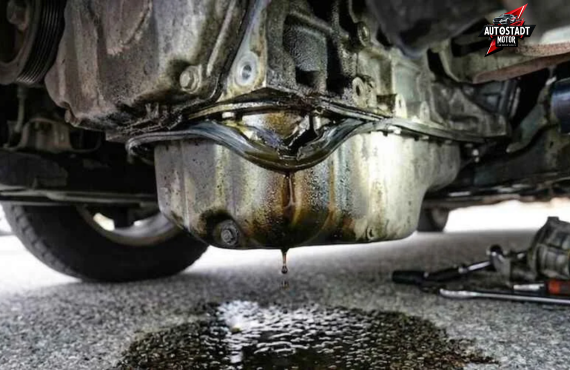
At AutoStadt Motor Services, Nissan oil leak repair starts with proper diagnosis. Our technicians inspect the engine and surrounding components to determine whether the problem is coming from a valve cover gasket, oil pan, crankshaft seal, oil filter area, timing cover, or another location. Once the source is confirmed, the appropriate repair can be carried out instead of replacing unrelated parts.
Signs Your Car Needs Nissan Oil Leak Repair
An oil leak does not always begin with a large puddle. In many cases, the first symptoms are subtle. Recognizing them early can prevent a relatively simple gasket or seal replacement from becoming a much larger engine repair.
Oil Spots Under the Nissan
One of the clearest warning signs is oil appearing underneath the vehicle after it has been parked. A few drops may indicate a developing leak, while a larger wet area suggests that oil loss may already be significant.
The location of the fluid can provide useful clues, but it should not be used as the only method of diagnosis because engine oil can travel across covers and other components before reaching the ground.
Falling Engine Oil Level
If you regularly need to add engine oil between scheduled services, there may be an underlying problem. Naturally, oil consumption and an external leak are different issues, so technicians need to determine whether the oil is escaping from the engine or being burned internally.
Checking the oil level according to the vehicle manufacturer’s procedure can help identify unusual changes. If the level repeatedly falls without an obvious reason, professional inspection is advisable.
Burning Oil Smell
A noticeable smell of burning oil can occur when leaked oil reaches hot engine components such as the exhaust manifold or other heated surfaces. This can sometimes happen even when there is little or no oil visible on the ground.
Ignoring this symptom is not recommended. Apart from continued oil loss, leaked oil contacting hot components can create additional concerns under the bonnet.
Oil Around the Engine
During a visual inspection, oily or wet areas around the upper or lower engine can indicate a leak. Common areas include valve cover gaskets, oil filter housings, oil pan seals, timing cover areas, and crankshaft seals.
Because Nissan engines vary by model and engine configuration, identifying the exact source requires more than simply looking for the wettest component.
Dashboard Warning Lights
A low oil pressure warning is particularly important. It does not simply mean that the vehicle needs an oil top-up; it can indicate insufficient oil pressure or another lubrication-related problem.
If an oil pressure warning appears, continuing to drive can put the engine at risk. The vehicle should be inspected promptly to establish the cause.
Smoke From the Engine Bay
Smoke or visible vapour from the engine compartment can sometimes occur when oil leaks onto hot components. If this happens together with a burning smell, the vehicle should be inspected rather than driven normally until the source is identified.
Common Causes Behind Nissan Oil Leaks
Understanding the possible causes makes it easier to see why a proper inspection matters.
One frequent cause is a worn gasket or seal. Rubber and sealing materials naturally deteriorate with age, heat cycles, and repeated exposure to engine fluids. Once a seal becomes hard or damaged, oil can begin escaping through the affected area.
A valve cover gasket leak is another common source. Oil may appear around the upper portion of the engine and can gradually spread to nearby components.
The oil pan and its sealing surface can also become a source of leakage. Damage, deterioration of the sealant, or an improperly installed component may allow oil to escape from the lower engine area.
Leaks can also develop around the oil filter or drain plug. If a filter is incorrectly installed, its seal is damaged, or a drain plug does not seal correctly after servicing, oil may begin to escape.
More complex leaks may involve the front or rear crankshaft seal or the timing cover area. These repairs can require considerably more labour because access to the affected component may be restricted.
For comparison, a Toyota Camry, BMW 5 Series, or Mercedes-Benz E-Class can experience similar categories of oil leaks, but the exact repair procedure, component design, and labour requirements differ considerably. That is why a Nissan-specific inspection is preferable to assuming that every engine leak can be handled in exactly the same way.
Why Choose AutoStadt Motor Services for Nissan Oil Leak Repair
Choosing the right workshop matters because oil leakage can originate from several different components, and replacing the wrong part will not solve the underlying problem.
At AutoStadt Motor Services, the approach is based on diagnosis first and repair second. Instead of treating visible oil residue as proof of a particular failed component, our technicians inspect the surrounding area and trace the leak toward its source.
Nissan-Focused Inspection
Different Nissan models use different engine layouts and components. Our technicians take the vehicle’s model, engine configuration, mileage, service history, and symptoms into consideration when assessing the problem.
This helps create a more accurate repair plan rather than applying a generic solution.
Proper Leak Identification
Oil can spread from one part of an engine to another. For example, oil appearing near the bottom of the engine does not necessarily mean that the oil pan itself is leaking.
A professional inspection can help distinguish between an upper-engine leak, lower-engine leak, seal failure, or fluid coming from another nearby component.
Quality Replacement Components
A successful oil leak repair depends not only on removing the failed component but also on using an appropriate replacement gasket, seal, filter, or related part and installing it correctly.
AutoStadt Motor Services focuses on completing the repair properly so that the vehicle can return to dependable daily operation.
Convenient Dubai Workshop Support
For Dubai car owners, unexpected mechanical problems can interfere with work, family commitments, and daily travel. A workshop that can inspect the vehicle and explain the required repair clearly makes the process easier.
Whether you drive a Nissan Patrol for long-distance trips or an Altima for everyday commuting, getting the problem checked early can help prevent unnecessary engine-related expenses.
How Our Nissan Oil Leak Repair Process Works
Step 1: Vehicle Assessment
The process begins with understanding what the driver has noticed. Oil spots, smell, smoke, warning lights, recent maintenance, and changes in oil level can all provide useful information.
The vehicle is then inspected to establish the condition of the engine and surrounding components.
Step 2: Leak Source Inspection
Technicians examine areas where oil commonly escapes, including gaskets, seals, the oil pan, filter area, timing cover, and other relevant components.
Where necessary, the affected area may need to be cleaned so that fresh leakage can be distinguished from older oil residue.
Step 3: Determine the Actual Cause
Once the suspected source has been identified, the technician determines whether the issue is related to a gasket, seal, loose or damaged component, installation problem, or another mechanical condition.
This stage is important because simply replacing the most visible component may not resolve the leak.
Step 4: Repair Recommendation
After diagnosis, the required repair is explained to the vehicle owner. The recommendation should make clear which component requires attention and why.
This gives the customer a better understanding of the work before repairs begins.
Step 5: Component Replacement or Repair
Depending on the diagnosis, the repair may involve replacing a gasket, seal, oil filter, drain plug seal, oil pan-related sealing material, or another damaged component.
During installation, proper preparation and correct fitting are essential for achieving a reliable seal.
Step 6: Oil Level and Leak Check
After the repair, the engine oil level is checked and the repaired area is inspected for signs of continued leakage.
The vehicle may also undergo additional checks depending on the original symptoms and the nature of the repair.
Step 7: Final Condition Review
Before the Nissan is returned, technicians review the repair and any additional maintenance concerns identified during inspection. This can help the owner address smaller issues before they become larger mechanical problems.
Preventing Future Nissan Oil Leaks
Regular maintenance can reduce the likelihood of unexpected engine problems, although no maintenance schedule can completely eliminate the possibility of seal or gasket failure.
Following the recommended engine oil and filter replacement intervals is important. Using the correct oil specification for the Nissan’s engine also matters because lubrication requirements vary between engines.
It is equally useful to inspect the engine compartment during routine servicing. Fresh oil residue, damp areas, damaged seals, or oil accumulation can provide an early indication of trouble.
Dubai’s combination of frequent stop-and-go traffic, long journeys, and high ambient temperatures can place additional demands on vehicle systems. Keeping up with scheduled maintenance therefore becomes especially valuable for vehicles used regularly.
If you own other vehicles such as a Ford Explorer, Audi Q7, or Nissan Patrol, the same principle applies: do not wait for a major fluid leak before having the vehicle inspected.
Frequently Asked Questions About Nissan Oil Leak Repair in Dubai
1. How much does Nissan oil leak repair cost in Dubai?
The cost depends on the actual source of the leak. A relatively accessible gasket or seal may require less labour, while a crankshaft seal, timing cover leak, or another difficult-to-access component can involve considerably more work. At AutoStadt Motor Services, the vehicle should be inspected first so the repair can be based on the actual problem rather than an assumed fault.
2. Can I keep driving my Nissan if it has an oil leak?
It depends on the severity and location of the leak. A minor seepage may not immediately create the same risk as rapid oil loss, but continuing to drive without knowing how much oil is being lost is not advisable. If the oil pressure warning appears, the engine becomes unusually noisy, or oil is leaking heavily, the vehicle should be stopped and inspected as soon as possible.
3. What are the most common places for a Nissan engine oil leak?
Possible leak points include the valve cover gasket, oil pan, oil filter area, drain plug, timing cover, crankshaft seals, and other engine sealing surfaces. The exact location depends on the Nissan model and engine. Because oil can spread across engine components, professional diagnosis is important before deciding which part needs replacement.
4. Does an oil leak mean the Nissan engine needs to be replaced?
No. An oil leak does not automatically mean that the engine is damaged beyond repair. Many leaks are caused by replaceable gaskets, seals, filters, plugs, or other components. However, if an oil leak has been ignored for a long period and has caused severe oil starvation or internal engine damage, the situation can become much more serious. Early inspection is therefore the safer approach.
5. How can I prevent oil leaks from becoming a major problem?
Regular servicing, correct engine oil, timely filter replacement, and routine inspections can help identify developing problems early. Pay attention to oil spots, unusual smells, falling oil levels, and warning lights. If you notice any of these signs, arranging Nissan oil leak repair promptly can help protect the engine and potentially reduce the overall repair requirement.
Conclusion
Nissan oil leak repair should not be treated as a simple matter of adding oil whenever the level drops. A leak is a symptom of an underlying problem, and identifying its source is the first step toward protecting the engine.
From valve cover gaskets and oil pans to seals, filters, and more difficult engine-area leaks, the correct repair depends on accurate diagnosis. Addressing the issue early can help maintain proper lubrication, reduce the risk of engine damage, and keep your Nissan dependable on Dubai roads.
AutoStadt Motor Services provides professional inspection and repair support for Nissan vehicles in Dubai. If your Nissan is leaving oil spots, developing a burning-oil smell, losing engine oil, or showing a warning light, having the vehicle checked early is a practical way to avoid allowing a small leak to develop into a much larger mechanical problem.


Leave a Comment