
Mercury heating repair helps drivers resolve problems with their vehicle’s cabin heating system, including weak warm airflow, inconsistent temperatures, unusual ventilation smells, and faulty climate controls. Although Dubai is known for its hot weather, a properly functioning heater remains important for comfortable driving during cooler winter mornings, colder evenings, and long-distance journeys. The heating system also works alongside the vehicle’s ventilation and, in many models, its windshield demisting functions.
When a Mercury vehicle stops producing warm air, the cause may involve the engine coolant level, thermostat, heater core, blower motor, temperature controls, or another component. In some cases, the engine may not reach its correct operating temperature. In others, the engine heats normally, but warmth does not reach the cabin as expected.
At AutoStadt Motor Services, the goal of a professional heating repair is to identify the underlying fault instead of replacing parts based on assumptions. A careful inspection can help determine whether the problem comes from coolant circulation, restricted airflow, a malfunctioning temperature control, or a separate engine cooling issue.
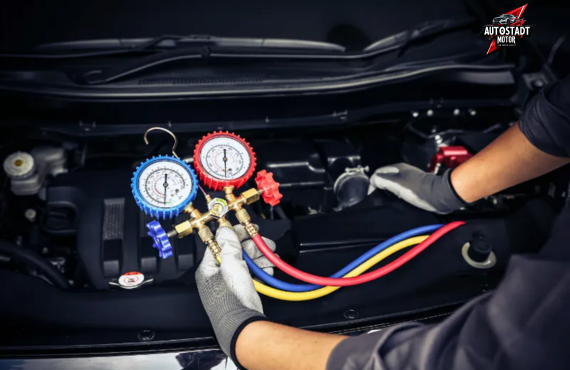
It is also important to distinguish between a cabin heater problem and an engine overheating problem. These systems are closely connected in many conventional petrol vehicles, so a fault affecting one may sometimes indicate trouble elsewhere. Addressing the issue promptly can help maintain cabin comfort, support effective windshield demisting, and reduce the risk of further mechanical complications.
Signs Your Car Needs Mercury Heating Repair
Heating problems do not always begin with completely cold air. Often, the system shows smaller changes in performance before the heater stops working altogether. Recognizing these symptoms can help you arrange an inspection before the problem becomes more disruptive.
1. The Heater Blows Cold Air
One of the clearest signs is air that remains cold even after the engine has warmed up and the temperature control has been adjusted.
In a conventional engine-coolant-based heating system, warm coolant transfers heat through the heater core. Air passing through or around this component becomes warm before entering the cabin. If the coolant level is low, circulation is restricted, or the heater core is blocked, the air may not reach the expected temperature.
However, cold airflow can also result from a faulty temperature blend door or an electronic climate-control problem. Therefore, checking the full system is more reliable than immediately assuming the heater core needs replacement.
2. Cabin Heating Is Weak or Inconsistent
Your Mercury may produce some warmth but fail to maintain a comfortable cabin temperature.
For example, the heater may work reasonably well during one journey but produce cooler air on another. In a conventional vehicle, possible causes include a thermostat that remains open, insufficient coolant, restricted circulation, or an issue with the system that directs air through the heater core.
A technician should also check whether the engine itself is reaching its normal operating temperature. If the engine remains too cool, the heating system may not receive enough heat to warm the cabin effectively.
3. The Engine Takes Too Long to Warm Up
A heater that produces only slightly warm air after an unusually long drive may indicate that the engine is not reaching its intended operating temperature.
A thermostat stuck in the open position is one possible cause. When this happens, coolant may circulate through the radiator too early, preventing the engine from warming up as efficiently as designed.
This issue should not be ignored simply because Dubai drivers do not use cabin heating every day. The thermostat also plays an important role in engine temperature regulation.
4. Weak Airflow From the Dashboard Vents
Sometimes the air is warm enough, but very little of it reaches the cabin.
This symptom points toward an airflow problem rather than necessarily indicating a failure in heat production. A clogged cabin air filter, weak blower motor, damaged fan resistor, electrical fault, or restricted ventilation passage may reduce airflow.
At AutoStadt Motor Services, the distinction between insufficient heat and insufficient airflow is important because the two complaints can require completely different repairs.
5. Unusual Smells Inside the Vehicle
A persistent sweet or chemical-like smell inside the cabin can sometimes indicate a coolant leak near the heater core or its connections.
Other warning signs may include unusual window fogging or a damp area around the front passenger footwell. These symptoms do not prove that the heater core is leaking, but they justify a prompt inspection.
If coolant is leaking into the cabin, delaying the repair may allow the problem to worsen. Avoid touching or tasting any suspected fluid, and do not continue driving if the engine temperature rises or other serious warning signs appear.
6. Engine Temperature Behaves Abnormally
A heater problem accompanied by an unusually high engine temperature requires greater attention.
Low coolant, a circulation problem, a thermostat fault, or another cooling-system issue may affect both engine temperature and cabin heating. If the engine overheats, stop safely and switch it off when appropriate. Do not open a hot coolant reservoir or radiator cap, because pressurized coolant can cause severe burns.
The vehicle should be inspected before normal driving resumes.
Why Choose AutoStadt Motor Services for Mercury Heating Repair
Selecting a workshop for Mercury heating repair involves more than finding someone who can make the vents produce warm air. The important consideration is whether the actual cause can be identified and repaired appropriately.
Accurate Diagnosis Instead of Guesswork
A heater that blows cold air can have several different causes. Replacing the thermostat without checking coolant circulation, for example, may not resolve a blocked heater core or faulty temperature control.
AutoStadt Motor Services approaches heating complaints by considering the vehicle’s symptoms, engine temperature, coolant condition, airflow, and relevant control components. This helps narrow down the possible causes before recommending a repair.
Inspection of Related Cooling Components
On conventional vehicles, cabin heating depends partly on the engine cooling system. Consequently, an effective inspection may involve checking coolant levels, hoses, thermostat operation, circulation, and signs of leakage.
The heater core and its connections may also require attention if there is evidence of restricted heat transfer or coolant loss.
Because the heating and cooling systems are interconnected, checking related components can help prevent the same problem from returning after an incomplete repair.
Attention to Airflow and Climate Controls
Not every heating complaint originates in the engine compartment.
A faulty blower motor, damaged actuator, electrical issue, or malfunctioning temperature selector can prevent warm air from reaching the cabin even when the engine is operating normally.
A proper diagnostic process considers these possibilities rather than concentrating exclusively on coolant-related parts.
Clear Repair Recommendations
The repair required depends on the actual fault. Some vehicles may need a cabin filter replacement or an electrical repair, while others may require thermostat, heater hose, heater core, or actuator work.
AutoStadt Motor Services can assess the problem and recommend a repair suited to the vehicle’s condition. This makes it easier for the owner to understand why a particular component needs attention and which work should be prioritized.
Support for Different Vehicle Types
Heating systems vary across manufacturers and vehicle generations. A conventional petrol-powered Mercury may use engine coolant to provide cabin heat, while some hybrid and electric vehicles use different heating arrangements.
Toyota, Nissan, BMW, and Mercedes-Benz models, for example, may have different component layouts and diagnostic requirements. The appropriate repair procedure should always be selected according to the vehicle’s exact configuration.
How Our Mercury Heating Repair Process Works
A structured inspection makes it easier to distinguish between a heat-generation problem, an airflow restriction, and a climate-control fault. The following steps describe the general process for a conventional engine-coolant-based heating system, with adjustments made for the vehicle being inspected.
Step 1: Discuss the Symptoms
The first step is to understand what the driver has experienced.
The technician may ask whether the heater blows completely cold air, becomes warm only after a long drive, produces inconsistent temperatures, or causes unusual smells. Information about recent coolant top-ups, previous repairs, or engine temperature warnings can also be useful.
These details help guide the initial inspection.
Step 2: Inspect the Coolant System
When the vehicle uses engine coolant for cabin heating, the coolant level and visible condition of the system are checked according to the manufacturer’s procedures.
The technician looks for signs of leakage around accessible hoses, connections, the radiator, and other relevant components. Low coolant can reduce heater performance and may indicate a leak that needs to be located.
The coolant system must be handled safely, particularly when the engine is hot.
Step 3: Evaluate Engine Temperature
The engine’s operating temperature is assessed to determine whether it reaches the expected range.
If the engine takes too long to warm up, a thermostat issue may be considered. If it overheats, further investigation of coolant circulation and the engine cooling system becomes necessary.
This stage helps establish whether the cabin heating problem may be linked to engine temperature regulation.
Step 4: Check Heater Core and Coolant Circulation
If the engine reaches its normal operating temperature but the cabin remains cold, the heater core and coolant flow may require further assessment.
A restricted heater core can limit heat transfer, while air trapped in the cooling system or another circulation problem can also interfere with heating. Any bleeding or refilling procedure should follow the correct manufacturer guidance.
The technician must identify the cause before deciding whether cleaning, repair, or component replacement is appropriate.
Step 5: Inspect the Blower and Temperature Controls
If the coolant system appears to be functioning properly, attention shifts to the cabin ventilation system.
The blower motor, relevant electrical circuits, temperature blend door, actuators, and climate-control settings may be checked according to the symptoms.
For instance, a blower that operates at only one speed suggests a different diagnostic direction from a blower that works normally but supplies only cold air.
Step 6: Complete the Necessary Repair
Once the fault is identified, the appropriate repair can be carried out.
Depending on the findings, this may involve replacing a faulty thermostat, repairing a coolant leak, addressing a restricted heater core, replacing a defective blower component, or correcting a climate-control issue.
The repair should match the confirmed problem rather than rely on a standard parts-replacement approach.
Step 7: Test Heating Performance
After the repair, the system is checked again under suitable operating conditions.
The technician assesses whether the cabin receives the expected heat, airflow is adequate, temperature controls respond correctly, and any identified leakage has been addressed.
If the original complaint involved engine temperature, that issue must also be reassessed. The purpose of the final test is to verify that the repair addresses the reported symptoms, not merely that a component has been replaced.
Mercury Heating Repair and Preventive Maintenance
Even if cabin heating is used infrequently in Dubai, maintaining the vehicle’s cooling system remains important.
Follow the manufacturer’s maintenance schedule for coolant inspection and replacement. Different vehicles require different coolant specifications, and mixing incompatible products can create problems. Never rely on coolant colour alone to determine compatibility.
It is also useful to pay attention to gradual changes in engine warm-up time, unusual smells, coolant level, and airflow. A small leak or developing thermostat problem may be easier to address before it causes a more serious failure.
The cabin air filter should be inspected according to the vehicle’s maintenance requirements, particularly if airflow has weakened or the ventilation system seems less effective.
Furthermore, do not ignore dashboard temperature warnings simply because the weather is hot. A vehicle’s engine should operate within its intended temperature range, and persistent overheating requires prompt attention.
For Mercury owners, AutoStadt Motor Services can help assess heating-related complaints alongside relevant cooling-system and ventilation components, allowing repairs to be based on the vehicle’s actual condition.
Frequently Asked Questions About Mercury Heating Repair in Dubai
1. Why is my Mercury heater blowing cold air?
Cold air can result from low coolant, a thermostat problem, restricted coolant circulation, a blocked heater core, or a faulty temperature blend door. On some vehicles, an electrical or climate-control fault may also prevent proper heating. The correct cause depends on the vehicle’s design and symptoms. A professional inspection can establish whether the problem originates in the engine cooling system or the cabin ventilation controls.
2. Is Mercury heating repair necessary in Dubai’s hot climate?
Yes, when a heating fault affects the vehicle’s operation or cabin ventilation. Although Dubai drivers may rarely need strong cabin heat, the heating system can still contribute to windshield demisting and overall climate-control performance. More importantly, some heater complaints are linked to low coolant, thermostat problems, or other engine cooling faults. Addressing those underlying issues is important regardless of how often the cabin heater is used.
3. How much does Mercury heating repair cost in Dubai?
The cost depends on the cause of the problem, the vehicle’s configuration, component accessibility, and the parts required. A minor electrical or airflow repair may be less involved than replacing a heater core, thermostat, or leaking component. An accurate estimate should follow a diagnostic inspection. AutoStadt Motor Services can assess the symptoms and identify the work required before a repair decision is made.
4. Can I drive my Mercury if the heater is not working?
If the only issue is a cabin heating fault and the engine operates normally, the vehicle may not necessarily need to be stopped immediately. However, if the heater problem occurs alongside low coolant, a rising engine temperature, a coolant warning, or visible leakage, the situation may be more serious. Stop safely if the engine overheats and avoid opening the cooling system while it is hot. Have the vehicle inspected before continuing if a serious cooling-system fault is suspected.
5. How can I prevent recurring Mercury heating problems?
Follow the manufacturer’s maintenance schedule, use the specified coolant, investigate unexplained coolant loss, and address unusual engine temperature behaviour promptly. Check the cabin filter when airflow decreases, and arrange an inspection if the heater develops persistent smells or inconsistent temperatures. Preventive maintenance cannot eliminate every component failure, but it can help identify developing problems before they lead to more extensive repairs.
Conclusion
Mercury heating repair is important when a vehicle develops weak cabin heating, cold airflow, unusual ventilation smells, inconsistent temperatures, or related cooling-system symptoms. Even in Dubai, where strong heating is rarely needed, a malfunctioning heater can sometimes point to a problem that deserves attention beyond cabin comfort.
The best repair approach begins with identifying the actual cause. Coolant loss, thermostat faults, heater core restrictions, blower problems, and climate-control failures require different solutions. Replacing components without proper diagnosis may leave the original issue unresolved.
AutoStadt Motor Services offers professional automotive inspection and repair support for heating and related cooling-system concerns. By assessing the symptoms, checking relevant components, and testing the system after repair, the workshop can help drivers make informed maintenance decisions.
If your Mercury heater is not working as expected, arranging an inspection can help establish whether the issue is limited to cabin airflow or connected to a more important engine cooling problem. Early diagnosis supports dependable vehicle operation and helps prevent avoidable repair complications.


Leave a Comment