
Mercury oil change is an essential maintenance service for keeping your vehicle’s engine properly lubricated, reducing friction between moving components, and supporting reliable performance. Whether you own a Mercury Grand Marquis, Mountaineer, Milan, or another model, using the correct engine oil and replacing it at the recommended interval can help protect the engine from premature wear.
Although Mercury vehicles are no longer produced, many remain on the road and continue to serve their owners. These vehicles may require particular attention to maintenance because their age, mileage, driving conditions, and service history can influence engine performance. In Dubai, where high ambient temperatures, traffic congestion, and frequent short journeys can place additional demands on a vehicle, routine engine oil maintenance is especially important.
Engine oil does more than lubricate moving parts. It also helps carry heat away from critical engine components, suspend certain contaminants, and support the proper operation of internal mechanisms. Over time, however, oil can become contaminated and lose some of its protective properties. An overdue oil change may therefore contribute to increased engine wear, reduced efficiency, and avoidable mechanical problems.
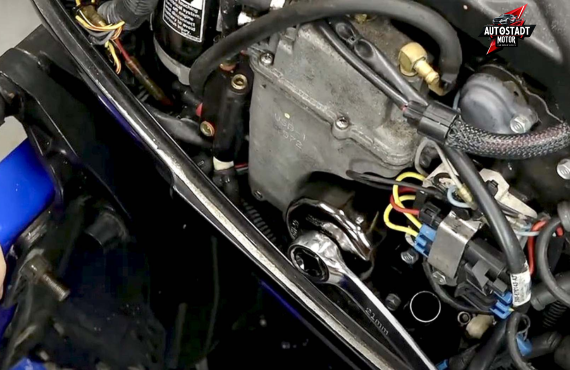
At AutoStadt Motor Services, Mercury owners can arrange engine oil maintenance based on their vehicle’s requirements and condition. The right service involves more than draining old oil and adding new fluid. It also includes selecting the appropriate oil specification, inspecting the oil filter, checking for leaks, and evaluating other maintenance concerns.
Signs Your Car Needs Mercury Oil Change
Engine oil does not always show obvious signs of deterioration, so relying only on its colour is not enough to determine when servicing is necessary. However, several warning signs can indicate that your Mercury needs an oil change or an engine inspection.
1. The Oil Change Interval Has Been Reached
The most reliable starting point is your vehicle’s maintenance schedule. Oil change intervals vary according to the engine, model year, oil specification, mileage, and driving conditions.
If your Mercury Grand Marquis or Milan has covered the mileage specified for its next service, arranging an oil change is a sensible preventive measure. Similarly, if you cannot confirm when the oil was last replaced, an inspection can help establish an appropriate maintenance plan.
Older vehicles with incomplete service records may benefit from closer monitoring because their previous maintenance history is not always clear.
2. The Engine Oil Looks Contaminated
Engine oil gradually collects contaminants as it circulates through the engine. Over time, it may become darker as part of normal operation.
Dark oil alone does not necessarily mean that an immediate oil change is required. Instead, the oil’s condition should be considered alongside its age, mileage, maintenance history, and the manufacturer’s recommendations.
If the oil appears unusually thick, contains visible particles, or has a milky appearance, the vehicle may need further investigation rather than a routine oil change alone.
3. The Engine Sounds Louder Than Usual
Engine oil helps maintain a protective film between moving components. When oil levels are too low or the lubricant is unsuitable or badly deteriorated, engine noise may become more noticeable.
You might hear increased ticking, tapping, or other unusual sounds. These noises can have several causes, including lubrication problems, so replacing the oil should not be treated as a guaranteed solution.
At AutoStadt Motor Services, unusual engine sounds should be assessed alongside the oil level and condition to determine whether additional diagnosis is needed.
4. The Oil Warning Light Appears
An oil warning light should never be ignored. Depending on the vehicle, it may indicate low oil pressure or another condition requiring immediate attention.
If the oil pressure warning light illuminates while driving, safely stop the vehicle as soon as possible and switch off the engine. Continuing to drive with insufficient oil pressure can cause serious engine damage.
It is also important to understand that an oil pressure warning is not necessarily a routine service reminder. The problem could involve a low oil level, an oil pump issue, a leak, or another mechanical fault.
5. You Notice Oil Leaks Under the Vehicle
Fresh oil spots beneath your Mercury may indicate leakage from a gasket, seal, drain plug, oil filter housing, or another engine component.
An oil change can include checking accessible areas for signs of leakage, but a leak may require a separate repair. Simply topping up the oil does not resolve the cause.
If the oil level repeatedly drops between services, arrange an inspection before the engine operates with insufficient lubrication.
6. Fuel Consumption or Engine Performance Changes
An overdue oil change is not the only possible cause of reduced fuel economy or poor performance. Nevertheless, using the wrong oil specification or neglecting maintenance can affect the engine’s operating condition.
If your Mercury begins running differently, investigate the symptoms instead of assuming that fresh oil alone will correct the issue. The air filter, ignition components, fuel system, sensors, and other parts may also need attention.
Why Choose AutoStadt Motor Services for Mercury Oil Change
Finding a workshop that understands routine servicing is important, particularly when maintaining an older vehicle that may have different requirements from newer models.
Vehicle-Specific Engine Oil Selection
Not every engine uses the same oil viscosity or specification. The correct choice depends on the vehicle’s engine, model year, operating requirements, and manufacturer guidance.
For example, an older Mercury Grand Marquis may have different requirements from a Mercury Mountaineer with another engine configuration. Selecting oil simply because it is commonly used in another vehicle can lead to an unsuitable maintenance choice.
AutoStadt Motor Services can assess the vehicle’s details and help determine the appropriate engine oil for the service.
Oil Filter Inspection and Replacement
The oil filter captures contaminants circulating through the lubrication system. A new oil supply should be paired with an appropriate filter according to the vehicle’s service requirements.
Using the correct filter and ensuring that it is installed properly helps maintain the intended lubrication system performance. The filter seal and surrounding area should also be checked for signs of leakage.
Attention to Older Vehicle Requirements
Mercury vehicles may have accumulated considerable mileage over the years. Their maintenance needs can differ depending on whether the vehicle has been driven regularly, stored for extended periods, or maintained consistently.
A vehicle with high mileage may require closer monitoring for oil consumption, leaks, and other signs of wear. However, high mileage alone does not automatically mean that thicker oil is necessary. Oil selection should remain consistent with the engine’s specifications and condition.
Preventive Maintenance Beyond the Oil
During an oil change appointment, it can be useful to inspect other accessible maintenance items, such as fluid levels, visible leaks, and general engine-bay condition.
If a separate problem is discovered, it can be evaluated before it develops into a more disruptive issue. This is particularly valuable for owners who depend on an older Mercury for regular commuting around Dubai.
Professional Servicing for Different Vehicle Brands
AutoStadt Motor Services also serves the broader automotive maintenance market, where different manufacturers require different service procedures. A Toyota Camry, Nissan Patrol, BMW 5 Series, or Mercedes-Benz E-Class may have different oil specifications, filter designs, and maintenance requirements.
The same principle applies to Mercury: servicing should be based on the particular vehicle rather than a universal oil-change formula.
How Our Mercury Oil Change Process Works
A dependable oil change follows a clear process that helps ensure the engine receives the correct lubricant and that common service-related problems are avoided.
Step 1: Confirm the Vehicle Details
The process begins by identifying the Mercury model, model year, engine configuration, and available service history.
These details help determine the appropriate oil specification, required quantity, and compatible oil filter. If the maintenance history is uncertain, the technician can discuss the vehicle’s current condition and recommend the next steps.
Step 2: Inspect the Existing Oil and Engine Area
Before draining the oil, the technician checks the available oil-level information and looks for visible signs of leakage or other concerns.
If the engine has warning lights, unusual noises, or a history of oil consumption, those symptoms should be considered before proceeding with routine maintenance.
This stage helps distinguish an ordinary oil change from a situation that requires further diagnosis.
Step 3: Drain the Used Engine Oil
The old oil is drained using the appropriate service procedure. The drain plug and its sealing components are inspected where accessible to identify damage or signs of leakage.
Careful handling is important because an improperly secured drain plug or damaged seal can cause oil loss after the vehicle leaves the workshop.
Step 4: Replace the Oil Filter
The existing oil filter is removed and replaced when required by the service procedure.
The correct filter must be selected for the specific engine. Its seal should be installed correctly, and the housing or mounting area should be checked to reduce the risk of leaks.
Step 5: Add the Correct Engine Oil
Fresh engine oil is added according to the vehicle’s specified grade and required quantity.
Using the correct specification is particularly important because engine designs differ in their lubrication requirements. The technician should not choose oil solely according to the vehicle’s age or the fact that it operates in Dubai’s hot climate.
Step 6: Verify the Oil Level and Check for Leaks
After the oil has been added, the level is checked using the manufacturer’s recommended procedure.
The drain plug and filter area are also checked for leakage. Where appropriate, the engine is run briefly and the level is rechecked according to the service procedure.
The objective is to confirm that the oil level is correct and that no obvious service-related leak is present.
Step 7: Review Other Maintenance Concerns
Finally, the technician can review any additional issues identified during the inspection.
These might include worn components, fluid leaks, unusual engine sounds, or other maintenance requirements. Separate repairs should be explained clearly so the owner understands which work is essential and which items can be scheduled for later.
Mercury Oil Change Tips for Dubai Driving Conditions
Dubai’s climate makes sensible maintenance particularly important, but it does not mean that every vehicle automatically needs a different oil grade.
Always follow the engine’s specified oil requirements and use the recommended service interval as the starting point. If the vehicle frequently experiences stop-and-go traffic, short journeys, extended idling, or dusty operating conditions, consult the manufacturer’s guidance about whether a more demanding service schedule is appropriate.
It is also wise to check the engine oil level at suitable intervals, especially if your Mercury is older or has previously consumed oil between services. Always follow the correct checking procedure and avoid overfilling the engine.
In addition, keep records of oil changes, filter replacements, and other maintenance work. These records help establish a clear service history and make it easier to identify changes in oil consumption over time.
Finally, never ignore an oil pressure warning or assume that an oil change will solve every engine-related symptom. If the engine is losing oil, making unusual noises, or showing warning lights, proper diagnosis should come before continued driving.
Frequently Asked Questions About Mercury Oil Change in Dubai
1. How often should I change the engine oil in my Mercury?
The appropriate interval depends on the Mercury model, engine, oil specification, mileage, and driving conditions. Your owner’s manual and maintenance schedule should be the primary references. If the vehicle is driven regularly in heavy traffic or mainly on short journeys, ask a qualified technician whether the manufacturer’s guidance recommends more frequent servicing for those conditions. If the service history is unknown, an inspection can help establish a suitable maintenance baseline.
2. Which engine oil is best for a Mercury Grand Marquis?
The correct engine oil depends on the model year and engine specification of the Grand Marquis. You should check the owner’s manual or the applicable manufacturer service information for the recommended viscosity and performance specification. Do not select oil only because it is synthetic, conventional, or marketed for high-mileage vehicles. AutoStadt Motor Services can help assess the vehicle details and identify a suitable oil for its particular requirements.
3. Can I use synthetic oil in an older Mercury?
Synthetic oil may be suitable for many older vehicles, but compatibility depends on the engine’s requirements and the oil’s specification. The vehicle’s age alone does not determine whether synthetic oil should be used. If your Mercury has high mileage, existing leaks, or noticeable oil consumption, have those conditions assessed before changing oil types. Choosing the correct specification is more important than assuming that one oil category is always better for every engine.
4. Why does my Mercury lose engine oil between oil changes?
Oil loss can occur because of external leaks, worn seals or gaskets, oil consumption within the engine, or other mechanical issues. The cause cannot always be identified from the oil level alone. If you repeatedly need to add oil, record how much is being used and arrange an inspection. Continuing to drive with an insufficient oil level can damage engine components, while repeatedly topping up the oil without addressing the cause may allow the underlying problem to worsen.
5. How much does a Mercury oil change cost in Dubai?
The cost depends on the engine oil required, the quantity needed, the oil filter, labour, and whether additional maintenance or repairs are necessary. Older or less common Mercury models may also require confirmation of compatible parts. For an accurate estimate, provide the workshop with your model, model year, and engine details. AutoStadt Motor Services can assess the service requirements and help determine which items are needed for the oil change.
Conclusion
Mercury oil change is a straightforward but important part of maintaining engine health, particularly for older vehicles that remain in regular use. Replacing engine oil at the appropriate interval helps maintain lubrication, while a suitable filter and correct oil specification support the engine’s intended operation.
For Mercury owners in Dubai, the best approach is to combine routine servicing with attention to oil levels, visible leaks, unusual engine noises, and changes in performance. If your vehicle has an uncertain maintenance history or is consuming oil between services, addressing those concerns early can help reduce the risk of avoidable engine damage.
AutoStadt Motor Services can assist with Mercury engine oil maintenance, oil filter replacement, and inspection of related concerns. By choosing the correct oil and following a careful service process, you can support more reliable operation and make informed decisions about your vehicle’s ongoing maintenance.
Arrange a Mercury oil change when your vehicle reaches its recommended service interval, or seek an inspection sooner if you notice warning signs that may indicate a lubrication problem.


Leave a Comment