
Mercury brake repair near me is an important search for Dubai drivers experiencing brake noise, reduced stopping power, pedal vibration, or other signs that their vehicle’s braking system needs attention. Although Mercury vehicles are no longer manufactured, many remain on the road, and maintaining their braking systems is essential for safe and predictable driving.
A vehicle’s brakes work through several interconnected components, including brake pads, rotors, calipers, hydraulic lines, brake fluid, and the master cylinder. Depending on the model, additional components such as an anti-lock braking system (ABS) and electronic brake controls may also influence braking performance. When one part becomes worn, contaminated, or damaged, the entire system can be affected.
Driving conditions in Dubai can put frequent demands on the brakes. Heavy traffic, repeated stops at intersections, motorway driving, and high ambient temperatures make regular brake inspections particularly valuable. Furthermore, an older vehicle may require closer attention to ageing rubber hoses, corroded components, and seals that have deteriorated over time.
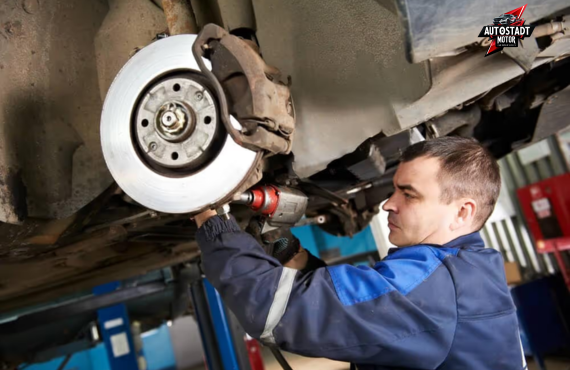
At AutoStadt Motor Services, Mercury owners can seek professional brake inspection and repair based on the vehicle’s actual condition. Whether your Mercury Grand Marquis, Milan, Mountaineer, or another model needs replacement brake pads, rotor servicing, or investigation of a brake-fluid leak, identifying the cause first helps ensure that the appropriate repair is carried out.
If you have been searching for Mercury brake repair near me in Dubai, understanding the warning signs and knowing when to arrange an inspection can help you make a more informed maintenance decision.
Signs Your Car Needs Mercury Brake Repair Near Me
Brake problems do not always begin with a complete loss of braking ability. Often, the system provides early warning signs that should be investigated before the condition worsens.
1. Squealing or Grinding Brake Noise
A high-pitched squeal when applying the brakes can indicate worn brake pads, although dust, moisture, or other contact between components may also create noise.
Grinding is more concerning. It can occur when the friction material has worn excessively and metal components begin contacting each other. Continued driving in this condition can damage the brake rotors and increase repair costs.
If your Mercury produces persistent or unusually loud brake noises, arrange an inspection instead of assuming the sound will disappear on its own.
2. The Brake Pedal Feels Soft or Spongy
A brake pedal that feels unusually soft, sinks farther than normal, or requires repeated pumping may indicate a hydraulic problem.
Possible causes include air in the brake lines, low brake fluid, a leak, or a fault involving the master cylinder. These problems can compromise braking performance and should not be ignored.
If the pedal suddenly becomes soft or braking ability decreases significantly, stop driving when it is safe to do so and arrange professional assistance.
3. Vibration When Applying the Brakes
If the steering wheel or brake pedal vibrates during braking, the system needs further examination.
Uneven rotor surfaces, excessive rotor runout, worn suspension components, or other mechanical issues may contribute to the vibration. The correct solution depends on the condition of the affected parts.
For example, a Mercury Mountaineer experiencing brake vibration may need an inspection of the rotors and related components rather than an automatic replacement of every brake part.
4. The Vehicle Pulls to One Side
A Mercury that pulls left or right when braking may have uneven braking force between the wheels.
Possible causes include a sticking caliper, uneven pad wear, contaminated friction material, a hydraulic problem, or an issue elsewhere in the suspension or tyres.
Because several faults can produce similar symptoms, a complete inspection is necessary to identify the source.
5. Brake Warning Light Appears
A brake warning light should always be taken seriously, particularly when it appears alongside a change in pedal feel or braking performance.
Depending on the warning, the cause may involve low brake fluid, a parking brake that has not been fully released, a hydraulic system fault, or another vehicle-specific issue. An ABS warning may indicate a problem with the anti-lock braking system.
The meaning of each warning depends on the vehicle’s configuration. Consult the owner’s manual and arrange an inspection rather than assuming the warning is harmless.
6. Brake Fluid Level Keeps Falling
Brake fluid should not continually disappear during normal operation. A falling level may indicate a leak or another problem requiring investigation.
Fluid may escape through a damaged brake hose, a connection, a caliper seal, or a master cylinder. Worn brake pads can also affect the fluid level as the caliper pistons extend, so the cause must be assessed correctly.
Do not simply keep topping up the reservoir without identifying why the level is falling.
7. Longer Stopping Distances
If your Mercury takes longer to stop than it normally does, the braking system may not be operating effectively.
Worn pads, damaged rotors, contaminated friction surfaces, overheated brakes, tyre problems, or hydraulic faults can all affect stopping performance.
In Dubai traffic, where vehicles may need to stop suddenly, this symptom deserves immediate attention. Avoid continuing normal driving if the brakes feel noticeably weaker than usual.
Why Choose AutoStadt Motor Services for Mercury Brake Repair Near Me
Finding a suitable workshop involves more than choosing the nearest location. Older vehicles often require careful assessment because their condition, replacement-part availability, and previous repair history can vary considerably.
Detailed Brake System Inspection
AutoStadt Motor Services can assess the braking system according to the reported symptoms and the vehicle’s condition.
The inspection may cover brake pad thickness, rotor condition, caliper operation, brake-fluid level, hoses, visible leaks, and relevant warning indicators. If necessary, the technician can investigate additional mechanical or electronic causes.
This approach helps distinguish routine wear from problems that require more extensive repair.
Repairs Suited to Older Mercury Models
Mercury vehicles such as the Grand Marquis, Milan, and Mountaineer differ in their design and braking configurations.
Because the brand has been discontinued, parts availability can depend on the model, production year, engine configuration, and local supply. Confirming the correct component before ordering or installing it is therefore especially important.
The aim is to identify compatible parts and recommend a practical repair based on the vehicle’s requirements.
Attention to Safety-Critical Components
Brake repairs should never be based on appearance alone. A pad may have some friction material remaining while another part of the system is deteriorating.
Similarly, replacing brake pads will not resolve a sticking caliper, damaged hose, or hydraulic leak. A complete assessment helps ensure that related problems are not overlooked.
Clear Repair Recommendations
Not every brake concern requires a full-system replacement.
Sometimes the issue involves worn pads. In other cases, rotor damage, caliper problems, or hydraulic faults may need attention. AutoStadt Motor Services can assess the affected components and recommend the work appropriate to the diagnosed condition.
Maintenance for Dubai Driving Conditions
Frequent braking in traffic can increase friction-related wear, while high temperatures can add thermal stress during demanding driving.
Regular inspections help identify wear before it reaches an unsafe level. The same principle applies to other vehicles, including the Toyota Camry, Nissan Altima, BMW 5 Series, and Mercedes-Benz E-Class, although the correct procedures and parts differ by vehicle.
How Our Mercury Brake Repair Near Me Process Works
A systematic process helps ensure that brake repairs address the actual fault instead of temporarily reducing the symptoms.
Step 1: Discuss the Symptoms
The first step is to understand what you have noticed while driving.
You may report squealing during light braking, vibration at higher speeds, a soft pedal, a warning light, or fluid appearing beneath the vehicle. Information about when the symptoms occur helps guide the initial inspection.
The model year and specific Mercury model are also useful because brake configurations can vary.
Step 2: Inspect Brake Pads and Rotors
The technician checks the condition of the friction components.
Brake pads are assessed for remaining material and uneven wear. Rotors are examined for scoring, cracking, excessive wear, or other damage that could affect performance.
Measurements and manufacturer specifications help determine whether the parts can remain in service or require replacement.
Step 3: Examine Calipers and Hydraulic Components
If the symptoms suggest a hydraulic or mechanical fault, the inspection may include the calipers, brake hoses, connections, master cylinder, and other relevant components.
Visible fluid leakage, seized components, damaged rubber parts, or uneven caliper movement can indicate the need for additional work.
This step is particularly important for older Mercury vehicles, where age and previous maintenance can influence component condition.
Step 4: Check Brake Fluid and Warning Indicators
Brake fluid is checked for the appropriate level and any signs that further investigation is needed.
Where relevant, warning lights and ABS-related symptoms are assessed. Electronic diagnosis may be necessary if the vehicle reports a fault that cannot be confirmed through a visual inspection alone.
The fluid specification must match the vehicle’s requirements. Different brake fluids should not be mixed without confirming compatibility.
Step 5: Recommend and Complete the Repair
After the fault has been identified, the necessary work can be recommended.
Depending on the diagnosis, this may include replacing brake pads, machining or replacing rotors where permitted by specifications, servicing or replacing calipers, repairing a fluid leak, or addressing another brake-system fault.
Parts should be compatible with the particular Mercury model, and repairs should follow the applicable service procedures.
Step 6: Test the Braking System
After the repair, the technician checks the system to confirm that the work has been completed correctly.
This may include checking fluid levels, verifying pedal feel, inspecting for leaks, confirming that relevant warning lights are resolved, and carrying out an appropriate functional test.
A road test should only be performed when the vehicle is safe to operate. The objective is to verify the repair rather than assume that replacing a component has automatically resolved every symptom.
Mercury Brake Maintenance Tips for Dubai Drivers
Preventive maintenance is particularly valuable for older vehicles because wear can develop across several components at the same time.
First, pay attention to changes in pedal feel, unusual sounds, vibration, or stopping distance. These symptoms should be assessed promptly rather than postponed until the next routine service.
Second, have brake pads and rotors inspected at suitable maintenance intervals. There is no single replacement mileage that applies to every driver because wear depends on traffic, driving habits, component quality, and vehicle condition.
Third, keep the brake-fluid service schedule aligned with the manufacturer’s recommendations. Brake fluid can absorb moisture over time, potentially affecting system performance and contributing to internal corrosion.
Additionally, investigate any unexplained fluid loss. Brake fluid leaks are safety-critical and should never be treated as an ordinary maintenance inconvenience.
Finally, make sure replacement components are suitable for your specific model. This is especially important for discontinued vehicles, where similar-looking parts may not have identical specifications.
Frequently Asked Questions About Mercury Brake Repair Near Me in Dubai
1. Where can I find Mercury brake repair near me in Dubai?
Look for an automotive workshop that can inspect the braking system, identify the source of the problem, and confirm the compatibility of replacement parts with your Mercury model. AutoStadt Motor Services can be contacted for brake inspection and repair enquiries. Before arranging the work, provide the model name, production year, and symptoms so the workshop can assess the requirements and discuss parts availability.
2. How much does Mercury brake repair cost in Dubai?
The cost depends on the model, the parts affected, labour requirements, and the availability of compatible components. Replacing worn brake pads is generally a different job from repairing a hydraulic leak or replacing damaged rotors and calipers. Because Mercury vehicles are discontinued, the availability and price of suitable parts may also vary. An inspection and repair estimate are the best ways to establish the likely cost for your specific vehicle.
3. How do I know whether my Mercury needs new brake pads or rotors?
Worn pads may produce squealing, reduced friction material, or a warning indicator if the vehicle is equipped with a relevant wear sensor. Rotor problems may cause vibration, scoring, or uneven braking. However, these symptoms can overlap with other faults. A technician should inspect and measure the components against the applicable specifications before deciding whether pads, rotors, or both need replacement.
4. Is it safe to drive my Mercury if the brakes are making a grinding noise?
Grinding can indicate that the brake friction material has worn excessively or that another component is contacting the rotor. Continuing to drive may damage the braking components and compromise stopping performance. If the noise is persistent or accompanied by weaker braking, vibration, or a warning light, stop driving when safe and arrange professional assistance. Do not assume that the problem will disappear after the brakes become warm or dry.
5. Can AutoStadt Motor Services repair older Mercury models such as the Grand Marquis?
Repair feasibility depends on the vehicle’s condition, the type of fault, and the availability of compatible parts. The Mercury Grand Marquis, Milan, and Mountaineer have different specifications, so the exact model and year should be confirmed before work begins. Contact AutoStadt Motor Services with those details to discuss the required inspection, potential repair options, and parts availability. This helps establish a practical repair plan for your vehicle.
Conclusion
Mercury brake repair near me is a valuable search when your vehicle develops brake noise, pedal vibration, fluid loss, warning lights, or reduced stopping performance. Although Mercury is a discontinued brand, its vehicles can still require regular maintenance and careful attention to safety-critical components.
The right repair starts with a reliable diagnosis. Worn brake pads, damaged rotors, sticking calipers, ageing hoses, and hydraulic problems require different solutions, so replacing parts without identifying the cause can waste money and leave the original fault unresolved.
For Dubai drivers, timely brake inspections are particularly important because frequent traffic stops and demanding driving conditions place repeated demands on the braking system. AutoStadt Motor Services can help assess Mercury brake concerns and recommend repairs according to the vehicle’s condition and requirements.
If your Mercury is showing any signs of brake trouble, arrange an inspection promptly. Addressing the problem before it worsens can help preserve braking performance, protect related components, and support safer driving.


Leave a Comment