
Mercedes denting painting is an essential service for restoring the appearance, bodywork, and paint finish of a Mercedes-Benz after scratches, dents, minor collisions, or other exterior damage. Whether you drive a Mercedes-Benz C-Class, E-Class, GLC, or GLE, maintaining the vehicle’s exterior helps preserve its premium appearance and supports its long-term value.
In Dubai, vehicles face several conditions that can affect exterior paintwork. Strong sunlight, fine desert dust, sand particles, crowded parking areas, and busy roads can contribute to scratches, paint fading, stone chips, and minor body damage. Even a small dent on a door or a scrape on a bumper can become noticeable on a luxury vehicle, especially when the original paint has a glossy, carefully matched finish.
At AutoStadt Motor Services, Mercedes denting painting focuses on addressing visible body damage and restoring the exterior as closely as practical to its original condition. Depending on the damage, the work may involve paintless dent removal, panel reshaping, scratch repair, bumper repair, surface preparation, colour matching, or complete repainting of an affected panel.
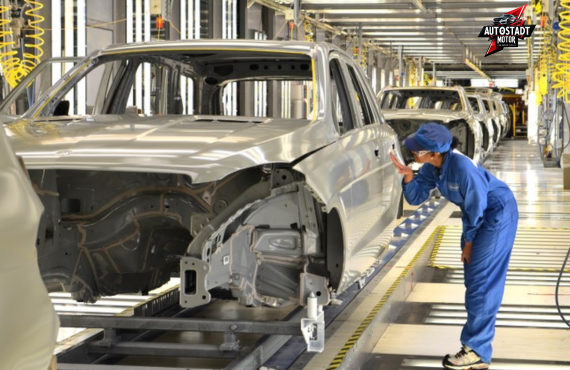
However, quality bodywork involves more than applying a fresh coat of paint. The damaged area must be assessed carefully, the surface prepared correctly, and the paint finish matched to the surrounding panels. This is particularly important for Mercedes-Benz vehicles, where differences in colour, gloss, and texture can affect the overall appearance.
If your Mercedes has developed a dent, chipped paint, or accident-related damage, choosing the appropriate repair method can help restore its appearance without replacing parts unnecessarily.
Signs Your Car Needs Mercedes Denting Painting
Exterior damage does not always require extensive bodywork. Nevertheless, identifying the type of damage early helps determine whether a simple repair or a more comprehensive paint restoration is appropriate.
1. Visible Dents on Doors, Fenders, or Quarter Panels
Dents can occur when another vehicle contacts your car in a parking area, a shopping trolley strikes a panel, or an object hits the bodywork.
On a Mercedes-Benz, even a shallow dent can interrupt the clean lines of the body. The damage may be particularly noticeable on large, smooth panels such as the doors and rear quarter panels.
If the paint remains intact and the metal has not stretched significantly, paintless dent removal may be suitable. However, deeper dents, sharp creases, or damaged paint generally require conventional dent repair followed by refinishing.
2. Scratches That Affect the Paint Finish
Scratches can develop from keys, branches, rough cleaning materials, sand particles, or contact with another vehicle.
Some marks affect only the clear coat, while deeper scratches reach the base coat or expose the underlying primer or metal. The appropriate treatment depends on the depth and extent of the damage.
For example, a light surface mark may respond to professional polishing, whereas a deep scratch may need localised repainting. Applying paint without correcting the underlying damage will not produce a satisfactory long-term result.
3. Peeling, Faded, or Discoloured Paint
Dubai’s strong sunlight can place considerable demands on automotive paintwork. Over time, an ageing or previously repaired finish may show fading, peeling, loss of gloss, or differences in colour between panels.
These problems can become more noticeable on vehicles with darker paint colours or complex metallic finishes.
A professional inspection helps determine whether polishing is sufficient or whether the affected area needs sanding, primer, and a new paint finish.
4. Bumper Scuffs and Parking Damage
Front and rear bumpers are particularly vulnerable to low-speed contact, parking barriers, and tight manoeuvres.
A bumper may develop scuff marks, cracked paint, scratches, or small deformations. Depending on its material and the extent of the damage, the repair may involve plastic surface preparation, reshaping, filling, refinishing, or component replacement.
AutoStadt Motor Services can assess the damage and recommend an appropriate repair rather than automatically suggesting a new bumper.
5. Paint Chips From Road Debris
Small stones and road debris can strike the bonnet, front bumper, and side panels. These impacts may create tiny chips that expose the paint layers underneath.
Although individual chips may appear insignificant, exposed surfaces can deteriorate further if the damage is left untreated.
Prompt touch-up or localised refinishing, where appropriate, can help protect the affected area and maintain a more consistent exterior appearance.
6. Uneven Paint After a Previous Repair
If a previously repaired panel looks duller, darker, or glossier than the surrounding bodywork, the earlier repair may not have matched the original finish correctly.
Visible overspray, rough paint texture, sanding marks, or inconsistent panel colour can also indicate poor refinishing work.
A professional assessment can establish whether the panel needs polishing, blending, or a more complete repaint.
Why Choose AutoStadt Motor Services for Mercedes Denting Painting
Mercedes-Benz vehicles deserve a repair process that considers their body design, paint finish, and the type of damage involved. The right approach should restore the panel while avoiding unnecessary work.
Vehicle-Specific Damage Assessment
At AutoStadt Motor Services, the first step is to assess the affected panel and determine how deeply the damage extends.
A shallow dent with undamaged paint requires a different technique from a deep crease with cracked paint. Similarly, a bumper scuff may need a different treatment from corrosion or paint peeling on a metal panel.
Understanding these differences helps establish a suitable repair plan.
Careful Paint Colour Matching
Matching automotive paint involves more than choosing a colour name. Metallic and pearlescent finishes can look different depending on lighting, viewing angle, paint application, and the condition of the surrounding panels.
A suitable colour-matching process helps reduce visible differences between the repaired area and the original finish. Where necessary, blending into adjacent panels may be considered to achieve a more consistent appearance.
Appropriate Dent Repair Techniques
Not every dent should be repaired using the same method.
Paintless dent removal can be effective for suitable shallow dents where the paint remains intact and the panel can be accessed appropriately. More extensive damage may require panel beating, reshaping, filling, sanding, and refinishing.
Selecting the correct technique helps preserve as much of the original panel and paintwork as practical.
Attention to Surface Preparation
The final appearance of a paint repair depends heavily on the preparation beneath the visible finish.
Cleaning, sanding, correcting imperfections, applying suitable primer, and preparing the surface correctly all contribute to the result. Rushing these stages can lead to uneven texture, poor adhesion, or visible imperfections after the paint cures.
Repairs for Different Mercedes-Benz Models
The requirements for repairing a Mercedes-Benz C-Class may differ from those for an S-Class, GLC, GLE, or G-Class. Panel shapes, exterior materials, trim, and paint finishes can influence the repair procedure.
AutoStadt Motor Services assesses the specific vehicle and affected area before recommending the work required.
The same principle applies to other vehicles, including the BMW 5 Series, Audi Q7, Toyota Land Cruiser, and Nissan Patrol. Each vehicle should be assessed according to its own bodywork and finish.
How Our Mercedes Denting Painting Process Works
A professional body repair process follows a series of practical steps, from initial inspection to the final finish check.
Step 1: Inspect the Damaged Area
The process begins with an examination of the damaged panel.
The technician assesses the size, depth, and location of the dent or scratch, checks the condition of the paint, and looks for signs of previous repairs. If the vehicle has suffered a collision, nearby panels and relevant body components may also require inspection.
This helps establish the scope of the work before repairs begin.
Step 2: Select the Right Repair Method
After the inspection, the suitable technique is identified.
A minor dent may be suitable for paintless dent removal. A deeper dent may require panel reshaping and conventional refinishing. Scratches may need polishing, localised paint repair, or repainting, depending on their depth.
The objective is to use a method appropriate to the damage rather than applying the most extensive repair automatically.
Step 3: Repair the Panel and Prepare the Surface
If the panel is deformed, it is carefully reshaped as required. Any necessary surface correction is then performed.
Depending on the repair, this stage may include removing damaged paint, sanding imperfections, applying body filler where appropriate, and preparing the surface for primer and paint.
Correct preparation provides a more suitable foundation for the refinishing process.
Step 4: Match and Apply the Paint
Once the surface is ready, the paint colour and finish are selected to suit the vehicle.
The affected area is prepared for painting, and the appropriate coating system is applied. Depending on the finish, this may include primer, base coat, and clear coat.
Controlled application is important because uneven coverage, incorrect colour selection, or poor technique can create visible differences in the finished panel.
Step 5: Allow the Finish to Cure
Paint needs appropriate curing time before the repair can be considered complete.
The time required depends on the paint system, application method, and working conditions. Rushing the process may compromise the finish, so the recommended procedures should be followed.
Step 6: Inspect the Final Result
After the repair, the panel is checked for colour consistency, surface smoothness, gloss, and visible imperfections.
The repaired area should also be examined under suitable lighting to identify issues that may not be obvious in dim conditions.
Where necessary, appropriate finishing or polishing can help improve the final appearance.
Step 7: Review the Repair With the Customer
The completed work should be reviewed so the customer understands what has been repaired and whether any further attention is recommended.
If the damage extended beyond the visible paintwork, the technician can explain the relevant findings and any additional work that may be needed.
This final review provides a clearer understanding of the repair and its outcome.
Mercedes Denting Painting Cost in Dubai
The cost of Mercedes denting painting depends on several factors, so a reliable estimate should be based on the actual damage.
A small scratch may require only polishing or localised paintwork. A dent with cracked paint may need panel reshaping, surface preparation, and refinishing. Extensive accident damage can involve several panels, bumper components, sensors, or other parts.
The paint colour also matters. Certain metallic and pearlescent finishes require more careful matching than straightforward solid colours. In addition, the size of the affected area, accessibility, previous repairs, and availability of replacement components may influence the overall cost.
For this reason, it is better to have the vehicle inspected before deciding between repair and replacement. AutoStadt Motor Services can assess the affected area and recommend a suitable approach based on the vehicle’s condition.
Frequently Asked Questions About Mercedes Denting Painting in Dubai
1. How much does Mercedes denting painting cost in Dubai?
The price depends on the extent of the damage, the panel involved, the paint finish, and the repair technique required. A small scratch or shallow dent may cost considerably less than repairing a deeply damaged door or repainting multiple panels. Metallic and pearlescent finishes may also require additional colour-matching work. The most reliable way to obtain an accurate estimate is to have the vehicle inspected by AutoStadt Motor Services before approving the repair.
2. Can a Mercedes dent be repaired without repainting?
Yes, in suitable cases. Paintless dent removal may work when the dent is relatively shallow, the paint remains undamaged, and the panel can be accessed properly. This technique reshapes the panel without conventional sanding and repainting. However, sharp creases, stretched metal, damaged paint, or dents near certain panel edges may require another method. An inspection is necessary to determine whether paintless dent repair is appropriate for your Mercedes-Benz.
3. How long does Mercedes denting painting take?
The timeframe depends on the severity of the damage and the number of panels involved. A minor dent repair may be completed relatively quickly, while repairs requiring panel reshaping, primer, multiple paint layers, and curing can take longer. Extensive accident damage may also require additional component work. AutoStadt Motor Services can provide a more realistic timeframe after examining the vehicle and determining the repair process.
4. Will the new paint match my original Mercedes-Benz colour?
A properly performed repair aims to match the original colour and finish as closely as possible. However, the result depends on the paint code, existing paint condition, colour formulation, application technique, and lighting conditions. Some metallic and pearlescent finishes are particularly sensitive to viewing angles. In certain cases, blending into an adjacent panel may help create a more consistent transition. A suitable colour-matching process is therefore important when repairing premium vehicle paintwork.
5. Should I repair a small dent or leave it as it is?
The decision depends on the dent’s depth, the condition of the paint, and whether the affected area is exposed to moisture or further damage. A shallow dent with intact paint may be primarily a cosmetic concern, whereas chipped paint or exposed metal can require more timely attention. Small dents can also reduce the overall appearance of a luxury vehicle. Having the damage assessed early helps you understand whether a simple repair is sufficient or whether more comprehensive bodywork is advisable.
Conclusion
Mercedes denting painting is about more than improving the appearance of a damaged panel. The right repair can restore body lines, improve paint consistency, address visible scratches, and help maintain the overall presentation of your Mercedes-Benz.
From minor parking dents and bumper scuffs to deeper scratches and accident-related damage, the appropriate solution depends on the condition of the panel and the original paintwork. Careful inspection, suitable repair techniques, proper surface preparation, and accurate colour matching all contribute to a satisfactory result.
At AutoStadt Motor Services, Mercedes-Benz owners in Dubai can seek professional bodywork and paint repair based on the specific condition of their vehicle. Rather than treating every dent or scratch in the same way, the aim is to identify the required work and recommend a practical repair solution.
If your Mercedes has visible dents, chipped paint, scratches, or an uneven finish after a previous repair, arrange an inspection to understand your options. Addressing exterior damage appropriately can help keep your vehicle looking its best while supporting its long-term condition and value.


Leave a Comment