
Mercury denting painting helps restore a vehicle’s appearance after scratches, dents, paint damage, minor collisions, or years of exposure to demanding driving conditions. For Dubai car owners, maintaining the exterior is not just about keeping a vehicle attractive. Proper automotive body repair can also help protect exposed metal, preserve the paint finish, and prevent minor cosmetic problems from becoming more serious.
Whether your Mercury has a dented door, a scratched bumper, faded paint, or damage caused by a parking incident, the right repair approach depends on the condition of the bodywork and the extent of the paint damage. Some imperfections can be corrected with paintless dent repair, while deeper dents, cracked paint, and damaged panels may require filling, sanding, refinishing, or panel replacement.
At AutoStadt Motor Services, the focus is on identifying the type of damage and recommending a suitable repair method. Professional car dent repair and automotive painting involve more than covering an imperfection with a fresh coat of paint. The damaged area must be prepared properly, repaired to the correct shape, and refinished to achieve a consistent appearance.
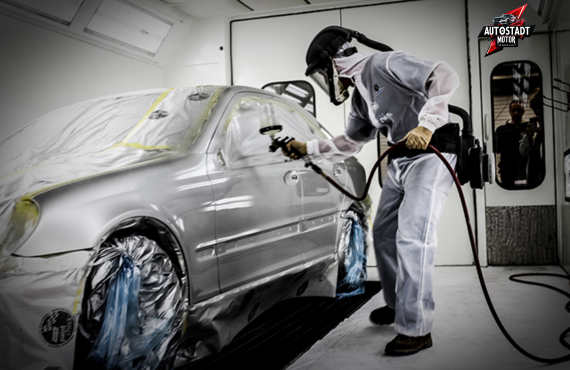
Dubai’s climate also makes exterior maintenance important. Strong sunlight, heat, airborne dust, and frequent exposure to outdoor parking can affect a vehicle’s finish over time. Although quality automotive paint is designed to withstand normal conditions, neglected scratches and damaged paint can leave the underlying surface vulnerable.
If your Mercury needs professional bodywork, AutoStadt Motor Services can help assess the damage and guide you toward an appropriate denting and painting solution.
Signs Your Car Needs Mercury Denting Painting
Exterior damage is not always limited to major accidents. Small imperfections can develop during everyday driving, parking, and vehicle use. Recognizing them early helps you decide whether a repair is necessary.
1. Visible Dents on Doors, Fenders, or Body Panels
Dents are among the most common reasons to arrange automotive body repair. They may result from tight parking spaces, minor collisions, falling objects, or contact with another vehicle.
Even a relatively small dent can change the appearance of a Mercury, particularly when it appears on a door, bonnet, or prominent body panel. In addition, a dent may stretch the metal or damage the surrounding paint, making a simple repair more complicated than it initially appears.
The correct repair method depends on the dent’s depth, location, accessibility, and effect on the paint. Paintless dent removal may be suitable when the paint remains intact and the panel can be reshaped without conventional refinishing.
2. Scratches That Expose the Underlying Surface
Not every scratch requires a complete repaint. Light surface marks may be removable through suitable polishing, whereas deeper scratches can cut through the clear coat and colour layer.
If a scratch exposes the primer or bare metal, professional attention becomes more important. Exposed metal can develop corrosion if left unprotected, particularly when the damage is repeatedly exposed to moisture and contaminants.
A proper assessment helps determine whether the area needs paint correction, localized touch-up work, or a more comprehensive panel respray.
3. Faded or Dull Paintwork
Over time, a vehicle’s finish can lose its original shine. Prolonged sun exposure, environmental contaminants, unsuitable cleaning products, and neglected paint maintenance can contribute to a dull appearance.
If the paint has only light surface oxidation or minor imperfections, polishing may improve its appearance. However, when the colour coat or clear coat has deteriorated significantly, repainting may be the more appropriate solution.
AutoStadt Motor Services can assess the finish and help establish whether paint correction or automotive refinishing is the better option.
4. Peeling, Bubbling, or Flaking Paint
Paint that begins peeling or bubbling should not simply be covered with another layer. These problems may indicate poor adhesion, previous low-quality repairs, corrosion, or damage beneath the finish.
Applying fresh paint without preparing the surface can lead to further peeling and an inconsistent result.
The damaged coating must first be investigated. Depending on the underlying condition, the repair may require removing loose paint, treating corrosion, preparing the panel, and applying a compatible primer and refinishing system.
5. Bumper Damage After Parking Incidents
Bumpers frequently develop scuffs, scratches, and small cracks because they are exposed to minor impacts during parking and low-speed manoeuvres.
Plastic bumper repairs differ from repairs to steel or aluminium body panels. The appropriate process depends on the bumper material, the location of the damage, and whether any mounting points or structural elements have been affected.
For deeper damage, a technician should inspect the bumper rather than treating every mark as a paint-only problem.
6. Uneven Colour From Previous Repairs
A repaired panel that looks lighter, darker, or glossier than the surrounding bodywork can make the entire vehicle appear poorly maintained.
Colour differences may result from incorrect paint matching, inadequate blending, inconsistent application, or ageing of the original finish.
Professional refinishing involves matching the paint as closely as practical and evaluating how it appears under different lighting conditions. On older vehicles, the original paint may have changed slightly over time, so blending adjacent panels may sometimes be considered to achieve a more consistent result.
Why Choose AutoStadt Motor Services for Mercury Denting Painting
Choosing a body repair workshop involves more than comparing prices. The preparation, repair method, paint application, and finishing work all influence the final appearance and durability.
Detailed Damage Assessment
At AutoStadt Motor Services, the first priority is understanding the damage before recommending a repair.
A shallow dent with undamaged paint requires a different approach from a deep crease with cracked paint. Likewise, a scratched bumper may need localized refinishing, while a badly damaged panel could require more extensive bodywork.
Assessing the affected area helps determine the practical repair options and reduces the risk of unnecessary work.
Appropriate Dent Repair Techniques
Not every dent should be repaired using filler and paint. Where the paint remains intact and the panel condition allows it, paintless dent repair may preserve the original finish.
For more severe damage, conventional panel beating, reshaping, surface preparation, and repainting may be necessary.
The objective is to choose a method that suits the panel rather than applying the same process to every vehicle.
Attention to Paint Matching
Paint colour and finish are particularly important when only one section of a vehicle is being refinished.
A professional paint job requires suitable colour selection, surface preparation, controlled application, and careful finishing. Metallic and pearlescent paints can be especially sensitive to application technique and viewing angle.
AutoStadt Motor Services can assess the affected panels and determine the appropriate refinishing approach for the vehicle’s finish.
Preparation Before Painting
The quality of a paint repair depends heavily on what happens before the paint is applied.
Dust, grease, loose paint, corrosion, and poorly prepared surfaces can affect adhesion and the final finish. Depending on the damage, the process may involve sanding, cleaning, filling, priming, and preparing the panel for colour application.
Skipping these steps can result in visible imperfections or premature paint failure.
Repair Solutions for Different Vehicle Types
Bodywork requirements vary between manufacturers and models. A Toyota Corolla, Nissan Patrol, BMW sedan, Mercedes-Benz SUV, and Tesla vehicle may use different panel materials, finishes, sensors, or repair procedures.
Modern bumpers can also contain parking sensors and other equipment that must be considered during repair.
A vehicle-specific inspection helps ensure that cosmetic work does not overlook related components or equipment.
How Our Mercury Denting Painting Process Works
A professional denting and painting service follows a sequence of inspection, preparation, repair, and quality checks. Each stage contributes to the finished result.
Step 1: Inspect the Damaged Area
The process begins with a visual assessment of the bodywork.
The technician examines the dent, scratch, damaged paint, or affected panel and considers whether the damage extends beyond the visible surface. If the vehicle has been involved in a collision, related components and panel alignment may also need inspection.
Photographs and an explanation of the damage can help clarify the repair requirements.
Step 2: Select the Repair Method
After the inspection, the appropriate repair technique can be determined.
Minor dents with intact paint may qualify for paintless dent removal. Deeper dents can require panel reshaping and filler, while cracked or missing paint generally calls for refinishing.
If a panel is severely damaged, the technician may need to consider whether repair or replacement is the more suitable option.
Step 3: Prepare the Panel
Before refinishing, the affected surface is prepared according to its condition.
This may include removing damaged paint, sanding uneven areas, reshaping the panel, applying suitable body filler, and preparing the surface with primer.
Proper preparation helps create a smooth foundation for the paint and reduces the likelihood of visible defects.
Step 4: Match the Paint Colour
Paint selection is an important stage, particularly when the repair affects only one panel.
The vehicle’s paint code, existing finish, colour variation, and type of paint can all influence the matching process. Depending on the colour and condition of the original finish, blending may be needed to achieve a more uniform appearance.
The aim is to make the repaired area look consistent with the surrounding bodywork as closely as practical.
Step 5: Apply Paint and Protective Finish
Once the panel has been prepared, the appropriate refinishing system is applied.
Depending on the paint system, this can involve primer, base coat, and clear coat. Application conditions and drying or curing requirements must be followed to achieve the intended finish.
The repaired area should be protected from contamination during the process because dust and debris can affect the final appearance.
Step 6: Finish and Inspect the Repair
After the paint has dried or cured as required, the repaired panel is inspected.
The assessment may consider colour consistency, surface smoothness, gloss, visible defects, and the transition between the repaired and original finish.
Any necessary finishing work is addressed before the vehicle is returned. If the repair involved a bumper or another component with sensors, the relevant equipment should also be checked as appropriate.
How to Maintain Your Mercury’s Paintwork in Dubai
Once the bodywork has been repaired, good maintenance can help preserve the finish.
Wash the vehicle regularly. Dust and road contaminants can accumulate on the bodywork. Use suitable automotive cleaning products and clean microfiber materials to reduce the risk of creating additional scratches.
Avoid harsh cleaning methods. Abrasive materials and unsuitable chemicals can damage the clear coat. Automatic or manual washing methods should be selected with the condition of the paint in mind.
Address scratches promptly. Small scratches should be assessed before they become larger or expose the underlying surface. If metal is visible, arrange suitable protection and repair.
Park thoughtfully. Where possible, choose shaded parking to reduce prolonged direct sunlight exposure. Although shade cannot prevent all paint deterioration, it can reduce direct exposure to sunlight.
Use polishing and protection appropriately. Wax, sealants, or suitable paint-protection products may help maintain the appearance of a sound finish. However, they cannot correct deep scratches, peeling paint, or structural panel damage.
Inspect previous repairs. If paint begins bubbling, flaking, or showing rust around an old repair, have the area assessed. Repainting over an unresolved underlying problem may lead to repeated damage.
Frequently Asked Questions About Mercury Denting Painting in Dubai
1. How much does Mercury denting painting cost in Dubai?
The price depends on the size and depth of the dent, the affected panel, the paint type, and the amount of preparation required. A small scratch may need only localized correction, whereas a large dent with damaged paint may require panel beating and repainting. The need for blending, replacement parts, or additional repairs can also affect the total cost. AutoStadt Motor Services can assess the vehicle and recommend a suitable repair based on the actual condition.
2. Can a Mercury dent be repaired without repainting?
Yes, in some cases. Paintless dent repair may be suitable when the dent is relatively shallow, the paint remains intact, and the panel can be accessed and reshaped safely. However, sharp creases, stretched metal, damaged paint, or dents close to panel edges may require conventional repair methods. An inspection is necessary to determine whether paintless dent removal is a practical option.
3. How long does Mercury denting painting take?
The turnaround time depends on the severity of the damage and the repair method. A small dent or localized scratch may take considerably less time than a panel requiring extensive reshaping, priming, painting, and curing. Multiple damaged panels, replacement parts, and additional mechanical or sensor-related work can extend the process. The workshop should provide a realistic timeframe after assessing the vehicle.
4. Will the new paint match my Mercury’s original colour?
The goal of professional automotive painting is to achieve the closest practical match to the original finish. The paint code provides an important starting point, but factors such as paint ageing, metallic content, application technique, and lighting can influence the result. In some cases, blending an adjacent panel may help create a more consistent appearance. The best approach depends on the vehicle’s existing paintwork and the location of the repair.
5. Is denting painting necessary for minor scratches and faded paint?
Not always. Light scratches and minor surface imperfections may be improved through polishing or paint correction, while deeper scratches may require touch-up work or repainting. Faded paint may also respond to correction if the underlying coating remains in good condition. However, peeling paint, corrosion, or damage that exposes the underlying metal generally requires more comprehensive attention. A professional assessment helps avoid repainting when a simpler solution is suitable.
Conclusion
Mercury denting painting can restore the appearance of damaged body panels, improve the overall presentation of your vehicle, and help protect exposed surfaces when the repair is carried out correctly. Whether the problem involves a parking dent, scratched bumper, peeling paint, faded finish, or damage from a minor accident, the appropriate solution begins with an accurate assessment.
For Dubai drivers, regular exterior care is especially useful because sunlight, dust, and everyday driving can gradually affect the vehicle’s finish. Addressing damage early can help prevent deterioration and preserve the car’s appearance.
AutoStadt Motor Services provides professional automotive denting and painting support, with attention to damage assessment, suitable repair methods, surface preparation, paint matching, and finishing quality.
If your Mercury has visible dents, scratches, or paint damage, arrange an inspection to understand which repair method is appropriate. A properly planned repair can help your vehicle look its best while avoiding unnecessary work and expense.


Leave a Comment