
Mercury suspension repair near me is a useful search for Dubai drivers experiencing unusual bumps, excessive vehicle bouncing, uneven tyre wear, or reduced stability while driving. A vehicle’s suspension system does much more than improve comfort. It helps maintain tyre contact with the road, supports vehicle balance, and contributes to predictable handling during braking, cornering, and sudden manoeuvres.
Although Mercury vehicles are no longer produced, many Mercury models remain on the road and still require dependable maintenance. Models such as the Mercury Grand Marquis, Mountaineer, Milan, Mariner, and Sable have different suspension designs and component requirements. Consequently, the right repair depends on the specific model, year, mileage, and condition of the vehicle.
Driving conditions in Dubai can make suspension maintenance particularly important. Speed bumps, uneven road surfaces, parking ramps, frequent braking, and daily stop-and-go traffic can place repeated stress on suspension components. Over time, shock absorbers, struts, control arm bushings, ball joints, springs, and related parts may wear out.
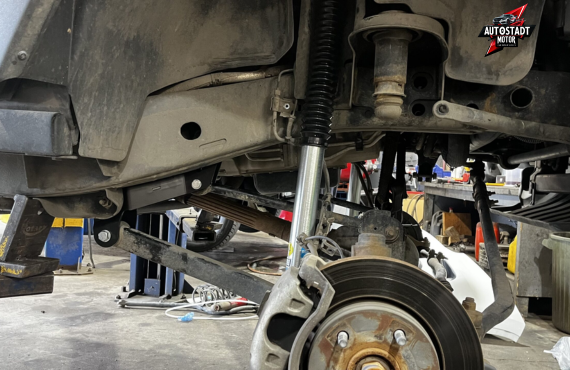
At AutoStadt Motor Services, Mercury owners can seek professional suspension inspection and repair to identify handling problems and determine which components need attention. Rather than replacing parts based on symptoms alone, a proper assessment helps establish the likely cause and supports a more practical repair decision.
Signs Your Car Needs Mercury Suspension Repair Near Me
Suspension problems do not always begin with a dramatic failure. In many cases, small changes in ride quality or handling appear gradually. Recognizing these warning signs can help Mercury owners arrange an inspection before worn components cause further problems.
1. Excessive Bouncing After Speed Bumps
If your Mercury continues bouncing after passing over a speed bump, worn shock absorbers or struts may be responsible.
These components help control the movement of the springs and body. When their performance deteriorates, the vehicle may feel unsettled after encountering bumps or uneven surfaces.
For Dubai drivers, repeated bouncing can make everyday journeys uncomfortable, particularly on roads with frequent speed-control humps. A suspension inspection can help determine whether the dampers are worn or another component is contributing to the problem.
2. Knocking or Clunking Sounds
Unusual noises from beneath the vehicle deserve attention, especially when driving over rough surfaces or turning into a parking space.
A knocking or clunking sound may indicate worn suspension bushings, loose mounting hardware, damaged ball joints, stabilizer links, or other components. However, similar noises can sometimes originate from steering or underbody parts.
At AutoStadt Motor Services, identifying the location and circumstances of the noise is an important part of determining the correct repair.
3. Uneven Tyre Wear
Inspecting your tyres can reveal useful information about suspension condition.
If one edge of a tyre wears faster than the other, the vehicle may have a wheel alignment problem, worn suspension components, incorrect tyre pressure, or a combination of factors.
For example, a Mercury Mountaineer with worn suspension joints may require more than a routine alignment adjustment. The underlying mechanical issue should be addressed first; otherwise, the tyre wear may continue after alignment.
4. Vehicle Pulling or Poor Stability
If your Mercury pulls to one side or feels less stable than usual, its suspension and steering systems may need inspection.
Possible causes include worn control arm bushings, damaged joints, alignment problems, tyre issues, or differences in tyre pressure. A vehicle that feels unstable during cornering may also have deteriorated shock absorbers or other worn components.
Because several faults can create similar symptoms, it is important not to assume that every handling issue requires suspension replacement.
5. Excessive Body Roll During Turns
A healthy suspension system helps control body movement when the vehicle changes direction.
If your Mercury leans noticeably more than usual while cornering, worn dampers, stabilizer links, anti-roll bar bushings, or other suspension components may be contributing to the problem.
Excessive body roll can reduce driver confidence and make the vehicle feel less composed. An inspection can establish whether the issue is caused by normal vehicle characteristics or deteriorating parts.
6. Uneven Ride Height
A Mercury that sits lower on one side or appears unusually low at the front or rear may have a spring-related problem.
Coil springs can weaken, crack, or break with age. Depending on the model, damaged springs or related suspension components can affect ride height and tyre clearance.
A visible difference in vehicle height should not be ignored, especially if accompanied by unusual noises or changes in handling.
7. Steering Feels Loose or Less Responsive
Suspension wear can affect the way a vehicle responds to steering inputs.
Worn ball joints, control arm bushings, tie rods, or other connected components may contribute to looseness, vibration, or reduced directional stability. These symptoms can also indicate a separate steering fault.
If the vehicle becomes difficult to control, develops severe looseness, or makes sudden mechanical noises, avoid driving it until the problem has been assessed.
Why Choose AutoStadt Motor Services for Mercury Suspension Repair Near Me
Finding a workshop for an older Mercury requires more than searching for a nearby garage. The repair provider needs to consider the vehicle’s age, model-specific design, replacement-part availability, and the condition of connected components.
Model-Specific Suspension Inspection
Different Mercury models do not necessarily share identical suspension layouts. A Grand Marquis, for instance, differs considerably from a Mountaineer in vehicle design and intended use.
AutoStadt Motor Services can assess the reported symptoms alongside the vehicle’s model and condition to help identify the components that need further investigation.
For older vehicles, checking the exact model year and installed configuration is particularly important before ordering replacement parts.
Diagnosis Before Parts Replacement
A rough ride does not automatically mean that every shock absorber or strut needs replacing. Similarly, uneven tyre wear does not always indicate a damaged suspension component.
The problem may involve a single worn bushing, a loose mounting point, an alignment issue, or several ageing components.
A diagnostic approach helps distinguish between these possibilities and reduces the risk of unnecessary expenditure.
Attention to Safety-Related Components
Suspension components work together to support the vehicle and maintain tyre contact with the road. Some parts, including ball joints, control arms, and associated mounting points, can have a direct effect on vehicle control if severely worn.
Consequently, a suspension inspection should consider both ride comfort and mechanical safety.
Repair Recommendations for Older Mercury Vehicles
Because Mercury production ended years ago, parts availability can vary according to the model, year, and component required.
Some replacement parts may be readily available, while others may need to be sourced through specialist suppliers. Confirming compatibility before installation is essential.
AutoStadt Motor Services can assess the repair requirements and help determine a suitable approach based on the vehicle’s condition and the availability of appropriate components.
Comprehensive Vehicle Maintenance
Suspension symptoms sometimes appear alongside other maintenance issues. For example, a Mercury may need tyre replacement, wheel alignment, brake inspection, or steering repairs at the same time.
These systems should be evaluated according to the symptoms and inspection findings rather than assuming that one repair will solve every problem.
The same principle applies to other vehicles, including the Toyota Land Cruiser, Nissan Patrol, BMW X5, and Mercedes-Benz E-Class. Each vehicle has its own specifications, and the correct repair depends on its design and condition.
How Our Mercury Suspension Repair Near Me Process Works
An effective suspension repair should follow a clear process, from understanding the driver’s complaint to checking the vehicle after the work is completed.
Step 1: Discuss the Symptoms
The process begins with the driver’s observations.
The technician may ask whether the vehicle bounces after speed bumps, makes noise on uneven roads, pulls to one side, or shows unusual tyre wear. Information about when the symptoms started and whether they have become worse can help narrow down the possible causes.
The exact Mercury model and year are also useful when identifying the correct components.
Step 2: Inspect the Suspension System
The relevant suspension components are examined for visible damage, excessive play, worn rubber, leaking dampers, broken springs, or deteriorated mounting points.
Depending on the model and symptoms, the inspection may include shock absorbers, struts, control arms, ball joints, stabilizer links, bushings, and spring assemblies.
The technician should also consider whether steering or tyre problems could be contributing to the reported symptoms.
Step 3: Identify the Cause of the Problem
Once the inspection findings are available, the next step is to determine which faults require attention.
For example, a knocking sound could originate from a stabilizer link rather than a shock absorber. Likewise, uneven tyre wear may result from alignment issues combined with worn suspension joints.
Distinguishing between these causes helps ensure that the repair addresses the actual problem.
Step 4: Confirm Parts and Repair Requirements
Before replacement work begins, the required components should be matched to the Mercury’s exact model and specification.
This step is particularly important for older vehicles, where differences in model year, engine configuration, trim, or suspension package can affect compatibility.
The repair requirements can then be explained so that the owner understands which parts need attention and why.
Step 5: Repair or Replace the Affected Components
Depending on the findings, the repair may involve replacing worn shock absorbers, struts, springs, bushings, ball joints, stabilizer links, or other suspension components.
Not every vehicle needs a complete suspension overhaul. The appropriate scope of work depends on the condition of the parts and the manufacturer’s repair requirements.
Where components are replaced in pairs or as matched assemblies, the technician should follow the applicable service guidance.
Step 6: Check Alignment and Related Systems
Suspension repairs can affect wheel geometry, particularly when control arms, struts, or other alignment-related components are replaced.
Where necessary, wheel alignment should be checked and corrected after the repair. Tyres, steering components, and related mounting points may also require additional inspection.
This helps ensure that the repaired vehicle maintains appropriate handling characteristics and does not develop avoidable tyre wear.
Step 7: Perform a Final Inspection
After the work is completed, the vehicle should be checked to confirm that the repaired components are properly installed and that any identified issues have been addressed.
A suitable road test may be performed when safe and appropriate. The technician can assess ride quality, unusual noises, handling behaviour, and other relevant symptoms.
If further faults are identified, they should be explained rather than assuming that replacing one component has resolved every concern.
Mercury Suspension Maintenance Tips for Dubai Drivers
Preventive maintenance can help identify suspension deterioration before it affects the vehicle’s everyday performance.
First, pay attention to changes in ride quality. If your Mercury begins bouncing more than usual or produces new knocking sounds, arrange an inspection rather than waiting for the symptoms to become severe.
Second, inspect tyre condition regularly. Uneven tread wear may indicate alignment or suspension problems, although tyre pressure and tyre condition should also be considered.
Third, avoid driving over speed bumps and potholes at excessive speed. Impact forces can place unnecessary stress on springs, dampers, wheels, tyres, and suspension joints.
Finally, do not overlook the age of the vehicle. Older Mercury models may have rubber bushings, seals, and other components that have deteriorated over time, even if the vehicle has relatively low mileage.
A maintenance inspection should be based on the vehicle’s actual condition and service requirements rather than an arbitrary replacement schedule.
Frequently Asked Questions About Mercury Suspension Repair Near Me in Dubai
1. Where can I get Mercury suspension repair near me in Dubai?
When looking for a Mercury suspension repair workshop, consider whether the service provider can inspect the vehicle’s suspension, identify worn components, and confirm replacement-part compatibility. AutoStadt Motor Services can help assess suspension-related symptoms and determine the appropriate repair requirements. Providing the exact model, year, and a description of the problem can make the initial discussion more useful.
2. How do I know if my Mercury shock absorbers need replacement?
Common warning signs include excessive bouncing after bumps, reduced stability, unusual tyre wear, fluid leaking from a damper, and a ride that feels less controlled than before. However, these symptoms can have other causes, so the shock absorbers should be inspected before replacement is recommended. The correct decision depends on the component’s condition and the vehicle’s suspension design.
3. How much does Mercury suspension repair cost in Dubai?
The price depends on the affected component, the Mercury model, the availability of compatible parts, and the labour involved. Replacing a stabilizer link or bushing may be less involved than repairing a larger suspension assembly. Older models may also require additional parts-sourcing time. An inspection and a clear estimate are the best ways to understand the likely repair cost before authorizing work.
4. Are Mercury suspension parts still available in Dubai?
Some Mercury suspension parts remain available through automotive parts suppliers, while others may require specialist sourcing. Availability depends on the model, production year, component type, and whether compatible replacement options exist. It is important to verify the part number and fitment before installation instead of selecting a component based only on a similar appearance.
5. Is it safe to drive a Mercury with suspension problems?
The answer depends on the severity of the fault. Minor wear may initially cause discomfort, but a severely damaged spring, loose ball joint, broken suspension component, or significant loss of control can create a serious safety concern. If the vehicle becomes unstable, makes severe mechanical noises, or has a visibly broken component, avoid driving it and arrange professional assistance. Prompt inspection can help determine whether the vehicle is safe to operate.
Conclusion
Mercury suspension repair near me is an important search for Dubai drivers who want to maintain their vehicle’s ride comfort, stability, and handling. Whether you own a Mercury Grand Marquis, Mountaineer, Milan, Mariner, or Sable, suspension problems should be investigated according to the model’s design and the condition of its components.
Excessive bouncing, uneven tyre wear, knocking noises, unusual ride height, and loose handling can all indicate a problem that deserves attention. However, these symptoms do not always point to the same component, making accurate diagnosis essential.
At AutoStadt Motor Services, Mercury owners can seek professional suspension inspection and repair recommendations based on the vehicle’s actual condition. By identifying worn components, confirming suitable replacement parts, and checking related systems where necessary, the repair process can be more focused and practical.
If your Mercury no longer feels stable over bumps, produces unusual suspension noises, or shows signs of uneven tyre wear, arrange an inspection to identify the cause and determine the next steps. Addressing suspension problems early can help preserve the vehicle’s handling, improve driving comfort, and support safer journeys around Dubai.


Leave a Comment