
Opel suspension repair is essential when your vehicle starts feeling unstable, uncomfortable, or unusually difficult to control on Dubai roads. The suspension system does much more than provide a comfortable ride. It helps keep the tires in contact with the road, controls body movement, supports braking stability, and contributes to predictable steering.
Over time, components such as shock absorbers, struts, control arms, bushings, ball joints, stabilizer links, and suspension mounts can wear out. Heavy traffic, frequent speed breakers, uneven road surfaces, long-distance driving, and high temperatures can also accelerate wear on certain components.
A worn suspension system may not fail suddenly. Instead, the vehicle often gives small warning signs that become progressively more noticeable. You may hear knocking sounds over bumps, notice excessive bouncing, experience uneven tire wear, or feel that the car pulls or wanders while driving.
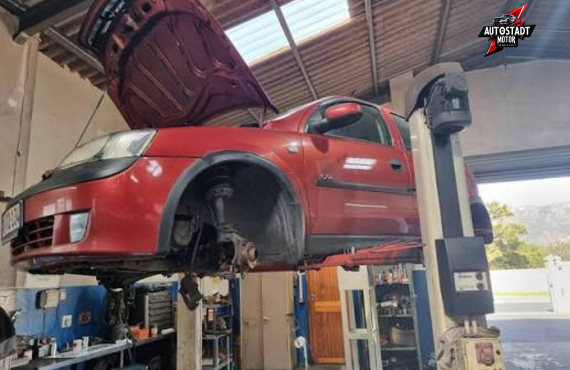
At AutoStadt Motor Services, we approach Opel suspension problems through proper inspection and diagnosis rather than replacing parts unnecessarily. Whether you drive an Opel Astra, Corsa, Insignia, Mokka, or another Opel model, identifying the actual source of the problem is the first step toward a reliable repair.
Signs Your Car Needs Opel Suspension Repair
Suspension problems can appear in several different ways. Some symptoms are easy to recognize, while others may initially seem like tire, wheel alignment, or steering issues.
1. Excessive Bouncing After Driving Over a Bump
A healthy suspension should settle the vehicle relatively quickly after passing over a bump. If your Opel continues bouncing several times, the shock absorbers or struts may no longer be controlling the movement effectively.
This can become particularly uncomfortable during repeated speed breakers or uneven sections of road. More importantly, excessive movement can reduce tire contact with the road and affect overall handling.
2. Knocking or Clunking Noises
A repeated knocking, tapping, or clunking sound from underneath the vehicle should not be ignored.
Possible causes include worn:
- Stabilizer links
- Control arm bushings
- Ball joints
- Strut mounts
- Suspension bushes
- Shock absorber components
The location and timing of the sound can help a technician narrow down the cause. For example, a noise that appears mainly when one wheel passes over a bump may point toward a particular suspension component.
3. Opel Pulls or Wanders While Driving
If your Opel does not maintain a straight path and requires constant steering correction, the issue may involve suspension components, wheel alignment, tire condition, or steering parts.
A damaged or excessively worn control arm or bushing can alter wheel positioning. Consequently, the vehicle may feel less precise, especially at higher speeds.
This is one reason why suspension diagnosis should not automatically be treated as a simple alignment problem.
4. Uneven or Rapid Tire Wear
Your tires can provide valuable information about suspension condition.
If one side of a tire is wearing significantly faster than the other, there may be an issue with wheel alignment or suspension geometry. Worn suspension components can allow unwanted wheel movement, which may eventually affect how the tire contacts the road.
For comparison, owners of vehicles such as a Toyota Camry or Nissan Altima can experience similar symptoms, but the correct repair still depends on the specific suspension design and failed component.
5. Excessive Body Roll During Turns
Does your Opel lean noticeably when taking corners?
Some body movement is normal, but excessive leaning may indicate problems with dampers, stabilizer components, or related suspension parts. Reduced control during cornering can make the vehicle feel less secure and less responsive.
This becomes more noticeable when carrying passengers or luggage.
6. Front-End Dipping During Braking
If the front of your Opel dives significantly whenever you apply the brakes, worn shock absorbers or other suspension-related issues could be contributing to the problem.
Although braking performance primarily depends on the braking system, suspension condition also affects how the vehicle behaves during deceleration.
Therefore, unusual nose diving should be inspected instead of assuming that it is simply normal vehicle movement.
7. Uneven Ride Height
If one corner of the vehicle appears lower than the others, the suspension requires attention.
Potential causes include a damaged spring, worn suspension component, or another mechanical problem affecting ride height. Driving for an extended period with uneven suspension geometry can influence handling and tire wear.
8. Steering Feels Less Precise
A loose, vague, or unusually unstable steering sensation can sometimes be connected to worn suspension components.
Control arms, ball joints, tie rods, bushings, and other components work together to maintain correct wheel positioning. If one component develops excessive play, steering response may become less predictable.
What Components Are Checked During Opel Suspension Repair?
A suspension repair should not be limited to looking at the shock absorbers. The entire suspension assembly needs to be considered.
Shock Absorbers and Struts
Shock absorbers control spring movement and help prevent excessive bouncing. When their performance deteriorates, the car may feel unstable or floaty.
Strut assemblies can also include mounts and bearings that may develop wear over time.
Control Arms and Bushings
Control arms help maintain the position of the wheels relative to the vehicle. Their rubber or polyurethane bushings absorb movement and vibration.
When bushings crack, soften, or develop excessive movement, the vehicle may produce noises and feel less stable.
Ball Joints
Ball joints allow controlled movement between suspension components and the steering knuckle. Excessive wear can create play and negatively affect steering and wheel control.
Stabilizer Links and Bushes
The anti-roll or stabilizer system helps control body movement when cornering. Worn stabilizer links and bushes commonly produce knocking noises, especially when driving over uneven surfaces.
Springs and Suspension Mounts
Coil springs support the vehicle’s weight, while mounts connect suspension components to the body.
A broken spring or damaged mount can create unusual ride height, vibration, noise, or handling changes.
Why Choose AutoStadt Motor Services for Opel Suspension Repair?
Choosing the right workshop matters because suspension symptoms can have multiple possible causes. Replacing a component without confirming the fault can increase costs without solving the underlying problem.
At AutoStadt Motor Services, the focus is on accurate diagnosis, appropriate repairs, and dependable workmanship.
Detailed Suspension Inspection
Our technicians examine the suspension system for visible damage, excessive play, worn bushes, leaking dampers, unusual movement, and other signs of deterioration.
The goal is to determine which components actually require attention.
Model-Specific Approach
Different Opel models can use different suspension configurations and component designs. A proper repair therefore begins with understanding the vehicle being inspected.
Whether you own an Opel Astra, Corsa, Grandland, or Insignia, the inspection should be based on the vehicle’s specific setup rather than a generic suspension checklist.
Quality Replacement Parts
When replacement is necessary, suitable replacement components are important for restoring correct suspension performance.
Low-quality components can compromise ride comfort, durability, and handling. Our approach is to use appropriate parts for the vehicle and the repair requirement.
Alignment After Relevant Repairs
Certain suspension repairs can affect wheel geometry. For that reason, wheel alignment may be recommended after replacing components such as control arms or other parts that influence suspension positioning.
Proper alignment helps the tires maintain the intended contact with the road.
Transparent Repair Recommendations
A good workshop should explain what has failed, why it needs replacement, and what could happen if the problem is ignored.
At AutoStadt Motor Services, the objective is not simply to replace parts. It is to provide a clear repair recommendation based on the vehicle’s actual condition.
How Our Opel Suspension Repair Process Works
Step 1: Vehicle Assessment
The process begins with understanding the symptoms.
Our technicians may ask when the noise occurs, whether the steering feels different, how the vehicle behaves over bumps, and whether the issue is more noticeable during braking or cornering.
These details help establish a direction for the inspection.
Step 2: Suspension Inspection
The suspension components are visually and mechanically inspected.
Depending on the symptoms, this can include checking shock absorbers, springs, bushings, control arms, ball joints, stabilizer links, mounts, and related steering components.
Step 3: Identify the Actual Fault
Not every suspension noise means the shock absorber needs replacement.
For example, a clunk may originate from a stabilizer link or worn bushing rather than the damper itself. Similarly, uneven tire wear may involve alignment or suspension geometry.
Accurate diagnosis prevents unnecessary repairs.
Step 4: Repair or Component Replacement
Once the faulty component has been identified, the required repair is carried out.
Depending on the condition, this may involve replacing individual suspension components or addressing several worn parts when they have reached the end of their service life.
Step 5: Geometry and Alignment Check
After relevant suspension work, wheel alignment and suspension geometry may be checked.
This is particularly important if the repaired components influence wheel positioning.
Step 6: Road Test and Final Inspection
The vehicle is tested to confirm that the original symptoms have been addressed.
The final inspection focuses on ride behavior, steering response, unusual noises, and overall suspension operation.
How Dubai Driving Can Affect Opel Suspension Components
Dubai provides generally well-maintained major roads, but vehicles still encounter conditions that can place additional demands on suspension systems.
Speed breakers, parking ramps, uneven surfaces, construction areas, road joints, and frequent stop-and-go driving all contribute to repeated suspension movement.
Furthermore, drivers who regularly travel between Dubai and other Emirates may accumulate significant mileage. Over time, normal wear becomes unavoidable even when the vehicle is maintained properly.
That is why periodic inspection can be useful, particularly when the vehicle begins showing small changes in ride quality or handling.
Frequently Asked Questions About Opel Suspension Repair in Dubai
1. How do I know if my Opel needs suspension repair?
Common warning signs include excessive bouncing, knocking noises, uneven tire wear, excessive body roll, steering instability, front-end diving during braking, and an uneven ride height.
However, these symptoms can sometimes overlap with steering, tire, wheel alignment, or braking problems. Therefore, a professional inspection is the best way to identify the actual cause.
2. How much does Opel suspension repair cost in Dubai?
The cost depends on the Opel model, failed component, replacement parts required, and amount of labor involved.
Replacing a stabilizer link or bushing can be considerably different from replacing multiple shock absorbers, control arms, springs, or complete strut assemblies.
For an accurate estimate, AutoStadt Motor Services can inspect the vehicle and determine which components actually require repair or replacement.
3. Can I drive my Opel with worn suspension?
It depends on the severity of the problem.
Minor wear may initially affect comfort, but severely worn or damaged suspension components can influence steering control, braking stability, tire contact, and handling.
If you notice significant instability, loud suspension noises, excessive bouncing, or a visibly damaged component, it is better to have the vehicle inspected promptly rather than continuing to drive normally.
4. Should suspension components be replaced individually or in pairs?
It depends on the component and its condition.
For some suspension components, replacing them in pairs on the same axle can provide more balanced performance, particularly when both sides have similar age and wear. However, the correct approach depends on the vehicle and the specific component.
A professional inspection can determine whether one component has failed independently or whether both sides should be addressed.
5. Does suspension repair require wheel alignment?
Not every suspension repair automatically requires alignment, but many repairs can affect wheel geometry.
For example, replacing certain control arms or other components connected to wheel positioning may alter alignment angles. After such repairs, an alignment check can help confirm that the wheels are correctly positioned.
This is important because incorrect alignment can contribute to uneven tire wear and poor handling even after the original suspension fault has been repaired.
Conclusion
Opel suspension repair plays an important role in maintaining comfortable, stable, and predictable driving performance in Dubai. Suspension problems can begin with something as simple as a knocking noise or slightly rougher ride, but ignoring those signs can allow wear to progress and potentially affect tires, steering, and overall vehicle control.
The key is accurate diagnosis. Shock absorbers are only one part of the suspension system; control arms, bushings, ball joints, springs, stabilizer links, mounts, and related components all contribute to how an Opel behaves on the road.
At AutoStadt Motor Services, we focus on identifying the source of the problem before recommending repairs. Whether your Opel is showing unusual noises, uneven tire wear, excessive bouncing, or reduced handling stability, a professional suspension inspection can help restore the vehicle’s intended performance.
For Dubai car owners, addressing suspension issues early can also help prevent a relatively manageable component problem from developing into a more expensive repair. If your Opel no longer feels as smooth, stable, or controlled as it once did, AutoStadt Motor Services can provide the inspection and suspension repair support your vehicle needs.


Leave a Comment