
Renault Oil Leak Repair is an important service for Dubai drivers who notice oil spots, low engine oil levels, unusual smells, or signs of fluid around the engine bay. Although a small oil leak may initially appear harmless, ignoring it can allow the problem to become more serious. Over time, continued oil loss can reduce lubrication, increase engine friction, damage seals and components, and potentially result in expensive engine repairs.
Renault vehicles are designed to provide comfortable and dependable performance, but like any vehicle, they require regular inspection and maintenance. Dubai’s hot climate makes proper lubrication particularly important. High ambient temperatures, extended driving, traffic congestion, and frequent air-conditioning use can place additional demands on the engine and its supporting components.
At AutoStadt Motor Services, we provide professional Renault Oil Leak Repair in Dubai with a diagnostic-first approach. Instead of simply cleaning visible oil and replacing a random component, our technicians inspect the engine and surrounding areas to determine where the oil is actually escaping. Depending on the cause, the repair may involve replacing a gasket, seal, oil filter, drain plug, hose, or another damaged component.
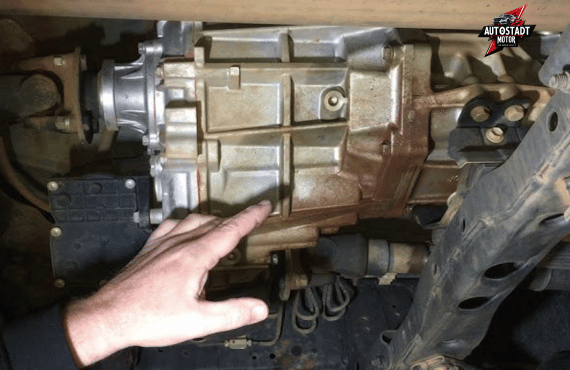
Whether you drive a Renault Duster, Koleos, Megane, Captur, or another Renault model, prompt attention to an oil leak can help protect your engine and prevent a minor maintenance issue from developing into a major mechanical problem.
Signs Your Car Needs Renault Oil Leak Repair
An oil leak does not always begin with a large puddle underneath the vehicle. In many cases, the first symptoms are subtle. Therefore, Dubai car owners should pay attention to changes in oil level, engine behavior, smells, and visible residue.
1. Oil Spots Under Your Renault
One of the clearest indications of an engine oil leak is a dark brown or black spot underneath the vehicle after parking. Fresh engine oil can sometimes appear amber or golden, while older oil generally becomes darker.
However, not every fluid found under a Renault is engine oil. Transmission fluid, coolant, brake fluid, and air-conditioning condensation can have different appearances. That is why professional inspection is useful before assuming the source.
2. Frequent Low Engine Oil Levels
If you regularly need to add engine oil between scheduled services, there may be an underlying leak. Normal engine operation should not require frequent topping up.
A falling oil level can also occur because of internal oil consumption. Consequently, technicians should determine whether the oil is escaping externally or being consumed inside the engine.
3. Burning Oil Smell
A noticeable smell of burning oil can indicate that leaked oil is reaching a hot engine component, exhaust section, or other high-temperature surface. This should not be ignored.
In Dubai’s hot conditions, engine components can become extremely warm, so an oil leak that reaches a hot surface may create smoke or a strong odor. If you notice smoke from the engine compartment, stop driving when it is safe and arrange an inspection.
4. Oil Around the Engine Bay
During routine checks, you may notice oily residue around the valve cover, engine block, oil filter housing, or other components. This residue can sometimes spread from the original leak, making the actual source difficult to identify.
For that reason, simply replacing the visibly affected part is not always the correct solution. A proper Renault oil leak diagnosis should trace the leak back to its origin.
5. Engine Oil Warning Light
If the oil pressure warning light appears on the dashboard, it should be taken seriously. This warning is not simply a reminder to schedule routine servicing. It can indicate inadequate oil pressure or another lubrication-related problem.
Continuing to drive with insufficient lubrication can cause severe internal engine damage. When an oil warning light appears, professional assessment should take priority over continuing a long journey.
6. Unusual Engine Noise
Insufficient engine oil can increase friction between moving components. As a result, an engine experiencing oil loss may develop ticking, knocking, rattling, or other unusual sounds.
Not every unusual sound is caused by an oil leak, but when strange noises occur together with low oil levels or visible leakage, an immediate inspection is advisable.
Common Causes of Renault Oil Leaks
Several different components can cause an oil leak. Identifying the exact source is essential because the repair depends on the failed component.
A worn valve cover gasket is one possible cause. As the gasket ages, it can lose its ability to maintain a proper seal, allowing oil to escape around the upper section of the engine.
The oil pan gasket can also become a source of leakage, particularly when the seal deteriorates or the pan itself has been damaged. Similarly, an improperly sealed drain plug or worn washer can cause oil to escape after an oil service.
Another possibility is an aging oil filter seal or housing gasket. If the filter has not been installed correctly or its sealing component has deteriorated, oil may accumulate around the filter area.
Crankshaft and camshaft seals can also leak as they age. These leaks can be more difficult to identify because oil may travel across surrounding components before becoming visible.
Furthermore, excessive engine pressure, damaged hoses, loose fittings, or previous repair work can contribute to oil leakage. Therefore, professional diagnostics are more reliable than assuming the cause from the location of an oil stain.
Why Choose AutoStadt Motor Services for Renault Oil Leak Repair
Choosing the right workshop matters because an oil leak can have multiple causes, and replacing the wrong component does not solve the underlying problem. AutoStadt Motor Services focuses on identifying the source before recommending a repair.
Accurate Leak Diagnosis
Our technicians begin by examining the engine and surrounding components for signs of oil seepage. The inspection can include checking the oil level, inspecting seals and gaskets, examining the oil filter and drain area, and tracing oil residue through the engine compartment.
This diagnostic approach helps prevent unnecessary part replacement.
Renault-Focused Service
Renault vehicles have their own engine configurations, service requirements, and component layouts. Understanding these differences helps technicians approach repairs more efficiently.
For example, diagnosing an oil leak on a Renault Duster may require a different inspection approach from diagnosing a leak on a Renault Megane. Our workshop considers the vehicle’s model, engine configuration, service history, and visible symptoms before deciding on the repair.
Quality Replacement Components
A successful oil leak repair depends on more than simply removing the old gasket or seal. The replacement component needs to fit correctly and provide a reliable seal.
AutoStadt Motor Services uses appropriate replacement parts and follows proper installation procedures to reduce the likelihood of recurring leakage.
Dubai Climate Considerations
Dubai’s climate makes preventative maintenance particularly important. High temperatures can accelerate the deterioration of certain rubber seals and gaskets, while long periods of traffic can keep the engine operating under demanding conditions.
Consequently, addressing oil seepage early can be especially valuable for vehicles used regularly throughout Dubai.
Transparent Recommendations
At AutoStadt Motor Services, the objective is not to recommend unnecessary repairs. Once the source of an oil leak has been identified, our technicians can explain the likely cause, the required repair, and any related maintenance concerns.
This gives the vehicle owner a clearer understanding of what needs attention before repair work begins.
How Our Renault Oil Leak Repair Process Works
Step 1: Initial Vehicle Inspection
The process starts with a discussion about the symptoms you have noticed. Our technicians may ask when the leak appears, whether the vehicle has recently received an oil change, and whether you have noticed warning lights, smells, or unusual engine sounds.
The vehicle is then inspected for visible evidence of oil leakage.
Step 2: Locate the Leak Source
Finding the source is one of the most important parts of the repair. Oil can travel from one component to another, meaning the lowest visible point is not necessarily where the leak began.
Our technicians inspect relevant gaskets, seals, filters, drain areas, and engine components to establish the likely origin.
Step 3: Assess the Condition of Components
Once the source has been identified, the affected component is checked for wear, cracking, distortion, or other damage. Related components may also be inspected to determine whether they contributed to the problem.
This step helps prevent a repair that addresses only the visible symptom.
Step 4: Complete the Required Repair
Depending on the diagnosis, the repair may involve replacing a gasket, seal, washer, oil filter, damaged component, or another sealing part. The affected area is prepared correctly before the replacement component is installed.
Step 5: Check Oil Level and Condition
After the repair, the engine oil level is checked and corrected where necessary. If the oil has become contaminated or the repair coincides with scheduled maintenance, an oil and filter change may also be recommended.
Step 6: Final Leak Inspection
Finally, the repaired area is inspected again to ensure the leak has been addressed. The vehicle can then be assessed for normal operation before being returned to the customer.
Why Prompt Renault Oil Leak Repair Matters in Dubai
An oil leak should not be treated as an issue that can simply wait until the next service appointment. Continued oil loss can reduce the amount of lubrication available to critical engine components.
For comparison, owners of vehicles such as the Toyota Land Cruiser, Nissan Patrol, BMW 3 Series, Mercedes-Benz C-Class, and Tesla Model 3 also need to pay attention to fluid-related warning signs, although their systems and maintenance requirements differ.
For a conventional petrol or diesel Renault, engine oil remains essential for reducing friction, managing heat, and protecting moving components. If oil levels fall too far, the consequences can become significantly more expensive than the original leak.
Therefore, early inspection is usually the more practical approach.
Frequently Asked Questions About Renault Oil Leak Repair in Dubai
1. How much does Renault Oil Leak Repair cost in Dubai?
The cost depends primarily on the source and severity of the leak. A simple drain plug seal or accessible gasket may require considerably less work than a leak involving a difficult-to-access engine seal.
The Renault model, engine configuration, replacement parts, labor time, and additional damage can all influence the final cost. AutoStadt Motor Services can inspect the vehicle first and determine what repair is actually required rather than providing an unrealistic one-size-fits-all estimate.
2. Can I drive my Renault with an oil leak?
It depends on the severity of the leak. A minor seepage may not immediately create a critical problem, but driving for an extended period while losing engine oil is risky.
If the oil level is dropping quickly, you see a significant puddle, smell burning oil, notice smoke, or receive an oil pressure warning, continuing to drive can result in serious engine damage. In such situations, professional assistance should be arranged as soon as possible.
3. How can I tell if my Renault is leaking engine oil?
Look for dark oily spots underneath the vehicle, oily residue around the engine, unexplained drops in oil level, or a burning oil smell. You may also notice smoke or engine noise if the problem becomes more serious.
Because several automotive fluids can appear underneath a parked vehicle, professional diagnosis is recommended when the source is unclear.
4. Can a Renault oil leak be prevented?
Regular maintenance can reduce the likelihood of serious leaks, although no vehicle can be guaranteed to remain leak-free indefinitely. Gaskets, seals, washers, and other components naturally age over time.
Following the recommended oil change schedule, using the correct engine oil, checking fluid levels, and addressing small seepage early can help protect the engine. Regular inspections are particularly useful in Dubai because heat and demanding driving conditions can accelerate component wear.
5. Why should I choose AutoStadt Motor Services for Renault Oil Leak Repair in Dubai?
AutoStadt Motor Services combines vehicle inspection, leak diagnosis, repair, and post-repair checks into a structured service process. Instead of treating every oil leak as the same problem, our technicians identify the likely source and determine which component requires attention.
This approach can help reduce unnecessary repairs while giving Dubai Renault owners a clearer understanding of their vehicle’s condition. Whether the problem involves a gasket, seal, oil filter, drain plug, or another component, proper diagnosis is the first step toward a dependable repair.
Conclusion
Renault Oil Leak Repair should never be overlooked, especially when your vehicle is operating regularly in Dubai’s demanding climate. What begins as a small oil stain or occasional top-up can develop into a serious lubrication problem if the underlying cause is ignored.
The most important step is to identify the actual source of the leakage. A worn gasket, damaged seal, loose drain plug, faulty filter seal, or another component may be responsible, and each requires a different repair approach.
AutoStadt Motor Services provides professional Renault inspection and oil leak repair for Dubai car owners who want dependable vehicle maintenance without unnecessary work. By diagnosing the problem carefully, replacing the affected component correctly, checking the oil system, and carrying out a final inspection, our technicians help restore your Renault to a safer and more reliable condition.
If you notice oil underneath your Renault, a falling oil level, a burning oil smell, or an oil warning light, do not wait for the problem to become more expensive. Arrange a professional inspection with AutoStadt Motor Services and address the leak before it develops into a larger engine repair.


Leave a Comment