
Mercury steering oil leak repair is an important service for drivers who notice fluid beneath their vehicle, heavier steering, unusual noises while turning, or a recurring drop in power steering fluid. Although a leak may begin as a minor issue, leaving it unattended can affect steering performance and potentially damage other components of a hydraulic steering system.
Mercury vehicles, including models such as the Grand Marquis, Mountaineer, Milan, and Mariner, have different mechanical configurations depending on their model year and specifications. Consequently, the correct repair method depends on the vehicle’s steering system and the component responsible for the leak. Some vehicles use hydraulic power steering, while other steering designs may require a different diagnostic approach.
For owners in Dubai, reliable steering is particularly important during daily commuting, parking manoeuvres, and extended drives. A steering system that develops a fluid leak may gradually lose its ability to provide consistent assistance, making the vehicle less comfortable and potentially unsafe to operate.
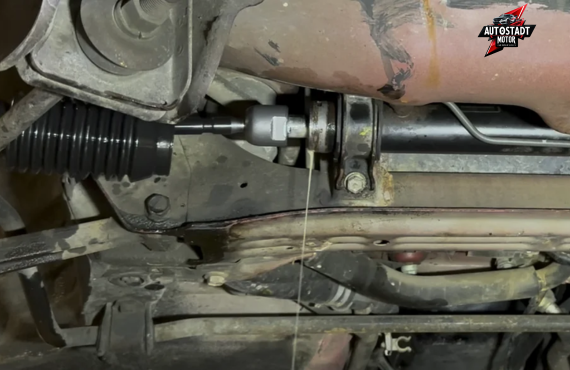
At AutoStadt Motor Services, the focus of Mercury steering oil leak repair is to identify the source of the fluid loss, evaluate the condition of the affected components, and recommend a suitable repair. Rather than relying on repeated fluid top-ups, a proper inspection helps establish whether the issue involves a damaged hose, leaking seal, steering pump, reservoir connection, or steering rack.
Understanding the early warning signs can help you arrange an inspection before the problem becomes more complicated.
Signs Your Car Needs Mercury Steering Oil Leak Repair
Steering problems do not always appear suddenly. In many cases, the vehicle provides several warning signs before the leak becomes severe. Recognising these symptoms can help you respond at the right time.
1. Fluid Leaking Beneath the Vehicle
One of the first indications of a possible steering oil leak is a fresh fluid spot underneath the front of your Mercury.
Depending on the source, fluid may collect around the engine bay, steering hoses, pump area, or underbody. However, the location of a puddle does not always identify the original leak because fluid can travel across surrounding components.
It is also important to distinguish steering fluid from engine oil, transmission fluid, coolant, and water produced by the air-conditioning system. A technician can inspect the fluid and trace its source rather than relying on its appearance alone.
If you repeatedly find fresh fluid beneath your parked vehicle, arrange an inspection instead of waiting for the leak to become more noticeable.
2. Heavy Steering During Parking
A Mercury that previously steered smoothly but now requires more effort to turn may have a steering-system problem.
On vehicles equipped with hydraulic power steering, insufficient fluid can interfere with normal steering assistance. The difference may become particularly noticeable when parking, making a tight turn, or manoeuvring at low speeds.
Nevertheless, heavy steering does not automatically confirm a fluid leak. Other mechanical or electrical faults may cause similar symptoms, depending on the vehicle’s configuration.
A professional assessment helps determine whether the problem originates from fluid loss, the pump, steering rack, or another part of the steering system.
3. Whining or Groaning Noises
Unusual noises when turning the steering wheel can indicate that the hydraulic steering system requires attention.
A whining sound may develop when the system is operating with insufficient fluid or when air enters the hydraulic circuit. In some cases, a worn pump or another mechanical issue may also produce abnormal noise.
If the noise becomes louder during low-speed manoeuvres, do not assume it is a normal characteristic of an older Mercury. The system should be checked to establish whether the sound is connected to fluid loss or component wear.
Continuing to operate a hydraulic steering system with inadequate fluid may increase the risk of pump damage.
4. Steering Fluid Level Keeps Falling
If your Mercury uses hydraulic power steering and the fluid level repeatedly decreases, the cause should be investigated.
A properly functioning hydraulic system should not require frequent top-ups during normal operation. Repeated fluid loss may indicate leakage from a hose, connection, seal, reservoir, pump, or steering rack.
Adding more fluid without correcting the underlying issue may temporarily improve steering assistance, but it does not eliminate the leak.
At AutoStadt Motor Services, identifying the reason for recurring fluid loss is an important part of recommending an effective repair.
5. Wetness Around Hoses or Steering Components
Not every steering leak creates a visible puddle. Sometimes the first evidence is a damp area around a hose connection, pump housing, or steering rack seal.
Older vehicles may develop deterioration in rubber hoses, seals, and connections over time. Temperature changes and normal component ageing can contribute to wear, although the actual cause needs to be confirmed through inspection.
Because a small leak can spread across nearby parts, cleaning the affected area and checking it again may help a technician locate the precise source.
6. Steering Performance Changes Unexpectedly
If your Mercury’s steering feels inconsistent, becomes unusually noisy, or suddenly requires more effort, the issue deserves attention even when no fluid is visible on the ground.
A leak may be hidden, or the symptoms may have another cause. For that reason, steering performance should be assessed alongside fluid levels and the condition of related components.
If steering becomes difficult to control, stop in a safe location and arrange professional assistance rather than continuing to drive.
Why Choose AutoStadt Motor Services for Mercury Steering Oil Leak Repair
Choosing a workshop for Mercury steering oil leak repair involves more than finding someone who can replace a hose or top up the fluid. Accurate diagnosis is important because several components can produce similar symptoms.
Thorough Inspection Before Recommending Repairs
At AutoStadt Motor Services, the inspection focuses on locating the source of the leak before determining which component needs attention.
Depending on the vehicle, this may involve examining the power steering pump, hydraulic lines, return hoses, reservoir, connections, seals, and steering rack.
This approach helps avoid replacing components unnecessarily and allows the repair recommendation to be based on the condition of the actual vehicle.
Repair Solutions Suited to Your Mercury
Mercury vehicles differ in age, design, and mechanical configuration. A Grand Marquis may require a different diagnostic approach from a Mountaineer or Milan.
The model year and steering-system design should therefore be considered before selecting parts or carrying out repairs.
A vehicle-specific approach is also important when working with other manufacturers. For example, a Toyota Camry, Nissan Altima, BMW 5 Series, and Mercedes-Benz E-Class may have different steering components and service requirements.
Attention to Related Components
A steering leak can sometimes be accompanied by other problems, such as deteriorated hoses, damaged connections, abnormal pump noise, or contamination.
Checking related components can help establish whether the repair should address only the visible leak or whether additional work is necessary.
This is particularly useful for older vehicles, where several parts may have experienced wear over the same period.
Suitable Fluid and Correct Repair Procedures
Hydraulic steering systems require fluid that meets the vehicle manufacturer’s specifications. Different fluids are not necessarily interchangeable, so the correct specification should be confirmed before filling the system.
Likewise, any necessary bleeding or post-repair checks should follow the applicable service procedure.
Using the correct parts, fluid, and repair method helps reduce the risk of introducing additional problems.
Practical Service for Dubai Drivers
For Mercury owners in Dubai, steering reliability matters during everyday driving, tight parking manoeuvres, and longer journeys.
Addressing a leak early can help prevent continued fluid loss and reduce the risk of additional damage to affected hydraulic components.
AutoStadt Motor Services can assess the reported symptoms, explain the likely repair requirements, and help you make an informed decision about the next step.
How Our Mercury Steering Oil Leak Repair Process Works
A successful repair begins with diagnosis and finishes with verification. The following process outlines the key stages involved in identifying and addressing a Mercury steering oil leak.
Step 1: Discuss the Symptoms
The initial assessment begins with understanding what you have noticed.
The technician may ask when the leak first appeared, whether the steering has become heavier, whether noises occur during turns, and whether the fluid level has been dropping.
These details help narrow down possible causes and guide the inspection.
Step 2: Identify the Steering System
Before inspecting fluid levels or recommending parts, it is important to establish which steering system is fitted to the vehicle.
Hydraulic power steering uses fluid and related hydraulic components, whereas electric power steering operates differently and does not use conventional steering oil.
Confirming the configuration prevents unnecessary fluid-related work on vehicles that do not use a hydraulic steering circuit.
Step 3: Inspect for Fluid Loss
If the vehicle has hydraulic power steering, the relevant fluid level and accessible components are examined.
The technician checks likely leakage points, including hose connections, the pump, reservoir, seals, and steering rack. The surrounding areas are also assessed to help distinguish an active leak from old residue.
Where necessary, further inspection may be required to trace fluid back to its original source.
Step 4: Determine the Cause
Once the leak has been located, the affected component is evaluated.
A deteriorated hose may require replacement, while a leaking connection may need a different repair. If the pump or steering rack is involved, its overall condition should be assessed before deciding whether repair or replacement is appropriate.
This stage is important because treating the visible fluid without correcting the underlying fault may allow the leak to return.
Step 5: Carry Out the Necessary Repair
After the cause has been established, the required repair can be performed.
Depending on the findings, the work may involve replacing a damaged hose, addressing a leaking connection, replacing a seal, or repairing or replacing an affected steering component.
The correct fluid specification and applicable service procedures are followed where relevant.
Step 6: Refill and Bleed the System Where Required
For hydraulic steering systems, the fluid level may need to be restored after the repair.
Depending on the work performed and the vehicle’s requirements, the system may also need to be bled to remove trapped air. The procedure should follow the appropriate manufacturer guidance.
This step helps ensure the hydraulic system can operate as intended after the repair.
Step 7: Verify the Repair
The final stage involves checking the repaired area for continued leakage and evaluating steering operation.
The technician can confirm whether the original symptoms have improved and whether any further issues require attention.
A final inspection is essential because replacing a component alone does not establish that the entire steering system is functioning correctly.
Preventive Maintenance for Mercury Steering Systems in Dubai
Although not every steering leak can be prevented, regular inspection can help identify deterioration before it develops into a more serious problem.
During routine maintenance, pay attention to changes in steering effort, unusual noises, and any fresh fluid beneath the vehicle. If your Mercury has hydraulic power steering, follow the manufacturer’s recommendations for checking the fluid level and use only the specified fluid.
Avoid repeatedly topping up a leaking system without arranging a diagnosis. Fluid loss can continue unnoticed, and operating the pump with insufficient fluid may cause additional damage.
It is also worth investigating steering noises promptly rather than assuming they are simply related to the vehicle’s age. A noise can be an early indication of a developing mechanical problem.
Finally, include steering-system checks in your broader vehicle maintenance routine. The same inspection visit may help identify other concerns involving suspension, brakes, engine lubrication, or cooling components.
Frequently Asked Questions About Mercury Steering Oil Leak Repair in Dubai
1. What causes a Mercury steering oil leak?
A steering oil leak can develop from several components in a hydraulic power steering system. Common possibilities include deteriorated hoses, loose or damaged connections, leaking seals, reservoir problems, pump leakage, or steering rack faults. Age and component wear may contribute, but the precise cause depends on the vehicle’s condition and configuration. An inspection is the most reliable way to identify the source and determine which repair is necessary.
2. Can I drive my Mercury with a steering oil leak?
Driving with a steering leak is not advisable without assessing its severity. A small leak may initially cause gradual fluid loss, but the problem can worsen and reduce steering assistance. If the steering becomes unusually heavy, noisy, or difficult to control, stop in a safe place and arrange professional assistance. Continuing to operate a hydraulic system with insufficient fluid may also damage the pump and increase repair costs.
3. How much does Mercury steering oil leak repair cost in Dubai?
The cost depends on the component responsible for the leak, the vehicle’s model and year, parts availability, and the labour required. Replacing a damaged hose or addressing a connection may be relatively straightforward, while steering rack or pump repairs can involve more extensive work. The best way to obtain a meaningful estimate is to have the vehicle inspected so the workshop can identify the fault and explain the required repair before proceeding.
4. Will adding steering fluid stop the leak?
No. Adding the correct fluid may restore the level temporarily, but it does not repair a leaking hose, seal, pump, or steering rack. If the fluid level keeps falling, the underlying cause should be identified and corrected. Always follow the vehicle manufacturer’s fluid specifications, and avoid overfilling the reservoir. If the steering becomes difficult or makes unusual noises, arrange an inspection rather than relying on repeated top-ups.
5. How long does Mercury steering oil leak repair take?
Repair time depends on the location of the leak and the work required. An accessible hose or connection may be relatively quick to address, whereas a steering rack or pump repair can require considerably more labour. Parts availability and the need for additional diagnosis can also affect the schedule. Once the problem has been identified, AutoStadt Motor Services can advise on the expected repair requirements and the checks needed before the vehicle is returned to service.
Conclusion
Mercury steering oil leak repair is an important part of maintaining dependable steering performance, especially when fluid loss is accompanied by heavy steering, unusual noises, or recurring drops in the hydraulic fluid level.
The most effective approach is to identify the exact source of the leak before replacing parts or repeatedly topping up the system. Whether the issue involves a damaged hose, connection, seal, pump, or steering rack, the repair should match the vehicle’s actual condition and steering-system design.
For Mercury owners in Dubai, early diagnosis can help prevent a manageable leak from developing into a more expensive problem. AutoStadt Motor Services offers inspection and repair support for steering-related concerns, with an emphasis on identifying the fault and recommending an appropriate solution.
If you have noticed fluid beneath your Mercury or a change in steering performance, arrange an inspection to establish the cause and determine the next steps. Timely attention can help protect the steering system and support safer, more predictable driving.


Leave a Comment