
Mercury mechanical repair helps vehicle owners identify and resolve mechanical problems that affect engine performance, driving comfort, reliability, and road safety. Although Mercury vehicles are no longer manufactured, many remain on the road, and their owners still need dependable maintenance and repair services to keep them operating properly. From engine misfires and transmission concerns to suspension wear and cooling-system faults, timely mechanical attention can help prevent minor issues from developing into expensive repairs.
For Mercury owners in Dubai, maintaining an older vehicle requires a practical approach. High ambient temperatures, busy roads, stop-and-go traffic, and frequent short journeys can place additional demands on the engine, cooling system, transmission, and air conditioning. Age-related deterioration of rubber hoses, seals, electrical connections, and suspension components can also contribute to mechanical problems.
At AutoStadt Motor Services, the focus of Mercury mechanical repair is to identify the underlying fault, assess the condition of the affected components, and recommend a suitable repair based on the vehicle’s requirements. Rather than replacing parts without confirming the problem, a structured inspection helps establish what needs attention and which repairs should be prioritized.
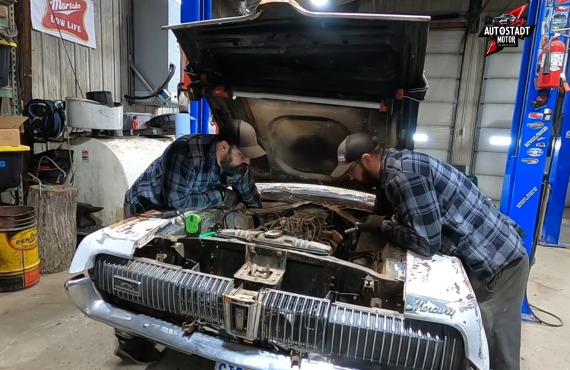
Whether you own a Mercury Grand Marquis, Mountaineer, Milan, or another model, the appropriate service depends on its engine configuration, model year, maintenance history, and current condition. With careful diagnosis and preventive maintenance, an older Mercury can remain more dependable and enjoyable to drive.
Signs Your Car Needs Mercury Mechanical Repair
Mechanical faults do not always cause an immediate breakdown. In many cases, a vehicle develops noticeable symptoms gradually. Recognizing these changes early can help you arrange an inspection before the problem becomes more serious.
1. Engine Noise, Misfires, or Reduced Performance
The engine is one of the most important areas to examine when a Mercury begins running differently.
You might notice rough idling, hesitation during acceleration, unusual knocking sounds, or a reduction in power. These symptoms can be associated with ignition components, fuel delivery, air intake problems, sensor faults, or internal engine wear.
For example, an engine misfire may result from worn spark plugs, a faulty ignition coil, or an issue affecting the fuel mixture. However, similar symptoms can have different causes, so replacing components based only on guesswork may waste time and money.
Professional engine diagnostics can help narrow down the cause and determine whether the vehicle needs a minor repair or a more detailed mechanical assessment.
2. Transmission Problems or Delayed Gear Changes
Transmission problems can affect how smoothly a Mercury accelerates and changes gears.
Possible warning signs include delayed engagement, slipping, harsh gear changes, unusual vibrations, or fluid leaks around the transmission area. On automatic transmission models, these symptoms should be investigated rather than dismissed as normal behaviour in an older vehicle.
Low or deteriorated transmission fluid, worn components, electrical faults, or internal transmission problems may contribute to these symptoms. The correct diagnosis depends on the particular transmission and vehicle specification.
If your Mercury begins shifting differently, arrange an inspection before continuing to drive it extensively.
3. Engine Overheating in Dubai Traffic
The cooling system is particularly important when driving in Dubai’s hot climate.
A rising temperature gauge, coolant warning, visible coolant leakage, or steam from the engine bay can indicate a cooling-system problem. Potential causes include a faulty thermostat, radiator restriction, damaged hose, water pump issue, cooling fan fault, or coolant leak.
Overheating should never be ignored because excessive engine temperature can lead to serious internal damage.
If the temperature warning appears, stop in a safe location as soon as possible and switch off the engine. Never open a hot radiator or pressurized coolant reservoir cap. Allow the system to cool and arrange professional assistance if necessary.
4. Steering and Suspension Changes
A Mercury that feels unstable, bounces excessively, pulls to one side, or produces knocking noises over uneven roads may need steering or suspension inspection.
Possible causes include worn shock absorbers, damaged suspension bushings, steering linkage wear, wheel alignment problems, or deteriorated ball joints.
These components affect handling, tyre wear, and vehicle stability. Therefore, unusual steering behaviour should be addressed promptly rather than treated as a minor comfort issue.
AutoStadt Motor Services can assess the relevant mechanical components and help identify which parts require attention.
5. Brake Noise or Reduced Stopping Performance
Brakes should receive immediate attention when their performance changes.
Grinding sounds, persistent squealing, steering-wheel vibration during braking, a soft brake pedal, or a longer stopping distance can indicate a problem with the braking system.
Worn brake pads, damaged discs, hydraulic issues, or other component faults may be responsible. Since braking performance directly affects safety, these symptoms should not be ignored.
If the pedal feels unusually soft, the brakes are not responding properly, or brake fluid is leaking, avoid driving the vehicle until it has been inspected.
6. Fluid Leaks Beneath the Vehicle
Fluid spots beneath a parked Mercury can provide an early warning of a mechanical problem.
Depending on the location and fluid type, the source may be engine oil, coolant, transmission fluid, brake fluid, or another automotive fluid. Air-conditioning condensation can also leave water beneath a vehicle, so appearance alone is not enough to confirm the source.
A technician can inspect the affected area and determine whether a seal, hose, connection, gasket, or component requires repair.
7. Dashboard Warning Lights or Electrical Issues
Warning lights should be interpreted according to their meaning and urgency.
An illuminated check-engine light may indicate an engine or emissions-related fault, while charging-system warnings can point toward an alternator, battery, wiring, or related problem.
On older vehicles, corroded connectors, damaged wiring, and ageing electrical components can also produce intermittent faults.
Diagnostic scanning, combined with physical inspection and appropriate electrical testing, can help identify the underlying issue.
Why Choose AutoStadt Motor Services for Mercury Mechanical Repair
Choosing a workshop for an older vehicle involves more than finding someone who can replace worn parts. The goal is to establish the actual condition of the vehicle and make sensible repair decisions.
Diagnosis Before Parts Replacement
Different mechanical faults can produce similar symptoms. Rough engine performance, for instance, does not automatically mean the engine needs major repairs.
At AutoStadt Motor Services, a diagnostic-first approach helps identify the likely source of the problem before a repair is recommended. Depending on the symptoms, this may involve visual inspection, diagnostic scanning, fluid checks, or mechanical testing.
This approach can help reduce unnecessary component replacement and provide a clearer understanding of the repair required.
Repair Recommendations for Older Mercury Models
Because Mercury production has ended, the availability of certain replacement components may vary according to the model, year, and specification.
Older vehicles may require additional attention to identify compatible parts and assess whether surrounding components have deteriorated. The condition of hoses, belts, seals, connectors, and mounting points can be especially important during mechanical repairs.
A careful assessment helps owners make informed decisions about restoring the vehicle’s reliability.
Comprehensive Mechanical Inspection
A mechanical issue can sometimes affect more than one system.
For example, engine overheating may involve the radiator, thermostat, water pump, cooling fan, or a leaking hose. Similarly, unusual vibration could originate from the suspension, tyres, engine mounts, or drivetrain.
Examining the relevant systems together can help prevent the main symptom from being treated while an associated fault remains unresolved.
Practical Advice for Dubai Driving
Vehicle maintenance requirements can change with age and driving conditions.
Frequent traffic, high temperatures, and regular use of air conditioning can place additional demands on certain components. AutoStadt Motor Services can assess the vehicle’s reported symptoms and condition to help determine which repairs and maintenance tasks deserve priority.
Service for Different Vehicle Makes
Mechanical repair requires an understanding of the specific vehicle rather than a universal approach. A Mercury Grand Marquis, for example, has different design characteristics from a Toyota Camry, Nissan Altima, BMW 5 Series, or Mercedes-Benz E-Class.
Although some diagnostic principles overlap, repair procedures, component specifications, and parts requirements can differ considerably. Vehicle-specific assessment remains essential.
How Our Mercury Mechanical Repair Process Works
A systematic repair process helps establish the cause of a fault, determine the appropriate solution, and check whether the repair has addressed the original symptoms.
Step 1: Discuss the Vehicle’s Symptoms
The process begins with information about the problem.
The owner may report overheating, engine noise, difficult gear changes, brake vibration, fluid leakage, or reduced performance. Details such as when the symptom occurs and whether it appears consistently can help guide the inspection.
The vehicle’s model, model year, engine configuration, and previous repair history may also be relevant.
Step 2: Carry Out an Initial Inspection
The technician examines the vehicle for visible signs of damage, leaks, worn components, loose connections, or other abnormalities.
The inspection is guided by the reported symptoms. If the engine is overheating, for example, the cooling system receives particular attention. If the vehicle is making suspension noises, the relevant steering and suspension components may require closer examination.
Step 3: Perform Appropriate Diagnostic Tests
Where necessary, diagnostic scanning and mechanical tests can help identify the source of the problem.
Engine fault codes, sensor readings, electrical checks, fluid condition, and component operation may all provide useful information. However, a fault code alone does not always prove that a particular component has failed.
The results should be interpreted alongside physical inspection and the vehicle’s actual symptoms.
Step 4: Explain the Findings and Repair Options
Once the fault has been identified as accurately as possible, the required work can be explained.
This may involve replacing a worn component, repairing a leak, servicing a system, or conducting additional tests if the cause remains uncertain.
The objective is to help the owner understand the problem and the reason for the recommended repair.
Step 5: Complete the Required Mechanical Work
The repair is then carried out according to the vehicle’s requirements and the confirmed fault.
Depending on the diagnosis, the work may involve engine repairs, transmission service, cooling-system repairs, brake component replacement, suspension work, or electrical troubleshooting.
The correct replacement parts and suitable specifications are important, particularly for older vehicles where compatibility must be confirmed.
Step 6: Inspect and Test After Repair
After the work is completed, the relevant system should be checked again.
Depending on the repair, this may include checking for leaks, confirming fluid levels, verifying engine operation, assessing cooling performance, or evaluating steering and braking behaviour.
Where appropriate and safe, a functional test can help confirm that the original complaint has been addressed. Any remaining concerns should be identified rather than assumed to have been resolved.
Mercury Mechanical Repair and Preventive Maintenance in Dubai
Preventive maintenance is particularly valuable for older vehicles because several age-related issues can develop even when the car is not driven frequently.
Regularly checking engine oil and coolant according to the manufacturer’s guidance can help identify fluid loss or abnormal consumption. Belts and hoses should be inspected for deterioration, while brakes, tyres, steering, and suspension should receive attention when symptoms or maintenance schedules indicate a need.
Transmission servicing should follow the requirements of the specific vehicle and transmission rather than an assumed universal interval. Similarly, electrical problems should be investigated when warning lights appear or the vehicle develops starting difficulties.
Air conditioning is another important consideration for Dubai drivers. If the AC becomes weak, produces unusual noises, or repeatedly loses refrigerant, the system should be inspected rather than relying on repeated temporary top-ups.
Keeping records of previous repairs can also help. These records allow a technician to understand what has already been replaced and can reduce duplicated diagnostic work.
For a Mercury that has been parked for a long time, a more thorough inspection may be appropriate before regular use. Tyres, brakes, battery condition, fluids, rubber components, and possible leaks deserve attention because age and storage can affect reliability even when mileage is low.
Frequently Asked Questions About Mercury Mechanical Repair in Dubai
1. Can Mercury vehicles still be repaired in Dubai?
Yes, many Mercury vehicles can still be maintained and repaired even though the brand has been discontinued. The exact repair options depend on the model, year, condition, and availability of compatible parts. Some components may be readily obtainable, while others may require additional sourcing. A professional inspection can establish the vehicle’s condition and help determine the most practical repair approach.
2. What mechanical problems are common in older Mercury cars?
Potential problems depend on the model and maintenance history. Owners may encounter cooling-system leaks, ageing hoses and seals, engine performance issues, transmission concerns, worn suspension components, brake wear, or electrical faults. These are not universal defects in every Mercury vehicle; rather, they are areas that may require attention as a vehicle ages. Proper diagnosis is necessary before identifying the actual fault.
3. How much does Mercury mechanical repair cost in Dubai?
The cost varies according to the fault, labour involved, vehicle model, and availability of replacement parts. A minor hose repair or routine service will generally involve different work from an internal engine repair or transmission overhaul. The most useful starting point is an inspection that establishes the problem and identifies the required components. AutoStadt Motor Services can assess the reported issue and recommend a repair based on the vehicle’s condition.
4. Is it worth repairing an older Mercury vehicle?
It can be worthwhile when the vehicle is in reasonable overall condition and the repair cost is proportionate to its value and intended use. Factors to consider include the condition of the engine and transmission, structural condition, parts availability, ongoing maintenance requirements, and the estimated cost of necessary repairs. A comprehensive assessment can help distinguish a manageable repair from a vehicle that may require repeated major expenditure.
5. How often should I arrange Mercury mechanical maintenance in Dubai?
Maintenance intervals should follow the manufacturer’s recommendations for the specific model, engine, and driving conditions. Because older vehicles may have ageing components, additional inspections can be sensible when new symptoms appear or when service records are incomplete. If you notice overheating, fluid leaks, abnormal noises, braking changes, or warning lights, arrange an inspection promptly instead of waiting for the next scheduled service.
Conclusion
Mercury mechanical repair remains important for Dubai owners who want to maintain the performance and reliability of their vehicles despite the brand’s discontinued production. Older Mercury models can develop problems involving the engine, transmission, cooling system, brakes, steering, suspension, and electrical components, but the correct solution depends on the actual fault and the vehicle’s overall condition.
The most effective approach is to identify problems early, use appropriate diagnostic procedures, and prioritize repairs according to safety and mechanical importance. Preventive maintenance can also help uncover deteriorating components before they lead to unexpected breakdowns.
AutoStadt Motor Services offers a professional starting point for Mercury owners seeking mechanical inspection and repair in Dubai. By evaluating symptoms, identifying the source of a fault, and recommending suitable corrective work, the workshop can help owners make better-informed maintenance decisions.
If your Mercury is overheating, losing fluids, producing unusual noises, shifting poorly, or showing changes in handling, arrange an inspection before the problem becomes more serious. Timely attention can help protect important components and support safer, more dependable driving.


Leave a Comment