
Mazda oil leak repair is essential when you notice oil spots beneath your vehicle, a burning oil smell, smoke from the engine bay, or an engine oil level that keeps dropping. Although an oil leak may initially appear minor, leaving it untreated can lead to lubrication problems, damaged engine components, and unexpectedly expensive repairs.
Mazda vehicles are designed for reliable everyday driving, but engine seals, gaskets, oil lines, and other components can deteriorate over time. A leak may develop around the valve cover gasket, oil pan, oil filter housing, crankshaft seals, or another area of the engine. Identifying the exact source is important because oil can spread across surrounding components and make the original leak difficult to locate.
For drivers in Dubai, regular engine inspections are particularly valuable. Frequent stop-and-go traffic, long commutes, high ambient temperatures, and demanding driving conditions can make it important to monitor engine oil levels and address signs of leakage promptly.
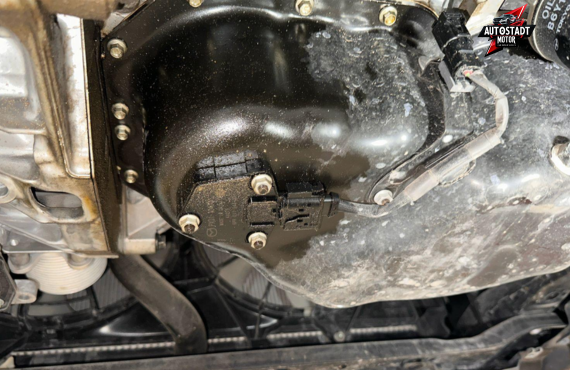
At AutoStadt Motor Services, Mazda oil leak repair begins with identifying the source of the problem before recommending a suitable solution. Whether you drive a Mazda 3, Mazda 6, Mazda CX-5, or another model, a careful inspection can help determine whether the issue involves a worn gasket, damaged seal, loose connection, or another engine-related fault.
The goal is not simply to clean away visible oil. It is to correct the underlying problem, protect engine lubrication, and help restore your Mazda’s dependable performance.
Signs Your Car Needs Mazda Oil Leak Repair
Oil leaks do not always produce an obvious puddle. Sometimes, the first indication is a smell, a warning light, or an unexplained change in the engine oil level. Recognizing these signs early can help you arrange an inspection before the problem becomes more serious.
1. Oil Spots Under Your Mazda
Fresh oil beneath your parked Mazda is one of the most recognizable signs of a possible leak.
The location of the stain can offer an initial clue, but it does not always identify the faulty component. Engine oil may travel along the engine block, undertray, or nearby surfaces before dripping onto the ground.
A mechanic needs to trace the oil back to its source rather than assuming that the component directly above the stain is responsible.
If you repeatedly notice fresh oil beneath your vehicle, arrange an inspection instead of relying on repeated cleaning or topping up.
2. Burning Oil Smell After Driving
A burning smell can occur when leaking engine oil reaches a hot exhaust component or another heated surface.
You might notice the smell after a longer journey, while sitting in traffic, or shortly after parking. In some cases, the leak may be small enough that it does not leave a large puddle.
Nevertheless, oil contacting hot components should not be ignored. If the smell is accompanied by visible smoke, stop in a safe location, switch off the engine, and arrange professional assistance.
3. Engine Oil Level Keeps Dropping
Checking the engine oil level according to your Mazda’s recommended procedure can help you identify unusual oil loss.
If the level repeatedly falls between scheduled oil changes, a leak may be responsible. However, oil consumption can also occur without an external leak, so the cause needs to be established.
At AutoStadt Motor Services, inspection can help distinguish visible leakage from other reasons for reduced oil levels.
4. Oil Around the Valve Cover
The valve cover sits over the upper portion of the engine and helps prevent oil from escaping around the cylinder head.
As its gasket ages, it can become less effective at maintaining a seal. Oil may then collect around the cover’s edges or travel down the side of the engine.
In some vehicles, a valve cover leak can also contribute to a burning smell if oil reaches hot components. Replacing the gasket may resolve the issue when inspection confirms that it is the source.
5. Oil Near the Engine Oil Pan
The oil pan stores engine oil when the engine is not circulating it through the lubrication system.
Leaks may develop because of a damaged gasket, a sealing problem, impact damage, or an issue around the drain plug following maintenance.
Since the oil pan is positioned low in the vehicle, its surrounding area can collect dirt and road debris, making a leak difficult to identify without proper inspection.
6. Engine Oil Warning Light Appears
An engine oil pressure warning requires immediate attention. It is not simply a reminder to schedule routine maintenance.
If the oil pressure warning illuminates while driving, stop safely and switch off the engine as soon as it is safe to do so. Continuing to operate an engine with insufficient oil pressure can cause severe damage.
A low oil level and low oil pressure are related but different conditions. Even if you add oil, the warning should not be ignored if it remains illuminated.
7. Visible Smoke From the Engine Area
Smoke or vapour around the engine bay may indicate oil contacting hot surfaces, although other faults can produce similar symptoms.
If you see smoke, investigate only when the vehicle is safely switched off and cool. Do not touch hot engine components or attempt repairs beside moving belts or fans.
If smoke is heavy or there are signs of fire, move away from the vehicle and contact emergency services.
Why Choose AutoStadt Motor Services for Mazda Oil Leak Repair
Selecting the right workshop means finding a team that investigates the source of the leak instead of replacing parts based on assumptions.
Accurate Engine Leak Diagnosis
Engine oil can escape from several different locations, and the visible symptoms are not always enough to identify the cause.
AutoStadt Motor Services can inspect the relevant areas, including the valve cover, oil pan, filter housing, seals, and accessible oil lines, depending on the vehicle’s engine configuration.
When necessary, cleaning the affected area and rechecking it can help distinguish an active leak from old oil residue.
Repair Recommendations Based on the Actual Fault
A leak from a drain plug may require a different repair from one caused by a worn crankshaft seal.
Likewise, a valve cover gasket replacement is not the same job as repairing a leak from a timing cover or oil pan.
Identifying the actual source helps ensure that the recommended repair addresses the problem rather than simply treating its symptoms.
Attention to Mazda Models and Engine Configurations
Mazda vehicles vary in engine design, component layout, and access requirements. A Mazda 3 may require a different repair approach from a Mazda CX-5, Mazda 6, or Mazda CX-9.
The appropriate repair also depends on the model year, engine type, and the location of the leak. This is why vehicle-specific inspection is important before estimating the work involved.
Protecting Engine Performance
Engine oil reduces friction, supports lubrication, and helps manage heat within the engine. When a leak lowers the oil level, essential components may not receive the lubrication they need.
Addressing leakage promptly helps reduce the risk of avoidable engine damage. It also provides an opportunity to check the oil level and inspect for related issues.
Convenient Maintenance for Dubai Drivers
For drivers commuting across Dubai, an unexpected oil leak can disrupt daily travel and create uncertainty about whether the vehicle is safe to use.
Arranging an inspection when the first signs appear can help you understand the severity of the issue and decide on the appropriate next step.
AutoStadt Motor Services supports Mazda owners seeking professional engine leak diagnosis and repair, with the aim of identifying the fault and explaining the available repair options.
How Our Mazda Oil Leak Repair Process Works
A reliable oil leak repair involves more than replacing a gasket. The source must be confirmed, the affected component repaired correctly, and the engine checked afterward.
Step 1: Discuss the Symptoms
The process begins with understanding what you have noticed.
You may have found oil on the ground, detected a burning smell, noticed smoke, or discovered that the oil level is dropping more quickly than expected.
Information about when the leak occurs, recent servicing, and any warning lights can help guide the initial inspection.
Step 2: Inspect the Engine and Surrounding Areas
The technician examines the engine and accessible components for wet oil, residue, damaged seals, or signs of leakage.
Depending on the vehicle, attention may be given to the valve cover gasket, oil filter housing, oil pan, drain plug, crankshaft seals, and other potential leak points.
The inspection also considers whether oil from a higher location could be running down and collecting elsewhere.
Step 3: Confirm the Leak Source
Once a suspected area has been identified, additional inspection may be needed to confirm the source.
Cleaning away accumulated oil and checking the area again can make the leak easier to trace. In some situations, specialist diagnostic methods may be appropriate.
This step helps avoid replacing a component that is not actually responsible for the oil loss.
Step 4: Assess the Required Repair
After identifying the source, the technician evaluates the affected component and determines the appropriate solution.
A worn gasket or sealing washer may be relatively straightforward to replace. A leak involving a crankshaft seal or another difficult-to-access component may require more labour.
The vehicle’s engine design and the condition of the surrounding parts can also influence the repair process.
Step 5: Repair the Fault and Restore the Oil Level
The confirmed repair is then carried out using suitable parts and the correct procedures for the vehicle.
Depending on the diagnosis, the work may involve replacing a gasket, seal, drain-plug washer, oil filter housing component, or damaged oil line.
The engine oil level is checked and corrected using the specification recommended for the particular Mazda. Any required maintenance associated with the repair is also considered.
Step 6: Check for Further Leakage
After the repair, the affected area is inspected again to confirm that the leak has been addressed.
The technician can also check the engine oil level and look for signs of continuing leakage around the repaired component.
Where appropriate, a further check after the engine has operated or the vehicle has been driven helps confirm that the repair is performing as intended.
Common Causes of Mazda Engine Oil Leaks
Understanding why oil leaks develop can help vehicle owners recognize the importance of regular inspection.
Ageing gaskets and seals: Rubber and other sealing materials can deteriorate over time, allowing oil to escape from joints and mating surfaces.
Incorrect installation: A drain plug, filter, or sealing component that has not been installed correctly during previous maintenance may develop a leak.
Damaged components: Road debris, impact damage, or physical deterioration can affect an oil pan or another exposed component.
Excessive crankcase pressure: Problems with crankcase ventilation can contribute to oil leaks by increasing pressure within the engine. The underlying cause should be checked rather than replacing seals without further investigation.
Previous repairs or accumulated residue: Oil left behind after maintenance can resemble a fresh leak. Proper cleaning and reinspection help distinguish old residue from an active problem.
These causes can occur in many vehicles, including Toyota, Nissan, BMW, and Mercedes-Benz models. However, the correct diagnosis and repair procedure depend on the specific engine and component design.
Frequently Asked Questions About Mazda Oil Leak Repair in Dubai
1. How much does Mazda oil leak repair cost in Dubai?
The cost depends on the source of the leak, the Mazda model, the engine configuration, the parts required, and the labour involved. Replacing an accessible gasket may be less involved than repairing a crankshaft seal or a component that requires substantial dismantling. A proper inspection is the best way to establish the likely repair scope and obtain a meaningful estimate from AutoStadt Motor Services.
2. Can I drive my Mazda if it has an engine oil leak?
It depends on the severity and location of the leak, as well as the engine oil level and any warning signs. A small leak still needs attention, but a rapid loss of oil, an oil pressure warning, heavy smoke, or unusual engine noise means you should stop driving and arrange assistance. Never continue driving with an oil pressure warning simply because the engine still appears to run normally.
3. What are the most common causes of Mazda oil leaks?
Common causes include worn valve cover gaskets, oil pan sealing problems, drain-plug or oil-filter issues, deteriorated seals, and leaking oil lines. Crankcase ventilation faults can also contribute to leakage. The most likely cause varies by model, engine, age, and maintenance history, so inspecting the actual source is more reliable than assuming every Mazda has the same problem.
4. Does an oil leak mean my Mazda engine needs replacement?
No. Many oil leaks can be repaired by replacing a faulty gasket, seal, washer, or other affected component. An engine replacement is not normally the first solution for an external oil leak. However, if the vehicle has been driven with critically low oil pressure or has suffered internal engine damage, more extensive work may be necessary. The engine’s condition should be assessed before deciding on a repair.
5. How can I prevent recurring oil leaks in my Mazda?
Follow the maintenance schedule for your particular model, use the specified engine oil, check the oil level as recommended, and have new leaks inspected promptly. It is also helpful to ensure that oil filters and drain plugs are installed correctly during servicing. If a leak returns after a repair, the area should be rechecked to determine whether the original cause remains or a different component is involved.
Conclusion
Mazda oil leak repair is important for maintaining engine lubrication, reducing avoidable damage, and keeping your vehicle dependable on Dubai roads. Whether you notice oil beneath your car, a burning smell, residue around the engine, or a falling oil level, the most effective first step is to identify the exact source.
Not every leak requires a major repair, but delaying inspection can make the situation more serious. A worn gasket, damaged seal, leaking filter housing, or faulty connection may be repairable when identified early.
AutoStadt Motor Services provides Mazda engine inspection and oil leak repair support for Dubai drivers. By locating the source of the leak, assessing the affected components, and recommending an appropriate repair, the workshop can help you make an informed decision about your vehicle’s maintenance.
If your Mazda is showing signs of oil leakage, arrange an inspection before the problem worsens. Prompt attention can help protect the engine, limit unnecessary repair costs, and give you greater confidence in your vehicle’s condition.


Leave a Comment