
McLaren denting painting is an essential service for owners who want to maintain the appearance, finish, and value of their high-performance supercar. Even a minor dent, paint scratch, bumper scuff, or stone chip can stand out on a vehicle with McLaren’s distinctive body design. Since these cars feature carefully sculpted panels, aerodynamic details, and premium paint finishes, repairing exterior damage requires a thoughtful approach rather than ordinary cosmetic work.
Driving in Dubai exposes vehicles to several potential sources of exterior damage. Busy parking areas, road debris, tight spaces, minor collisions, and frequent highway driving can leave marks on the bodywork. Furthermore, dust, sand, and prolonged sun exposure can affect the appearance of the paint over time. For a McLaren owner, maintaining the exterior is about more than appearance; it also means protecting the vehicle’s finish and identifying damage that could affect underlying materials.
At AutoStadt Motor Services, McLaren denting painting focuses on assessing the damage, selecting a suitable repair method, and restoring the affected area as closely as practical to its original condition. The correct approach depends on the model, panel material, paint type, and severity of the damage.
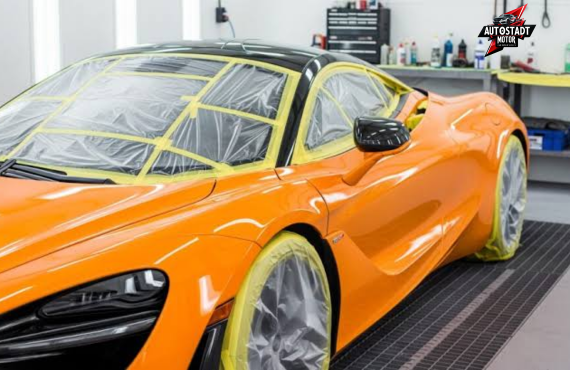
Whether you drive a McLaren 570S, 720S, Artura, GT, or another model, professional inspection can help determine whether the vehicle needs paintless dent removal, conventional dent repair, bumper refinishing, scratch correction, or more extensive bodywork. The aim is to achieve a clean, consistent finish while avoiding unnecessary repairs.
Signs Your Car Needs McLaren Denting Painting
Exterior damage is not always limited to a large dent or a deep scratch. Sometimes, small imperfections gradually affect the overall appearance of a vehicle. Recognizing these signs early can help you choose the appropriate repair.
1. Dents on Doors, Fenders, or Quarter Panels
Minor dents can occur when another car door strikes your McLaren or when the vehicle encounters a low-speed parking incident. Although the damage may appear superficial, it can distort the reflections across a panel and become particularly noticeable under direct sunlight.
Paintless dent removal may be suitable when the paint remains intact and the panel can be reshaped safely. However, sharp creases, damaged paint, and dents close to panel edges may require a different repair method.
A technician should assess the panel before recommending a solution, especially when the affected section has complex curves or special construction.
2. Scratches and Paint Scuffs
Scratches may result from contact with walls, bushes, other vehicles, or objects carried near the car. Some marks affect only the clear coat, while deeper scratches penetrate the colour layer or expose the underlying material.
The depth of the damage determines the most appropriate treatment. Light surface marks may respond to polishing, whereas deeper scratches can require localised refinishing or repainting.
For a premium supercar, choosing the right method helps preserve the visual consistency of the surrounding paintwork.
3. Bumper Damage
Front and rear bumpers are vulnerable to parking contact, road debris, and minor impacts. Scrapes along the lower bumper can be difficult to notice until the vehicle is cleaned, while cracks or deformation may indicate more significant damage.
Modern supercars may also have sensors, cameras, and other components integrated into their bumpers. Consequently, repairs should account for both the exterior finish and any affected equipment.
4. Stone Chips on the Front End
Highway driving can expose the bonnet, front bumper, and surrounding panels to small stones and road debris. These impacts may leave tiny chips in the paint.
Although an individual chip might seem insignificant, multiple marks can make the front end look worn. If a chip exposes the underlying material, prompt assessment can help determine whether protective or refinishing work is appropriate.
5. Faded, Dull, or Uneven Paint
Dubai’s strong sunlight can contribute to the deterioration of a vehicle’s exterior finish over time. Improper washing, abrasive cleaning materials, and accumulated contaminants can also reduce gloss.
Not every dull finish requires repainting. Depending on the condition, professional paint correction may improve surface clarity. If the clear coat is severely damaged or the colour layer has deteriorated, refinishing may be necessary.
6. Damage After a Minor Collision
Even a low-speed impact can cause hidden damage beneath a visibly scratched bumper or dented panel. Misaligned body gaps, loose trim, cracked mounting points, or damaged brackets may indicate that the problem extends beyond the paint surface.
In these situations, cosmetic refinishing should not begin until the affected components have been inspected and the required structural or mounting repairs have been identified.
Why Choose AutoStadt Motor Services for McLaren Denting Painting
McLaren bodywork deserves careful assessment because the vehicle’s design, materials, and paint finish can influence the repair method. AutoStadt Motor Services aims to help owners identify the appropriate work and make informed decisions about restoring their vehicle’s exterior.
Damage Assessment Before Repair
The first step is to understand the extent of the damage. A small dent with intact paint presents a different repair challenge from a deep scratch, cracked bumper, or damaged panel.
Inspecting the affected area helps determine whether polishing, paintless dent removal, conventional dent repair, or repainting is appropriate. This reduces the risk of recommending unnecessary work.
Attention to Panel Materials
Supercars can use a combination of aluminium, composite materials, and other specialised body components, depending on the model and panel. These materials do not all respond to the same repair techniques.
For this reason, the panel’s construction should be considered before any reshaping, sanding, filling, or refinishing begins. Using an unsuitable method can cause additional damage or compromise the final appearance.
Colour Matching and Finish Consistency
Matching the repaired area to the original paint is one of the most important aspects of automotive refinishing. Differences in colour, gloss, metallic effect, or application can become visible when the vehicle is viewed from different angles.
The repair process should account for the original colour specification and the condition of the surrounding finish. Depending on the paint system and damage, blending adjacent areas may be necessary to achieve a more consistent result.
A Repair Plan Suited to Your McLaren
A McLaren 720S with a small door dent may need a different solution from an Artura with a damaged bumper or a GT with scratches across several panels.
AutoStadt Motor Services can assess the affected areas and recommend the work based on the condition of the vehicle. The objective is to restore the exterior without automatically replacing a panel or repainting a larger area when a suitable alternative is available.
Support for Different Luxury Vehicles
The same careful assessment is valuable across premium vehicle brands. A BMW M model, Mercedes-Benz AMG, Porsche 911, or Ferrari may also require specialised attention when its bodywork is damaged.
However, each vehicle has its own materials, paint systems, and repair requirements. The correct process should always be based on the individual car rather than applying one method to every luxury vehicle.
How Our McLaren Denting Painting Process Works
A professional body repair process should address the cause and extent of the damage before the final paint finish is applied. The exact stages depend on the vehicle and the condition of the affected panel.
Step 1: Inspect the Exterior Damage
The process begins with a visual assessment of the dent, scratch, scuff, or impact area. The technician considers the size and depth of the damage, the condition of the paint, panel alignment, and any visible signs of cracking.
If an impact may have affected sensors, brackets, or mounting points, those areas should also be assessed before cosmetic work proceeds.
Step 2: Select the Appropriate Repair Method
After the inspection, the most suitable method can be identified.
Paintless dent removal may work for certain shallow dents when the paint is undamaged and the panel is accessible. Conventional dent repair may be necessary when the metal or other repairable panel material is distorted. Scratches and chipped paint may require surface preparation and refinishing.
If a panel is cracked, severely deformed, or unsuitable for repair, replacement may need to be considered.
Step 3: Prepare the Damaged Area
When repainting is required, preparation is crucial to the final result. The affected surface may need cleaning, sanding, removal of damaged paint, and suitable repair of imperfections.
Adjacent components should be protected from overspray and contamination. Depending on the repair, trim, lights, sensors, or other parts may need to be removed or carefully masked.
Correct preparation provides a suitable foundation for the refinishing process.
Step 4: Repair the Panel
The repair method depends on the material and the type of damage. Dents may require careful reshaping, while deeper surface damage can require approved repair materials and additional preparation.
For composite panels, the repair procedure must be appropriate for the particular material and manufacturer requirements. Not every composite component can be repaired using conventional metal-bodywork techniques.
Step 5: Match and Apply the Paint
Once the surface is ready, the refinishing process can begin where required. Colour selection, paint preparation, application technique, and curing conditions all influence the final appearance.
The objective is to achieve a finish that blends as closely as practical with the original paint. Certain colours and finishes can be more challenging to match, particularly when the surrounding paint has aged or been exposed to sunlight.
Step 6: Finish and Inspect the Repaired Area
After the paint has cured according to the relevant product requirements, the repaired area is inspected. The technician checks for visible imperfections, uneven texture, colour differences, and consistency with nearby panels.
Where appropriate, finishing or polishing may be performed to improve the final appearance. Any removed components should also be refitted correctly, with relevant functions checked.
Step 7: Final Quality Check
Before the vehicle is returned, the completed work should be reviewed under suitable lighting. This helps reveal imperfections that might be difficult to see in a dim workshop.
The final check should confirm that the repair addresses the original damage and that adjacent components, trim, and relevant equipment are in their expected condition.
Maintaining Your McLaren’s Paintwork in Dubai
After professional denting and painting, sensible maintenance can help preserve the finish for longer. Dubai’s environmental conditions make regular cleaning and careful handling especially useful.
Wash the vehicle with suitable automotive products and clean microfiber materials. Avoid abrasive household cleaners, rough cloths, and aggressive scrubbing because they can create fine scratches in the clear coat.
It is also beneficial to remove bird droppings, insect residue, and other contaminants promptly using appropriate cleaning methods. Leaving them on the surface for extended periods may damage or stain the finish.
Where practical, park in covered or shaded areas to reduce prolonged exposure to direct sunlight. If the vehicle is frequently driven on highways, a suitable paint protection film may help reduce stone-chip damage to vulnerable areas. However, protection should be selected according to the paint condition and the owner’s needs.
Finally, do not attempt to flatten a deep scratch with aggressive polishing. If the damage has reached the colour layer or underlying panel, polishing alone will not restore the original finish. A professional assessment can help prevent further deterioration.
Frequently Asked Questions About McLaren Denting Painting in Dubai
1. How much does McLaren denting painting cost in Dubai?
The cost depends on the severity of the damage, the number of affected panels, the material involved, and whether the repair requires paintless dent removal, conventional bodywork, or repainting. A small scratch may need limited correction, while a damaged bumper or complex composite panel can require more extensive work. Colour matching and component removal may also affect the final estimate. AutoStadt Motor Services can assess the damage before recommending a suitable repair and providing a cost estimate.
2. Can a dent on my McLaren be repaired without repainting?
Yes, in some cases. Paintless dent removal may be suitable when the dent is relatively shallow, the original paint remains intact, and the panel can be accessed safely. However, sharp creases, stretched material, damaged paint, and dents in difficult locations may require conventional repair. The suitability of paintless dent removal depends on the panel material and damage pattern, so an inspection is recommended before choosing this option.
3. How long does McLaren denting painting take?
The repair time depends on the size and complexity of the job. A small dent or minor scratch may be resolved more quickly than extensive bodywork involving multiple panels, specialist materials, or repainting. Paint preparation, curing, colour matching, and final quality checks also affect turnaround time. If sensors, trim, or other components need removal, additional time may be required. A realistic completion estimate can be provided after the vehicle has been inspected.
4. Can you match the original paint colour on a McLaren?
The aim of professional refinishing is to match the original colour and finish as closely as practical. The process depends on the vehicle’s paint specification, the condition of the surrounding panels, and whether the colour is solid, metallic, pearlescent, or another specialised finish. Even when the correct colour code is available, application technique and paint ageing can affect the result. A proper assessment helps determine whether local refinishing or blending adjacent panels is the more suitable approach.
5. Is it worth repairing minor scratches on a McLaren?
In many cases, yes, especially when scratches affect the vehicle’s appearance or expose the underlying material. However, the appropriate treatment depends on the depth of the damage. Light marks may respond to polishing, while deeper scratches can require touch-up work or repainting. Addressing the issue early can help prevent further deterioration where the protective paint layers have been compromised. The best approach is to assess the scratch before attempting a DIY repair or using abrasive products.
Conclusion
McLaren denting painting requires careful attention to body shape, panel materials, paint matching, and the quality of the finished surface. Whether your vehicle has a parking dent, bumper scuff, stone chips, deep scratches, or damage from a minor collision, the correct repair method depends on the specific condition of the affected area.
For McLaren owners in Dubai, early inspection can help prevent minor cosmetic issues from becoming more extensive repair jobs. It also provides an opportunity to identify hidden damage that may not be obvious from the outside.
AutoStadt Motor Services offers support for automotive bodywork and paint-related concerns, helping vehicle owners understand the available repair options and choose an approach suited to their car.
If your McLaren needs dent removal, scratch repair, bumper refinishing, or a paint restoration assessment, arrange an inspection to determine the most appropriate solution. With careful preparation, suitable repair techniques, and a thorough final check, the goal is to restore a clean exterior appearance while respecting the design and finish of your supercar.


Leave a Comment