
Opel mechanical repair is essential when an Opel begins showing unusual noises, reduced performance, warning lights, vibration, or changes in the way it handles. Mechanical problems rarely disappear on their own. In many cases, a small fault can gradually affect connected components and eventually result in a much more expensive repair.
Opel vehicles are engineered for dependable everyday driving, but regular exposure to heavy traffic, long commutes, high temperatures, stop-and-go conditions, and demanding road use can place additional stress on mechanical components. Models such as the Opel Astra, Opel Corsa, Opel Insignia, and Opel Mokka can develop different issues depending on mileage, driving habits, maintenance history, and component wear.
A proper repair should therefore begin with diagnosis rather than simply replacing the part that appears to be causing the problem. At AutoStadt Motor Services, Opel mechanical repair is approached as a complete vehicle inspection. Our technicians examine the affected system, identify the underlying cause, explain the required work, and then carry out the repair using suitable procedures and replacement components.
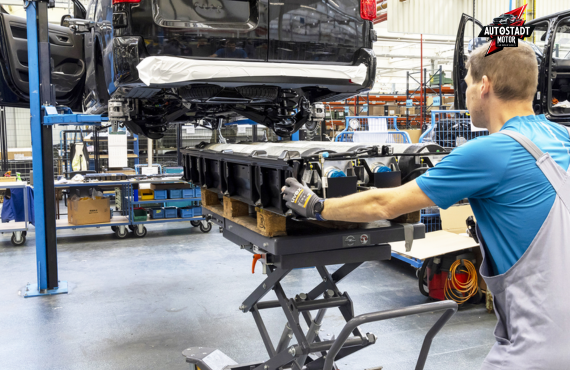
Whether the problem involves the engine, transmission, suspension, braking system, steering, cooling system, or another mechanical assembly, accurate diagnosis can save both time and unnecessary expense.
Signs Your Car Needs Opel Mechanical Repair
Mechanical faults can appear gradually. Some symptoms may initially seem minor, but they can provide important clues about a developing problem.
1. Unusual Engine Noises
A new ticking, knocking, rattling, grinding, or squealing sound should not be ignored. Different noises can indicate different problems, including worn belts, damaged pulleys, insufficient lubrication, loose components, or internal engine wear.
For example, a brief noise during startup may have a different cause from a continuous knocking sound under acceleration. Professional inspection helps distinguish between normal operating sounds and symptoms that require attention.
2. Difficulty Starting the Engine
If your Opel takes longer than usual to start, turns over repeatedly before starting, or occasionally fails to start, the cause may not always be the battery.
Depending on the symptoms, technicians may inspect the starter motor, ignition components, fuel delivery, sensors, electrical connections, and engine management system. Finding the actual cause is more effective than replacing unrelated components through trial and error.
3. Transmission Problems
A mechanical inspection may be necessary when you notice:
- Harsh gear changes
- Delayed engagement
- Difficulty selecting gears
- Transmission slipping
- Grinding or unusual transmission noises
- Fluid leakage
- Shuddering during acceleration
Transmission problems can become considerably more expensive when ignored. Early diagnosis may identify a worn component or fluid-related issue before more extensive damage develops.
4. Steering Feels Different
Changes in steering feedback deserve attention, particularly if the steering suddenly becomes heavy, loose, or inconsistent.
A technician may need to inspect steering components, suspension joints, wheel alignment, steering rack components, or power-assisted steering systems depending on the Opel model.
A similar principle applies to other vehicles. A Toyota may develop worn suspension joints while a BMW could show steering symptoms caused by another component. The important point is that steering behavior should be diagnosed rather than assumed to have a single cause.
5. Excessive Vibration
Vibration through the steering wheel, driver’s seat, or floor can originate from several areas.
Possible causes include:
- Wheel or tyre imbalance
- Worn engine mounts
- Suspension components
- Driveshaft or axle problems
- Brake-related issues
- Wheel bearing wear
If vibration increases with speed, braking, acceleration, or turning, tell the technician exactly when it occurs. That information can significantly narrow the diagnostic process.
6. Braking Performance Changes
Your Opel’s braking system should provide predictable and controlled stopping performance. If the brake pedal feels soft, the vehicle pulls to one side, braking produces vibration, or you hear persistent grinding, an inspection is advisable.
Brake pads and discs naturally wear, but other problems can affect braking performance as well. Calipers, brake fluid, wheel components, and suspension parts may also require examination.
7. Fluid Leaks Under the Vehicle
A visible puddle underneath an Opel can provide an important warning. Depending on its location, colour, smell, and consistency, it could potentially be engine oil, coolant, transmission fluid, brake fluid, or another automotive fluid.
Instead of simply topping up the fluid, the source of the leak should be identified. Continuing to drive with a significant leak can result in overheating, lubrication problems, or mechanical damage.
8. Suspension Becomes Noisy or Uncomfortable
A vehicle that suddenly feels unstable, bounces excessively, or produces knocking sounds over speed bumps may have a suspension-related problem.
Components such as control arms, bushings, ball joints, shock absorbers, and stabilizer links can deteriorate with use. Since these parts also influence handling and tyre wear, timely Opel mechanical repair is important for both comfort and road control.
Why Choose AutoStadt Motor Services for Opel Mechanical Repair
Choosing a workshop for mechanical work is about more than finding the cheapest repair quote. A reliable garage should understand the relationship between different vehicle systems and avoid unnecessary parts replacement.
Experienced Mechanical Diagnosis
At AutoStadt Motor Services, the objective is to identify what is actually causing the problem. A technician may combine visual inspection, mechanical testing, diagnostic scanning, road-test observations, and component checks depending on the complaint.
This approach is particularly useful when one symptom could have several possible causes.
Complete Mechanical Inspection
An Opel mechanical repair appointment can involve more than the component initially reported by the driver. If an Opel arrives with vibration, for instance, checking only the wheels may not be enough. Suspension, brakes, bearings, drivetrain components, and mounting points may also need examination.
A broader inspection helps prevent secondary problems from being overlooked.
Transparent Repair Recommendations
Vehicle owners should know what needs to be repaired and why. AutoStadt Motor Services focuses on explaining the identified fault, the recommended repair, and the potential consequences of delaying necessary work.
This allows Dubai car owners to make informed maintenance decisions instead of approving repairs without understanding the reason behind them.
Suitable Parts and Repair Procedures
Mechanical components need to match the vehicle’s specifications. Using an unsuitable component can create additional problems and shorten service life.
Our technicians select replacement components according to the vehicle and repair requirement, while following appropriate workshop procedures for the affected system.
Convenient Service for Dubai Drivers
A mechanical problem can be especially inconvenient when you depend on your Opel for work, family travel, school runs, or daily commuting. Addressing problems early can reduce the chance of unexpected breakdowns and larger repair bills.
AutoStadt Motor Services provides mechanical support designed around the practical needs of Dubai vehicle owners.
How Our Opel Mechanical Repair Process Works
Step 1: Vehicle Assessment
The process begins by understanding what you have noticed. Information such as when the problem started, whether it happens during cold starts, acceleration, braking, turning, or high-speed driving can be extremely useful.
The technician also reviews the vehicle’s general condition and maintenance history where available.
Step 2: Diagnostic Inspection
The vehicle is inspected according to the reported symptoms. Depending on the issue, this can include a visual mechanical inspection, computer diagnostics, fluid checks, component testing, and examination of related systems.
Diagnostic scanning can identify electronic faults, but mechanical inspection remains important because not every mechanical problem will appear as a simple diagnostic trouble code.
Step 3: Identify the Root Cause
Once the inspection is complete, the technician determines which component or system is responsible for the symptoms.
For example, an engine vibration does not automatically mean the engine itself needs major repair. Worn engine mounts, ignition issues, drivetrain components, or other mechanical faults can produce similar sensations.
This distinction helps prevent unnecessary repairs.
Step 4: Repair Planning
After identifying the fault, the required work is discussed with the vehicle owner. Minor repairs may involve replacing a worn component, correcting a mechanical adjustment, repairing a leak, or servicing a specific assembly.
More complicated problems may require a staged repair plan.
Step 5: Mechanical Repair
The damaged or worn component is repaired or replaced using the appropriate workshop procedure. During this stage, related components may also be inspected to ensure that the original problem has not affected surrounding parts.
Step 6: Testing and Quality Check
After the repair, the vehicle is tested to confirm that the original symptoms have been addressed. Depending on the repair, this may include a road test, diagnostic scan, fluid inspection, brake test, steering check, or examination for abnormal noises.
Only after the repair has been checked should the vehicle return to normal driving.
Opel Mechanical Repair for Different Vehicle Systems
Engine and Cooling System
Engine repairs can range from relatively simple component replacement to more complex mechanical work. Cooling system problems are particularly important because overheating can cause serious engine damage.
Technicians may inspect the radiator, thermostat, cooling fan, hoses, water pump, coolant level, and related components when overheating or coolant loss is reported.
Suspension and Steering
A worn suspension system can affect ride quality, tyre wear, braking stability, and handling. Steering components also require careful inspection because their condition directly influences vehicle control.
Braking System
Brake servicing may involve pads, discs, calipers, brake fluid, sensors, and other associated components. The correct repair depends on the actual condition of the system rather than mileage alone.
Transmission and Drivetrain
Transmission servicing and drivetrain repairs require attention to symptoms such as slipping, vibration, delayed engagement, unusual noises, or fluid leaks. Early investigation can sometimes prevent a relatively manageable issue from becoming a major transmission failure.
Electrical and Mechanical Interaction
Modern Opel vehicles combine mechanical systems with electronic controls. Consequently, a mechanical complaint may sometimes trigger an electronic warning, while an electrical fault can produce symptoms that feel mechanical.
This is why combining diagnostic equipment with physical inspection is often more effective than relying on either method alone.
Frequently Asked Questions About Opel Mechanical Repair in Dubai
1. What does Opel mechanical repair include?
Opel mechanical repair can cover a wide range of vehicle systems, including engine components, transmission, suspension, steering, brakes, cooling systems, belts, mounts, bearings, drivetrain components, and fluid leaks.
The exact service depends on the vehicle’s symptoms and inspection results. A professional workshop should first determine the cause of the problem before recommending specific repairs.
2. How do I know if my Opel has a serious mechanical problem?
Warning signs include severe engine knocking, overheating, major fluid leaks, sudden loss of power, braking problems, strong vibration, unusual transmission behaviour, or significant steering changes.
Not every unusual sound means major mechanical failure. However, if a symptom is new, worsening, or affecting safety or drivability, it is better to have the vehicle inspected promptly rather than continuing to drive and hoping the issue disappears.
3. How often should an Opel receive mechanical inspections?
There is no single interval that applies to every Opel because inspection requirements depend on model, mileage, age, driving conditions, and maintenance history.
Regular servicing is important, but an inspection should also be considered whenever you notice a new noise, vibration, leak, warning light, handling change, or performance issue. Preventive inspections can help identify worn components before they fail completely.
4. Can Dubai’s driving conditions affect Opel mechanical components?
Yes. Frequent stop-and-go traffic, extended idling, high ambient temperatures, long journeys, heavy air-conditioning use, and congested roads can increase operating demands on a vehicle.
However, the effect varies according to the component and vehicle. Rather than assuming that a particular part has failed because of the climate, a technician should inspect the vehicle and identify the actual cause.
5. Why should I choose AutoStadt Motor Services for Opel mechanical repair?
AutoStadt Motor Services focuses on diagnosis-led mechanical repair rather than simply replacing parts based on symptoms. The inspection process can cover the engine, drivetrain, suspension, steering, brakes, cooling system, and other relevant components depending on the vehicle’s complaint.
For Dubai Opel owners, this approach provides a clearer understanding of the vehicle’s condition and helps ensure that necessary repairs are addressed before smaller problems develop into more expensive failures.
Conclusion
Opel mechanical repair should be treated as an important part of vehicle ownership rather than something to consider only after a breakdown. Unusual noises, vibration, fluid leaks, braking changes, steering problems, overheating, and transmission issues can all indicate that a vehicle needs professional attention.
The key is accurate diagnosis. Replacing parts without finding the underlying cause can waste money and leave the original problem unresolved. A systematic inspection allows technicians to determine whether the issue involves the engine, suspension, brakes, steering, transmission, cooling system, or another mechanical assembly.
For Dubai car owners, AutoStadt Motor Services provides professional mechanical inspection and repair support for Opel vehicles. By identifying problems early, using suitable repair procedures, and testing the vehicle after service, the goal is to restore dependable performance while helping owners avoid unnecessary repairs.
If your Opel has started behaving differently, producing unfamiliar sounds, losing performance, or showing signs of mechanical wear, arranging an inspection is a practical first step. Early attention can make the repair simpler, protect other components, and keep your vehicle ready for everyday driving in Dubai.


Leave a Comment