
Opel radiator repair is essential when your vehicle begins showing signs of overheating, coolant loss, or unstable engine temperature. The radiator is one of the most important components of the engine cooling system because it helps remove excess heat from the coolant before it is circulated back through the engine. When the radiator develops a leak, blockage, damaged fins, or poor coolant circulation, the entire cooling system can become less effective.
For Opel owners in Dubai, keeping the cooling system in good condition is particularly important. Daily traffic, long journeys, frequent stop-and-go driving, and high operating temperatures can place additional demands on the radiator and other cooling components. A small coolant leak that seems harmless today can eventually result in overheating and expensive engine damage.
At AutoStadt Motor Services, we approach Opel radiator repair as a complete cooling-system problem rather than simply replacing a damaged component. Our technicians inspect the radiator, hoses, coolant condition, thermostat, water pump, radiator cap, cooling fans, and related components to identify the actual source of the problem.
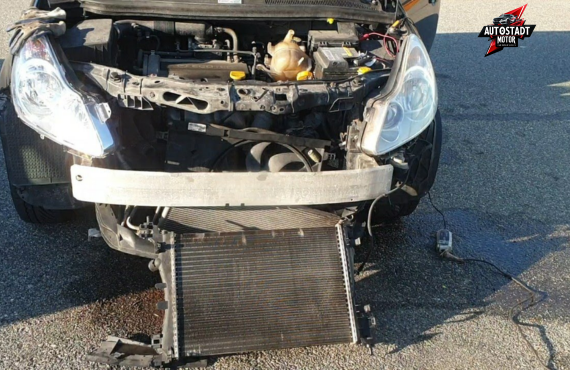
Whether you drive an Opel Astra, Opel Corsa, Opel Insignia, or another Opel model, timely attention to cooling system problems can help maintain reliable engine performance and prevent avoidable repair costs.
Signs Your Car Needs Opel Radiator Repair
Radiator problems do not always begin with dramatic overheating. In many cases, the first warning signs are relatively minor. Recognizing them early gives you an opportunity to have the vehicle inspected before the cooling system suffers a major failure.
1. Coolant Leaking Under the Vehicle
One of the clearest indications of a radiator problem is coolant appearing underneath the vehicle after parking. Depending on the coolant type, the fluid may have a noticeable color and sweet smell.
However, the radiator is not the only possible source of a coolant leak. A damaged radiator hose, water pump seal, thermostat housing, expansion tank, or another connection can produce similar symptoms. Therefore, professional diagnosis is important before replacing parts.
2. Engine Temperature Rising Above Normal
If your Opel’s temperature gauge starts moving higher than its usual position, do not ignore it. A radiator that cannot effectively dissipate heat may cause the engine temperature to increase, particularly during heavy traffic or extended driving.
An overheating engine can suffer serious damage if the vehicle continues to operate under excessive temperatures. Consequently, early radiator inspection can be much less expensive than repairing an overheated engine.
3. Frequent Need to Add Coolant
Having to refill the coolant reservoir repeatedly is not normal. It usually indicates that coolant is escaping somewhere or that another cooling-system issue is preventing proper operation.
At AutoStadt Motor Services, technicians can pressure-test the cooling system to help identify hidden leaks that may not be obvious during a basic visual inspection.
4. Coolant Warning Light Appears
A warning light on the dashboard should never be dismissed simply because the vehicle still feels normal. Depending on the Opel model, the warning may relate to coolant level or engine temperature.
The underlying cause could be a leak, low coolant, circulation problem, faulty sensor, or radiator-related issue. Diagnostic testing can help determine which component requires attention.
5. Steam or Excessive Heat from the Engine Bay
Steam coming from underneath the bonnet is a serious warning sign. It can occur when coolant reaches an extremely high temperature or escapes onto hot engine components.
If this happens, stop driving as soon as it is safe to do so and allow the vehicle to cool. Opening the cooling system while it is pressurized can be dangerous, so radiator and coolant-system inspection should be performed by a qualified technician.
6. Corrosion or Damaged Radiator Fins
The radiator relies on thin cooling fins to transfer heat into the surrounding air. If these fins become heavily bent, corroded, clogged, or damaged, airflow and heat transfer can decrease.
External dirt and debris can also restrict airflow. A professional inspection can determine whether cleaning is sufficient or whether radiator replacement is more appropriate.
7. Cooling Fan Runs Excessively
A cooling fan that runs unusually often or continues operating for extended periods can indicate that the engine is struggling to maintain the correct temperature.
The radiator itself may be involved, but the problem could also originate from the thermostat, coolant temperature sensor, fan control system, or insufficient coolant circulation. Proper diagnosis prevents unnecessary parts replacement.
Why Choose AutoStadt Motor Services for Opel Radiator Repair
Choosing the right workshop matters because a radiator problem can sometimes be a symptom of a wider cooling-system fault. Simply replacing the radiator without identifying the underlying cause may allow the same problem to return.
Complete Cooling System Inspection
AutoStadt Motor Services examines the cooling system as a connected network. Along with the radiator, technicians check hoses, clamps, thermostat operation, water pump performance, expansion tank, radiator cap, cooling fans, and coolant condition where applicable.
This approach helps distinguish between a radiator failure and other issues that may produce similar symptoms.
Accurate Leak Detection
Not every coolant leak is immediately visible. Small leaks may only appear when the cooling system reaches operating pressure.
Pressure testing and careful inspection can help locate leakage points around radiator tanks, seams, hoses, connections, and other components.
Suitable Repair or Replacement
Depending on the condition of the radiator, the appropriate solution may involve repairing a minor issue, replacing a damaged component, flushing contaminated coolant, or installing a replacement radiator.
The objective is not to recommend unnecessary work. Instead, the repair should address the actual cause of the cooling problem and restore dependable coolant circulation.
Experience With European Vehicles
European cars can have cooling-system layouts and component requirements that differ from many mainstream vehicles. AutoStadt Motor Services also works with vehicles from brands such as BMW, Mercedes-Benz, and Audi, giving technicians experience with a broad range of automotive cooling systems.
That experience can be valuable when diagnosing problems that are not immediately obvious.
Dubai-Focused Automotive Service
Dubai driving conditions can involve long periods of idling, congested roads, high ambient temperatures, and extended journeys. These conditions make a properly functioning cooling system especially important.
A healthy radiator helps your Opel maintain a stable operating temperature when the engine is working harder than it would under lighter driving conditions.
How Our Opel Radiator Repair Process Works
A professional radiator repair should follow a logical diagnostic process. At AutoStadt Motor Services, the inspection begins by understanding the symptoms rather than immediately replacing parts.
Step 1: Initial Vehicle Assessment
The technician first discusses the symptoms with you. Information such as coolant loss, temperature fluctuations, warning lights, previous repairs, or overheating history can help narrow down potential causes.
The vehicle is then visually inspected for obvious signs of coolant leakage, corrosion, damaged components, or unusual conditions around the radiator and engine bay.
Step 2: Cooling System Inspection
The radiator, coolant reservoir, hoses, clamps, thermostat housing, water pump area, and other relevant components are examined.
The condition of the coolant is also considered because contaminated, degraded, or incorrect coolant can affect cooling-system performance.
Step 3: Leak and Pressure Testing
If coolant loss is suspected, pressure testing can help identify leaks that may not be visible when the engine is cold.
Radiator seams, connections, hoses, and other potential leakage points are checked carefully. This step is particularly useful when the coolant level repeatedly drops without an obvious puddle beneath the vehicle.
Step 4: Check Cooling Performance
The cooling fans and coolant circulation are assessed to determine whether the radiator is receiving adequate airflow and whether coolant is moving correctly through the system.
A thermostat that remains closed, a weak water pump, or an electrical cooling-fan issue can sometimes look like a radiator problem. Testing these components helps avoid incorrect diagnosis.
Step 5: Radiator Repair or Replacement
Once the problem has been identified, the technician recommends the appropriate repair. If the radiator is damaged beyond practical repair, replacement may be necessary.
The replacement component should be suitable for the specific Opel model and engine configuration rather than being selected solely by vehicle brand.
Step 6: Coolant Service and System Checks
After radiator-related work, the cooling system may require appropriate coolant filling and bleeding to remove trapped air.
The system is then checked again to confirm proper operation, stable temperature, and the absence of leaks. This final verification is important because an incorrectly filled or air-locked cooling system can continue creating problems even after a component has been replaced.
Frequently Asked Questions About Opel Radiator Repair in Dubai
1. How much does Opel radiator repair cost in Dubai?
The cost depends on the actual problem. A minor leak, damaged hose, loose connection, or cooling-system service can cost considerably less than replacing the entire radiator.
The specific Opel model, radiator design, replacement component, labor requirements, coolant service, and additional faults all influence the final price. The best approach is to have the vehicle inspected first so the repair can be based on an accurate diagnosis rather than an assumption.
2. How do I know if my Opel radiator needs repair or replacement?
A radiator may be repairable when the issue is related to a minor serviceable problem, depending on its construction and the location of the fault. However, severe corrosion, structural damage, significant leakage, or extensive deterioration may make replacement the more reliable option.
A professional inspection at AutoStadt Motor Services can determine the condition of the radiator and whether repair or replacement makes better sense for the vehicle.
3. Can I drive my Opel if the radiator is leaking?
Driving with a radiator leak is risky because coolant loss can eventually cause the engine to overheat. Even a relatively small leak can become worse as temperature and cooling-system pressure increase.
If the temperature gauge rises, a coolant warning appears, or steam comes from the engine compartment, continuing to drive can increase the possibility of serious engine damage. It is safer to stop the vehicle and arrange an inspection or recovery service.
4. How often should an Opel radiator be inspected?
There is no single inspection interval that applies equally to every Opel because vehicle age, mileage, driving conditions, coolant condition, and previous repairs all matter.
A radiator should be inspected whenever you notice coolant loss, overheating, temperature fluctuations, visible corrosion, unusual cooling-fan behavior, or warning lights. During routine servicing, technicians can also check the radiator and surrounding cooling components for early signs of deterioration.
5. Does Dubai’s climate affect Opel radiator performance?
High ambient temperatures can increase the amount of heat the vehicle’s cooling system must reject, especially when combined with traffic congestion and prolonged idling.
This does not mean every Opel radiator will fail because of Dubai’s climate. However, maintaining the correct coolant level, keeping the radiator and airflow path clean, checking cooling fans, and addressing leaks early are sensible ways to support reliable cooling performance.
Conclusion
Opel radiator repair should not be postponed when your vehicle shows signs of coolant loss, overheating, unstable temperature, or cooling-system malfunction. The radiator plays a central role in controlling engine temperature, and a problem that starts with a small leak can eventually develop into a much more expensive engine repair.
For Opel owners in Dubai, AutoStadt Motor Services provides a diagnostic-focused approach to radiator and cooling-system problems. From leak detection and radiator inspection to coolant service and component replacement, the goal is to identify the real fault and restore dependable cooling performance.
Whether you own an Opel Astra, Corsa, Insignia, or another model, addressing cooling problems early can help protect the engine and keep your vehicle dependable on Dubai roads. When you notice a coolant warning, rising temperature, repeated coolant loss, or visible leakage, arranging a professional inspection is a much better choice than waiting for the problem to become an emergency.


Leave a Comment