
Opel coolant leak repair is an important service for Dubai drivers who notice coolant loss, an overheating engine, or warning signs around the vehicle’s cooling system. Coolant is responsible for carrying excess engine heat away from critical components and maintaining a stable operating temperature. When a leak develops, even a small amount of lost coolant can eventually affect engine performance and reliability.
An Opel cooling system contains several interconnected components, including the radiator, coolant reservoir, water pump, thermostat housing, radiator hoses, heater hoses, seals and various connections. Therefore, the source of a leak is not always obvious. Coolant may drip underneath the vehicle, collect around the engine bay, or escape slowly as vapor without leaving a large puddle.
Dubai driving conditions can make cooling-system problems particularly important. Extended traffic, frequent stop-and-go driving and high ambient temperatures can place additional demands on an engine cooling system. Consequently, a minor coolant leak should not simply be ignored until the vehicle starts overheating.
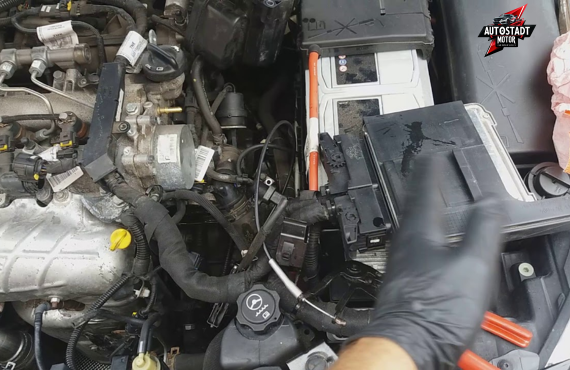
At AutoStadt Motor Services, Opel owners can have their cooling system inspected to identify the actual source of coolant loss rather than simply topping up the reservoir. Our approach focuses on accurate diagnosis, appropriate component replacement and proper cooling-system checks so your vehicle can return to dependable daily operation.
Signs Your Car Needs Opel Coolant Leak Repair
1. Low Coolant Level
One of the clearest indications of a possible coolant leak is repeatedly finding the coolant level below the recommended mark. If you refill the reservoir and the level drops again after normal driving, there may be an underlying leak.
A healthy cooling system should not continually lose coolant. Regularly adding coolant is therefore not a permanent solution. Instead, the system should be inspected to determine where the fluid is escaping.
2. Coolant Warning on the Dashboard
Modern Opel vehicles use sensors and electronic monitoring to identify certain cooling-system problems. A coolant-level or temperature warning can indicate that the engine is running outside its normal operating range.
If a warning appears, continuing to drive for a long distance can increase the risk of overheating. Professional Opel coolant leak repair can determine whether the warning is related to coolant loss, temperature problems or another cooling-system fault.
3. Visible Coolant Under the Vehicle
A puddle beneath the vehicle after parking can be an indication of a leaking cooling system. Depending on the type of coolant used, the fluid may have a distinctive color or smell.
However, not every fluid underneath a car is coolant. Engine oil, air-conditioning condensation and other fluids can also appear below the vehicle. For that reason, proper identification is important before replacing any component.
4. Sweet Coolant Smell
Coolant can produce a distinctive sweet smell, particularly when it reaches hot engine components. If you notice this smell after driving, it may indicate that coolant is escaping somewhere in the engine compartment.
In some cases, the leak may be small enough that there is no visible puddle. Nevertheless, the smell can provide an early warning that the cooling system needs attention.
5. Engine Temperature Rising
An engine that starts operating hotter than normal deserves immediate attention. A coolant leak can reduce the amount of fluid circulating through the radiator and engine, making it harder to control operating temperature.
If your Opel temperature gauge moves unusually high, it is better to stop driving and arrange an inspection rather than waiting for the engine to overheat completely.
6. Steam or Vapor from the Engine Bay
A significant coolant leak can allow fluid to contact hot engine components, producing steam or vapor. This can happen when a hose, radiator connection, thermostat housing or another component fails.
Steam from under the bonnet should never be treated as a normal operating condition. Allow the vehicle to cool before attempting any inspection and have the cooling system checked by a qualified technician.
7. White Residue Around Cooling Components
Small leaks can sometimes leave dried coolant deposits around hose connections, the radiator, reservoir or other components. These deposits may indicate that coolant has been escaping gradually.
Because leaks can occur in difficult-to-see areas, a professional inspection is often necessary to locate the exact source.
Common Causes of Opel Coolant Leaks
There are several reasons an Opel may develop a coolant leak. Understanding the possible causes also explains why simply adding coolant does not resolve the underlying problem.
Damaged radiator: The radiator is exposed to heat, pressure and road debris. Over time, cracks or damaged connections can allow coolant to escape.
Worn radiator hoses: Rubber hoses can become brittle, swollen or cracked with age. A weakened hose may leak more noticeably when the engine reaches operating temperature.
Faulty water pump: The water pump circulates coolant through the engine and cooling system. A damaged pump seal or bearing can result in coolant loss and may eventually affect circulation.
Thermostat housing problems: The thermostat controls coolant flow according to engine temperature. A damaged housing or deteriorated seal can become a source of leakage.
Coolant reservoir damage: Expansion tanks and reservoirs can develop cracks, particularly as plastic components age and repeatedly experience temperature changes.
Loose or damaged connections: Clamps, seals and fittings can deteriorate or become loose, allowing coolant to escape from joints.
Head gasket problems: In more serious cases, coolant loss may be associated with an internal engine problem such as a head gasket failure. This requires more extensive testing because the symptoms can overlap with other cooling-system faults.
Why Choose AutoStadt Motor Services for Opel Coolant Leak Repair
Choosing the right workshop matters because a coolant leak can originate from a relatively simple hose or from a more serious engine-related issue. Replacing parts without finding the actual source can lead to unnecessary expense and repeated coolant loss.
Accurate Cooling System Diagnosis
At AutoStadt Motor Services, the inspection begins with the cooling system rather than assuming which component has failed. Technicians can examine the radiator, hoses, reservoir, water pump area, thermostat housing and visible connections.
Where appropriate, pressure testing can help identify leaks that are difficult to detect during a basic visual inspection.
Opel-Focused Repair Approach
Different Opel models can use different cooling-system layouts and component configurations. Whether you drive an Opel Astra, Corsa, Insignia or another model, the repair should be based on the vehicle’s specific cooling-system requirements.
The same principle applies across other brands. A BMW, Toyota or Mercedes-Benz may also experience coolant loss, but the location and design of its cooling components can be very different. Proper diagnosis is therefore more useful than relying on a generic repair assumption.
Quality Replacement Components
A successful repair depends on using suitable replacement components and installing them correctly. A new hose, seal, thermostat, radiator or water pump must work reliably under normal operating temperatures and cooling-system pressure.
AutoStadt Motor Services focuses on correcting the actual fault rather than providing a temporary solution.
Cooling System Checks After Repair
After repairing a leak, the job should not end with installing the replacement part. The system should be checked for remaining leaks, coolant level and proper operation.
This helps reduce the possibility of returning to the road with another unresolved cooling-system problem.
Convenient Service for Dubai Drivers
For many Dubai vehicle owners, reliability is especially important because daily journeys can involve busy roads, long distances and extended periods of traffic. A properly functioning cooling system helps the engine maintain an appropriate operating temperature under changing driving conditions.
How Our Opel Coolant Leak Repair Process Works
Step 1: Initial Vehicle Inspection
The process starts by discussing the symptoms you have noticed. This may include coolant loss, overheating, warning lights, unusual smells or visible fluid underneath the car.
The vehicle is then inspected to identify obvious signs of leakage.
Step 2: Cooling System Examination
Technicians examine the main cooling components, including hoses, radiator connections, coolant reservoir, thermostat area and water pump region.
Special attention is given to areas showing residue, moisture or signs of previous leakage.
Step 3: Leak Detection Testing
If the leak is not immediately visible, appropriate diagnostic methods can be used to help locate it. A cooling-system pressure test can reveal leaks that only become noticeable when the system is pressurized.
This is particularly useful for slow leaks where coolant disappears gradually.
Step 4: Identify the Failed Component
Once the source is confirmed, the technician determines whether the problem involves a hose, radiator, seal, reservoir, thermostat housing, water pump or another component.
If testing indicates a more serious internal engine issue, additional diagnostic checks may be required before repair recommendations are made.
Step 5: Component Replacement or Repair
The damaged component is repaired or replaced according to its condition. At this stage, attention is also given to related seals, clamps and connections that could contribute to future coolant loss.
Step 6: Refill and Cooling System Check
After the repair, the cooling system is refilled with the appropriate coolant and checked for proper circulation and leaks.
Air trapped inside the system can affect coolant circulation, so the system should be properly handled according to the vehicle’s requirements.
Step 7: Final Inspection
The vehicle is checked again to confirm that the original leak has been addressed and that the engine temperature remains within its expected range.
This final step helps ensure the repair is not merely a temporary fix.
Frequently Asked Questions About Opel Coolant Leak Repair in Dubai
1. How much does Opel coolant leak repair cost in Dubai?
The cost depends on the source of the leak and the component that needs repair or replacement. A leaking hose or clamp is generally a different repair from a damaged radiator, water pump or thermostat housing.
Therefore, an accurate price should be provided after inspection. At AutoStadt Motor Services, diagnosing the actual problem first helps avoid unnecessary part replacement and gives the vehicle owner a clearer understanding of the required work.
2. Can I keep driving my Opel if it has a coolant leak?
It depends on the severity of the leak and the engine temperature. A very small leak may initially appear manageable, but coolant loss can increase unexpectedly, especially when the engine is hot and the cooling system is pressurized.
If the temperature gauge rises, a coolant warning appears, or steam comes from the engine bay, continuing to drive can cause serious engine damage. It is safer to stop the vehicle and arrange professional assistance.
3. Why does my Opel keep losing coolant but leave no puddle?
Not every coolant leak produces an obvious puddle. A small leak may evaporate when coolant reaches a hot engine component. Coolant can also escape from areas that are difficult to see.
In addition, internal coolant loss can sometimes be associated with an engine-related problem. A cooling-system pressure test and further diagnostic checks can help distinguish between an external leak and a more serious internal issue.
4. How often should I check my Opel coolant level in Dubai?
It is sensible to periodically check the coolant reservoir, particularly before longer journeys or if you have previously experienced cooling-system problems. However, the coolant level should be checked according to the vehicle manufacturer’s recommendations and only when the engine has cooled sufficiently.
If the level repeatedly drops, do not treat frequent topping-up as normal maintenance. Repeated coolant loss indicates that the system should be inspected.
5. Can a coolant leak cause major engine damage?
Yes. A coolant leak can become serious if enough coolant is lost and the engine overheats. Excessive engine temperature can affect components such as the cylinder head, head gasket and other internal engine parts.
The good news is that identifying a leak early can help prevent a relatively manageable cooling-system problem from becoming an expensive engine repair. If your Opel is losing coolant, getting it inspected promptly is a sensible step.
Conclusion
Opel coolant leak repair should be handled promptly whenever you notice low coolant levels, visible fluid, unusual coolant smells, rising engine temperature or dashboard warnings. A cooling system that repeatedly loses coolant has an underlying problem that needs to be identified rather than continually covered up with fluid top-ups.
From radiator and hose leaks to thermostat housings, water pumps and more complex engine-related faults, accurate diagnosis is the key to an effective repair. For Dubai Opel owners, AutoStadt Motor Services provides a practical approach focused on leak detection, component inspection, quality repairs and post-repair cooling-system checks.
If your Opel is losing coolant, addressing the issue early can help protect the engine, reduce the risk of overheating and keep your vehicle dependable for everyday Dubai driving.


Leave a Comment