
Subaru AC Compressor Change is an important repair when your vehicle’s air conditioning system can no longer produce reliable cooling. In Dubai’s extreme summer temperatures, a properly functioning AC system is not simply a comfort feature. It is essential for maintaining a comfortable and safe driving environment, especially when vehicles are exposed to high temperatures for long periods.
The AC compressor is one of the most important components in the vehicle’s air conditioning system. It circulates refrigerant through the AC circuit, allowing the system to remove heat from the cabin and produce cold air. When the compressor becomes worn, damaged, or seized, the entire cooling system can be affected.
Subaru vehicles are known for their engineering, reliability, and capable performance. However, like any vehicle, a Subaru can develop air conditioning problems as it ages or accumulates mileage. A faulty compressor may result from internal wear, refrigerant issues, electrical faults, contaminated refrigerant oil, or problems elsewhere in the AC system.
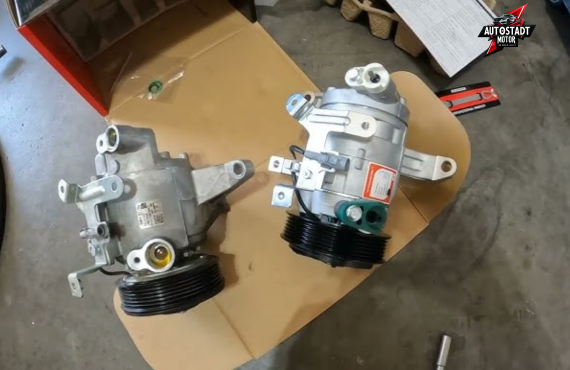
At AutoStadt Motor Services, we provide professional Subaru AC diagnosis and compressor replacement services for Dubai car owners. Our approach focuses on identifying the actual cause of the problem before recommending a replacement. This helps prevent unnecessary repairs and gives customers a clearer understanding of their vehicle’s AC condition.
Signs Your Car Needs Subaru AC Compressor Change
Recognizing compressor problems early can help prevent additional damage to the air conditioning system. If your Subaru is showing unusual AC symptoms, professional inspection is recommended rather than continuing to operate the system without diagnosis.
Weak or Warm Air from the Vents
One of the most obvious signs of an AC compressor problem is air that remains warm or only slightly cool when the AC is operating. In Dubai, this problem becomes especially noticeable because the outside temperature can be extremely high.
Low refrigerant can also cause weak cooling, so warm air does not automatically mean that the compressor needs replacement. A qualified technician should test refrigerant pressure and compressor operation before confirming the fault.
Unusual Noise When AC Is Switched On
A damaged compressor may produce grinding, rattling, squealing, clicking, or humming noises when the AC system is activated. These sounds can indicate internal compressor wear, bearing problems, clutch damage, or other mechanical faults.
If the noise becomes louder when the AC is switched on, it is wise to have the system inspected quickly. Continuing to operate a severely damaged compressor could potentially introduce metal particles into the AC circuit.
AC Compressor Clutch Problems
Many Subaru models use a compressor design with an electromagnetic clutch. If the clutch fails to engage correctly, the compressor may not circulate refrigerant even when the AC controls appear to be working normally.
An experienced technician can inspect the clutch, electrical supply, relays, wiring, and control signals to determine whether the compressor itself is faulty or whether another component is responsible.
Intermittent Cooling
If your Subaru produces cold air sometimes but becomes warm during other periods, there could be several possible causes. Compressor wear, electrical faults, refrigerant pressure problems, temperature sensors, or control-system issues can all contribute to inconsistent AC performance.
Intermittent cooling should not be ignored. Diagnosing the problem before it becomes a complete AC failure can sometimes prevent more extensive repairs.
AC System Leaks
Refrigerant leaks can significantly affect compressor performance. When refrigerant levels become too low, the system may struggle to cool the cabin and the compressor may operate under abnormal conditions.
A professional Subaru AC inspection should therefore include leak detection rather than simply adding refrigerant. If refrigerant continues to disappear after an AC recharge, the underlying leak needs to be located and repaired.
Burning Smell or Electrical Odor
A burning smell around the engine compartment when the AC is operating can indicate an electrical issue, slipping compressor clutch, damaged belt, or another mechanical problem.
Because several components can produce similar symptoms, immediate inspection is preferable to guessing the cause.
Why Choose AutoStadt Motor Services for Subaru AC Compressor Change
Choosing the correct workshop is particularly important for AC compressor replacement because replacing the compressor without identifying the original cause can result in repeated problems.
Professional Subaru AC Diagnosis
At AutoStadt Motor Services, we begin with systematic AC troubleshooting. Rather than immediately recommending a compressor replacement, technicians assess the system’s pressure, cooling performance, electrical operation, compressor engagement, and related components.
This diagnostic approach helps determine whether the problem is actually the compressor or another part of the AC system.
Complete AC System Inspection
The compressor does not operate independently. It works together with the condenser, evaporator, expansion device, refrigerant, hoses, pressure sensors, electrical controls, and other components.
Therefore, a proper Subaru AC compressor change should include inspection of the surrounding system. If the old compressor has suffered internal failure, the AC circuit may also require additional cleaning or related service before the replacement component is installed.
Dubai-Specific Cooling Expertise
Dubai’s climate places considerable demands on vehicle air conditioning systems. Cars can remain exposed to extreme heat while parked, and the AC system may then be required to cool the cabin rapidly.
AutoStadt Motor Services understands the importance of dependable cooling for Dubai drivers. Our technicians focus on restoring effective AC performance rather than simply making the system produce cold air temporarily.
Quality Replacement Components
The compressor is a critical component, so component quality matters. AutoStadt Motor Services can help customers determine the appropriate replacement option based on the Subaru model, engine configuration, vehicle specifications, and repair requirements.
Using a suitable compressor helps maintain proper system operation and reduces the risk of compatibility problems.
Transparent Repair Recommendations
A good automotive repair experience should be based on clear communication. After inspection, customers should understand what has failed, why replacement is recommended, and whether other AC components require attention.
AutoStadt Motor Services aims to provide straightforward recommendations so Dubai Subaru owners can make informed repair decisions.
How Our Subaru AC Compressor Change Process Works
Step 1: Initial AC Inspection
The process begins with an assessment of the Subaru’s cooling performance. The technician checks the temperature from the vents and listens for unusual sounds while operating the AC system.
The vehicle’s AC controls and general system behavior are also evaluated.
Step 2: Computer and Electrical Diagnosis
Modern Subaru vehicles contain electronic systems that can influence AC operation. Depending on the model and symptoms, diagnostic equipment may be used to identify stored faults and check relevant electrical signals.
The compressor clutch, wiring, fuses, relays, sensors, and control circuits can then be examined as required.
Step 3: Refrigerant and Pressure Testing
AC system pressure provides valuable information about refrigerant condition and system operation. Technicians assess the pressure readings against the vehicle’s specifications.
If the refrigerant level is low, the system should be checked for leaks instead of simply being refilled repeatedly.
Step 4: Compressor Condition Assessment
After the initial checks, the compressor is evaluated for mechanical and operational problems. Technicians may inspect compressor noise, clutch engagement, pulley operation, and other relevant symptoms.
This step helps determine whether a compressor replacement is genuinely required.
Step 5: Safe Removal of the Faulty Compressor
If replacement is confirmed, the faulty compressor is removed according to the appropriate repair procedure. Refrigerant handling requires suitable recovery equipment because the AC system must be serviced safely and correctly.
Any contaminated oil or debris concerns should also be considered, particularly if the old compressor experienced severe internal failure.
Step 6: Installation of the Replacement Compressor
The replacement compressor is installed with attention to the vehicle’s specifications. Related seals, fittings, oil requirements, and connection points are checked as appropriate.
Correct installation is important because an AC compressor operates under pressure and depends on accurate system assembly.
Step 7: Vacuum and Refrigerant Service
After installation, the AC system may require evacuation to remove air and moisture before the correct refrigerant charge is introduced.
Proper refrigerant quantity is essential. Too little or too much refrigerant can affect cooling performance and system operation.
Step 8: Final Cooling and Performance Test
Finally, the AC system is tested under operating conditions. Technicians check vent temperature, compressor operation, pressure readings, unusual noises, and overall cooling performance.
The goal is to ensure that the Subaru AC system is functioning properly before the vehicle leaves the workshop.
Frequently Asked Questions About Subaru AC Compressor Change in Dubai
1. How do I know if my Subaru AC compressor needs replacement?
A Subaru may require compressor replacement if the AC produces warm air, the compressor makes unusual noises, the clutch fails to engage, or cooling becomes inconsistent. However, these symptoms can also result from low refrigerant, electrical faults, blocked components, or pressure problems.
For this reason, replacing the compressor based only on warm air is not recommended. AutoStadt Motor Services can inspect the complete AC system and determine whether the compressor is actually responsible for the problem.
2. How long does a Subaru AC compressor change take?
The time required depends on the Subaru model, compressor accessibility, condition of the AC system, and whether additional repairs are necessary.
A straightforward compressor replacement can often be completed within a service visit, while systems affected by leaks, contamination, damaged components, or electrical problems may require additional diagnostic and repair work.
AutoStadt Motor Services can provide a more accurate timeframe after inspecting the vehicle.
3. Can I just recharge the AC instead of changing the compressor?
An AC recharge can restore cooling when the refrigerant level is low, but it cannot repair a mechanically damaged compressor.
If the compressor is noisy, seized, internally damaged, or unable to circulate refrigerant correctly, adding refrigerant will not solve the underlying issue. In fact, repeatedly recharging a system without locating a leak or diagnosing the compressor can waste money.
A proper inspection should therefore come before deciding between AC recharge and compressor replacement.
4. What can damage a Subaru AC compressor in Dubai?
Several factors can contribute to compressor failure. These include normal mechanical wear, insufficient lubrication, refrigerant leaks, contaminated refrigerant, electrical faults, excessive system pressure, damaged belts, and prolonged operation under abnormal conditions.
Dubai’s high temperatures can also increase the workload placed on a vehicle’s cooling system. Similar principles apply across other vehicles, whether you drive a Toyota Camry, Nissan Patrol, BMW 3 Series, Mercedes-Benz C-Class, or a Subaru.
Regular AC inspections and timely repairs can help identify developing problems before they cause major system failure.
5. How can I maintain my Subaru AC system after compressor replacement?
After a Subaru AC compressor change, regular maintenance can help preserve cooling performance. Pay attention to unusual noises, weak airflow, inconsistent temperatures, or unusual smells.
It is also important to avoid unnecessary refrigerant top-ups without checking for leaks. The cabin air filter should be inspected and replaced when required because restricted airflow can reduce AC performance.
During Dubai’s hotter months, having the AC system checked before a major summer journey can also be beneficial. If the system begins behaving differently, early diagnosis is generally better than waiting until the compressor or another major component fails completely.
Conclusion
A reliable air conditioning system is essential for comfortable driving in Dubai, and Subaru AC Compressor Change may become necessary when the compressor can no longer operate efficiently. Warm air, unusual compressor noises, intermittent cooling, clutch problems, and refrigerant-related issues can all indicate that professional inspection is needed.
However, compressor replacement should not be based on symptoms alone. A proper diagnosis can identify whether the actual problem involves the compressor, refrigerant circuit, electrical system, condenser, sensors, or another AC component.
AutoStadt Motor Services provides professional Subaru AC inspection, diagnosis, compressor replacement, refrigerant service, and related automotive AC solutions for Dubai car owners. By combining systematic diagnosis with appropriate replacement procedures and final performance testing, the aim is to restore dependable cabin cooling and reliable AC operation.
If your Subaru is struggling to keep the cabin cool, making unusual AC noises, or showing inconsistent cooling performance, arranging an inspection sooner rather than later can help prevent a minor AC issue from developing into a more expensive repair.


Leave a Comment