
Mercury oil leak repair is essential when your vehicle begins losing engine oil, leaving dark spots beneath the engine bay, or developing an unusual burning-oil smell. Although a small leak may initially appear harmless, it can gradually reduce the engine oil level, affect lubrication, and lead to expensive mechanical damage if left untreated.
Mercury vehicles, including models such as the Grand Marquis, Mountaineer, Milan, and Mariner, can develop oil leaks as seals age, gaskets deteriorate, or engine components experience wear. The exact cause depends on the model, engine configuration, maintenance history, and current condition of the vehicle. Therefore, identifying the source of the leak is more important than simply adding oil whenever the level drops.
For drivers in Dubai, maintaining the correct engine oil level is particularly important because daily traffic, frequent stops, extended idling, and high ambient temperatures can place considerable demands on a vehicle. When an engine oil leak develops, ignoring the warning signs may allow the problem to become more serious.
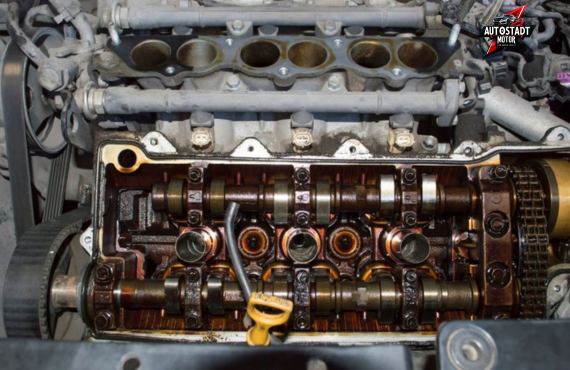
At AutoStadt Motor Services, the focus of Mercury oil leak repair is to identify the source of oil loss, assess the condition of affected components, and recommend a suitable repair. Whether the issue involves a leaking valve cover gasket, oil pan gasket, crankshaft seal, or another engine component, a proper inspection helps prevent unnecessary part replacement and supports reliable engine performance.
Signs Your Car Needs Mercury Oil Leak Repair
Engine oil leaks do not always produce an obvious puddle. In some cases, oil slowly collects around a gasket or spreads across nearby components before reaching the ground. Recognizing the following symptoms can help you arrange an inspection before the problem worsens.
1. Dark Oil Spots Under Your Mercury
One of the most recognizable signs is a dark, oily mark beneath the vehicle after parking.
Fresh engine oil can range from amber to dark brown or black, depending on its age and condition. However, the appearance of a stain alone cannot confirm which fluid is leaking. Transmission fluid, power steering fluid, and other automotive fluids may also leave marks.
If you repeatedly notice oily patches beneath your Mercury, the engine and surrounding components should be inspected to establish the source. Cleaning the area and checking for fresh leakage can help distinguish an active leak from old residue.
2. Burning Oil Smell After Driving
A burning-oil smell can occur when engine oil escapes onto a hot exhaust component or another heated surface.
You may notice the smell after driving through Dubai traffic or when stopping after a journey. Depending on the location of the leak, there may also be light smoke from the engine compartment.
This symptom should not be ignored. If visible smoke, a strong burning smell, or signs of fire appear, stop safely, switch off the engine, and seek professional assistance. Do not continue driving simply because the oil warning light has not appeared.
3. Engine Oil Level Keeps Dropping
If your Mercury repeatedly requires additional engine oil between scheduled services, an oil leak may be responsible.
Although engines can consume some oil under certain operating conditions, an unexplained or increasing loss should be investigated. A technician can inspect external seals and gaskets and determine whether the oil loss is caused by leakage or another engine-related issue.
Regularly checking the dipstick or electronic oil-level display, according to the vehicle’s instructions, can help you notice changes early.
4. Oil Around the Valve Cover
The valve cover sits over the upper part of the engine and is sealed with a gasket. As the gasket ages, hardens, or loses its sealing ability, oil may escape around the cover.
You might notice oily residue near the top of the engine or a burning smell if the oil reaches hot components. In some cases, leakage may remain limited to the gasket area.
Replacing the gasket may resolve the problem when it is confirmed as the source. However, the cover itself and related components should also be checked for damage or other contributing issues.
5. Oil Leaking From the Lower Engine
Oil around the oil pan, drain plug, or lower engine area may indicate a damaged gasket, a loose or incorrectly fitted drain plug, or another leak from higher up.
Because engine oil can travel down the engine block, the lowest wet area is not necessarily where the leak begins. Accurate diagnosis is therefore essential before deciding which component needs repair.
6. Engine Oil Warning Light Appears
An engine oil pressure warning is a serious sign that requires immediate attention. It is not simply a reminder to schedule an oil change.
If the oil pressure warning illuminates while the engine is running, safely stop the vehicle and switch off the engine as soon as possible. Continuing to drive with insufficient oil pressure can cause severe engine damage.
A low oil level and low oil pressure are related but different conditions. Even if the engine still sounds normal, the warning should be investigated before driving again.
Why Choose AutoStadt Motor Services for Mercury Oil Leak Repair
Finding a workshop that can identify the cause of an oil leak is important because different leaks require different solutions. Replacing the wrong gasket or treating only the visible oil residue can leave the original problem unresolved.
Accurate Engine Leak Diagnosis
At AutoStadt Motor Services, the repair process should begin with a systematic inspection of the affected engine area.
The technician can examine the valve cover, oil pan, drain plug, oil filter housing where fitted, crankshaft seals, and other relevant sealing points. The inspection is guided by the vehicle’s engine design and the location of the observed leakage.
Where necessary, the affected area can be cleaned and monitored to identify the point where fresh oil appears. This helps reduce guesswork and supports a more appropriate repair recommendation.
Repairs Suited to Your Mercury Model
Not every Mercury vehicle has the same engine layout or component arrangement. A repair method suitable for a Grand Marquis may not apply directly to a Mariner or Mountaineer.
For this reason, the model year, engine type, and maintenance history should be considered before parts are selected. Vehicle-specific procedures also help ensure that replacement seals, gaskets, and fasteners are appropriate for the application.
Avoiding Unnecessary Part Replacement
A visible oil leak does not automatically mean the entire component needs replacing.
For example, oil around the lower engine may originate from a gasket above it. Similarly, residue near the oil filter may be associated with the filter seal or oil spilled during a previous service.
A careful inspection helps establish whether the appropriate solution is a gasket replacement, seal repair, correction of a fitting, or a more involved component repair.
Protecting Engine Performance
Engine oil reduces friction, helps manage heat, and protects moving components from excessive wear. When the oil level becomes too low, the engine may not receive the lubrication it needs.
Prompt Mercury oil leak repair can help maintain the correct oil level and reduce the risk of damage associated with continued oil loss.
The same principle applies to other vehicles, including Toyota Camry, Nissan Altima, BMW 5 Series, and Mercedes-Benz E-Class models. However, the correct diagnosis and repair procedure must always be based on the individual vehicle.
Practical Service for Dubai Drivers
For motorists who rely on their cars for commuting, family journeys, and everyday travel, an unexpected oil leak can disrupt normal routines.
Arranging an inspection when the first symptoms appear can help you understand the seriousness of the issue and plan the repair accordingly. AutoStadt Motor Services can assess the reported symptoms and help determine the next steps for restoring your Mercury’s condition.
How Our Mercury Oil Leak Repair Process Works
A reliable repair process involves more than removing an oily component and fitting a new gasket. The leak needs to be traced, the affected parts assessed, and the engine checked after the work is completed.
Step 1: Review the Symptoms and Vehicle History
The process begins by understanding when the leak occurs and how quickly the oil level is changing.
Information about recent oil changes, previous repairs, warning lights, burning smells, and parking stains can help narrow down the potential causes. The vehicle’s model and engine specification are also considered.
Step 2: Inspect the Engine for Fresh Oil
The engine and surrounding areas are examined for oil residue, wet seals, damaged gaskets, and signs of leakage.
The inspection may include the valve cover, oil pan, oil filter area, drain plug, front and rear sealing areas, and other accessible components. The exact inspection points depend on the engine design and symptoms.
Step 3: Trace the Source of the Leak
Oil can spread from one part of the engine to another, making the source difficult to identify from a quick visual check.
Where necessary, the affected area can be cleaned before the engine is inspected again under appropriate conditions. Additional diagnostic methods may be used when the source remains unclear.
This step is particularly important when several components appear oily or when the leak occurs only after the engine reaches operating temperature.
Step 4: Assess the Required Repair
Once the source has been identified, the technician evaluates the affected component and surrounding parts.
A worn valve cover gasket may require replacement, while a leaking oil pan gasket, crankshaft seal, or filter housing may require a different procedure. Damaged threads, warped sealing surfaces, or other mechanical issues may also need attention.
The repair recommendation should reflect the confirmed cause rather than the appearance of the oil alone.
Step 5: Repair the Fault and Restore the Oil Level
The required repair is then carried out using suitable parts and the correct installation procedure.
Sealing surfaces should be prepared appropriately, and fasteners must be tightened according to the applicable specifications. Excessive tightening can damage certain components or create further sealing problems.
After the repair, the engine oil level is checked and corrected using the appropriate oil specification for the vehicle.
Step 6: Inspect the Repair and Check for Leakage
After the work is completed, the repaired area should be inspected for signs of fresh oil.
Depending on the repair, the engine may need to run under controlled conditions so the technician can check the sealing area again. The oil level and any relevant warning indicators should also be reviewed.
This final check helps confirm whether the original leak has been addressed and whether further investigation is necessary.
Mercury Oil Leak Prevention Tips for Dubai Conditions
Although not every oil leak can be prevented, sensible maintenance can help identify developing problems before they lead to significant oil loss.
First, follow the manufacturer’s recommended engine oil and service intervals. Using the correct oil specification helps maintain appropriate lubrication and supports the engine’s intended operation.
Second, check the oil level at the intervals recommended in the owner’s manual. If the level repeatedly drops, investigate the reason instead of relying on frequent top-ups.
Third, pay attention to changes around the engine. Fresh oil residue, an unfamiliar smell, or a new stain under the parking area may provide an early indication of a developing problem.
It is also worth checking for leaks after an oil change. An incorrectly fitted filter, damaged sealing ring, or improperly tightened drain plug can cause oil loss. If a leak appears soon after servicing, arrange a prompt inspection.
Finally, avoid delaying repairs because the leak seems small. A minor gasket leak may be relatively straightforward to address, but continued oil loss can put the engine at risk. If the oil pressure warning appears, stop the engine and arrange assistance rather than continuing the journey.
Frequently Asked Questions About Mercury Oil Leak Repair in Dubai
1. What causes oil leaks in Mercury vehicles?
Common causes include worn valve cover gaskets, deteriorated oil pan gaskets, leaking crankshaft seals, oil filter sealing problems, and issues around the drain plug. Age, heat cycles, engine vibration, previous repairs, and general wear can contribute to sealing problems. However, the cause varies by model and engine, so an inspection is necessary to identify the component responsible for the leak.
2. Can I drive my Mercury if it has an engine oil leak?
That depends on the severity and location of the leak. A small seepage may not immediately cause a major oil-level change, but it should still be inspected. If oil is leaking rapidly, smoke appears, the engine makes unusual noises, or the oil pressure warning illuminates, stop safely and switch off the engine. Do not continue driving with a potentially unsafe oil level or low oil pressure.
3. How much does Mercury oil leak repair cost in Dubai?
The cost depends on the source of the leak, the Mercury model, engine configuration, parts required, and labour involved. Replacing an accessible gasket may be less involved than repairing a difficult-to-access crankshaft seal or another major sealing component. The most reliable way to establish the cost is to identify the leak first and obtain a repair estimate based on the actual fault.
4. Will an engine oil top-up fix the leak?
No. Adding the correct engine oil can restore the level temporarily, but it does not repair a leaking gasket, seal, or connection. If the leak continues, the oil level may drop again and the engine could eventually suffer damage. Top up only according to the manufacturer’s instructions when appropriate, and arrange an inspection to determine why the oil is being lost.
5. How long does Mercury oil leak repair take?
Repair time varies according to the leaking component and how easily it can be accessed. Some gasket repairs may be completed within a relatively short workshop visit, while repairs involving internal or difficult-to-reach seals can take considerably longer. Parts availability and the need for additional diagnosis may also affect the schedule. A workshop can provide a more reliable time estimate after inspecting the vehicle.
Conclusion
Mercury oil leak repair is an important part of maintaining engine reliability, particularly when oil loss becomes noticeable or warning signs begin to appear. Dark stains under the vehicle, a burning-oil smell, repeated drops in oil level, and fresh residue around engine components can all indicate a problem that deserves attention.
The most effective solution is to locate the actual source before replacing parts. Whether the cause is a worn gasket, damaged seal, oil filter issue, or another engine component, the correct repair depends on the vehicle’s condition and specifications.
For Dubai drivers, early diagnosis can help prevent avoidable engine damage and make repairs easier to plan. AutoStadt Motor Services can help assess engine oil leaks, identify the likely source, and recommend suitable repair work for your Mercury.
If your vehicle is losing oil or showing signs of an engine leak, arrange an inspection before the problem becomes more serious. Maintaining the correct oil level and addressing leaks promptly are practical steps toward protecting your engine and keeping your vehicle dependable.


Leave a Comment