
Mercury coolant leak repair is essential when your vehicle starts losing coolant, develops an unusual smell from the engine bay, or shows signs of overheating. Although a small coolant leak may initially appear harmless, ignoring it can lead to engine temperature problems, damage to cooling system components, and potentially expensive engine repairs.
Mercury vehicles rely on a properly functioning engine cooling system to maintain a suitable operating temperature. Coolant circulates through the engine and radiator, helping transfer excess heat away from critical components. When a hose, radiator, water pump, thermostat housing, or another part develops a leak, the system may gradually lose its ability to regulate engine temperature.
For drivers in Dubai, maintaining the cooling system is especially important. High outdoor temperatures, heavy traffic, frequent stops, and extended periods of idling can place additional demands on the engine cooling system. Consequently, even a minor coolant leak deserves attention before it develops into a more serious problem.
At AutoStadt Motor Services, Mercury coolant leak repair begins with identifying the source of the coolant loss and assessing the condition of the affected components. Rather than simply topping up the coolant, a proper inspection helps determine whether the problem involves a damaged hose, leaking radiator, faulty water pump, worn seal, or another cooling system fault.
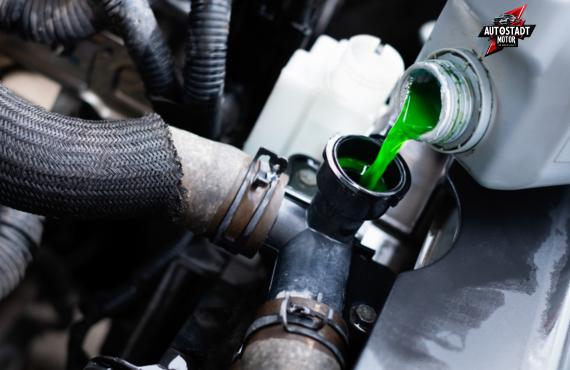
Whether you drive a Mercury Grand Marquis, Mountaineer, Milan, or another model, the correct repair depends on the vehicle’s engine configuration, age, and cooling system design. With an appropriate diagnostic approach, the underlying problem can be addressed before further damage occurs.
Signs Your Car Needs Mercury Coolant Leak Repair
Coolant leaks do not always produce an obvious puddle beneath the vehicle. In some cases, the warning signs develop gradually, making regular observation important. Recognizing these symptoms early can help you arrange an inspection before the engine becomes seriously overheated.
1. Coolant Puddles Under Your Mercury
One of the most noticeable warning signs is coloured or watery fluid beneath the front of your vehicle. Engine coolant can have different colours depending on its formulation, so colour alone cannot reliably identify the fluid.
If you notice a recurring puddle after parking, the source should be investigated. Possible causes include a leaking radiator, deteriorated coolant hose, loose connection, water pump seal, or damaged coolant reservoir.
However, not every liquid beneath a vehicle is coolant. Air-conditioning condensation, for example, is generally clear and does not have the same characteristics as engine coolant. A technician can identify the fluid and trace the leak to its source.
2. Engine Temperature Rises Above Normal
An engine temperature gauge that begins rising beyond its usual position should never be ignored.
When coolant escapes from the system, the remaining fluid may not be sufficient to carry heat away from the engine effectively. This can result in elevated temperatures, particularly during slow driving or while the vehicle is stationary in traffic.
If your Mercury shows an overheating warning, stop somewhere safe and switch off the engine. Do not continue driving in the hope that the temperature will return to normal. If overheating persists, arrange professional assistance rather than risking additional engine damage.
3. Coolant Level Keeps Dropping
Another common symptom is a coolant reservoir that repeatedly needs topping up.
Although coolant levels can be checked as part of routine maintenance, frequent coolant loss is not normal. It may indicate an external leak or, in some cases, an internal engine problem.
Simply adding more coolant will not resolve the underlying cause. AutoStadt Motor Services can inspect the cooling system to determine why the level is falling and recommend the appropriate repair.
4. Sweet Smell Around the Engine Bay
Engine coolant may produce a sweet or unusual chemical smell when it escapes from a hot component. The smell might be noticeable after parking or when standing near the front of the vehicle.
This symptom can indicate coolant reaching a hot engine surface, although other causes are possible. Visible residue, damp connections, or dried deposits around cooling components can provide additional clues.
Because hot coolant can cause burns, never open the radiator cap or pressurised coolant reservoir while the engine is hot.
5. Steam Coming From Under the Bonnet
Steam or vapour coming from the engine compartment can indicate a serious cooling system problem. A leaking hose, radiator, or connection may allow coolant to escape and contact hot surfaces.
If steam appears, stop the vehicle safely, switch off the engine, and allow it to cool. Do not remove pressurised cooling system caps or attempt a roadside repair while components remain hot.
A professional inspection can establish whether the problem is a coolant leak, overheating caused by another fault, or a combination of issues.
6. Poor Cabin Heating or Unusual Temperature Changes
The engine cooling system and cabin heater are connected in many vehicles. Depending on the design and fault, low coolant levels can sometimes affect heater performance or cause inconsistent cabin temperatures.
If the heater suddenly stops producing its usual warmth while the engine temperature fluctuates, the cooling system should be checked. However, heater problems can also result from a faulty thermostat, blocked heater core, or other component issues.
7. Visible Coolant Residue Around Hoses or the Radiator
A leak may leave dried deposits around hose connections, the radiator seams, the coolant reservoir, or the water pump area. These signs can remain visible even when the vehicle is not actively dripping coolant.
During an inspection, technicians can examine these areas and determine whether the residue indicates an active leak or an older spill.
Why Choose AutoStadt Motor Services for Mercury Coolant Leak Repair
Selecting the right workshop involves more than finding someone who can replace a damaged hose. The cooling system must be assessed carefully so the repair addresses the actual cause of coolant loss.
Accurate Cooling System Diagnosis
At AutoStadt Motor Services, the priority is to identify where the coolant is escaping and why the problem developed.
Depending on the symptoms, an inspection may include the radiator, hoses, reservoir, water pump, thermostat housing, connections, and other relevant components. A cooling system pressure test may also be appropriate when the system and vehicle specifications permit it.
This diagnostic approach helps distinguish a straightforward external leak from a more complex cooling system fault.
Repair Recommendations Based on the Actual Fault
Different coolant leaks require different solutions. A damaged hose may be replaced without disturbing major engine components, while a leaking water pump or radiator may require more extensive work.
The correct repair depends on the condition and location of the affected part. Identifying the fault first helps avoid unnecessary replacement and provides a clearer understanding of the work required.
Attention to Dubai Driving Conditions
Dubai’s high temperatures can make an existing cooling system problem more noticeable. Heavy traffic and extended idling can also increase the importance of effective cooling system operation.
For this reason, drivers should not postpone an inspection when coolant loss or abnormal engine temperatures appear. Early attention may help prevent a manageable repair from developing into a major engine problem.
Appropriate Coolant and Repair Procedures
Coolant is not a one-size-fits-all product. The correct formulation must match the vehicle manufacturer’s requirements, and different coolant types should not be mixed indiscriminately.
AutoStadt Motor Services can assess the vehicle’s requirements and recommend suitable repair procedures based on its cooling system design.
Support for Different Vehicle Makes
Cooling system diagnosis is relevant across many manufacturers, although component layouts and specifications vary. A Toyota Land Cruiser, Nissan Patrol, BMW sedan, Mercedes-Benz SUV, and Mercury vehicle may all experience coolant loss, but the appropriate repair procedure will depend on each vehicle.
This is why vehicle-specific inspection is important rather than applying the same assumptions to every car.
How Our Mercury Coolant Leak Repair Process Works
A reliable repair process should establish the source of the leak, assess the condition of related components, and verify that the cooling system operates correctly after the work is completed.
Step 1: Discuss the Symptoms
The process begins by understanding what the driver has noticed.
Information about coolant loss, overheating, steam, unusual smells, warning lights, or recent maintenance can help narrow down the possible causes. The technician also considers whether the symptoms occur during traffic, after longer journeys, or while the vehicle is parked.
Step 2: Inspect the Cooling System
The relevant cooling system components are inspected for visible leaks, deterioration, corrosion, damaged connections, and coolant residue.
Depending on the vehicle and symptoms, attention may be given to the radiator, hoses, reservoir, water pump, thermostat housing, and surrounding engine areas.
Step 3: Locate the Source of Coolant Loss
Once the initial inspection identifies a possible problem area, further checks can help confirm the source.
A cooling system pressure test may reveal leaks that are difficult to see during a basic visual inspection. Other diagnostic checks may be necessary if the symptoms suggest an intermittent or internal leak.
The testing procedure should follow the vehicle’s specifications and safety requirements.
Step 4: Assess the Damaged Component
After locating the leak, the affected component is evaluated to determine the appropriate solution.
A split hose, damaged radiator, leaking water pump seal, or cracked reservoir may require different repair or replacement procedures. If there are signs of internal coolant loss, additional engine diagnostics may be necessary.
This stage helps ensure that the recommended work addresses the actual problem rather than only its visible symptoms.
Step 5: Carry Out the Required Repair
Once the fault is confirmed, the necessary repair can proceed. Depending on the diagnosis, this may involve replacing a hose, radiator, coolant reservoir, water pump, seal, or another affected component.
The cooling system is then refilled using the correct coolant specification and serviced according to the manufacturer’s procedures. Where required, the system must be properly bled to remove trapped air.
Step 6: Check the System After Repair
A completed repair should be followed by appropriate verification.
The technician checks for continuing leakage and confirms that the coolant level and engine temperature behaviour are appropriate. Other relevant cooling system functions may also be evaluated according to the original fault.
This final check helps confirm that the repair has addressed the problem and that the vehicle is ready for further assessment or return to service.
Preventing Future Coolant Leaks in Your Mercury
Preventive maintenance can help identify cooling system deterioration before a leak becomes severe.
First, check the coolant reservoir when the engine is completely cool and follow the vehicle manufacturer’s instructions. If the level repeatedly drops, arrange an inspection rather than continuing to refill it.
Second, pay attention to changes in the engine temperature gauge. Even if the coolant level appears acceptable, overheating can result from other faults, including thermostat problems, restricted radiator flow, or cooling fan issues.
Third, follow the recommended maintenance schedule and have ageing hoses, connections, and other cooling system components inspected when appropriate. Rubber hoses and seals can deteriorate over time, particularly in vehicles that have covered substantial mileage or spent years operating in hot conditions.
Finally, use the correct coolant specification. Mixing incompatible formulations or relying on plain water as a permanent substitute can create additional maintenance concerns. If an emergency requires a temporary measure, follow the vehicle manufacturer’s guidance and arrange proper service as soon as possible.
For older Mercury vehicles, preventive inspections are particularly worthwhile because age-related deterioration can affect multiple cooling system components. Identifying these issues early can help you plan repairs rather than dealing with an unexpected breakdown.
Frequently Asked Questions About Mercury Coolant Leak Repair in Dubai
1. What causes a coolant leak in a Mercury vehicle?
A Mercury coolant leak can develop because of a deteriorated radiator hose, damaged radiator, leaking water pump seal, cracked coolant reservoir, loose connection, or faulty thermostat housing. In some cases, coolant loss may be associated with an internal engine problem. The exact cause depends on the vehicle’s age, engine configuration, maintenance history, and the location of the leak. A proper inspection is necessary before deciding which component needs repair.
2. Can I drive my Mercury if it is leaking coolant?
Driving with a coolant leak can be risky because the engine may overheat if the coolant level falls too low. Even a small leak can worsen during a journey, particularly in heavy traffic or high temperatures. If the temperature gauge rises abnormally, a warning appears, or steam comes from the engine bay, stop safely and switch off the engine. Do not open the cooling system while it is hot. Arrange professional assistance if the vehicle may be unsafe to drive.
3. How much does Mercury coolant leak repair cost in Dubai?
The cost depends on the source of the leak, the parts required, labour, and the vehicle’s particular engine configuration. Replacing a damaged hose may be relatively straightforward, whereas radiator, water pump, or internal engine repairs can involve considerably more work. The best starting point is a diagnostic inspection. AutoStadt Motor Services can assess the problem and recommend the necessary work based on the actual condition of the cooling system.
4. Why does my Mercury keep losing coolant without leaving a puddle?
Coolant can sometimes escape only when the engine is hot or the cooling system is pressurised, so a leak may not be obvious while the vehicle is parked. Small leaks can also evaporate on hot surfaces before producing a noticeable puddle. In other cases, coolant may be lost internally. A cooling system pressure test and additional checks, where appropriate, can help identify the cause. Repeatedly topping up the reservoir without investigating the loss may allow the underlying fault to continue.
5. How can I prevent coolant leaks in Dubai’s hot weather?
Follow the recommended maintenance schedule, inspect the coolant level when the engine is cool, and address warning signs such as dried coolant residue, recurring fluid loss, or abnormal engine temperatures. Have ageing hoses, the radiator, water pump, and related components checked when necessary. Use the correct coolant specification and avoid mixing products without confirming compatibility. Although preventive maintenance cannot eliminate every possible failure, it can help identify deterioration early and reduce the risk of an unexpected cooling system problem.
Conclusion
Mercury coolant leak repair is an important part of maintaining engine reliability, particularly for vehicles operating in Dubai’s demanding driving conditions. A falling coolant level, fluid beneath the vehicle, unusual smells, steam, or an increasing engine temperature should never be dismissed as a minor inconvenience.
The most effective approach is to locate the source of the coolant loss before deciding on a repair. Whether the problem involves a radiator, hose, water pump, reservoir, seal, or another cooling system component, accurate diagnosis helps ensure that the solution matches the actual fault.
AutoStadt Motor Services offers cooling system inspection and repair support for drivers seeking professional assistance with coolant leaks and overheating concerns. By addressing problems early and following the appropriate maintenance procedures, Mercury owners can help protect their engines and reduce the likelihood of more extensive repairs.
If your Mercury is losing coolant or showing signs of overheating, arrange an inspection promptly. Taking action early can help restore cooling system reliability and provide greater confidence on Dubai’s roads.


Leave a Comment