
Mercury evaporator change is an important automotive air-conditioning service when your vehicle struggles to produce cold air, develops a persistent unpleasant smell from the vents, or repeatedly loses refrigerant because of a leak inside the AC system. The evaporator plays a central role in cabin cooling, and when it becomes damaged, clogged, or corroded, the entire air-conditioning system may lose efficiency.
For Mercury owners in Dubai, dependable AC performance is particularly important. High outdoor temperatures, heavy traffic, and frequent daily journeys can make a poorly functioning air conditioner uncomfortable to live with. Even when the AC compressor appears to be working, a faulty evaporator can prevent the system from delivering the cooling performance you expect.
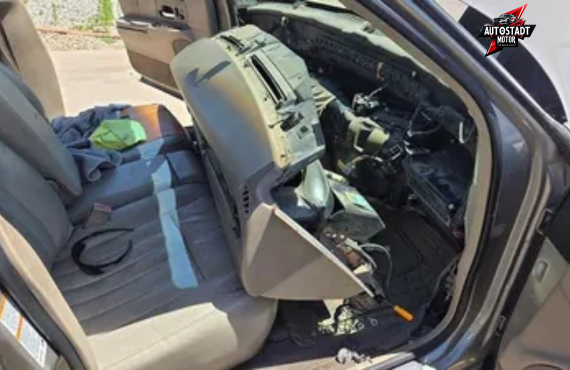
The evaporator is located inside the HVAC housing, generally behind the dashboard. It absorbs heat from the cabin air as refrigerant circulates through its internal passages. Because the component is concealed, identifying an evaporator problem often requires more than a basic inspection under the bonnet. Refrigerant leaks, moisture accumulation, restricted airflow, and other AC faults can produce similar symptoms.
At AutoStadt Motor Services, Mercury evaporator change begins with identifying the actual cause of the cooling problem. Our diagnostic approach helps distinguish an evaporator fault from issues involving the compressor, condenser, expansion valve, refrigerant lines, or cabin ventilation system. This allows the appropriate repair to be recommended instead of replacing parts unnecessarily.
Signs Your Car Needs Mercury Evaporator Change
An evaporator problem may develop gradually or become noticeable when the AC stops cooling properly. Understanding the warning signs can help you arrange an inspection before the problem causes further inconvenience.
1. Weak or Inconsistent Air Conditioning
One of the most common symptoms is air that remains warm or only slightly cool, even when the temperature setting is at its lowest.
The evaporator may be leaking refrigerant or experiencing an internal restriction. However, weak cooling alone does not confirm that the evaporator is defective. A low refrigerant charge, compressor fault, blocked condenser, or malfunctioning expansion valve can create similar symptoms.
A proper inspection should therefore evaluate the complete AC system before recommending Mercury evaporator replacement.
2. Refrigerant Leaks Inside the Dashboard Area
The evaporator contains refrigerant under pressure, so damage or corrosion can allow refrigerant to escape. Since the component sits inside the cabin’s HVAC assembly, the leak may not be visible during a routine engine-bay inspection.
If your Mercury repeatedly loses refrigerant after previous AC servicing, an evaporator leak should be considered alongside other possible leak sources.
Simply refilling the refrigerant may restore cooling temporarily, but it will not solve a confirmed leak in the evaporator core.
3. Persistent Unpleasant Smells From the Vents
A musty or unpleasant smell when the AC is running can indicate moisture, contamination, or microbial growth around the evaporator and drainage area.
Dubai’s climate and regular use of vehicle air conditioning can make moisture management important. However, an unpleasant smell does not automatically mean the evaporator needs replacement. A dirty cabin filter, contaminated HVAC housing, or blocked condensate drain may be responsible.
At AutoStadt Motor Services, identifying the source of the smell helps determine whether cleaning, drainage correction, or a more extensive evaporator repair is appropriate.
4. Water Appearing Inside the Cabin
The AC system naturally produces condensation as it removes moisture from cabin air. Under normal conditions, this water drains outside the vehicle through a dedicated drain.
If the drain becomes blocked or disconnected, water may accumulate around the passenger footwell or beneath dashboard components. Although this symptom can appear alongside an evaporator-related problem, it does not necessarily indicate a refrigerant leak.
The drainage system should be inspected to prevent moisture from damaging carpets, electrical connections, or interior materials.
5. Repeated AC Problems After Previous Repairs
If your Mercury has received multiple refrigerant refills or AC repairs without a lasting improvement, the underlying fault may not have been correctly identified.
For example, a technician may have repaired one leak while another remained undetected. Alternatively, the compressor, pressure-control components, or expansion valve may be affecting cooling performance.
A comprehensive diagnostic check can help determine whether the evaporator is actually responsible before dashboard disassembly begins.
6. Reduced Cooling Despite Normal Airflow
Sometimes the blower produces a strong stream of air, but the air itself is not cold enough. This suggests that the problem may be related to the refrigeration cycle rather than the blower motor alone.
The evaporator is one possible source, but the refrigerant charge, compressor operation, and temperature-control system must also be assessed.
This distinction is useful because replacing an evaporator will not correct a separate compressor or electrical fault.
Why Choose AutoStadt Motor Services for Mercury Evaporator Change
Evaporator replacement is a detailed repair that requires accurate diagnosis, careful component removal, and correct reassembly. Since the evaporator is usually located behind the dashboard, unnecessary work can increase repair time and cost.
Accurate AC Leak Diagnosis
At AutoStadt Motor Services, the first priority is to establish where the refrigerant is escaping and why cooling performance has declined.
Depending on the vehicle and symptoms, diagnostic methods may include refrigerant leak detection, system pressure checks, inspection of accessible connections, and examination of AC operating performance.
This helps distinguish a leaking evaporator from a faulty condenser, damaged hose, compressor seal, or another refrigerant-system component.
Vehicle-Specific Repair Planning
Mercury vehicles can differ in dashboard layout, HVAC configuration, component availability, and repair requirements. The appropriate procedure depends on the model, production year, and installed system.
A suitable inspection helps establish which parts must be removed, whether related components need attention, and what replacement parts are compatible with the vehicle.
Careful Dashboard and Interior Handling
Accessing the evaporator may require removing dashboard panels, trim pieces, sections of the HVAC housing, and certain electrical connections.
Careful handling is essential to reduce the risk of damaged clips, loose fittings, electrical problems, or unwanted interior noises after reassembly.
The objective is to complete the repair while preserving the condition and functionality of the surrounding interior components.
Attention to the Complete AC System
Replacing a damaged evaporator is only part of restoring reliable cooling. The remaining AC components must also be checked to make sure they can operate correctly with the replacement part.
Depending on the findings, inspection may include the expansion valve, cabin filter, condensate drain, refrigerant lines, compressor operation, and condenser condition.
This broader approach is valuable because an overlooked secondary fault may cause the vehicle to continue experiencing AC problems after the evaporator has been replaced.
Practical Recommendations for Dubai Drivers
For drivers who depend on their Mercury every day, a malfunctioning AC system can make commuting particularly uncomfortable.
AutoStadt Motor Services aims to identify the fault, explain the recommended work, and help owners understand the repair requirements before proceeding. Whether the issue involves an evaporator leak or another AC component, the repair should be based on the vehicle’s actual condition.
How Our Mercury Evaporator Change Process Works
A professional Mercury evaporator change follows a sequence of diagnostic and repair steps. This is especially important because the component is concealed and replacing it can involve substantial labour.
Step 1: Review the AC Symptoms
The process begins with an assessment of the reported problem.
The technician considers whether the AC produces warm air, loses cooling intermittently, develops unpleasant smells, or repeatedly requires refrigerant service.
Information about previous repairs is also useful because it can help identify recurring problems and avoid repeating unsuccessful work.
Step 2: Inspect the AC System
Before removing the dashboard, the accessible components are inspected.
The compressor, condenser, refrigerant lines, electrical controls, and other relevant parts are assessed according to the symptoms. Refrigerant pressure and cooling performance may also be checked using appropriate equipment.
This stage helps rule out more accessible faults that could otherwise be mistaken for an evaporator problem.
Step 3: Confirm the Evaporator Fault
If the initial inspection indicates a possible evaporator leak, further testing is used where appropriate to confirm the diagnosis.
Specialist leak-detection equipment and vehicle-specific diagnostic procedures may help establish whether refrigerant is escaping from the evaporator or another concealed component.
Confirmation is important because dashboard removal should not be undertaken on the assumption that the evaporator is faulty.
Step 4: Remove the Necessary Interior Components
Once replacement is justified, the relevant dashboard and HVAC components are removed according to the vehicle’s repair procedure.
Electrical connectors, trim panels, mounting points, and related fittings must be handled carefully. The refrigerant must also be recovered using appropriate equipment before the AC circuit is opened.
This is a technically demanding stage because access and disassembly requirements vary by Mercury model.
Step 5: Replace the Damaged Evaporator
After accessing the HVAC housing, the faulty evaporator is removed and the replacement part is checked for compatibility.
Related seals and other serviceable components are assessed, and replacement seals may be fitted where required. The expansion valve or associated components should also be evaluated if the diagnosis indicates a problem.
Correct installation helps reduce the likelihood of leaks and supports proper operation of the AC system.
Step 6: Reassemble and Restore the Refrigerant Circuit
After installation, the HVAC housing and dashboard components are reassembled.
The AC circuit is then serviced according to the manufacturer’s specifications. Depending on the system, this may involve evacuating the circuit, checking its ability to hold vacuum, and recharging it with the correct refrigerant type and specified quantity.
Using the correct refrigerant and lubricant specifications is important for compressor protection and reliable system operation.
Step 7: Test Cooling and Check for Leaks
The final stage involves testing the repaired system.
The technician checks AC operation, vent temperature, relevant system pressures, and evidence of refrigerant leakage. Condensate drainage and other relevant functions may also be checked.
The interior components are reviewed after reassembly to help ensure that the dashboard, controls, and ventilation system function as expected.
Mercury AC Maintenance Tips for Dubai Conditions
Although an evaporator can eventually deteriorate through age, corrosion, or other damage, sensible maintenance can help identify AC problems earlier.
First, arrange an inspection if cooling performance declines or the system repeatedly loses refrigerant. Repeatedly topping up the system without investigating the cause can delay the correct repair.
Second, replace the cabin air filter according to the manufacturer’s recommendations. A restricted filter can reduce airflow and contribute to poor ventilation performance, although it will not repair a refrigerant leak.
Third, pay attention to persistent odours and water accumulation inside the vehicle. These symptoms may indicate drainage or contamination problems that should be addressed before they affect interior materials.
Finally, ensure that AC servicing follows the vehicle’s specified refrigerant and lubricant requirements. Procedures and component designs differ between vehicles, including Mercury models, Toyota sedans, Nissan SUVs, BMW cars, and Mercedes-Benz vehicles.
Regular inspection cannot guarantee that an evaporator will never fail. However, it can help identify developing problems, distinguish maintenance needs from component failure, and reduce the likelihood of unnecessary repairs.
Frequently Asked Questions About Mercury Evaporator Change in Dubai
1. How do I know if my Mercury needs an evaporator change?
Common warning signs include weak cooling, recurring refrigerant loss, and persistent AC problems that remain unresolved after other repairs. A musty smell or water inside the cabin can indicate a related HVAC problem, but neither symptom alone confirms evaporator failure. A professional inspection and appropriate leak testing are needed before deciding whether replacement is necessary.
2. How much does Mercury evaporator change cost in Dubai?
The cost depends on the Mercury model, replacement-part availability, dashboard removal requirements, and the condition of related AC components. Because the evaporator is generally located behind the dashboard, labour can represent a significant part of the total expense. The most useful estimate comes after confirming the fault and identifying the correct replacement part. AutoStadt Motor Services can assess the vehicle and recommend the work required for its particular condition.
3. How long does Mercury evaporator replacement take?
The repair time varies by model and dashboard design. Some vehicles require extensive interior disassembly before the evaporator can be accessed, while others have a different HVAC layout. Parts availability and the need to repair additional faults can also affect completion time. It is best to obtain a vehicle-specific estimate after the initial inspection rather than relying on a fixed time for every Mercury.
4. Can I keep driving my Mercury if the evaporator is leaking?
A faulty evaporator does not always prevent the vehicle from being driven, but the AC may provide little or no cooling. Refrigerant leakage should be diagnosed and repaired rather than repeatedly ignored or topped up. If there are additional symptoms, such as unusual mechanical noises, electrical issues, or water affecting interior components, the vehicle should be inspected promptly. Avoid attempting to open or recharge the refrigerant circuit yourself, as automotive refrigerants require appropriate handling equipment and procedures.
5. Will changing the evaporator make my Mercury AC cold again?
If the evaporator leak is the main cause of poor cooling and the replacement is installed correctly, the repair can restore the system’s cooling performance. However, the final result also depends on the condition of the compressor, condenser, expansion valve, refrigerant circuit, electrical controls, and other components. This is why a complete system check and performance test should accompany the replacement rather than assuming that the evaporator is the only possible source of trouble.
Conclusion
Mercury evaporator change can be necessary when a confirmed evaporator leak or internal fault prevents the vehicle’s air-conditioning system from working correctly. Since the component is usually concealed behind the dashboard, accurate diagnosis and careful installation are essential.
For Dubai drivers, dependable AC cooling makes a significant difference during daily commuting and long journeys. Addressing recurring refrigerant loss, weak cooling, and persistent AC problems early can help avoid continued inconvenience and unnecessary servicing.
AutoStadt Motor Services offers professional automotive AC inspection and repair support, helping Mercury owners identify the source of cooling problems and determine whether evaporator replacement is the appropriate solution.
If your Mercury continues to lose refrigerant or fails to cool the cabin effectively, arrange a proper AC inspection before investing in another temporary fix. A confirmed diagnosis, compatible replacement part, and final system performance test provide a more reliable path toward restoring comfortable driving.


Leave a Comment