
Mercury AC condenser change is an important service when your vehicle’s air conditioning system struggles to maintain cool temperatures, loses refrigerant, or shows signs of damage around the front cooling assembly. The condenser plays a vital role in the AC system by releasing heat from the refrigerant, allowing it to cool and circulate through the system effectively. When this component becomes blocked, damaged, or develops a leak, the cabin may no longer receive the cooling performance you expect.
For drivers in Dubai, a properly functioning car AC system is essential throughout much of the year. High outdoor temperatures, dusty roads, heavy traffic, and frequent stop-and-go driving can place considerable demands on vehicle cooling systems. Consequently, even a relatively small condenser problem can become noticeable during daily commutes, school runs, or longer journeys across the UAE.
At AutoStadt Motor Services, we understand that replacing an AC condenser should begin with accurate diagnosis. Weak cooling does not always mean the condenser has failed; refrigerant leaks, compressor problems, restricted airflow, and electrical faults can create similar symptoms. Identifying the actual cause helps avoid unnecessary expenses and supports a more dependable repair.
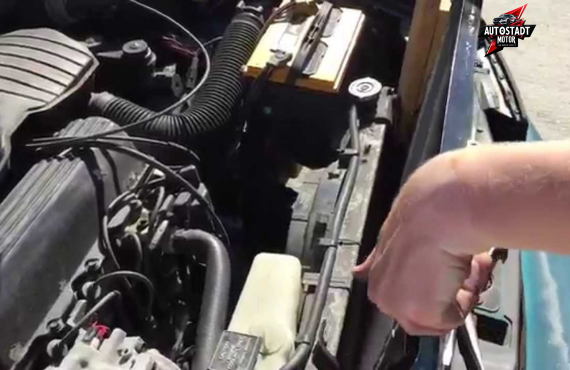
Whether your Mercury needs a condenser replacement because of physical damage, corrosion, refrigerant leakage, or restricted heat transfer, professional inspection can help determine the appropriate solution and restore effective air conditioning.
Signs Your Car Needs Mercury AC Condenser Change
The condenser is usually positioned near the front of the vehicle, where air can pass across its fins and remove heat from the refrigerant. Because of its location, it can be exposed to road debris, dust, moisture, and physical impact. Several warning signs may indicate that inspection or replacement is necessary.
1. The AC Blows Warm or Slightly Cool Air
One of the most noticeable symptoms is a decline in cabin cooling. Your Mercury may initially produce cool air but struggle to maintain a comfortable temperature, especially during hot afternoons in Dubai.
A damaged or restricted condenser may be unable to release heat efficiently. As a result, the refrigerant circuit may not operate as intended, reducing overall cooling performance.
However, warm air alone does not confirm condenser failure. Low refrigerant, a malfunctioning compressor, or another system fault can cause similar symptoms. A technician should evaluate the complete AC system before recommending replacement.
2. Refrigerant Leaks Around the Condenser
A condenser can develop leaks because of impact damage, corrosion, deteriorated connections, or damage to its thin passages. When refrigerant escapes, the AC system gradually loses its ability to cool the cabin.
You may notice that the air conditioning works reasonably well after servicing but becomes weak again after a short period. This can indicate an unresolved refrigerant leak.
Refrigerant itself should not be identified simply by looking for a coloured liquid underneath the vehicle. The source must be confirmed using suitable diagnostic methods.
3. Cooling Becomes Worse in Traffic
If your Mercury’s AC performs better while driving at speed but becomes less effective when the vehicle is stationary, the condenser and its airflow should be inspected.
At higher road speeds, air naturally passes through the condenser. During slow traffic, cooling fans help maintain airflow. A faulty fan, obstructed condenser, or other heat-rejection problem can reduce cooling performance when the car is stopped.
This symptom does not automatically mean that the condenser requires replacement. Proper testing can distinguish a damaged condenser from a fan or airflow issue.
4. Visible Damage to the Condenser Fins
The condenser contains delicate fins and internal passages that help transfer heat. Stones, road debris, and physical impact can bend the fins or damage the component.
A heavily obstructed or damaged condenser may lose efficiency. In more serious cases, physical damage can create a refrigerant leak.
During inspection, the technician should assess whether the condenser can function correctly or whether replacement is necessary. Cleaning may be sufficient for some external obstructions, but it cannot repair a leaking internal passage.
5. The AC Requires Repeated Refrigerant Refills
Repeatedly adding refrigerant is not a long-term solution when the system has a leak.
If your Mercury’s cooling improves after an AC refill but deteriorates again, the technician should investigate the cause of refrigerant loss. The condenser is one possible source, although hoses, seals, service connections, and other components may also leak.
At AutoStadt Motor Services, identifying the leak before replacing parts helps make the repair more targeted and cost-effective.
6. Unusual AC Performance After a Front-End Impact
Even a minor collision or parking impact can affect components behind the front bumper. Since the condenser is commonly installed near the radiator and other front-end cooling components, it may be damaged without obvious signs from outside.
If your Mercury develops AC problems after an impact, an inspection can reveal bent fins, damaged mounting points, leaking passages, or disturbed connections.
Why Choose AutoStadt Motor Services for Mercury AC Condenser Change
Choosing the right workshop involves more than finding someone who can install a replacement component. The condition of the entire AC system should be considered so that the new condenser can operate correctly.
Accurate Diagnosis Before Replacement
At AutoStadt Motor Services, the first priority is to establish whether the condenser is actually responsible for the cooling problem.
Technicians can assess AC performance, inspect the condenser, investigate suspected refrigerant leaks, and evaluate related components according to the vehicle’s configuration. This helps avoid replacing a condenser when the real problem is a cooling fan, compressor, electrical connection, or another part.
Attention to Related AC Components
The condenser does not work independently. It forms part of a refrigerant circuit that also includes components such as the compressor, evaporator, expansion device, and associated hoses.
When a condenser is replaced, the condition of related parts should be considered. For example, if contamination is present in the system, additional corrective work may be needed rather than simply installing a new component.
This approach supports a more complete repair.
Correct Replacement Parts and Specifications
Selecting a suitable replacement condenser is essential. Compatibility can depend on the exact Mercury model, model year, engine configuration, and original equipment specification.
A component that appears similar may not necessarily fit correctly or provide the required performance. Therefore, the replacement should be matched to the vehicle’s details.
Professional Refrigerant Handling
Modern vehicle AC systems require appropriate refrigerant handling and charging procedures. The correct refrigerant type and specified quantity must be followed for the particular vehicle.
Simply adding an estimated amount can affect cooling performance and system operation. Proper service procedures help ensure the repaired system operates within its intended specifications.
Support for Dubai Driving Conditions
Dubai’s climate places significant demands on vehicle air conditioning. Reliable cooling matters during daily commuting, business travel, and longer drives between emirates.
AutoStadt Motor Services helps drivers address AC-related faults through inspection and repair recommendations suited to the problem identified. The objective is to restore effective cooling while reducing the likelihood of recurring issues.
The same diagnostic principles are useful for other vehicles, including Toyota Camry, Nissan Altima, BMW 5 Series, and Mercedes-Benz E-Class models, although their components and repair requirements differ.
How Our Mercury AC Condenser Change Process Works
A condenser replacement should follow a systematic process, from confirming the fault to checking the system after installation.
Step 1: Assess the Cooling Complaint
The process begins by understanding the symptoms. The technician considers whether the AC produces warm air, cools intermittently, loses performance in traffic, or repeatedly requires refrigerant service.
Information about recent repairs, front-end impacts, or previous AC refills can also help narrow down the possible causes.
Step 2: Inspect the Condenser and Front Cooling Assembly
The condenser is examined for visible damage, bent fins, corrosion, contamination, and signs of leakage. Nearby components and connections are also checked where accessible.
This inspection helps determine whether the problem is physical damage, restricted airflow, or a fault elsewhere in the system.
Step 3: Confirm the Refrigerant Leak or Cooling Fault
If a leak is suspected, appropriate diagnostic equipment and procedures can be used to identify its location. System pressure and operating performance may also be evaluated according to the manufacturer’s specifications.
Confirming the fault is essential because replacing the condenser will not resolve a problem caused by an unrelated component.
Step 4: Remove the Faulty Condenser
Once replacement is confirmed, the refrigerant must be recovered using suitable equipment before the AC circuit is opened.
The technician then removes the necessary surrounding components and connections according to the vehicle’s design. Care is required because the condenser is often installed close to the radiator and other front-end parts.
Step 5: Install the Replacement Component
The replacement condenser is matched to the vehicle and installed securely. Relevant seals and connections are inspected, and components that require replacement during reassembly are addressed according to the applicable service procedure.
If contamination or damage elsewhere in the system is discovered, the technician should determine whether additional work is necessary.
Step 6: Evacuate, Leak-Test, and Recharge the System
After installation, the system is prepared for operation using the appropriate service procedure. This may include evacuation, leak testing, and charging with the specified refrigerant quantity.
The correct process depends on the vehicle and the nature of the repair. Refrigerant should never be charged by guesswork.
Step 7: Test Cooling Performance
The final stage is to verify the repair. The technician checks for leaks, evaluates AC operation, and confirms that the system is producing appropriate cooling under the conditions tested.
Related components, including the cooling fans and compressor operation, may also be checked when relevant to the original complaint.
Mercury AC Condenser Maintenance Tips for Dubai Drivers
Although a condenser cannot be protected from every road hazard, a few maintenance practices can help preserve AC performance.
First, arrange an inspection when cooling begins to decline instead of waiting for the system to stop working completely. Early diagnosis can help identify a developing leak or airflow problem.
Second, keep the front cooling area free from excessive external debris. Dust and obstructions can interfere with airflow, although cleaning should be performed carefully to avoid damaging the delicate fins.
Third, investigate recurring refrigerant loss. Repeated refills without leak diagnosis can waste money and leave the underlying problem unresolved.
Finally, consider the entire AC system during maintenance. A condenser replacement may not solve weak cooling if the compressor, fan, refrigerant circuit, or electrical controls also have faults.
Frequently Asked Questions About Mercury AC Condenser Change in Dubai
1. How do I know whether my Mercury needs an AC condenser replacement?
Common warning signs include weak cooling, a confirmed refrigerant leak from the condenser, visible physical damage, or reduced AC performance following a front-end impact. However, these symptoms can also result from compressor faults, cooling fan problems, or other issues. A professional inspection is necessary to confirm whether the condenser itself needs replacement.
2. How much does Mercury AC condenser change cost in Dubai?
The cost depends on the Mercury model, the price and availability of the compatible condenser, labour requirements, and whether related components need attention. Refrigerant recovery, leak testing, recharging, and replacing seals may also contribute to the total cost. AutoStadt Motor Services can assess the vehicle and recommend the necessary work once the fault and required parts have been identified.
3. Can I drive my Mercury if the AC condenser is leaking?
A leaking condenser may initially affect cabin comfort more than vehicle movement, but the problem should not be ignored. Refrigerant loss can cause the AC to stop cooling and may affect compressor operation depending on the system’s design and protective controls. Arrange an inspection promptly, and avoid attempting to handle pressurised refrigerant yourself.
4. Does replacing the condenser mean the AC compressor must also be changed?
No. A condenser fault does not automatically mean the compressor has failed. If the compressor is operating correctly and the system has no related damage or contamination requiring further work, condenser replacement may be sufficient. The technician should inspect the system and follow the appropriate service procedure before recommending additional component replacement.
5. How long does Mercury AC condenser replacement take?
The time required depends on the exact vehicle configuration, condenser accessibility, and whether other components must be removed to reach it. The work also includes appropriate refrigerant recovery, installation, leak testing, recharging, and performance checks. A straightforward replacement may take less time than a repair involving additional damage or difficult access, so the workshop should provide a more accurate estimate after inspecting the vehicle.
Conclusion
Mercury AC condenser change can restore dependable air conditioning when a damaged, leaking, or inefficient condenser is responsible for poor cooling. For Dubai drivers, resolving these issues promptly can make everyday journeys more comfortable and help prevent continued refrigerant loss.
However, warm air does not always indicate condenser failure. The compressor, cooling fans, refrigerant circuit, electrical controls, and other components may produce similar symptoms. Accurate diagnosis is therefore the most important first step.
AutoStadt Motor Services provides automotive AC inspection and repair support for drivers seeking a practical solution to condenser-related cooling problems. From confirming a refrigerant leak to installing a compatible replacement and testing the repaired system, the goal is to address the underlying fault rather than rely on temporary fixes.
If your Mercury’s AC is no longer cooling effectively, arrange an inspection to determine whether the condenser needs replacement and which repairs are appropriate for your vehicle.


Leave a Comment