
Mercedes brake repair is essential for maintaining safe, controlled, and reliable driving on Dubai’s busy roads. Whether you drive a Mercedes-Benz C-Class for daily commuting, an E-Class for business travel, or a GLE SUV for family journeys, your braking system must respond consistently whenever you slow down or stop. Unusual brake noises, steering wheel vibrations, a soft brake pedal, or a dashboard warning should never be ignored.
Mercedes-Benz vehicles combine advanced engineering with braking technologies designed for different driving conditions. Depending on the model and year, the system may include electronic brake assistance, ABS, stability control, brake wear sensors, and other integrated safety features. Consequently, effective brake servicing involves more than simply replacing worn brake pads.
Dubai driving conditions can also influence brake wear. Frequent traffic stops, long periods of slow-moving traffic, highway driving, and repeated braking can gradually affect brake pads, discs, and other components. High temperatures may add to the operating demands placed on the vehicle, making regular inspection especially important.
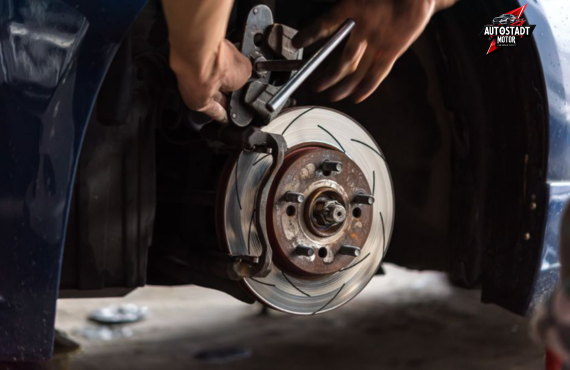
At AutoStadt Motor Services, Mercedes owners can have their braking concerns inspected to identify the underlying problem and determine the appropriate repair. Whether the issue involves worn brake pads, damaged discs, fluid leakage, or an electronic warning, the objective is to restore dependable braking performance through a vehicle-appropriate repair process.
Signs Your Car Needs Mercedes Brake Repair
Brake problems do not always develop suddenly. In many cases, your Mercedes provides warning signs before braking performance deteriorates significantly. Recognizing these changes early can help you arrange an inspection before a relatively straightforward repair becomes more complicated.
1. Squealing or Grinding Noises When Braking
A high-pitched squeal when applying the brakes may indicate worn brake pads, although dust, moisture, or other contact between components can also produce noise.
Grinding is more concerning. It may indicate that the friction material has worn down significantly, allowing metal components to make contact with the brake disc. Continued driving in this condition can damage the discs and increase repair costs.
If your Mercedes produces persistent braking noises, arrange an inspection instead of assuming the sound will disappear on its own.
2. Vibrations Through the Brake Pedal or Steering Wheel
Does your Mercedes vibrate when slowing down from higher speeds? This can indicate uneven brake disc surfaces, disc thickness variation, or other braking or suspension-related problems.
For example, a Mercedes-Benz E-Class that develops steering wheel vibration during highway braking may require a detailed inspection of the front brakes and associated components. However, vibration can also originate from wheel, tyre, or suspension faults, so the actual cause must be confirmed.
3. A Soft or Spongy Brake Pedal
A brake pedal that feels unusually soft, sinks farther than normal, or requires increased pressure needs immediate attention.
Possible causes include air in the hydraulic system, a brake fluid leak, a master cylinder problem, or another hydraulic fault. These issues can affect the driver’s ability to stop the vehicle predictably.
If the pedal suddenly becomes soft or braking performance is reduced, stop somewhere safe and arrange professional assistance rather than continuing to drive.
4. Mercedes Brake Warning Light Appears
Modern Mercedes-Benz vehicles can display warnings related to brake pad wear, brake fluid, parking brakes, ABS, or other braking and stability systems.
The meaning depends on the specific warning and vehicle configuration. A brake wear notification may indicate that the pads need inspection, while a hydraulic brake warning could represent a more serious safety concern.
Do not dismiss a warning simply because the vehicle still appears to stop normally. Diagnostic checks can help establish whether the issue is related to worn components, a sensor, fluid level, or an electronic system fault.
5. Vehicle Pulls to One Side During Braking
If your Mercedes pulls left or right when you apply the brakes, the braking force may not be balanced between the wheels.
Possible causes include a sticking brake caliper, uneven pad wear, hydraulic problems, or suspension and tyre issues. A seized or sticking caliper can also cause excessive heat and accelerated wear.
An inspection is important because uneven braking can affect vehicle control, particularly during emergency stops or wet-road conditions.
6. Burning Smell or Excessive Wheel Heat
A sharp burning smell after braking, especially when accompanied by unusual heat around one wheel, may indicate a dragging brake or another mechanical problem.
Although brakes naturally generate heat during use, excessive heat from one wheel can suggest a sticking caliper or another fault. Do not touch the wheel or brake components to check their temperature, as they may be dangerously hot.
If the smell is strong, smoke appears, or the vehicle behaves abnormally, stop in a safe location and arrange professional assistance.
Why Choose AutoStadt Motor Services for Mercedes Brake Repair
Choosing the right workshop matters because a braking system must function correctly as a complete unit. Replacing one component without checking related parts may leave the original problem unresolved.
Mercedes Brake System Inspection
At AutoStadt Motor Services, the inspection should be guided by the symptoms, vehicle specifications, and condition of the braking components.
Depending on the problem, the assessment may cover brake pads, discs, calipers, fluid condition, hydraulic lines, wear sensors, and relevant electronic warnings. This helps identify whether the repair is mechanical, hydraulic, or electronic.
Repair Recommendations Based on Actual Wear
Not every Mercedes needs a complete brake replacement. In some cases, the pads may be worn while the discs remain within the manufacturer’s service limits. In other situations, damaged discs, leaking components, or a sticking caliper may require additional work.
The correct decision depends on inspection findings and the manufacturer’s specifications. This approach helps avoid unnecessary parts replacement while ensuring safety-related defects are not overlooked.
Vehicle-Specific Parts and Procedures
Mercedes-Benz models differ in brake dimensions, component design, electronic features, and maintenance requirements.
For instance, the braking setup of a Mercedes-Benz GLE SUV may differ from that of a C-Class sedan or a performance-oriented AMG model. The correct replacement components and service procedures should therefore be selected according to the specific vehicle.
Attention to Electronic Brake Systems
Many modern Mercedes vehicles integrate electronic systems with their conventional brakes. Depending on the model, servicing may require diagnostic equipment, electronic parking brake procedures, or specific service modes.
If an electronic warning appears, replacing brake pads alone may not resolve the underlying fault. Proper diagnostics help distinguish ordinary wear from a sensor or control-system issue.
Convenient Brake Maintenance for Dubai Drivers
Dubai motorists often need dependable braking for busy urban routes, highway travel, and regular commuting. Timely inspections can help identify wear before it affects everyday driving.
AutoStadt Motor Services provides brake inspection and repair support for Mercedes owners, with the aim of identifying the fault, explaining the recommended work, and checking the system after servicing.
How Our Mercedes Brake Repair Process Works
A structured repair process helps ensure that the cause of a braking problem is identified and the completed work is checked properly.
Step 1: Discuss the Symptoms
The process begins by understanding what the driver has experienced.
You may have noticed a squealing noise, a warning light, a vibrating pedal, or longer stopping distances. Information about when the symptom occurs can help narrow down the possible causes.
For example, noise during light braking may require a different investigation from vibration that occurs only during high-speed deceleration.
Step 2: Inspect the Braking Components
The technician examines the relevant parts according to the complaint and vehicle configuration.
This may include measuring brake pad thickness, assessing disc condition, checking caliper operation, inspecting visible hydraulic components, and looking for uneven wear or damage.
The purpose is to determine which components are serviceable and which require repair or replacement.
Step 3: Perform Diagnostic Checks When Needed
If the Mercedes displays an ABS, brake wear, or other electronic warning, appropriate diagnostic checks may be required.
These checks can help identify stored fault codes or problems involving sensors and electronic systems. A fault code is a diagnostic clue, however, and should be interpreted alongside the physical inspection rather than treated as an automatic instruction to replace a particular component.
Step 4: Explain the Required Repair
Once the cause has been identified, the recommended work can be explained to the vehicle owner.
Depending on the findings, the job may involve brake pad replacement, brake disc replacement, caliper servicing, brake fluid service, sensor replacement, or further diagnosis of an electronic or hydraulic fault.
The condition of related components should also be considered before the repair is finalized.
Step 5: Carry Out the Repair
The required work is performed using components and procedures appropriate to the vehicle.
When replacing brake pads, for example, the technician should inspect the discs and calipers rather than considering the pads in isolation. If the hydraulic system has been opened, the correct bleeding procedure may be necessary.
Similarly, electronic parking brake systems may require model-specific service procedures.
Step 6: Check the Braking System After Repair
After the repair, the technician checks the relevant components and confirms that the work has addressed the original problem.
Depending on the repair, this may include verifying pedal feel, checking fluid levels, reviewing warning indicators, and confirming correct component operation. Any road test should be performed only when the vehicle is safe to operate.
This final assessment helps ensure that the repair has been completed properly rather than merely removing a warning or replacing a worn part.
Mercedes Brake Maintenance Tips for Dubai Conditions
Preventive maintenance can help reduce unexpected braking problems and improve the likelihood of identifying wear early.
First, pay attention to changes in pedal feel, braking noise, stopping behaviour, and dashboard warnings. These signs are more useful when addressed promptly rather than ignored until the vehicle develops a serious fault.
Second, have the brake pads and discs inspected at appropriate service intervals. There is no single replacement mileage that applies to every Mercedes because wear depends on driving habits, vehicle weight, road conditions, and component specifications.
Third, maintain the brake fluid according to the manufacturer’s schedule. Brake fluid can absorb moisture over time, potentially affecting performance and corrosion protection. The correct fluid specification must be used for the vehicle.
Finally, avoid delaying a repair because the car still appears drivable. A sticking caliper, damaged disc, or hydraulic fault can worsen and may affect other components.
The same principles apply to other vehicles, including the Toyota Land Cruiser, Nissan Patrol, BMW 5 Series, and Audi Q7. However, each model has its own specifications and servicing requirements, so maintenance should always be tailored to the vehicle.
Frequently Asked Questions About Mercedes Brake Repair in Dubai
1. How much does Mercedes brake repair cost in Dubai?
The cost depends on the model, the parts involved, and the severity of the problem. Replacing brake pads may be less expensive than replacing both pads and discs, while a damaged caliper, hydraulic fault, or electronic braking issue may require additional work. Mercedes-AMG models and vehicles with more specialized braking systems may also have different parts costs. AutoStadt Motor Services can assess the vehicle and recommend the necessary repairs based on the actual condition of the braking system.
2. How do I know when my Mercedes brake pads need replacement?
Common indicators include persistent squealing, a brake pad wear warning, reduced pad thickness, or visible uneven wear. Some Mercedes models use electronic wear sensors, while others may have different warning arrangements depending on their age and specification. A visual inspection and measurement against the applicable service limits provide a more reliable assessment than judging pad life by mileage alone. Brake discs and calipers should also be inspected when pad replacement is required.
3. Why does my Mercedes shake when I apply the brakes?
Vibration during braking can result from disc thickness variation, uneven friction deposits, or other problems affecting the braking system. However, wheel balance, tyres, suspension components, and steering parts can also cause vibration that becomes noticeable during deceleration. The location and conditions of the vibration help guide the diagnosis. A workshop should inspect the relevant components before recommending disc replacement or other repairs.
4. Can I drive my Mercedes if the brake warning light is on?
That depends on the warning, but it should never be ignored. A pad wear notification may indicate that servicing is due, whereas a red brake warning, low brake fluid, a soft pedal, or reduced braking performance can indicate a potentially serious fault. If braking feels abnormal, a warning indicates a hydraulic problem, or the vehicle is unsafe to control, stop in a safe place and arrange professional assistance. Consult the vehicle’s manual for the meaning of the specific warning.
5. How often should Mercedes brakes be serviced in Dubai?
Brake inspections should follow the manufacturer’s maintenance guidance and take the vehicle’s usage into account. Frequent stop-and-go driving, heavy traffic, mountain or highway journeys, and aggressive braking can affect component wear differently. Rather than relying on one fixed mileage for every model, have the pads, discs, fluid, and related components inspected at appropriate service intervals. If you notice noise, vibration, pulling, or warning lights between services, arrange an inspection without waiting for the next scheduled appointment.
Conclusion
Mercedes brake repair is an important part of keeping your vehicle safe and dependable on Dubai roads. Whether you drive a C-Class, E-Class, GLE, or another Mercedes-Benz model, warning signs such as grinding noises, pedal vibration, uneven braking, or dashboard alerts deserve prompt attention.
The right solution begins with identifying the actual cause. Worn brake pads, damaged discs, a sticking caliper, contaminated brake fluid, and electronic system faults require different repair approaches. Replacing parts without proper diagnosis can increase costs while leaving the original issue unresolved.
AutoStadt Motor Services offers professional brake inspection and repair support for Mercedes owners in Dubai. By assessing the braking components, identifying the fault, and recommending vehicle-appropriate repairs, the workshop can help drivers make informed maintenance decisions.
If your Mercedes is showing signs of brake trouble, arrange an inspection before the problem becomes more serious. Timely attention can help protect braking performance, reduce the risk of additional component damage, and support safer driving in everyday Dubai traffic.


Leave a Comment