
McLaren Repair requires specialist attention, accurate diagnostics, and a repair approach that respects the engineering of a high-performance supercar. McLaren vehicles are designed for exceptional acceleration, responsive handling, advanced aerodynamics, and precise control. To maintain these characteristics, their mechanical and electronic systems need appropriate inspection and maintenance.
For McLaren owners in Dubai, keeping a supercar in excellent condition involves more than routine oil changes. High ambient temperatures, heavy traffic, frequent short journeys, and demanding driving conditions can affect cooling performance, battery health, tyre condition, braking components, and other essential systems. Even when a vehicle is driven occasionally, regular maintenance remains important because fluids, seals, batteries, and rubber components can deteriorate with time.
At AutoStadt Motor Services, the focus is on identifying vehicle problems accurately and recommending repairs according to the car’s condition and technical requirements. Whether you own a McLaren 570S, 720S, GT, Artura, or another model, the appropriate service begins with understanding the vehicle’s symptoms and specifications.
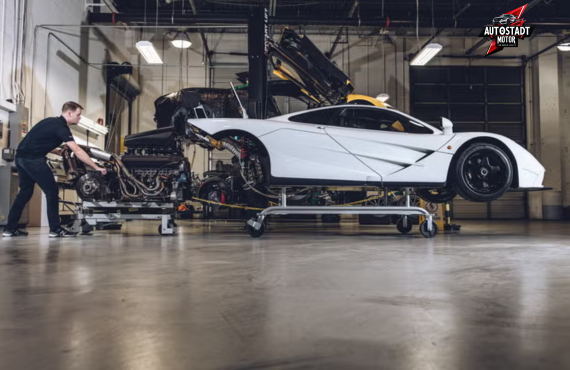
McLaren vehicles also use advanced electronic controls, specialised engine technology, and model-specific components. Therefore, a warning light or unusual noise should not automatically lead to parts replacement without diagnosis. A structured inspection helps distinguish normal operating behaviour from a genuine fault and supports better repair decisions.
If your McLaren needs routine servicing, engine diagnostics, brake inspection, cooling-system repairs, or help resolving a performance issue, choosing an experienced automotive workshop is an important step towards preserving its reliability and driving character.
Signs Your Car Needs McLaren Repair
High-performance vehicles can develop problems gradually, while other faults appear suddenly. Recognising the warning signs early helps you arrange an inspection before the issue affects additional components.
1. Engine Warning Lights or Reduced Performance
A warning light on the dashboard should never be ignored, particularly when it appears alongside reduced acceleration, rough idling, unusual vibration, or an unexpected change in engine response.
Modern McLaren vehicles rely on electronic engine management systems that monitor numerous operating parameters. Depending on the fault, a warning may relate to sensors, ignition components, fuel delivery, emissions equipment, temperature readings, or another engine-management issue.
Professional diagnostic scanning can help identify relevant fault codes. However, the code itself is not always the final diagnosis; the underlying cause must also be confirmed.
2. Engine Overheating or Unusual Temperature Changes
The engine cooling system is especially important in a performance vehicle. If your McLaren displays a temperature warning, loses coolant, or shows unusual temperature fluctuations, arrange an inspection promptly.
Possible causes include coolant leaks, damaged hoses, radiator problems, pump-related faults, or issues affecting cooling-system circulation. Dubai’s hot weather can make an existing cooling-system weakness more noticeable.
Continuing to drive an overheating vehicle may cause serious engine damage. If a temperature warning indicates overheating, stop safely and follow the vehicle manufacturer’s instructions rather than continuing the journey.
3. Unusual Transmission Behaviour
A McLaren’s transmission is designed to deliver rapid, controlled gear changes. Delayed engagement, unexpected jerking, warning messages, or abnormal noises may indicate a problem that needs attention.
The cause can vary from a control-system issue to a mechanical or fluid-related concern, depending on the model and transmission design.
Because transmission repairs can be complex and expensive, early diagnosis is preferable to repeatedly driving the car while the symptoms continue.
4. Brake Noise or Reduced Braking Confidence
Strong braking performance is essential for a supercar, even if it is primarily used on city roads.
Grinding noises, unusual vibration, changes in pedal feel, or a brake warning may indicate worn components or another braking-system fault. Brake pads, discs, sensors, and related hydraulic components should be inspected according to the vehicle’s requirements.
Some McLaren models use specialised braking equipment, so replacement parts and service procedures must be selected for the exact vehicle specification.
5. Suspension Noise or Changes in Handling
If your McLaren begins pulling to one side, develops knocking noises, or feels different over road imperfections, its suspension and steering systems may need examination.
Potential causes include worn joints, damaged suspension components, wheel alignment issues, tyre problems, or faults in more advanced suspension systems.
These symptoms are particularly important in a vehicle engineered for precise handling. An inspection can help establish whether the issue affects comfort, tyre wear, stability, or overall driving control.
6. Battery, Electrical, or Starting Problems
A weak battery can cause starting difficulties, electrical warnings, or unusual behaviour in vehicle systems.
High-performance vehicles contain multiple electronic modules that depend on stable electrical power. If your McLaren remains parked for long periods, battery condition and the manufacturer’s storage recommendations deserve particular attention.
A technician can assess the battery and charging system before deciding whether replacement or further electrical diagnosis is required.
Why Choose AutoStadt Motor Services for McLaren Repair
Selecting a repair workshop for a McLaren involves more than finding a convenient location. The quality of diagnosis, suitability of replacement parts, and understanding of the vehicle’s technical requirements all matter.
Detailed Diagnostics Before Repairs
At AutoStadt Motor Services, identifying the cause of a reported problem should come before recommending expensive component replacement.
For example, reduced engine performance might relate to a sensor, ignition fault, fuel-system issue, or another condition. Similarly, a cooling warning does not automatically mean the radiator must be replaced.
A methodical inspection helps narrow down the possibilities and supports a repair recommendation based on the evidence available.
Maintenance According to Model Requirements
McLaren models differ in their engines, electronics, cooling arrangements, braking equipment, and service requirements.
A McLaren GT, for instance, has different design priorities from a track-focused model. Likewise, the maintenance requirements of an Artura differ from those of a 720S.
Using the correct service information, approved specifications, and appropriate procedures is essential. Where a job requires manufacturer-specific equipment, specialised calibration, or procedures beyond a workshop’s available capabilities, the owner should be advised accordingly.
Engine and Cooling-System Attention
Performance engines depend on proper lubrication, temperature control, and consistent operation.
Routine inspections can help identify fluid leaks, damaged hoses, cooling-system concerns, and other developing problems. Addressing these issues early can reduce the likelihood of secondary damage.
Dubai’s climate makes cooling-system condition particularly relevant, especially for vehicles driven during hot afternoons or in congested traffic.
Brake, Suspension, and Handling Inspections
A McLaren’s performance depends on more than engine power. Braking, tyres, suspension, and steering must also function correctly.
AutoStadt Motor Services can assess reported concerns and identify the work required to address them. This may include brake-component inspection, suspension checks, tyre-related assessment, or investigation of unusual handling behaviour.
As with other premium vehicles, including BMW M models, Mercedes-AMG cars, and Porsche sports cars, selecting the correct components for the particular McLaren specification is important.
Clear Repair Recommendations
Supercar maintenance can involve substantial costs, especially when a fault affects a major component.
A clear explanation of the problem, the proposed repair, and any additional checks helps the owner make an informed decision. Where appropriate, prioritising safety-critical or urgent repairs before less important maintenance can also make the process easier to manage.
How Our McLaren Repair Process Works
A structured repair process makes it easier to identify faults, plan the work, and verify the outcome.
Step 1: Discuss the Symptoms and Vehicle History
The process begins with details about the McLaren model, year, mileage, service history, and reported symptoms.
Information such as when a warning light appears, whether the issue occurs when the engine is cold or warm, and whether the vehicle has recently received repairs can help narrow the investigation.
If the car has a persistent warning, serious fluid leak, overheating problem, or braking concern, avoid driving it until its condition has been assessed.
Step 2: Carry Out an Initial Inspection
The technician examines the relevant areas based on the reported symptoms.
Depending on the problem, this may include checking fluid levels, looking for visible leaks, inspecting hoses and connections, examining brake components, or assessing battery condition.
The inspection should follow the vehicle’s specifications and appropriate safety precautions.
Step 3: Perform Diagnostic Testing
When necessary, electronic diagnostic equipment is used to retrieve fault information and investigate the affected system.
Diagnostic results are considered alongside the symptoms and physical inspection. This helps avoid replacing a component solely because it appears in a fault-code description.
Some McLaren repairs may require specialised tools, technical information, or manufacturer-level access. The required diagnostic scope should be established before work begins.
Step 4: Confirm the Required Repair
After the findings have been reviewed, the next step is to identify the most suitable repair.
Depending on the fault, this might involve routine maintenance, replacing a damaged hose, addressing an electrical issue, repairing a cooling-system component, or investigating a more complex engine or transmission problem.
The repair plan should also account for parts compatibility and any required calibration or post-repair procedures.
Step 5: Complete the Agreed Work
Once the repair is approved, the necessary work can proceed using suitable parts, fluids, and service procedures.
For a McLaren, the correct oil specification, coolant type, brake components, and other materials must be determined according to the particular model. Substituting products without checking compatibility can create avoidable problems.
Step 6: Verify the Results
After the repair, the affected system should be checked again.
Depending on the job, this may involve reviewing warning messages, checking for leaks, assessing fluid levels, confirming electrical operation, or carrying out an appropriate functional test.
A road test should only be performed when the vehicle is safe to drive and the repair procedure permits it. The final objective is to confirm that the reported issue has been addressed and identify any remaining concerns.
McLaren Maintenance Tips for Dubai Owners
Preventive maintenance helps preserve performance and can make ownership more predictable.
Follow the correct service schedule. Service intervals and inspection requirements vary by model and usage. Follow the relevant maintenance schedule and account for demanding driving conditions where recommended.
Monitor fluid leaks. Oil or coolant beneath a parked vehicle should be investigated. Do not assume that every fluid mark is harmless, especially if the level is dropping or a warning appears.
Pay attention to battery condition. If the car is driven infrequently, follow the manufacturer’s guidance for battery maintenance and storage. Use only suitable charging equipment and procedures.
Inspect tyres and brakes regularly. Tyre condition, pressure, tread depth, and brake wear influence both safety and handling. These checks are important even when the vehicle covers relatively few kilometres.
Avoid ignoring dashboard warnings. A warning that disappears temporarily may still indicate an intermittent fault. Recording the message and the circumstances in which it appeared can help the technician investigate it.
Choose suitable parts and fluids. High-performance vehicles have specific requirements. Always verify compatibility instead of choosing a product solely because it is marketed for premium or sports cars.
Frequently Asked Questions About McLaren Repair in Dubai
1. Where can I get McLaren repair in Dubai?
You should choose a workshop that can assess your McLaren’s particular model, diagnose the reported fault, and follow suitable service procedures. AutoStadt Motor Services can assist with automotive inspection and repair enquiries. Before booking a complex supercar repair, confirm that the workshop has the necessary diagnostic equipment, technical information, parts access, and expertise for the work required.
2. How much does McLaren repair cost in Dubai?
The cost depends on the model, the fault, labour requirements, parts availability, and the complexity of the repair. Routine servicing is generally different in scope from a transmission fault, cooling-system repair, or major engine problem. An initial inspection helps establish the likely cause and determine what needs to be quoted. Request an itemised estimate before authorising substantial work, particularly if additional repairs may be identified during diagnosis.
3. How often should I service my McLaren?
The correct interval depends on the specific model, model year, mileage, and driving conditions. Follow the vehicle’s maintenance schedule and pay attention to any additional inspection recommendations for demanding use. Even if your McLaren is driven only occasionally, time-dependent maintenance and checks of the battery, tyres, fluids, and visible components remain important. A workshop can review the service history and help identify maintenance that is due.
4. Can I drive my McLaren if the engine warning light appears?
That depends on the warning and the vehicle’s behaviour. A warning accompanied by overheating, loss of power, unusual engine noise, smoke, or a serious fluid leak may require you to stop safely and arrange recovery. Other warnings may allow limited operation according to the owner’s manual, but they should still be investigated promptly. Do not clear the warning or continue driving repeatedly without understanding the cause.
5. Does AutoStadt Motor Services repair all McLaren models?
Repair requirements vary between McLaren models, and not every workshop will have the equipment or technical access needed for every procedure. Contact AutoStadt Motor Services with your model, year, mileage, and the issue you are experiencing to confirm whether the required service can be undertaken. For complex electronic, hybrid, or manufacturer-specific repairs, confirm the available diagnostic capabilities and any specialised requirements before booking.
Conclusion
McLaren Repair requires careful diagnosis, suitable parts, and maintenance procedures that reflect the vehicle’s engineering. From engine warnings and cooling-system problems to transmission concerns, braking faults, suspension noises, and electrical issues, early investigation can help protect performance and reduce the risk of additional damage.
For McLaren owners in Dubai, preventive maintenance is particularly valuable because local temperatures, traffic conditions, and periods of limited vehicle use can influence component condition. Regular inspections and prompt attention to warning signs help keep the vehicle in better operating condition.
AutoStadt Motor Services can help assess McLaren repair and maintenance requirements, identify reported problems, and recommend appropriate next steps. Before proceeding with a complex repair, confirm that the required model-specific tools and technical capabilities are available.
Whether your McLaren needs scheduled servicing or investigation of an unexpected fault, a diagnosis-led approach is the best starting point for making informed repair decisions and maintaining confidence in your supercar.


Leave a Comment