
Mazda steering oil leak repair is essential when your vehicle begins losing power steering fluid, develops steering noise, or becomes difficult to control. In Dubai, high temperatures, heavy traffic, and frequent stop-and-go driving can place additional demands on steering components. Consequently, even a minor fluid leak can develop into a more serious mechanical problem if it is ignored.
The power steering system helps drivers turn the steering wheel smoothly, particularly when parking, navigating tight spaces, or making low-speed manoeuvres. Depending on the Mazda model and steering system, a leak may originate from a hydraulic hose, steering pump, fluid reservoir, steering rack, or a worn seal. However, not every Mazda uses hydraulic power steering; some models feature electric power steering, which does not use steering oil.
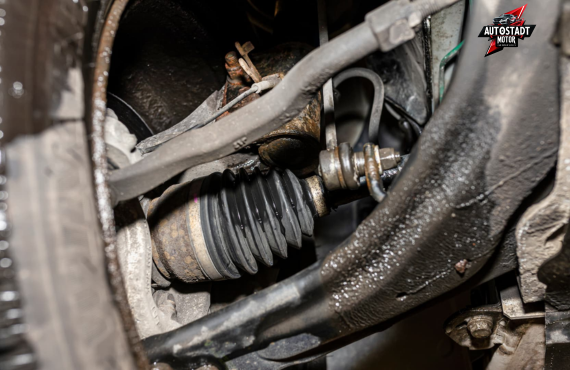
At AutoStadt Motor Services, we help Dubai car owners identify steering-related problems and determine the appropriate repair. Our approach focuses on accurate diagnosis, practical recommendations, and dependable workmanship. Whether you drive a Mazda 3, Mazda 6, Mazda CX-5, or another model, identifying the source of the problem is the first step towards restoring safe and comfortable steering.
If you notice fluid beneath your vehicle or a sudden change in steering performance, arranging a professional inspection can help prevent unnecessary damage and repair expenses.
Signs Your Car Needs Mazda Steering Oil Leak Repair
A steering fluid leak does not always produce an obvious warning at first. Nevertheless, several symptoms can indicate that your Mazda needs immediate attention.
1. Red or Amber Fluid Beneath the Vehicle
One of the most recognisable signs of a hydraulic power steering leak is a coloured fluid puddle beneath the front of the car. Depending on the fluid type and its age, the liquid may appear red, amber, pinkish, or brown.
However, colour alone cannot confirm that the fluid comes from the steering system. Engine oil, transmission fluid, and other automotive fluids may look similar. A technician should inspect the leak’s location, consistency, and surrounding components before identifying its source.
If you regularly notice fresh fluid beneath your Mazda, arrange a steering system inspection rather than simply cleaning the affected area.
2. Heavy or Stiff Steering
Does your Mazda steering wheel feel unusually heavy when parking or turning at low speeds? If your vehicle has hydraulic power steering, low fluid levels can reduce hydraulic assistance and make steering more difficult.
A leak may also allow air to enter the hydraulic system, affecting its performance. As a result, turning the wheel can require additional effort, particularly during manoeuvres in busy Dubai car parks or narrow residential streets.
Electric power steering systems can also develop steering problems, but they require a different diagnostic approach because they do not rely on hydraulic steering oil.
3. Whining or Groaning Noises
A whining noise when turning the steering wheel can indicate low power steering fluid, air in the hydraulic system, or a struggling steering pump. The sound may become more noticeable during parking or when turning the wheel at low speeds.
Nevertheless, similar noises can arise from other mechanical components. Therefore, replacing the pump without investigating the underlying cause may lead to unnecessary expenses.
At AutoStadt Motor Services, identifying the source of steering noise helps determine whether the vehicle needs fluid correction, leak repair, pump servicing, or another mechanical solution.
4. Frequently Falling Steering Fluid Levels
Hydraulic power steering systems are designed to operate with the correct fluid level. If you repeatedly need to top up the reservoir, there may be a leak in the system.
Possible causes include damaged hoses, loose connections, worn seals, a leaking steering rack, or a faulty pump. Simply adding more fluid does not resolve the underlying issue.
Continued fluid loss can reduce steering assistance and potentially damage components that depend on proper hydraulic lubrication. Consequently, recurring low fluid levels should always be investigated.
5. Fluid Around Steering Hoses or the Steering Rack
Another warning sign is wetness around hydraulic lines, hose connections, the steering pump, or the steering rack. Dust and road grime may stick to leaking fluid, creating a dirty or oily coating around the affected component.
A technician can inspect these areas to determine whether the leak comes from a loose connection, deteriorated hose, damaged seal, or another source.
Accurate identification is particularly important because a leaking hose may require a relatively straightforward replacement, whereas an internally leaking steering rack may involve more extensive work.
6. Delayed or Uneven Steering Response
If your Mazda feels inconsistent when turning, do not automatically assume that the problem is caused by steering fluid. Low hydraulic pressure, worn steering components, suspension faults, or electrical steering problems can produce similar symptoms.
For example, Mazda CX-5 owners may notice changes in steering feel caused by issues unrelated to hydraulic fluid, depending on the vehicle’s model year and steering configuration.
A professional diagnosis helps distinguish between these possibilities and prevents unnecessary replacement of serviceable parts.
Common Causes of Mazda Steering Oil Leaks
Understanding the possible causes of steering fluid loss helps vehicle owners make informed repair decisions.
Damaged Power Steering Hoses
Hydraulic hoses carry fluid between the reservoir, pump, and steering mechanism. Over time, rubber deterioration, pressure fluctuations, damaged fittings, and physical wear can cause leakage.
High temperatures in Dubai can place additional stress on ageing rubber components. If a hose becomes cracked, swollen, or damaged, replacement may be necessary.
Worn Steering Rack Seals
The steering rack converts steering wheel movement into the movement needed to turn the front wheels. In hydraulic systems, internal seals help retain pressurised fluid.
When these seals deteriorate, fluid may escape from the steering rack. Depending on the extent of the damage, the appropriate solution may involve professional repair or rack replacement.
Faulty Power Steering Pump
A hydraulic steering pump supplies the pressure needed for steering assistance. Worn seals, damaged connections, or internal wear can cause leaks and reduce system performance.
If the fluid level becomes too low, the pump may also produce whining noises or suffer additional damage. Early diagnosis can help establish whether the pump needs repair or replacement.
Loose Connections or Reservoir Problems
Fluid can escape through loose fittings, damaged reservoir connections, or a cracked reservoir. These problems should be checked before more expensive components are replaced.
A systematic inspection allows technicians to focus on the actual source rather than assuming that every steering oil leak requires a new steering rack.
Why Choose AutoStadt Motor Services for Mazda Steering Oil Leak Repair
Choosing a suitable garage is important when your vehicle develops steering problems. AutoStadt Motor Services provides automotive repair and maintenance services for drivers seeking a practical, professional approach to vehicle care in Dubai.
Accurate Leak Detection
The first priority is identifying where the fluid is escaping. Our diagnostic approach focuses on inspecting accessible hydraulic components, connections, hoses, the steering pump, and the steering rack where applicable.
This helps distinguish an actual steering fluid leak from an engine oil leak, transmission fluid leak, or another source of fluid beneath the vehicle.
Model-Specific Inspection
Mazda vehicles differ in their steering systems, component layouts, and service requirements. A Mazda 3 may have different diagnostic considerations from a Mazda 6 or Mazda CX-5, depending on its model year and configuration.
We recommend checking the vehicle’s specifications before selecting replacement parts or steering fluid. This helps ensure that the repair is appropriate for the particular vehicle.
Practical Repair Recommendations
Not every steering problem requires extensive repairs. A damaged hose or leaking connection may be repairable through targeted component replacement, while more substantial internal damage may require a different solution.
Our focus is on identifying the problem and explaining the available repair options. Vehicle owners should understand which components need attention and why the recommended work is necessary.
Attention to Dubai Driving Conditions
Dubai’s high temperatures, traffic congestion, and frequent parking manoeuvres can make steering reliability particularly important. A well-maintained steering system supports comfortable vehicle control and helps drivers manage everyday journeys.
Regular inspections can also help identify deteriorating hoses, fluid contamination, and developing leaks before they cause more extensive problems.
Service for Different Vehicle Brands
Although Mazda steering oil leak repair is the primary focus of this article, AutoStadt Motor Services also caters to the maintenance needs of owners of vehicles from brands such as Toyota, Nissan, BMW, and Mercedes-Benz.
Each vehicle requires the correct diagnostic procedures, suitable replacement components, and manufacturer-appropriate fluids. Our priority is to address the actual mechanical issue rather than apply a one-size-fits-all repair method.
How Our Mazda Steering Oil Leak Repair Process Works
A structured repair process helps ensure that the source of a leak is identified and the necessary work is completed correctly.
Step 1: Initial Vehicle Assessment
The process begins with a discussion of the symptoms you have noticed. These may include fluid beneath the vehicle, steering noise, a heavy steering wheel, or repeated fluid loss.
Information about when the symptoms occur can help narrow down the potential causes. For example, steering noise during parking may provide different diagnostic clues from fluid loss that occurs while the vehicle is stationary.
Step 2: Steering System Inspection
The technician examines the relevant steering components according to the vehicle’s design. For a hydraulic system, this may include the reservoir, pump, hoses, connections, steering rack, and accessible seals.
If the Mazda uses electric power steering, the inspection must follow the appropriate electrical and mechanical diagnostic procedures instead.
Step 3: Leak Source Identification
Once the affected area has been identified, the technician determines the likely cause of the fluid loss. Cleaning contaminated surfaces and reinspecting the system may help reveal the precise leakage point.
This step is important because fluid can travel along surrounding components, making the apparent location of a leak different from its actual source.
Step 4: Recommended Repair
The repair depends on the diagnosis. Possible solutions include replacing a damaged hydraulic hose, securing an appropriate connection, repairing a reservoir leak, servicing the steering pump, or addressing a leaking steering rack.
Replacement fluid must meet the vehicle manufacturer’s specifications. Mixing unsuitable fluids or using an incorrect product can cause compatibility problems and damage system components.
Step 5: Fluid Level and System Checks
After the necessary repair, the technician checks the fluid level where applicable and follows the manufacturer’s procedure for bleeding air from the hydraulic system.
The system is then inspected for further leakage. Steering operation and unusual noises should also be checked to determine whether the repair has addressed the reported symptoms.
Step 6: Final Inspection and Customer Guidance
Before returning the vehicle, the repair should be reviewed to confirm that the affected components have been addressed and the relevant checks have been completed.
AutoStadt Motor Services can help you understand the repair performed and discuss maintenance measures that may reduce the likelihood of similar problems developing again.
Preventing Future Mazda Steering Oil Leaks in Dubai
Preventive maintenance can help identify potential problems before they become more serious.
First, pay attention to changes in steering feel. A steering wheel that suddenly becomes heavier or produces unusual noises should not be ignored.
Second, arrange an inspection if you notice fluid beneath your vehicle. Avoid identifying a fluid solely by its colour, as several automotive fluids can appear similar.
Third, follow the maintenance schedule recommended for your specific Mazda model. Check hydraulic steering fluid only where applicable and use the correct fluid specified by the manufacturer.
Finally, avoid continuing to drive a vehicle with a significant steering fluid leak or rapidly worsening steering performance. If steering becomes difficult, assistance is lost, or a substantial leak is present, stop somewhere safe and arrange professional help.
Frequently Asked Questions About Mazda Steering Oil Leak Repair in Dubai
1. How much does Mazda steering oil leak repair cost in Dubai?
The cost depends on the location and severity of the leak, the vehicle’s model and year, replacement part requirements, and labour involved.
For example, replacing a damaged hydraulic hose may cost less than repairing or replacing a steering rack. A leaking pump or damaged reservoir can also involve different repair costs.
The best approach is to arrange an inspection at AutoStadt Motor Services and request a quotation based on the actual fault. This helps you understand the expected expenses before authorising the work.
2. Can I drive my Mazda with a steering oil leak?
Driving with a steering fluid leak is not recommended, particularly when the leak is substantial or the steering becomes heavy. Low hydraulic fluid can reduce steering assistance and potentially damage the steering pump.
If the steering response changes suddenly, the fluid level drops rapidly, or the vehicle becomes difficult to control, stop in a safe location and arrange recovery or professional assistance.
A minor-looking leak should also be inspected promptly because its severity cannot always be judged from the size of the puddle alone.
3. Why does my Mazda make a whining noise when I turn the steering wheel?
A whining noise may indicate low hydraulic steering fluid, air in the system, a worn pump, or another mechanical problem. However, the cause depends on the vehicle’s steering design and the circumstances in which the sound occurs.
Mazda models equipped with electric power steering do not use hydraulic steering oil, so the diagnostic approach is different.
A professional inspection can help identify the source of the noise and determine whether a leak, pump issue, electrical fault, or another component requires attention.
4. Does every Mazda model use power steering oil?
No. Many Mazda vehicles use electric power steering, which does not require hydraulic steering fluid. Other vehicles, particularly certain older models or specific configurations, may use hydraulic or electro-hydraulic systems.
Consequently, it is important to verify your Mazda’s model year, engine, and steering configuration before looking for a steering oil leak.
If your vehicle uses electric power steering, heavy steering or warning lights may indicate an electrical, sensor, motor, wiring, or mechanical issue rather than fluid loss.
5. How can I prevent Mazda steering oil leaks from returning?
The most effective preventive measure is to repair the underlying cause rather than repeatedly topping up the fluid. Damaged hoses, worn seals, leaking connections, and faulty pumps should be addressed according to the inspection findings.
You should also use only the specified steering fluid, follow the recommended maintenance schedule, and investigate unusual steering noises or changes in steering effort.
In Dubai, periodic inspections can be particularly useful for vehicles exposed to high temperatures and frequent traffic. AutoStadt Motor Services can help identify developing steering problems and recommend suitable maintenance for your Mazda.
Conclusion
Mazda steering oil leak repair is important for maintaining reliable steering performance and preventing avoidable damage to hydraulic components. Fluid beneath the vehicle, a heavy steering wheel, whining noises, and recurring low fluid levels are all reasons to arrange a professional inspection.
For Dubai car owners, identifying the exact source of the problem is essential because a leaking hose, damaged seal, faulty pump, and steering rack issue may require very different repairs. Furthermore, some Mazda models use electric power steering, making it necessary to confirm the vehicle’s steering configuration before diagnosing a suspected oil leak.
AutoStadt Motor Services can help assess steering-related concerns, identify the likely cause, and recommend appropriate repair solutions for your vehicle. If your Mazda is showing signs of a steering problem, arrange an inspection before the condition worsens. Timely attention can help protect steering components, improve driving confidence, and keep your vehicle ready for everyday journeys around Dubai.


Leave a Comment