
Mazda steering repair is essential when your vehicle becomes difficult to control, produces unusual noises while turning, or develops steering wheel vibrations. A properly functioning steering system helps you maintain control, navigate traffic confidently, and enjoy a comfortable driving experience. For Mazda owners in Dubai, regular steering inspections are particularly important because high temperatures, heavy traffic, and frequent stop-and-go driving can contribute to vehicle wear.
At AutoStadt Motor Services, we understand how important steering performance is for everyday driving. Whether you own a Mazda 3, Mazda 6, Mazda CX-5, or another model, our team can inspect steering-related concerns, identify potential faults, and recommend suitable repair solutions. Our approach focuses on accurate diagnosis, dependable workmanship, and clear communication so you can make informed decisions about your vehicle.
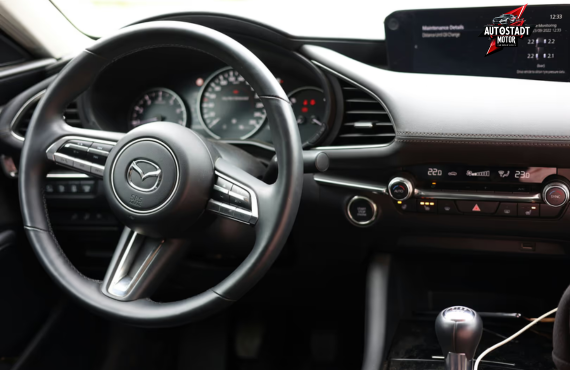
Furthermore, steering problems should never be ignored simply because the vehicle remains drivable. Small symptoms can indicate worn components, hydraulic fluid leaks, electrical faults, or suspension issues that may become more serious over time. Arranging professional Mazda steering repair at the right time can help protect other components and restore predictable handling.
Signs Your Car Needs Mazda Steering Repair
Steering problems can develop gradually or appear suddenly. Recognising the early warning signs helps you arrange an inspection before a minor fault affects vehicle safety or leads to more extensive repairs.
1. Heavy or Stiff Steering Wheel
If your Mazda steering wheel requires more effort than usual, the power steering system may not be operating correctly. Depending on the model, the cause could involve low hydraulic fluid, a leaking hose, a failing pump, an electrical power steering fault, or a problem with the steering rack.
Although some changes in steering effort can occur under particular driving conditions, persistent stiffness requires attention. Dubai drivers who frequently manoeuvre through parking areas or congested streets may notice this problem more clearly.
At AutoStadt Motor Services, a technician can assess steering effort, inspect relevant components, and determine whether adjustment, repair, or replacement is necessary.
2. Unusual Noises When Turning
Grinding, knocking, whining, or clicking sounds while turning can indicate a problem with the steering system or related suspension components. For example, a whining noise in a hydraulically assisted system may be associated with insufficient fluid or a struggling power steering pump.
However, not every turning noise originates from the steering rack. Worn suspension joints, damaged mounting components, and certain wheel or axle faults can produce similar symptoms.
A professional inspection helps identify the actual source rather than replacing parts unnecessarily. If your Mazda makes repeated noises during low-speed turns or parking manoeuvres, arrange an assessment promptly.
3. Steering Wheel Vibration
A vibrating steering wheel can make driving uncomfortable and reduce confidence at higher speeds. The cause may include unbalanced wheels, uneven tyre wear, damaged suspension components, wheel alignment problems, or looseness within the steering system.
For instance, if your Mazda CX-5 vibrates primarily at highway speeds, wheel balance and tyre condition may need to be checked alongside the steering components.
Our technicians assess the symptoms and inspect related systems before recommending Mazda steering repair. This approach helps distinguish steering faults from wheel, tyre, and suspension problems.
4. Excessive Steering Wheel Play
Steering wheel play occurs when the wheel moves more than expected before the front wheels respond. This delay can make the vehicle feel loose, less predictable, or difficult to position accurately.
Possible causes include worn steering linkage, loose joints, internal steering rack wear, or problems with other connecting components. Because excessive play can affect vehicle control, it should not be treated as a normal characteristic of an older vehicle.
AutoStadt Motor Services can inspect the steering linkage and associated components to establish whether a repair or replacement is required.
5. The Vehicle Pulls to One Side
If your Mazda consistently pulls left or right while driving on a reasonably level road, the problem may involve wheel alignment, tyre pressure, uneven tyre wear, brake drag, or suspension damage.
Steering-related faults can also contribute to poor directional control. Therefore, changing tyres or adjusting alignment without investigating other symptoms may not solve the underlying issue.
A comprehensive inspection can help determine why the vehicle is pulling and whether steering repairs, alignment adjustments, or additional maintenance are appropriate.
6. Power Steering Warning Light
Some Mazda models use electric power steering systems that monitor operation electronically. If the steering warning light appears on the dashboard, the vehicle may have detected an electrical or system-related fault.
Potential causes include sensor issues, wiring problems, control module faults, or other electrical power steering malfunctions. The exact cause depends on the model and the diagnostic information available.
A warning light should be investigated rather than cleared without identifying the fault. If steering assistance suddenly decreases, stop somewhere safe and arrange professional assistance instead of continuing to drive normally.
7. Steering Fluid Leaks
Mazda vehicles equipped with hydraulic power steering may develop leaks from hoses, seals, connections, or the steering rack. Signs can include fluid beneath the vehicle, reduced steering assistance, or unusual whining noises.
Not every Mazda uses hydraulic power steering, so the correct inspection procedure depends on the vehicle’s configuration. Electric systems do not use hydraulic steering fluid.
If your vehicle has a hydraulic system and you notice a leak, arrange an inspection promptly. Driving with insufficient fluid can damage the pump and increase repair costs.
Why Choose AutoStadt Motor Services for Mazda Steering Repair?
Choosing an experienced garage helps ensure that steering concerns are investigated correctly and repairs address the underlying cause. AutoStadt Motor Services provides a professional approach to Mazda steering repair for drivers across Dubai.
Accurate Steering System Diagnosis
Replacing steering parts without confirming the cause can increase expenses and leave the original problem unresolved. Our diagnostic approach begins with understanding your symptoms, checking the relevant components, and determining which systems require further investigation.
Depending on the vehicle, this may include checking steering response, examining mechanical linkages, inspecting hydraulic components, or scanning electronic systems for relevant fault codes.
The objective is to identify the likely source of the problem and recommend a repair based on the vehicle’s actual condition.
Experience With Different Vehicle Systems
Different vehicles use different steering designs and component arrangements. Mazda models may feature electric or hydraulic assistance depending on their model, year, and specification.
Similarly, a Toyota Corolla, Nissan Altima, BMW 3 Series, and Mercedes-Benz C-Class can have different diagnostic and repair requirements.
Understanding these differences matters because the correct repair procedure, replacement parts, and calibration requirements can vary significantly. AutoStadt Motor Services aims to match the inspection and repair process to the vehicle rather than relying on a one-size-fits-all solution.
Inspection of Related Components
Steering performance depends on more than the steering wheel itself. Suspension joints, tie rods, ball joints, tyres, wheel alignment, and mounting components can all influence handling.
Consequently, we recommend investigating related components when the symptoms indicate a possible connection. For example, a steering wheel that feels unstable may require checks of both steering linkage and suspension condition.
This broader assessment can help prevent unnecessary parts replacement and improve the overall reliability of the repair.
Clear Repair Recommendations
Before committing to major work, vehicle owners should understand what has been identified and why a particular repair is recommended.
Our service approach emphasises explaining the suspected fault, the necessary work, and any additional concerns discovered during inspection. Where replacement parts or further diagnostic testing are required, these needs should be discussed with you.
Repair costs depend on the Mazda model, component condition, parts availability, and labour involved. A vehicle inspection is the most reliable way to establish an appropriate estimate.
Support for Dubai Driving Conditions
Dubai’s climate and traffic conditions can place additional demands on vehicle maintenance. High ambient temperatures may affect under-bonnet operating conditions, while frequent manoeuvring and stop-and-go traffic can increase the use of steering assistance.
These factors do not automatically mean that your Mazda has a steering fault. Nevertheless, regular maintenance and prompt attention to unusual symptoms can help identify developing problems before they become more disruptive.
AutoStadt Motor Services helps Mazda owners address steering concerns with a focus on dependable operation and everyday driving confidence.
How Our Mazda Steering Repair Process Works
A structured repair process helps reduce guesswork, identify relevant faults, and ensure that completed work is checked before the vehicle returns to normal use.
Step 1: Initial Consultation and Symptom Assessment
The process begins with discussing the problem you have noticed. Our team may ask when the issue started, whether it occurs at low or high speeds, and whether you hear noises or see dashboard warnings.
Details such as stiffness during parking, vibration on highways, or difficulty maintaining a straight line can help narrow down the possible causes.
Providing accurate information about the symptoms helps guide the inspection.
Step 2: Steering System Inspection
The next step involves examining the relevant steering components. Depending on the vehicle and symptoms, this may include checking the steering rack, tie rods, joints, mounting points, hydraulic hoses, fluid condition, or electrical connections.
The technician may also inspect tyres and suspension components because faults in these areas can produce similar handling problems.
This stage helps determine whether the concern originates within the steering system or requires investigation elsewhere.
Step 3: Diagnostic Testing
When appropriate, diagnostic equipment may be used to check electronic power steering systems and retrieve fault codes. Mechanical checks remain important because not every steering problem produces an electronic warning.
The findings are considered together to establish the most likely cause. If additional testing is necessary, it should be completed before recommending major component replacement.
Step 4: Repair Plan and Estimate
After identifying the problem, the garage can explain the recommended repair and provide an estimate based on the work required.
Depending on the findings, the solution might involve repairing a leak, replacing a worn tie rod, addressing a faulty steering rack, resolving an electrical issue, or correcting related alignment problems.
The appropriate solution depends on the Mazda’s configuration and the condition of its components. Repair recommendations should be based on diagnosis rather than assumptions about a particular model.
Step 5: Professional Repair
Once the repair plan is approved, the required work can be carried out using suitable procedures and compatible parts.
Steering components are safety-critical, so correct installation, tightening procedures, and any manufacturer-required calibration are important. Some repairs may also require wheel alignment to restore the intended steering geometry.
Our focus is to address the identified fault while considering the performance of connected components.
Step 6: Final Checks and Roadworthiness Assessment
After the repair, the technician should verify that the affected components operate correctly. Depending on the work completed, checks may include steering response, component security, leak inspection, electronic fault verification, and wheel alignment.
A controlled road test may be appropriate when the vehicle is safe to drive and the repair procedure calls for it.
If any additional concern remains, it should be investigated before the vehicle is returned to regular use. These final checks help confirm that the repair has addressed the reported symptoms.
Frequently Asked Questions About Mazda Steering Repair in Dubai
1. How do I know if my Mazda needs steering repair?
Common warning signs include a stiff steering wheel, unusual turning noises, excessive steering play, steering wheel vibration, fluid leaks on hydraulic systems, or a steering warning light. You may also notice that the vehicle feels unstable or does not respond as expected when changing direction.
However, similar symptoms can originate from tyres, suspension components, brakes, or wheel alignment. A professional inspection at AutoStadt Motor Services can help determine the cause and identify the appropriate repair. If steering control becomes difficult or assistance fails suddenly, stop safely and arrange recovery rather than continuing to drive.
2. How much does Mazda steering repair cost in Dubai?
The cost depends on the Mazda model, the type of steering system, the affected component, and the extent of the damage. A minor repair, such as addressing a suitable connection or replacing a worn linkage component, may cost less than replacing a steering rack or diagnosing a complex electronic power steering fault.
Parts availability and any additional alignment or calibration requirements can also influence the final estimate. The best approach is to have the vehicle inspected and request a breakdown of the recommended work before authorising repairs. AutoStadt Motor Services can assess the problem and help you understand which repairs are necessary.
3. Can I drive my Mazda with a steering problem?
It depends on the symptoms, but steering problems should always be taken seriously. A minor issue may allow the vehicle to be moved cautiously to a nearby repair facility if it remains safe and fully controllable. However, sudden loss of steering assistance, severe stiffness, excessive play, loud mechanical noises, or an inability to maintain directional control can make driving dangerous.
If the steering becomes unpredictable, stop in a safe location and arrange roadside assistance or recovery. Do not attempt a normal journey simply because the vehicle still starts and moves. A professional assessment can establish whether it is safe to drive or should be transported to a garage.
4. Why does my Mazda steering wheel make a whining noise?
A whining sound during turning can be associated with low fluid, air in the hydraulic system, a leaking hose, or a failing power steering pump on vehicles equipped with hydraulic assistance. On other vehicles, the noise may have a different cause, including an electrical steering issue or a related mechanical component.
The sound alone is not enough to confirm which part has failed. A technician should identify the steering system fitted to your Mazda and inspect the relevant components. If the vehicle has hydraulic steering, avoid driving with a significant fluid leak or insufficient fluid because continued operation may damage the system.
5. How often should I have my Mazda steering system inspected?
There is no single inspection interval that applies to every Mazda model and year. Follow the maintenance schedule in your owner’s manual and arrange additional checks if you notice changes in steering effort, unusual noises, uneven tyre wear, or handling problems.
Steering and suspension components may also be inspected during routine servicing, particularly when the vehicle has experienced rough-road impacts or other events that could affect alignment or mechanical condition. For Dubai drivers, prompt attention to symptoms is more important than waiting for a scheduled service. AutoStadt Motor Services can advise on suitable checks based on your Mazda’s age, mileage, and condition.
Conclusion
Mazda steering repair is an important part of maintaining safe handling, predictable vehicle response, and driving comfort in Dubai. Whether you are experiencing a heavy steering wheel, unusual noises, vibration, excessive play, or an electronic warning, identifying the underlying cause is the first step towards a reliable solution.
Ignoring these symptoms may allow a minor fault to develop into a more expensive problem or compromise vehicle control. Therefore, professional diagnosis is preferable to replacing parts based on guesswork.
AutoStadt Motor Services offers a practical approach to Mazda steering repair, from initial inspection and fault diagnosis to appropriate repairs and final checks. Whether you drive a Mazda 3, Mazda 6, or Mazda CX-5, arrange an inspection when steering performance changes. Contact AutoStadt Motor Services to discuss your symptoms, request a repair estimate, and determine the next steps for keeping your vehicle’s steering system in proper working condition.


Leave a Comment