
Lotus ac compressor change is an important repair service when your vehicle’s air conditioning system can no longer deliver consistent cooling because of compressor failure. In Dubai, where temperatures remain extremely high for much of the year, a properly functioning AC system is essential for comfortable and safe driving. Whether you own a Lotus Elise, Exige, Evora or Emira, compressor problems can affect the entire cooling system and make everyday journeys uncomfortable.
The AC compressor is one of the most important components of an automotive air conditioning system. It circulates refrigerant through the system by compressing it and maintaining the pressure required for the cooling cycle. When the compressor becomes damaged, worn or inefficient, the AC may stop producing cold air, develop unusual noises or fail to operate correctly.
Dubai’s demanding driving conditions can place additional pressure on AC components. Continuous operation, high ambient temperatures, dust accumulation and inadequate maintenance may contribute to premature wear. Therefore, identifying compressor problems early can help prevent further damage to connected components.
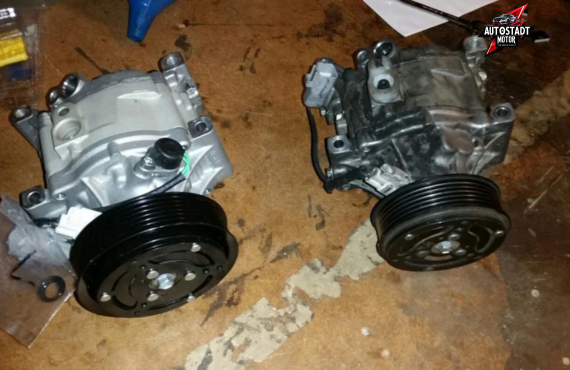
At AutoStadt Motor Services, we provide automotive air conditioning inspection, diagnostics and repair solutions for customers in Dubai. Our approach focuses on identifying compressor-related faults, assessing the condition of the cooling system and recommending suitable replacement solutions.
If your Lotus AC is blowing warm air, making unusual noises or repeatedly losing cooling performance, professional inspection can help determine whether a compressor replacement is necessary.
Signs Your Car Needs Lotus AC Compressor Change
An AC compressor rarely fails without showing warning signs. Recognising these symptoms early can help you arrange repairs before the problem affects other parts of the air conditioning system.
1. AC Blowing Warm Air Instead of Cold Air
One of the most noticeable signs of compressor failure is warm air coming from the AC vents.
When the compressor cannot circulate refrigerant properly, the cooling cycle becomes ineffective. Consequently, the cabin may remain warm even when the air conditioning is running at its maximum setting.
However, warm airflow does not always mean the compressor is damaged. Low refrigerant, electrical faults, pressure sensor problems and condenser issues can produce similar symptoms.
At AutoStadt Motor Services, we inspect the system to identify whether the compressor is responsible for the cooling problem.
2. Unusual Noises When the AC Is Switched On
Strange noises coming from the engine compartment when activating the AC can indicate compressor-related problems.
Common warning sounds include:
Grinding noises caused by internal mechanical wear.
Squealing sounds from a slipping or damaged drive belt.
Rattling caused by loose or worn components.
Clicking noises associated with compressor clutch engagement problems.
A damaged compressor bearing or internal component may create excessive noise during operation.
Although some sounds may appear minor, ignoring them can increase the possibility of additional mechanical damage.
3. AC Compressor Clutch Not Engaging
The compressor clutch helps connect the compressor to the engine-driven pulley when cooling is required, depending on the vehicle’s AC design.
If the clutch fails to engage, the compressor may not operate correctly.
Possible causes include a damaged clutch coil, faulty relay, electrical wiring problem, pressure switch malfunction or compressor-related failure.
Modern Lotus models may use different compressor control arrangements, so proper diagnosis is important before replacing any component.
4. AC Cooling Becomes Weak or Inconsistent
Another indication of compressor trouble is inconsistent cabin cooling.
Your Lotus may initially produce cold air, but the temperature gradually increases during driving. In other situations, the AC may cool effectively at certain engine speeds but perform poorly under different operating conditions.
Possible causes include reduced compressor efficiency, refrigerant pressure irregularities, cooling fan problems or control system faults.
A professional inspection can help determine whether the compressor is losing its ability to maintain the required refrigerant pressure.
5. Refrigerant Leakage Around the Compressor
The compressor contains seals and connections that help prevent refrigerant from escaping.
Over time, seals may deteriorate or connections may become damaged, resulting in refrigerant leakage.
You might notice oily residue around compressor connections or a gradual reduction in AC cooling performance.
Since refrigerant leakage can affect system operation, the source should be identified and repaired before recharging the AC.
6. AC System Frequently Shuts Down
If your air conditioning repeatedly switches off or stops cooling unexpectedly, the issue may involve compressor operation or the system’s protective controls.
Excessive pressure, insufficient refrigerant, overheating, faulty sensors and electrical problems can cause the system to shut down.
Replacing the compressor without checking these conditions may not solve the original problem. Proper diagnosis is therefore essential.
Why Choose AutoStadt Motor Services for Lotus AC Compressor Change?
Replacing an AC compressor requires technical knowledge and careful handling of the vehicle’s air conditioning system. Choosing an experienced automotive workshop can help ensure that the replacement process addresses the original problem rather than simply installing another component.
AutoStadt Motor Services focuses on providing practical automotive repair and maintenance solutions for Dubai car owners.
Professional AC Compressor Diagnosis
Before recommending a compressor change, it is important to confirm that the existing compressor is actually faulty.
Our technicians assess the cooling system and investigate possible mechanical, electrical and refrigerant-related problems.
Depending on the vehicle, the inspection may include:
Compressor operation and performance.
Compressor clutch and pulley condition, where applicable.
Refrigerant pressure readings.
AC electrical connections.
Compressor control signals.
Condenser and cooling fan operation.
Refrigerant pipes and connections.
Pressure sensors and related components.
This diagnostic approach helps identify the actual source of the problem.
Suitable Compressor Replacement Solutions
Different Lotus models may use different compressor specifications and air conditioning configurations.
Therefore, selecting a replacement compressor requires attention to compatibility, mounting arrangements, electrical connections and manufacturer specifications.
Our team considers the vehicle model and existing compressor requirements before recommending a suitable replacement.
Whether you drive a Lotus Elise, Exige, Evora or Emira, the replacement component should match the vehicle’s technical requirements.
Complete AC System Inspection
Compressor failure can sometimes affect other parts of the air conditioning system.
For example, if a compressor experiences internal mechanical failure, metal particles or contaminated lubricant may circulate through the refrigerant circuit.
Installing a new compressor without addressing contamination can create further problems.
At AutoStadt Motor Services, we consider the condition of connected components and recommend appropriate cleaning, inspection or replacement where necessary.
Experience With Different Vehicle Brands
Modern automotive air conditioning systems vary between manufacturers. Understanding different compressor designs, refrigerant systems and electronic controls is important when carrying out reliable repairs.
Our garage provides automotive repair solutions for various brands, including BMW, Mercedes-Benz, Porsche, Toyota and other vehicles.
This wider automotive experience supports a careful approach to diagnosing and maintaining premium cars.
Customer-Focused Repair Recommendations
We believe customers should understand why a particular repair is required.
Instead of recommending unnecessary component replacements, our approach focuses on explaining the identified fault and discussing suitable repair options.
This allows Lotus owners to make informed decisions about compressor replacement, AC servicing and related maintenance.
How Our Lotus AC Compressor Change Process Works
A successful compressor replacement involves more than removing an old unit and installing a new one. The complete AC system must be inspected to identify the original cause of failure and ensure that the replacement operates correctly.
At AutoStadt Motor Services, we follow a systematic repair approach.
Step 1: Initial Vehicle Inspection
The process begins with understanding the AC symptoms experienced by the vehicle owner.
Our technicians check whether the system produces warm air, makes unusual noises, loses cooling intermittently or fails to activate.
The vehicle’s AC controls and general operating conditions are also assessed.
This initial inspection helps narrow down the possible causes.
Step 2: AC System Diagnostic Testing
After the initial assessment, the technicians examine the compressor and other connected components.
This may involve checking refrigerant pressures, compressor engagement, electrical signals, cooling fan operation and system performance.
Where required, diagnostic equipment can help identify electronic faults and control-related problems.
The purpose is to confirm whether compressor replacement is necessary.
Step 3: Refrigerant Recovery and Safe Removal
Before removing the damaged compressor, refrigerant must be recovered using appropriate AC servicing equipment.
Releasing refrigerant directly into the atmosphere is not an acceptable servicing method.
Once the system has been safely prepared, the technicians disconnect the relevant electrical connections, refrigerant lines and mounting components.
The old compressor is then removed carefully to avoid damaging nearby components.
Step 4: Inspection for Contamination and Related Damage
This is an especially important stage of compressor replacement.
If the old compressor has suffered internal mechanical failure, its lubricant may contain metal particles or other contaminants.
These particles can circulate through the AC system and potentially damage the replacement compressor.
Therefore, the technicians assess the refrigerant circuit, inspect the oil condition and determine whether flushing or replacement of contaminated components is necessary.
The receiver-drier or accumulator and expansion device may also require inspection or replacement, depending on the vehicle design and manufacturer’s recommendations.
Step 5: Installing the Replacement AC Compressor
Once the system has been inspected and prepared, the suitable replacement compressor can be installed.
The installation process involves:
Checking compressor compatibility.
Inspecting mounting points.
Replacing required seals and O-rings.
Connecting refrigerant pipes correctly.
Checking electrical connections.
Following the specified compressor lubricant requirements.
Tightening mounting components according to specifications.
Correct installation is important for reliable compressor operation and long-term cooling performance.
Step 6: Vacuuming and Refrigerant Recharging
After installation, the system is evacuated using suitable equipment to remove air and moisture.
A vacuum-hold assessment can also help identify certain leakage problems.
The system is then recharged with the correct refrigerant type and specified quantity for the vehicle.
Both refrigerant quantity and compressor lubricant specifications must be followed carefully because incorrect servicing can affect cooling performance and component life.
Step 7: Final Performance Testing
The final stage involves operating the air conditioning system and checking its performance.
Our technicians assess:
AC vent temperature.
Refrigerant operating pressures.
Compressor operation.
Cooling fan performance.
Unusual noises or vibrations.
Refrigerant leakage.
Overall cooling consistency.
These checks help confirm that the replacement compressor is operating correctly and that the original cooling issue has been addressed.
Important Maintenance Tips After Lotus AC Compressor Change
After replacing the compressor, proper maintenance can help protect the new component and maintain efficient cooling.
Dubai’s hot climate makes preventive AC care particularly important.
Keep the condenser clean: Dust and debris can restrict airflow and reduce heat transfer. Periodic inspection and appropriate cleaning help maintain system efficiency.
Avoid ignoring refrigerant leaks: If cooling performance drops after replacement, arrange an inspection instead of repeatedly adding refrigerant.
Maintain the cabin air filter: A clean filter supports proper airflow and reduces dust entering the ventilation system.
Monitor unusual noises: Grinding, squealing or rattling sounds should be investigated promptly.
Follow recommended AC servicing intervals: Use the vehicle manufacturer’s maintenance guidance and arrange additional inspections when symptoms appear.
Use the correct refrigerant: Always ensure that the refrigerant type and quantity match the vehicle specifications.
These practices can help reduce unnecessary strain on the replacement compressor.
Frequently Asked Questions About Lotus AC Compressor Change in Dubai
1. How Do I Know If My Lotus AC Compressor Needs Replacement?
Several symptoms can indicate compressor failure, including warm air from AC vents, grinding noises, inconsistent cooling and compressor clutch problems.
However, these symptoms can also result from electrical faults, low refrigerant levels or damaged sensors.
A professional diagnosis is necessary to confirm whether the compressor itself is faulty. AutoStadt Motor Services can inspect the complete AC system and recommend the appropriate repair solution.
2. How Much Does Lotus AC Compressor Change Cost in Dubai?
The cost of Lotus AC compressor replacement depends on the vehicle model, compressor specifications, replacement part availability and the condition of other AC components.
For example, a compressor replacement involving additional system cleaning, seal replacement or condenser-related repairs may cost more than a straightforward replacement.
The most reliable way to obtain an accurate estimate is to have the vehicle inspected first. AutoStadt Motor Services can assess the condition of your AC system and explain the expected repair requirements.
3. Can I Drive My Lotus With a Damaged AC Compressor?
It depends on the type of compressor failure and the vehicle’s belt-drive configuration.
Some vehicles may continue operating with the AC switched off if the compressor pulley and belt arrangement remain safe. However, a seized compressor or damaged pulley can potentially affect the drive belt and other engine accessories.
Additionally, continuing to operate a noisy or mechanically damaged compressor may increase the risk of further damage.
It is best to arrange a professional inspection before continuing normal driving.
4. How Long Does It Take to Replace a Lotus AC Compressor?
The replacement time depends on the Lotus model, compressor accessibility, condition of the refrigerant circuit and whether additional repairs are required.
A straightforward compressor replacement may take less time than a repair involving contaminated refrigerant lines, condenser replacement or electrical troubleshooting.
The workshop must also allow sufficient time for refrigerant recovery, system preparation, vacuum testing, recharging and final performance checks.
AutoStadt Motor Services can provide a more realistic time estimate after inspecting your vehicle.
5. Should I Replace Other AC Components When Changing the Compressor?
Not every compressor replacement requires replacing the entire air conditioning system. However, certain connected components should be inspected carefully.
For instance, the receiver-drier or accumulator, expansion valve and refrigerant lines may require attention depending on the type of compressor failure.
If the old compressor has released metal particles into the system, appropriate cleaning and replacement of contaminated components become particularly important.
Replacing or servicing only the necessary components helps restore system performance while reducing the possibility of repeat failure.
Conclusion
A properly functioning AC compressor is essential for maintaining reliable cabin cooling in your Lotus, particularly when driving through Dubai’s extreme summer temperatures. Compressor failure can result in warm airflow, unusual mechanical noises, inconsistent cooling and refrigerant circulation problems.
However, successful compressor replacement requires more than installing a new component. Proper diagnosis, refrigerant recovery, contamination inspection, correct installation and final system testing all contribute to a dependable repair.
AutoStadt Motor Services provides automotive AC inspection, diagnostic and repair solutions to help Dubai car owners maintain their vehicles. Whether your Lotus requires compressor replacement, refrigerant leak detection, electrical troubleshooting or complete AC system inspection, identifying the actual problem is the first step towards restoring cooling performance.
If your Lotus AC compressor is showing signs of failure, contact AutoStadt Motor Services to arrange a professional inspection and discuss the appropriate replacement solution. Keep your vehicle comfortable, maintain its cooling efficiency and enjoy greater confidence on Dubai roads.


Leave a Comment