
Lincoln oil leak repair is essential for maintaining engine performance, protecting vital components and preventing expensive mechanical damage. Lincoln vehicles are designed to deliver a refined driving experience, combining powerful engines, advanced technology and premium comfort. However, like other luxury vehicles, they can develop engine oil leaks as seals, gaskets and other components experience wear over time. In Dubai, where high temperatures and demanding driving conditions can put additional pressure on engine components, identifying and repairing oil leaks promptly is particularly important.
An engine oil leak may initially appear as a few drops underneath your vehicle. Nevertheless, even a minor leak can gradually become a serious concern if left untreated. Low engine oil levels can increase friction, affect lubrication and potentially cause overheating or internal engine damage. Therefore, identifying the source of an oil leak early can help protect your Lincoln and maintain its reliability.
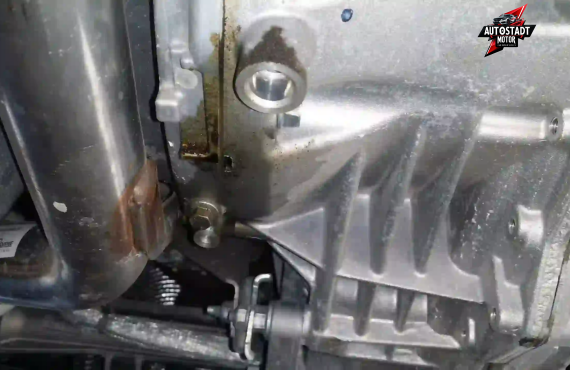
At AutoStadt Motor Services, we provide professional automotive inspection, maintenance and repair solutions for luxury and everyday vehicles in Dubai. Our approach to Lincoln oil leak repair focuses on identifying the actual source of leakage, inspecting affected engine components and recommending appropriate repair solutions.
Whether you drive a Lincoln Navigator, Aviator, Nautilus or Corsair, our team understands the importance of maintaining proper engine lubrication. From leaking valve cover gaskets to damaged oil seals and oil pan problems, professional attention can help keep your vehicle operating smoothly.
Signs Your Car Needs Lincoln Oil Leak Repair
Engine oil leaks do not always produce obvious symptoms immediately. Sometimes, the first indication is a small oil stain in your parking space. However, recognising the warning signs can help you arrange repairs before the problem becomes more serious.
1. Oil Spots Under Your Lincoln
One of the most noticeable signs of an engine oil leak is finding dark brown or black fluid underneath your parked vehicle.
Fresh engine oil may appear amber or golden, while older oil generally becomes darker as it circulates through the engine. If you repeatedly notice oily spots on your driveway or parking area, your Lincoln may have a leaking gasket, seal, oil pan or connection.
However, remember that not every fluid leak is engine oil. Transmission fluid, coolant and other automotive fluids can sometimes create similar stains. A professional inspection can identify the leaking fluid and its exact source.
2. Low Engine Oil Levels
If your Lincoln requires frequent engine oil top-ups between scheduled services, an external oil leak could be responsible.
Engine oil lubricates internal components, reduces friction and helps regulate operating temperatures. When oil escapes through damaged seals or gaskets, the engine may not receive the lubrication it needs.
Although some engines naturally consume small amounts of oil, an unexplained drop in oil level should never be ignored.
AutoStadt Motor Services can inspect the engine and investigate possible leakage points to determine why your vehicle is losing oil.
3. Burning Oil Smell
A burning oil smell inside or around your vehicle can indicate that leaking engine oil is reaching hot surfaces.
For example, oil escaping from a valve cover gasket may drip onto the exhaust manifold or nearby engine components. As the engine heats up, the oil burns and produces an unpleasant smell.
This symptom is particularly important because oil contacting extremely hot exhaust components can create a fire risk. If you notice smoke or a strong burning smell, stop driving when safe and arrange an inspection.
4. Smoke Coming From the Engine Area
Visible smoke from underneath the bonnet can indicate that engine oil is leaking onto hot components.
The smoke may become more noticeable after driving because engine temperatures increase during operation. In some situations, the leakage may originate from the valve cover, oil filter housing or other upper engine components.
Do not ignore repeated smoke from the engine compartment. Professional diagnosis can help identify the source and prevent further complications.
5. Engine Oil Warning Light
The engine oil pressure warning light is one of the most important indicators to monitor.
If the oil pressure warning appears while driving, it may indicate insufficient oil pressure or another lubrication-related problem. Continuing to operate the engine under low oil pressure can cause severe internal damage.
Pull over safely, switch off the engine and check the situation according to your vehicle’s owner’s manual. If the warning remains or the oil level is dangerously low, arrange professional assistance rather than continuing to drive.
6. Oil Accumulation Around Engine Components
Sometimes, oil leakage can be identified through visible wetness around the engine.
Common locations include:
- Valve cover gaskets.
- Oil pan gaskets.
- Crankshaft seals.
- Camshaft seals.
- Oil filter housings.
- Oil cooler connections.
- Oil pressure sensor fittings.
Oil accumulation around these areas may indicate worn seals, damaged gaskets or loose connections. However, the exact source should be confirmed before replacing any components.
7. Unusual Engine Performance
Although oil leakage does not always affect engine performance immediately, significant oil loss can eventually create mechanical problems.
Insufficient lubrication may increase friction between moving components and contribute to unusual engine noises, excessive heat or poor engine operation.
If your Lincoln develops unusual ticking, knocking or other mechanical sounds alongside oil loss, arrange an inspection as soon as possible.
Why Choose AutoStadt Motor Services for Lincoln Oil Leak Repair?
Selecting an experienced automotive workshop is important when dealing with engine oil leaks, particularly in luxury vehicles. Proper repairs require an understanding of engine construction, lubrication systems and the different sealing components used in modern vehicles.
AutoStadt Motor Services focuses on identifying mechanical problems and providing suitable repair solutions for vehicles driven in Dubai.
Experienced Automotive Technicians
Oil leak diagnosis requires careful inspection because oil can travel across engine surfaces before dripping onto the ground.
Consequently, the visible location of an oil stain does not always indicate the actual source of the problem.
Our technicians focus on examining the affected engine areas, identifying possible leakage points and determining which components require attention.
Whether the problem involves a valve cover gasket, crankshaft seal or oil pan gasket, accurate diagnosis is an important part of effective repair work.
Comprehensive Engine Oil Leak Inspection
A proper inspection should cover more than the most visible leaking area.
Depending on the symptoms, our assessment may include:
- Valve cover gasket condition.
- Oil pan and gasket inspection.
- Front and rear crankshaft seals.
- Camshaft seals.
- Oil filter housing.
- Oil cooler connections.
- Oil pressure sensor.
- Engine oil level and condition.
- Visible engine contamination.
- Related mechanical components.
This helps identify existing leaks and other conditions that could contribute to continued oil loss.
Repair Solutions for Luxury Vehicles
Different vehicles use different engine designs, sealing arrangements and maintenance procedures.
Our workshop handles various automotive brands, including Lincoln, BMW, Mercedes-Benz, Toyota and Nissan. This experience supports our approach to diagnosing and maintaining different engine configurations.
Whether you own a Lincoln Navigator, Aviator, Nautilus or Corsair, the recommended repair should always consider the vehicle’s specific engine and manufacturer requirements.
Quality Replacement Components
Gaskets and seals play an important role in preventing engine oil from escaping.
When these components become brittle, damaged or worn, replacing them with suitable parts is often necessary.
At AutoStadt Motor Services, replacement recommendations are based on the diagnosed fault and vehicle requirements. Using appropriate replacement components and following correct installation procedures helps support long-term sealing performance.
Transparent Repair Recommendations
Not every oil leak requires extensive engine work. In some cases, the problem may involve a relatively accessible gasket or loose connection.
However, more complicated leaks may require additional labour and component removal.
Our approach is to identify the problem, explain the required work and help customers understand their repair options before proceeding.
This allows Lincoln owners to make informed maintenance decisions without unnecessary component replacement.
How Our Lincoln Oil Leak Repair Process Works
A systematic repair procedure helps ensure that the actual leakage source is identified and addressed correctly.
At AutoStadt Motor Services, the Lincoln oil leak repair process focuses on inspection, diagnosis, suitable repairs and final verification.
Step 1: Initial Vehicle Inspection
The process begins with understanding the symptoms experienced by the vehicle owner.
Our technicians may ask when the leakage started, whether oil spots appear after parking, how frequently the engine requires oil top-ups and whether any warning lights have appeared.
We also inspect the visible condition of the engine compartment and check the current engine oil level.
This initial assessment provides useful information for further diagnosis.
Step 2: Identifying the Oil Leakage Source
After the preliminary inspection, the engine is examined to locate the source of the leak.
Accumulated oil and dirt can make diagnosis difficult because leaking oil may spread across nearby surfaces.
Depending on the condition, technicians may clean the affected area and use suitable leak-detection methods to identify the exact point of leakage.
Particular attention may be given to valve covers, oil pan joints, crankshaft seals, oil filter housings and other common leakage locations.
Step 3: Inspecting Damaged Gaskets and Seals
Once the suspected leakage area has been identified, the relevant gasket, seal or connection is examined.
Rubber seals can become hard or brittle with age and repeated exposure to engine heat. Similarly, gaskets may lose their ability to maintain a proper seal.
Technicians assess whether the component requires replacement, adjustment or another repair procedure.
This step helps prevent temporary fixes that fail to address the original problem.
Step 4: Professional Oil Leak Repair
The repair procedure depends on the component responsible for the leakage.
For example, a valve cover gasket replacement may require removing the relevant cover, cleaning the sealing surfaces and installing a suitable new gasket.
An oil pan leak may require different procedures, while crankshaft seal replacement can involve more extensive labour depending on its location.
At AutoStadt Motor Services, the repair approach is selected according to the diagnosed issue and the vehicle’s technical requirements.
Step 5: Engine Oil Inspection and Refill
After completing the necessary repair, the engine oil level and condition are checked.
If oil has been lost, the level must be restored using the correct oil specification recommended for the vehicle.
Where required, an engine oil and filter change may also be recommended based on the maintenance condition and service history.
Maintaining the correct oil level is essential for protecting engine components and supporting reliable lubrication.
Step 6: Final Leak Inspection and Testing
Completing the repair is not the final step. The affected area must also be checked to confirm that the leakage has been addressed.
Our technicians may inspect the repaired area with the engine operating and perform additional checks after the vehicle reaches its normal operating temperature.
The final inspection focuses on identifying fresh oil seepage, checking the oil level and confirming that the repair has resolved the reported issue.
Preventive Maintenance Tips to Avoid Lincoln Engine Oil Leaks
Although some oil leaks develop naturally as vehicles age, regular maintenance can help reduce the likelihood of unexpected problems.
Dubai’s hot climate and demanding driving conditions make engine maintenance particularly important.
Follow the recommended oil change schedule: Old or unsuitable engine oil can affect lubrication and contribute to additional engine stress. Always follow the manufacturer’s recommended oil specification and service intervals.
Inspect engine oil levels regularly: Checking the oil level according to the owner’s manual can help identify unusual oil loss before it becomes serious.
Pay attention to oil stains: Check your usual parking area for fresh oil spots. Early detection can make diagnosis and repair easier.
Avoid ignoring unusual smells: A burning oil smell may indicate leakage onto hot engine components. Arrange an inspection instead of masking the smell.
Use suitable replacement gaskets: When replacing damaged seals, ensure that the components meet the vehicle’s requirements.
Arrange periodic engine inspections: Regular professional maintenance helps identify worn seals, damaged hoses and other potential issues before they develop into larger problems.
Frequently Asked Questions About Lincoln Oil Leak Repair in Dubai
1. What Are the Most Common Causes of Oil Leaks in Lincoln Vehicles?
Lincoln vehicles can develop oil leaks due to ageing valve cover gaskets, worn crankshaft seals, damaged oil pan gaskets, leaking oil filter housings and loose oil connections.
Repeated exposure to high engine temperatures can gradually affect rubber seals and gasket materials. Additionally, improper installation during previous repairs may contribute to leakage.
The exact cause depends on the vehicle model, engine configuration, mileage and maintenance history. A professional inspection at AutoStadt Motor Services can help identify the source and determine the appropriate repair.
2. How Much Does Lincoln Oil Leak Repair Cost in Dubai?
The cost of Lincoln oil leak repair in Dubai depends on the location and severity of the leak, the affected component, replacement part availability and labour requirements.
For example, replacing an accessible valve cover gasket may involve less work than repairing a rear crankshaft seal that requires extensive component removal.
Additional expenses may apply if the engine has experienced oil starvation or related damage.
AutoStadt Motor Services can inspect your Lincoln, identify the leakage source and provide a repair estimate based on the actual condition of your vehicle.
3. Is It Safe to Drive My Lincoln With an Engine Oil Leak?
Driving with an engine oil leak is not always safe because the severity of the problem can vary significantly.
A minor seepage may not immediately affect engine operation, but a substantial leak can quickly reduce oil levels and cause serious lubrication problems.
If the oil pressure warning light appears, the engine makes unusual knocking sounds or oil is leaking heavily, stop the vehicle safely and switch off the engine.
It is better to arrange professional inspection rather than risk expensive engine damage.
4. How Can I Tell Whether My Lincoln Is Leaking Engine Oil or Coolant?
Engine oil and coolant have different characteristics, although identifying them visually is not always straightforward.
Engine oil is generally slippery and may appear amber, brown or black depending on its age and condition. Coolant is typically coloured and has a more watery consistency, although its colour varies according to the formulation.
Oil leaks generally occur around engine lubrication components, whereas coolant leaks may originate from hoses, the radiator, water pump or cooling system connections.
If you are unsure which fluid is leaking, AutoStadt Motor Services can inspect the vehicle and identify the fluid and its source.
5. Where Can I Get Professional Lincoln Oil Leak Repair in Dubai?
If you are looking for reliable Lincoln oil leak repair in Dubai, AutoStadt Motor Services provides automotive inspection, engine diagnostics and mechanical repair solutions.
Our technicians can investigate common leakage problems involving valve cover gaskets, oil pan seals, crankshaft seals, oil filter housings and other engine components.
Whether you drive a Lincoln Navigator, Aviator, Nautilus or Corsair, arranging an inspection can help identify potential problems and protect your engine.
Contact AutoStadt Motor Services to discuss your vehicle’s symptoms and arrange a professional engine oil leak assessment.
Conclusion
Engine oil leaks should never be treated as a minor inconvenience, particularly when maintaining a premium vehicle like a Lincoln. From worn gaskets and damaged seals to leaking oil connections, several mechanical issues can cause oil loss and affect long-term engine reliability.
Early diagnosis and appropriate repairs can help prevent lubrication problems, reduce unnecessary maintenance expenses and protect important engine components.
AutoStadt Motor Services is committed to providing professional automotive maintenance and repair solutions for Lincoln owners and other Dubai motorists. Our approach focuses on accurate oil leak diagnosis, suitable replacement components and careful inspection to help maintain dependable engine performance.
If you have noticed oil spots underneath your Lincoln, a burning oil smell, falling oil levels or visible engine leakage, do not delay professional attention. Contact AutoStadt Motor Services and arrange a Lincoln oil leak inspection to keep your vehicle properly maintained and ready for Dubai’s driving conditions.


Leave a Comment