
Lincoln radiator repair is essential for maintaining proper engine temperature, preventing overheating and protecting your vehicle from expensive mechanical damage. Lincoln vehicles are known for their luxurious interiors, powerful engines and advanced engineering. However, like every vehicle, they depend on an efficient cooling system to maintain reliable performance, particularly in Dubai’s demanding climate.
High outdoor temperatures, heavy traffic, extended idling and frequent stop-and-go driving can place additional pressure on a vehicle’s cooling system. When the radiator cannot dissipate heat effectively, engine temperatures may rise beyond their normal operating range. If this problem is ignored, it can eventually affect important engine components, including the cylinder head, head gasket and cooling passages.
Whether you drive a Lincoln Navigator, Aviator, Nautilus or Continental, maintaining the radiator in good condition is important for long-term vehicle reliability. A damaged radiator, coolant leak, blocked cooling passage or malfunctioning radiator fan can reduce cooling efficiency and increase the risk of overheating.
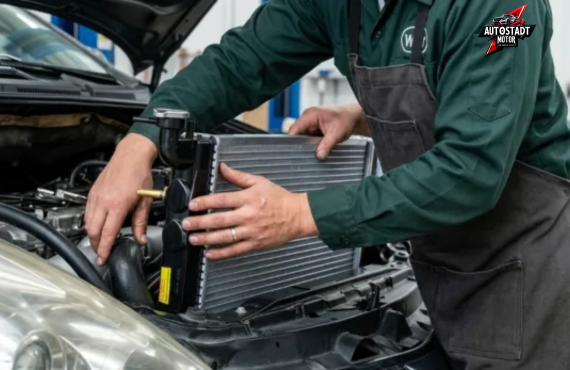
At AutoStadt Motor Services, we provide automotive inspection, cooling system diagnostics and repair solutions for vehicle owners in Dubai. Our approach focuses on identifying the actual cause of radiator problems and recommending appropriate repairs rather than relying on temporary fixes.
If your Lincoln shows signs of coolant leakage, rising engine temperature or frequent coolant loss, arranging a professional inspection can help prevent further damage and keep your vehicle operating efficiently.
Signs Your Car Needs Lincoln Radiator Repair
Radiator problems often develop gradually. Recognising early warning signs can help Lincoln owners address cooling system issues before they become serious mechanical concerns.
1. Engine Temperature Gauge Rising Above Normal
One of the clearest indicators that your vehicle may require Lincoln radiator repair is an unusually high engine temperature reading.
The radiator plays an important role in transferring heat away from the engine coolant. When its cooling efficiency decreases, engine temperatures can rise, particularly during extended driving or when travelling through heavy Dubai traffic.
Possible causes include:
- Internal radiator blockage.
- Damaged radiator fins.
- Low coolant levels.
- Malfunctioning radiator fans.
- Restricted coolant circulation.
- Faulty thermostat.
If the temperature gauge approaches the overheating zone, stop driving safely and switch off the engine. Never open the radiator cap while the cooling system is hot because pressurised coolant can cause serious burns.
2. Coolant Leaking Beneath Your Lincoln
Coolant leakage is another common reason for radiator inspection and repair.
You may notice green, orange, pink or another coloured fluid collecting underneath your parked vehicle, depending on the coolant formulation used.
Radiator leaks can develop because of corrosion, damaged plastic tanks, weakened joints, loose connections or physical damage.
However, not every coolant leak originates from the radiator. Damaged hoses, water pumps, thermostat housings and coolant reservoirs can produce similar symptoms.
At AutoStadt Motor Services, identifying the exact leakage location is an important part of the diagnostic process.
3. Frequent Coolant Level Reduction
If you regularly need to top up your Lincoln’s coolant reservoir, there may be an underlying cooling system problem.
A properly functioning cooling system should not continuously lose coolant during normal operation. Repeated coolant loss can indicate a leaking radiator, damaged hose, faulty pressure cap or another internal or external leak.
Ignoring this symptom may eventually cause the engine to overheat.
A professional cooling system inspection can help determine whether the problem requires radiator repair, hose replacement or additional mechanical attention.
4. Steam Coming From the Engine Compartment
Steam rising from underneath the bonnet is a warning sign that your engine may be overheating or coolant is escaping onto hot components.
This can happen when a radiator develops a significant leak or when a cooling system component fails under pressure.
If you notice steam, stop the vehicle in a safe location and turn off the engine. Avoid touching hot radiator components or attempting to remove the coolant reservoir cap.
Once the vehicle has cooled down, arrange a professional inspection to identify the source of the problem.
5. Rusty or Contaminated Coolant
Healthy coolant should have an appropriate appearance based on its formulation. If the fluid becomes unusually dark, rusty, cloudy or contaminated, the cooling system may require attention.
Corrosion and accumulated deposits can gradually restrict radiator passages and reduce heat transfer.
In addition, mixing incompatible coolant types can contribute to deposits and cooling system problems.
A technician can inspect the coolant condition and determine whether a coolant flush, radiator cleaning or component replacement is necessary.
6. Poor Cabin Heating Performance
Although the radiator primarily controls engine temperature, other cooling system components also influence cabin heating.
The heater core uses hot engine coolant to provide warm air inside the vehicle. If coolant circulation becomes restricted or coolant levels fall, heating performance may become inconsistent.
For example, a Lincoln Navigator that produces insufficient cabin heat alongside fluctuating engine temperatures may have an underlying coolant circulation issue.
This symptom requires a broader cooling system inspection rather than automatically assuming the radiator is faulty.
Why Choose AutoStadt Motor Services for Lincoln Radiator Repair?
Selecting a suitable garage is important when maintaining a premium vehicle. Lincoln models feature sophisticated engine designs and cooling arrangements that require careful inspection and appropriate repair procedures.
AutoStadt Motor Services focuses on providing practical automotive repair and maintenance solutions to help Dubai drivers maintain vehicle performance and reliability.
Professional Cooling System Inspection
Effective radiator repair begins with understanding how the complete cooling system operates.
Our inspection approach considers the radiator, coolant hoses, water pump, thermostat, cooling fans, reservoir and related components.
Rather than concentrating only on visible leakage, technicians assess other possible causes of overheating and coolant circulation problems.
This helps reduce the possibility of replacing a radiator when the actual issue originates elsewhere.
Suitable Repair Solutions for Lincoln Models
Different Lincoln models have different cooling system configurations and maintenance requirements.
For example, the Lincoln Navigator, Aviator, Corsair, Nautilus and Continental may require different diagnostic procedures depending on their engine and cooling system design.
Our team considers the vehicle’s specific requirements before recommending suitable repair or replacement options.
We also work with other premium and mainstream automotive brands, including BMW, Mercedes-Benz, Toyota and Nissan, providing experience across different vehicle cooling systems.
Accurate Radiator Leak Detection
Even a small coolant leak can eventually affect engine cooling performance.
A leak may originate from radiator seams, plastic end tanks, drain plugs, hose connections or other cooling system components.
Depending on the suspected fault, technicians may use visual inspection and appropriate cooling system pressure-testing procedures to identify leakage.
Finding the actual source helps ensure that the recommended repair addresses the underlying problem.
Radiator Repair and Replacement Recommendations
Not every damaged radiator needs immediate replacement. Some issues may be addressed through suitable repair procedures, depending on the radiator material, location and severity of damage.
However, extensive corrosion, structural damage or severe internal blockage may make replacement the more reliable option.
At AutoStadt Motor Services, repair recommendations are based on the radiator’s condition and the suitability of the available solution.
Transparent Repair Process
Vehicle owners should understand what is wrong with their car before approving mechanical work.
Our approach prioritises identifying the issue, explaining the recommended repair and discussing the components that require attention.
This helps Lincoln owners make informed maintenance decisions and avoid unnecessary replacement expenses.
How Our Lincoln Radiator Repair Process Works
A systematic repair procedure helps ensure that radiator problems are properly diagnosed and addressed.
At AutoStadt Motor Services, the process focuses on identifying the cause of the cooling problem, carrying out suitable repairs and checking the system before returning the vehicle.
Step 1: Initial Vehicle Assessment
The process begins with understanding the symptoms experienced by the vehicle owner.
Our technicians may ask whether the Lincoln has been overheating, losing coolant, producing steam or showing unusual temperature fluctuations.
We also consider when the problem occurs, such as during traffic, long-distance driving or while the vehicle is stationary.
This information helps narrow down the possible causes.
Step 2: Radiator and Cooling System Inspection
After the initial assessment, technicians inspect the radiator and connected cooling system components.
The inspection may include:
- Radiator core and cooling fins.
- Plastic radiator tanks and joints.
- Upper and lower radiator hoses.
- Coolant reservoir and pressure cap.
- Thermostat and housing.
- Water pump condition.
- Radiator cooling fans.
- Coolant condition and level.
- Visible signs of corrosion or leakage.
This examination helps determine whether the problem is isolated to the radiator or involves additional components.
Step 3: Cooling System Pressure Testing
Pressure testing is an important diagnostic method for identifying leaks that may not be visible during a basic inspection.
A suitable pressure tester is connected to the cooling system to check whether it maintains the specified pressure.
If pressure drops, technicians investigate possible leakage points, including radiator joints, hoses, connections and other components.
Testing should always follow the vehicle manufacturer’s specified pressure limits to avoid damaging the system.
Step 4: Radiator Repair or Replacement
Once the fault has been confirmed, the appropriate repair work can begin.
Depending on the condition of the radiator, this may involve repairing suitable connections, addressing external leakage or replacing a severely damaged radiator.
If the radiator is internally blocked or structurally deteriorated, replacement may provide a more dependable long-term solution.
The correct replacement part should match the vehicle’s specifications and cooling requirements.
Step 5: Coolant Flush and Refilling
When necessary, technicians may recommend draining old or contaminated coolant and flushing the cooling system.
A proper coolant flush can help remove accumulated deposits and contaminants that may affect circulation.
Afterwards, the system is refilled with the coolant type and mixture specified for the particular Lincoln model.
The correct bleeding procedure is also important because trapped air can interfere with coolant circulation and cause temperature fluctuations.
Step 6: Final Cooling System Testing
After completing the repair, technicians check the cooling system to confirm that it operates correctly.
This may involve checking coolant circulation, radiator fan operation, operating temperature, pressure retention and potential leakage.
The vehicle is also assessed to ensure that the original overheating or coolant leakage symptoms have been addressed.
This final inspection helps provide greater confidence in the completed radiator repair.
Essential Lincoln Radiator Maintenance Tips for Dubai Drivers
Dubai’s hot climate makes preventive cooling system maintenance particularly important. A few practical habits can help protect your Lincoln’s radiator and reduce the risk of unexpected overheating.
Check coolant levels regularly: Inspect the coolant reservoir when the engine is completely cold. Follow the manufacturer’s recommended coolant level.
Use the correct coolant: Always use coolant that meets your Lincoln model’s specifications. Avoid mixing incompatible coolant formulations.
Inspect radiator hoses: Look for cracks, swelling, loose connections or visible leakage around hose joints.
Keep the radiator clean: Dust, insects and road debris can accumulate on the radiator and restrict airflow. Arrange professional cleaning when necessary.
Monitor engine temperature: Pay attention to unusual temperature fluctuations, particularly during summer driving and heavy traffic.
Do not ignore coolant leaks: Even a minor leak can eventually result in coolant loss and overheating.
Follow scheduled maintenance: Regular cooling system inspections can help identify worn components before they cause major problems.
These preventive steps can help maintain dependable engine cooling and support the long-term reliability of your Lincoln.
Frequently Asked Questions About Lincoln Radiator Repair in Dubai
1. How Do I Know If My Lincoln Radiator Needs Repair?
Common warning signs include engine overheating, coolant leakage, frequent coolant level reduction, rusty coolant and steam coming from the engine compartment.
You may also notice temperature fluctuations while driving or an unusual coolant smell around the vehicle.
However, these symptoms can sometimes originate from other cooling system components, including the thermostat, water pump or radiator fan. A professional inspection at AutoStadt Motor Services can help identify the actual cause and determine whether radiator repair or replacement is required.
2. How Much Does Lincoln Radiator Repair Cost in Dubai?
The cost of Lincoln radiator repair in Dubai depends on the vehicle model, radiator condition, type of damage and availability of suitable replacement parts.
For example, repairing a minor external leak may involve different costs compared with replacing a damaged radiator assembly.
Additional work, such as coolant flushing, hose replacement, thermostat servicing or water pump replacement, can also influence the overall repair estimate.
AutoStadt Motor Services can inspect your vehicle and recommend an appropriate repair solution based on its actual condition.
3. Can I Drive My Lincoln With a Leaking Radiator?
Driving with a leaking radiator is not recommended because coolant loss can quickly lead to engine overheating.
Even a small leak can become more serious when the cooling system operates under pressure and high temperatures.
Continued driving with insufficient coolant may damage the engine, cylinder head or head gasket, potentially resulting in expensive repairs.
If you notice coolant leaking, stop driving when it is safe to do so and arrange professional assistance. Never open the radiator cap while the engine is hot.
4. Should I Repair or Replace My Lincoln Radiator?
The decision depends on the radiator’s material, age, condition and extent of damage.
Minor issues involving suitable connections or certain repairable areas may be addressed without replacing the complete radiator. However, severe corrosion, extensive leakage, structural damage or internal blockage may make replacement the better option.
A proper inspection is necessary before making this decision. AutoStadt Motor Services can assess the radiator and explain whether repair or replacement is more suitable for your Lincoln.
5. Where Can I Get Professional Lincoln Radiator Repair in Dubai?
If you are looking for professional Lincoln radiator repair in Dubai, AutoStadt Motor Services provides automotive cooling system inspection, radiator diagnostics and repair solutions.
Our technicians can investigate overheating, coolant leaks, radiator damage, blocked cooling passages and related cooling system problems.
Whether you own a Lincoln Navigator, Aviator, Nautilus or Continental, we aim to identify the underlying issue and recommend appropriate maintenance or repair work.
Contact AutoStadt Motor Services to discuss your vehicle’s cooling problem and arrange a professional inspection.
Conclusion
Maintaining an efficient cooling system is essential for protecting your Lincoln’s engine and ensuring dependable performance on Dubai roads. A damaged radiator, coolant leak, blocked passage or malfunctioning cooling fan can quickly affect engine temperature, particularly during the UAE’s hot summer months.
Recognising early warning signs and arranging timely Lincoln radiator repair can help prevent overheating, reduce the risk of serious engine damage and avoid unnecessary repair expenses.
AutoStadt Motor Services is committed to helping Dubai vehicle owners maintain their cars through professional automotive inspection, cooling system diagnostics and suitable repair solutions.
Whether your Lincoln is experiencing coolant leakage, rising engine temperatures or reduced cooling efficiency, our team can help identify the problem and recommend the right course of action.
Choose proper radiator maintenance and professional repair to keep your Lincoln’s cooling system operating reliably throughout the year.


Leave a Comment