
Lincoln coolant leak repair is essential when your vehicle starts losing coolant, develops engine temperature problems or shows signs of leakage around the cooling system. Lincoln vehicles are designed to deliver a comfortable driving experience, smooth performance and dependable engine operation. However, Dubai’s extreme temperatures and demanding driving conditions can put additional pressure on engine cooling components.
The cooling system plays a critical role in maintaining the correct engine operating temperature. It circulates coolant through the engine and radiator to absorb excess heat and prevent overheating. When a leak develops, coolant levels gradually decrease, reducing the system’s ability to control engine temperature. If the issue remains unresolved, it can lead to overheating, damaged engine components and expensive mechanical repairs.
Whether you own a Lincoln Navigator, Continental, Aviator or MKZ, maintaining the cooling system is important for protecting your vehicle’s performance and reliability.
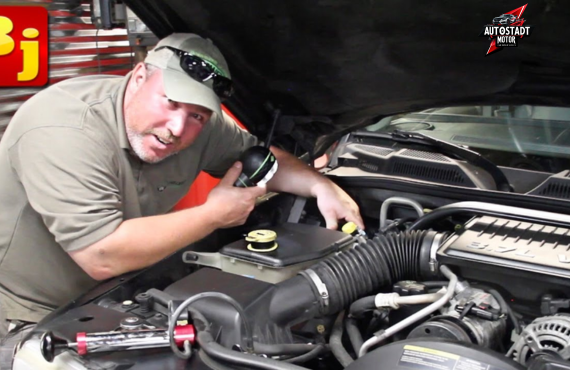
At AutoStadt Motor Services, we provide professional automotive inspection and repair solutions for drivers in Dubai. Our technicians focus on identifying coolant leaks, inspecting cooling system components and recommending suitable repair procedures. From damaged radiator hoses to leaking water pumps and coolant reservoirs, we aim to identify the source of the problem and restore dependable cooling performance.
If you notice coolant underneath your Lincoln, a low coolant warning on the dashboard or an unusual rise in engine temperature, arranging a professional inspection is a sensible step.
Signs Your Car Needs Lincoln Coolant Leak Repair
Coolant leaks can develop gradually or appear suddenly, depending on the condition of the cooling system. Recognising the early warning signs can help Lincoln owners prevent further engine damage.
1. Coolant Puddles Under Your Lincoln
One of the most noticeable symptoms of a coolant leak is liquid collecting underneath your parked vehicle.
Engine coolant is commonly available in different colours, including orange, pink, yellow, green and blue, depending on its formulation. However, colour alone cannot confirm that a liquid is coolant because other automotive fluids may have similar appearances.
You may notice wet areas around the front of the vehicle, underneath the radiator or near the engine compartment.
Possible leakage sources include:
Radiator cracks or damaged seams.
Loose or deteriorated coolant hoses.
Water pump seals.
Coolant reservoir damage.
Thermostat housing connections.
Radiator drain plugs and fittings.
A professional inspection can help identify the exact leakage point before the coolant loss affects engine temperature.
2. Frequent Low Coolant Warning
If your Lincoln repeatedly displays a low coolant warning, it may indicate that the cooling system is losing fluid.
Although a small change in coolant level can occur under certain maintenance conditions, repeatedly needing to top up the reservoir should not be considered normal.
Common causes include leaking hoses, damaged radiator connections, a faulty coolant expansion tank or water pump leakage.
AutoStadt Motor Services can inspect the cooling system, check the coolant reservoir and investigate possible leakage points.
3. Engine Overheating
Engine overheating is one of the most serious consequences of coolant loss.
When coolant levels become too low, the system may struggle to transfer heat away from the engine. As a result, the temperature gauge may rise above its normal operating range.
You might also notice a dashboard temperature warning or reduced engine performance.
Continuing to drive an overheating Lincoln can cause severe damage, including cylinder head distortion, head gasket failure and internal engine problems.
If the temperature warning appears, stop somewhere safe, switch off the engine and allow it to cool. Never open a hot radiator or pressurised coolant reservoir cap.
4. Sweet Smell Coming From the Engine Bay
Engine coolant often has a distinctive sweet smell. If you notice this odour around your Lincoln, it may indicate coolant escaping from a hose, radiator, water pump or another cooling system component.
Sometimes, coolant leaks onto hot engine surfaces and evaporates before reaching the ground. Therefore, the absence of a visible puddle does not necessarily mean the cooling system is leak-free.
A detailed inspection can help locate hidden leaks and prevent further coolant loss.
5. Steam Coming From Under the Bonnet
Steam escaping from the engine compartment can indicate coolant contacting hot engine components or being released from a pressurised cooling system.
This symptom should be treated seriously, particularly when accompanied by an overheating warning or a sudden decrease in coolant level.
Avoid opening the bonnet immediately if there is substantial steam or a risk of hot coolant escaping. Allow the vehicle to cool safely and arrange professional assistance.
6. Poor Cabin Heating Performance
Although Dubai drivers frequently depend on air conditioning, the vehicle’s heating system also relies on engine coolant.
Low coolant levels or air trapped inside the cooling system can interfere with the flow of hot coolant through the heater core.
Consequently, the cabin heater may produce inconsistent or insufficient warmth.
This symptom does not always indicate an external leak, but when combined with repeated coolant loss, it deserves attention.
7. Visible Coolant Deposits Around Engine Components
Sometimes, coolant leaks leave behind dried residue around hose connections, radiator joints, the water pump or the expansion tank.
These deposits may appear as coloured stains or crusty material.
Even if the leakage seems minor, repeated exposure to heat and pressure can make the affected component deteriorate further.
Early Lincoln coolant leak repair can help prevent a small problem from developing into a major cooling system failure.
Why Choose AutoStadt Motor Services for Lincoln Coolant Leak Repair?
Selecting an experienced garage is important when dealing with cooling system problems. Lincoln vehicles use interconnected cooling components that must operate correctly to maintain safe engine temperatures.
AutoStadt Motor Services focuses on providing practical automotive repair solutions for different vehicle brands and models in Dubai.
Professional Cooling System Inspection
A coolant leak is not always easy to identify through a visual examination. Some leaks occur only when the engine reaches operating temperature or when the cooling system is under pressure.
Our inspection approach focuses on checking the complete cooling system rather than concentrating on the first visible sign.
Depending on the vehicle’s condition, technicians may examine the radiator, coolant reservoir, hoses, water pump, thermostat housing and related connections.
This helps determine whether the problem involves a single component or multiple areas.
Accurate Coolant Leak Detection
Finding the actual leakage point is essential for completing a reliable repair.
A vehicle may lose coolant because of a damaged hose, loose connection, cracked reservoir or internal engine issue. Replacing an unrelated component will not solve the original problem.
At AutoStadt Motor Services, suitable diagnostic methods can be used to investigate suspected leaks and identify the source before recommending repair work.
Experience With Different Vehicle Brands
Our garage works with various automotive brands, including BMW, Mercedes-Benz, Toyota and Nissan.
This experience provides a broader understanding of different engine cooling arrangements, radiator systems and coolant circulation components.
Whether you drive a Lincoln Navigator, Aviator, Continental or MKZ, the objective is to identify the specific cooling system issue and recommend an appropriate solution.
Quality Replacement Components
Damaged cooling system components should be repaired or replaced using suitable parts that meet the vehicle’s requirements.
For example, using an incorrect radiator hose or unsuitable coolant specification may affect system reliability.
We focus on recommending appropriate replacement components based on the vehicle model, existing damage and manufacturer specifications.
Transparent Repair Recommendations
Not every coolant leak requires extensive mechanical work.
Sometimes, tightening a connection or replacing a deteriorated hose can resolve the issue. In other situations, the radiator, water pump or thermostat housing may need replacement.
Our approach is to identify the problem, explain the necessary work and help customers understand the recommended repair options before proceeding.
How Our Lincoln Coolant Leak Repair Process Works
A systematic repair procedure helps ensure that the source of coolant loss is properly identified and the cooling system is checked after the repair.
At AutoStadt Motor Services, the process focuses on diagnosis, suitable component repair and final performance testing.
Step 1: Initial Vehicle Assessment
The process begins with understanding the symptoms experienced by the Lincoln owner.
Our technicians may ask questions about:
How frequently the coolant level decreases.
Whether the engine temperature rises during driving.
Where coolant leakage has been noticed.
Whether warning lights appear on the dashboard.
Whether the vehicle has recently undergone cooling system repairs.
This information helps narrow down potential causes and guides the inspection.
Step 2: Cooling System Visual Inspection
The next step involves examining accessible cooling system components for visible damage or leakage.
Technicians may inspect the radiator, coolant expansion tank, connecting hoses, water pump area, thermostat housing and radiator connections.
They also look for dried coolant deposits, corrosion, damaged seals and loose connections.
If no external leakage is visible, further testing may be necessary.
Step 3: Cooling System Pressure Testing
Pressure testing is an effective method of investigating leaks that may not be visible during a normal inspection.
A suitable pressure-testing tool is connected to the cooling system to check whether it maintains the specified pressure.
If pressure drops, technicians investigate possible leakage points.
This procedure can help reveal problems involving radiator joints, hose connections, coolant reservoirs and other pressurised components.
The test should always be performed according to the vehicle manufacturer’s specified pressure limits.
Step 4: Component Repair or Replacement
Once the source of the leak has been identified, the appropriate repair can be recommended.
Depending on the diagnosis, the work may involve:
Replacing damaged radiator hoses.
Repairing or replacing the radiator.
Installing a new coolant reservoir.
Replacing faulty water pump components.
Repairing thermostat housing leakage.
Replacing damaged seals and connections.
Investigating possible internal coolant leakage.
The repair method depends on the component’s condition and whether a reliable repair is possible.
Step 5: Coolant Refilling and Air Bleeding
After completing the necessary repair, the cooling system must be refilled with the correct coolant specification.
Using the appropriate coolant is important because different vehicles require specific formulations and mixing ratios.
Additionally, trapped air can interfere with coolant circulation and cause temperature fluctuations.
Therefore, the system should be properly bled using the manufacturer’s recommended procedure.
Step 6: Final Cooling System Testing
The final stage involves checking the repaired system to confirm that it operates correctly.
Technicians may examine coolant circulation, operating temperature, cooling fan operation, pressure retention and possible signs of renewed leakage.
The coolant level is also checked according to the appropriate service procedure.
Once the inspection is complete, the vehicle can be returned with recommendations for future cooling system maintenance.
Important Cooling System Maintenance Tips for Lincoln Owners in Dubai
Preventive maintenance is particularly important in Dubai because high ambient temperatures can increase the workload on an engine’s cooling system.
Following a few basic practices can help reduce the risk of unexpected coolant leakage.
Check coolant levels regularly: Inspect the coolant reservoir when the engine is completely cool. Follow the manufacturer’s recommended level markings.
Use the correct coolant: Always use the coolant specification recommended for your particular Lincoln model. Avoid mixing incompatible coolant formulations.
Inspect radiator hoses: Look for cracks, swelling, softness or visible deterioration around hose connections.
Monitor engine temperature: Pay attention to unusual temperature changes and dashboard warnings. Never ignore repeated overheating symptoms.
Maintain the radiator: Dust and debris can restrict airflow through the radiator and affect heat dissipation. Professional cleaning may be necessary when contamination builds up.
Replace worn components: Old hoses, seals and reservoir connections can become brittle with age and heat exposure. Replace deteriorated components before they fail completely.
Follow scheduled servicing: Regular cooling system inspections can help identify developing problems and maintain reliable engine operation.
Frequently Asked Questions About Lincoln Coolant Leak Repair in Dubai
1. Why Is My Lincoln Losing Coolant but Not Overheating?
A Lincoln can lose coolant without immediately showing signs of overheating. This may happen when the leak is small or when the cooling system still contains enough coolant to maintain normal operating temperature.
Possible causes include minor radiator leaks, deteriorated hoses, loose connections, water pump seal problems or a damaged coolant reservoir.
However, normal temperature readings do not guarantee that the cooling system is healthy. Continued coolant loss should be investigated because the problem may become more serious over time.
AutoStadt Motor Services can inspect the system and help identify the source of coolant loss before it affects engine performance.
2. How Much Does Lincoln Coolant Leak Repair Cost in Dubai?
The cost depends on the location of the leak, the affected component, the Lincoln model and the replacement parts required.
For example, replacing a damaged radiator hose generally involves different labour and parts costs compared with replacing a radiator, water pump or thermostat housing.
Some leaks may also require additional diagnostic testing to identify hidden damage.
For an accurate estimate, it is advisable to have the cooling system inspected first. AutoStadt Motor Services can assess the vehicle and recommend suitable repair options based on the actual problem.
3. Can I Drive My Lincoln With a Coolant Leak?
Driving with a coolant leak is generally not recommended because even a minor leak can eventually result in insufficient coolant circulation and engine overheating.
The risk depends on the severity and location of the leakage. A sudden coolant loss can cause engine temperature to rise quickly.
If your Lincoln displays an overheating warning, produces steam or loses coolant rapidly, stop driving as soon as it is safe and switch off the engine.
Do not open the coolant reservoir while the engine is hot. Arrange professional assistance instead of continuing to drive.
4. What Are the Most Common Causes of Lincoln Coolant Leaks?
Common causes include damaged radiator hoses, worn water pump seals, cracked coolant reservoirs, radiator deterioration and faulty thermostat housing connections.
In older vehicles, rubber hoses and plastic cooling system components may become brittle because of repeated heating and cooling cycles.
Internal engine problems, including head gasket damage, can also cause coolant loss.
A professional cooling system pressure test and appropriate diagnostic checks can help distinguish between external leakage and possible internal coolant problems.
5. Where Can I Get Professional Lincoln Coolant Leak Repair in Dubai?
If you are looking for professional Lincoln coolant leak repair in Dubai, AutoStadt Motor Services provides automotive inspection, cooling system diagnostics and repair solutions.
Our technicians can investigate radiator leakage, damaged hoses, coolant reservoir problems, water pump faults and other cooling system concerns.
Whether you own a Lincoln Navigator, Continental, Aviator or MKZ, we aim to provide suitable repair recommendations based on your vehicle’s condition.
Contact AutoStadt Motor Services to discuss your cooling system problem and arrange a professional inspection.
Conclusion
A coolant leak should never be ignored, particularly when driving a premium vehicle such as a Lincoln in Dubai’s demanding climate. Even a small leak can gradually reduce coolant levels, affect engine temperature regulation and increase the risk of serious mechanical damage.
From radiator and hose leakage to water pump problems and damaged coolant reservoirs, identifying the actual cause is essential for achieving a reliable repair.
AutoStadt Motor Services helps Dubai car owners maintain their vehicles through professional automotive diagnostics, cooling system inspections and mechanical repair solutions.
If your Lincoln is losing coolant, showing temperature warnings or leaving visible fluid underneath the engine compartment, arrange an inspection before the problem becomes more expensive. Choose AutoStadt Motor Services for dependable Lincoln coolant leak repair and help protect your engine’s performance, reliability and long-term condition.


Leave a Comment