
Lotus radiator repair is essential for maintaining the engine’s temperature, performance and reliability, particularly when driving in Dubai’s demanding climate. High outdoor temperatures, heavy traffic and extended driving periods can place additional pressure on a vehicle’s cooling system. For Lotus owners, even a minor radiator problem can develop into a serious engine overheating issue if it is not addressed promptly.
The radiator plays a vital role in regulating engine temperature. It circulates coolant through its internal passages and transfers excess engine heat into the surrounding air. Alongside the water pump, thermostat, cooling fans, hoses and coolant reservoir, it helps maintain the temperature required for efficient engine operation.
Whether you own a Lotus Elise, Exige, Evora or Emira, keeping the cooling system in good condition is important for protecting your vehicle’s engine. A leaking radiator, damaged cooling fan or blocked radiator core can interrupt normal coolant circulation and reduce heat dissipation.
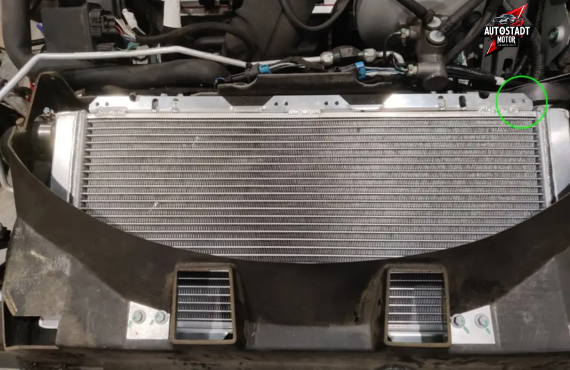
At AutoStadt Motor Services, we provide professional automotive repair and maintenance solutions for drivers in Dubai. Our approach to radiator repair focuses on identifying the source of cooling problems, inspecting related components and recommending appropriate solutions according to the vehicle’s condition.
If your Lotus is experiencing coolant loss, rising temperature readings or visible leakage, arranging a professional inspection can help prevent further complications and unnecessary repair expenses.
Signs Your Car Needs Lotus Radiator Repair
Radiator problems often develop gradually. However, recognising early warning signs can help Lotus owners address cooling system faults before they affect engine performance.
1. Engine Temperature Rising Above Normal
An unusually high engine temperature is one of the most important signs that your vehicle may require radiator repair.
If the temperature gauge frequently rises above its normal operating range, the cooling system may not be removing engine heat effectively.
Several problems can contribute to this condition, including:
Blocked radiator passages.
Insufficient coolant levels.
Damaged radiator fins.
Faulty cooling fans.
Malfunctioning thermostat.
Restricted coolant circulation.
In Dubai, overheating can become particularly concerning during summer traffic. If the temperature warning appears, stop driving safely, switch off the engine and allow it to cool. Never remove the radiator cap while the system is hot because pressurized coolant can cause serious burns.
AutoStadt Motor Services can inspect the cooling system to determine whether the radiator or another component is responsible for the temperature problem.
2. Coolant Leaking From the Radiator
Visible coolant leakage is another common reason for seeking Lotus radiator repair.
You may notice coloured liquid underneath the front section of your vehicle or around the radiator assembly. Depending on the coolant used, it may appear green, pink, orange or another colour.
Radiator leakage can develop because of:
Cracks in radiator tanks.
Damaged radiator connections.
Worn seals and gaskets.
Corrosion inside the radiator.
Loose or deteriorated coolant hoses.
Physical damage from road debris.
Even a small leak can gradually reduce coolant levels and affect the entire cooling system. Therefore, identifying the leakage source early is important.
3. Frequent Coolant Top-Ups
If you repeatedly need to add coolant, your vehicle may have an underlying cooling system problem.
Although coolant levels can occasionally require attention, regular coolant loss should never be considered normal.
Possible causes include radiator leakage, damaged hoses, reservoir cracks, water pump problems or internal engine leaks.
Simply adding more coolant does not resolve the underlying issue. A professional pressure test and cooling system inspection can help identify where the coolant is escaping.
4. Steam Coming From the Engine Compartment
Steam emerging from beneath the bonnet can indicate serious overheating or coolant leakage.
When coolant comes into contact with extremely hot engine components, it may produce visible vapour. A damaged radiator, leaking hose or malfunctioning pressure cap could contribute to this problem.
If you notice steam, stop the vehicle in a safe location and switch off the engine. Do not open the cooling system until it has completely cooled.
Continuing to drive an overheating Lotus can result in expensive engine damage, including cylinder head or head gasket problems.
5. Damaged or Blocked Radiator Fins
Radiator fins help transfer heat from the coolant into the surrounding air. When these fins become bent, clogged or damaged, heat dissipation may become less effective.
Dubai’s dusty environment and exposure to road debris can gradually affect the radiator’s external condition.
A restricted radiator surface may reduce airflow, especially when the vehicle is moving slowly or standing in traffic.
Professional radiator inspection and appropriate cleaning can help restore efficient airflow when the radiator core is still in suitable condition.
6. Unusual Coolant Temperature Fluctuations
If your Lotus engine temperature frequently moves up and down, there may be an issue with coolant circulation or temperature regulation.
Potential causes include a faulty thermostat, trapped air, malfunctioning cooling fans or restricted radiator passages.
Although the radiator may be responsible, replacing it without checking the complete cooling system could leave the original problem unresolved.
A detailed diagnosis is therefore recommended.
Why Choose AutoStadt Motor Services for Lotus Radiator Repair?
Selecting a suitable garage is important when maintaining a performance-focused vehicle. Lotus cars have specialised engineering, and their cooling systems require careful inspection to maintain dependable engine operation.
AutoStadt Motor Services focuses on providing practical automotive repair and maintenance solutions for customers in Dubai.
Professional Cooling System Inspection
Effective radiator repair begins with identifying the actual cause of the problem.
Our technicians assess the cooling system to investigate temperature irregularities, coolant leakage and circulation problems.
Depending on the symptoms, the inspection may include:
Radiator condition and external fins.
Radiator tanks and connecting points.
Coolant hoses and clamps.
Expansion tank and reservoir.
Water pump operation.
Thermostat performance.
Cooling fan operation.
Radiator pressure cap.
Coolant condition and level.
This systematic approach helps identify whether the radiator requires repair, cleaning or replacement.
Experience With Different Automotive Brands
Different vehicles have different cooling system configurations and maintenance requirements.
Alongside Lotus models, our automotive repair experience covers brands such as BMW, Mercedes-Benz, Porsche and Nissan.
This experience supports a practical understanding of different radiator designs, cooling arrangements and engine temperature management requirements.
Whether you drive a Lotus Elise, Exige, Evora or Emira, our team aims to recommend solutions that suit your vehicle’s specific requirements.
Accurate Radiator Leak Detection
A radiator leak may not always be visible during a basic inspection. Small cracks and damaged connections can sometimes release coolant only when the system becomes pressurised.
Depending on the suspected problem, technicians may use cooling system pressure testing and other suitable leak-detection methods.
Finding the exact leakage point helps determine whether a connection needs tightening, a hose requires replacement or the radiator itself needs attention.
Radiator Repair and Replacement Solutions
Not every radiator problem requires complete replacement.
For example, certain external connection issues may be resolved through appropriate component repairs. However, a severely damaged radiator core, cracked tank or extensive internal corrosion may make replacement the more reliable option.
At AutoStadt Motor Services, repair recommendations are based on the radiator’s actual condition and the suitability of the available repair options.
Focus on Preventing Engine Damage
The radiator is directly connected to engine temperature management. Therefore, resolving cooling problems quickly can help protect important engine components.
Our approach also considers related parts such as the water pump, thermostat, coolant reservoir and cooling fans.
By investigating the complete system, we aim to reduce the possibility of recurring overheating problems after radiator repairs.
How Our Lotus Radiator Repair Process Works
A structured repair process helps ensure that the radiator and associated cooling components receive the necessary attention.
At AutoStadt Motor Services, we follow a systematic approach to diagnosing and resolving radiator-related problems.
Step 1: Initial Vehicle Assessment
The process begins with understanding the symptoms experienced by the Lotus owner.
Our technicians may ask questions about engine overheating, coolant leakage, frequent coolant top-ups and temperature fluctuations.
We also assess the vehicle’s current condition and review any warning signs reported by the driver.
This initial information helps guide the inspection towards the most likely problem areas.
Step 2: Cooling System Diagnosis
After the initial assessment, technicians inspect the radiator and related components.
The inspection may include checking the radiator core, coolant hoses, expansion tank, water pump, thermostat and cooling fans.
If required, diagnostic equipment can help investigate temperature sensor readings and electronic cooling fan faults.
The objective is to establish whether the problem originates from the radiator or another part of the cooling system.
Step 3: Radiator Leak and Pressure Testing
If coolant leakage is suspected, an appropriate pressure test can help identify leaks in the radiator and connected components.
Technicians may inspect radiator seams, hose connections, pressure caps and reservoir fittings.
This step is important because a small leak may become more noticeable when the cooling system reaches its normal operating pressure.
Identifying the leakage point helps determine the most appropriate repair method.
Step 4: Radiator Cleaning, Repair or Replacement
Once the diagnosis is complete, the necessary repair work is recommended.
Depending on the radiator’s condition, this may involve:
Removing external dirt and debris.
Cleaning accessible radiator surfaces.
Addressing suitable connection or fitting problems.
Replacing damaged radiator hoses.
Repairing suitable radiator components.
Replacing a severely damaged radiator.
Where internal blockage is suspected, professional assessment is necessary to determine whether radiator flushing or replacement is appropriate.
The selected solution should support proper coolant circulation and effective heat transfer.
Step 5: Coolant Replacement and System Bleeding
After radiator repair or replacement, the cooling system may require fresh coolant and proper bleeding.
Air trapped inside the cooling system can interfere with coolant circulation and create temperature fluctuations.
The correct coolant specification and filling procedure are important because different Lotus models may have different manufacturer requirements.
Our technicians follow suitable servicing procedures to help ensure that the system is filled correctly and operates reliably.
Step 6: Final Testing and Quality Inspection
The final stage involves checking the cooling system after the repair work.
Depending on the repair, this may include:
Checking coolant levels.
Inspecting repaired connections.
Monitoring engine temperature.
Checking cooling fan operation.
Verifying coolant circulation.
Inspecting for visible leakage.
Confirming stable operating conditions.
This final assessment helps establish whether the reported radiator problem has been addressed.
Important Radiator Maintenance Tips for Lotus Owners in Dubai
Preventive maintenance is particularly valuable in Dubai, where high temperatures can place additional demands on vehicle cooling systems.
Consider the following practices to maintain your Lotus radiator:
Check coolant levels regularly: Inspect the coolant reservoir when the engine is completely cold. Follow the manufacturer’s recommended coolant level.
Use the correct coolant: Always use coolant that meets your specific Lotus model’s requirements. Avoid mixing incompatible coolant types.
Inspect radiator hoses: Look for cracks, swelling, leakage and deterioration around hose connections.
Keep radiator surfaces clean: Dust, insects and road debris can restrict airflow through the radiator and condenser.
Monitor engine temperature: Pay attention to unusual temperature increases, especially during heavy traffic or extended driving.
Address coolant leakage immediately: Frequent coolant loss should be investigated instead of repeatedly topping up the reservoir.
Schedule cooling system inspections: Regular professional checks can help identify corrosion, damaged connections and other developing problems.
These maintenance practices can help reduce cooling system failures and support long-term engine reliability.
Frequently Asked Questions About Lotus Radiator Repair in Dubai
1. Why Does My Lotus Keep Overheating in Dubai?
A Lotus may overheat because of a leaking radiator, blocked radiator passages, faulty cooling fans, a malfunctioning thermostat or insufficient coolant circulation.
Dubai’s high outdoor temperatures can increase the demand on the cooling system, particularly when driving in slow-moving traffic.
However, overheating should not automatically be blamed on the weather. A proper cooling system inspection is necessary to identify the actual fault.
AutoStadt Motor Services can inspect your radiator and related components to determine why your engine temperature is rising and recommend appropriate repairs.
2. How Much Does Lotus Radiator Repair Cost in Dubai?
The cost of Lotus radiator repair depends on the vehicle model, radiator condition, type of damage and availability of suitable replacement components.
Minor leakage-related repairs or hose replacements generally involve different work compared with replacing a complete radiator assembly.
Additional costs may apply if the water pump, thermostat, cooling fan or other connected components also require attention.
For an accurate estimate, AutoStadt Motor Services can inspect your vehicle, identify the problem and explain the recommended repair options before work begins.
3. Can I Drive My Lotus With a Leaking Radiator?
Driving with a leaking radiator is not recommended because coolant loss can quickly lead to engine overheating.
Even a relatively small leak may become more serious during longer journeys or in heavy traffic.
Insufficient coolant can affect temperature regulation and potentially cause severe engine damage.
If you notice coolant leaking beneath your Lotus or receive an engine temperature warning, stop safely and switch off the engine. Arrange professional assistance rather than continuing to drive an overheating vehicle.
4. Should I Repair or Replace My Lotus Radiator?
The decision depends on the type and extent of radiator damage.
If the problem involves a suitable connection, hose or minor repairable component, a targeted repair may be possible.
However, extensive corrosion, significant cracks, damaged radiator cores or repeated leakage may make complete radiator replacement a better long-term solution.
A professional inspection helps determine which option is appropriate for your Lotus model and its cooling system condition.
5. Where Can I Get Professional Lotus Radiator Repair in Dubai?
If you are searching for reliable Lotus radiator repair in Dubai, AutoStadt Motor Services offers automotive inspection, cooling system diagnostics and radiator repair solutions.
Our team can help investigate problems involving coolant leaks, radiator blockage, overheating, damaged hoses and related cooling components.
Whether you own a Lotus Elise, Exige, Evora or Emira, you can contact AutoStadt Motor Services to discuss your vehicle’s symptoms and arrange a professional inspection.
Conclusion
Maintaining a healthy radiator is essential for protecting your Lotus engine and ensuring reliable performance on Dubai roads. From coolant leakage and blocked radiator passages to damaged cooling fans and temperature fluctuations, radiator-related problems should never be ignored.
Because the radiator works alongside several other cooling system components, identifying the actual cause of overheating is important before carrying out repairs. A proper inspection can help prevent unnecessary replacements and reduce the risk of recurring cooling problems.
AutoStadt Motor Services provides automotive repair and maintenance solutions designed to help Dubai drivers maintain their vehicles in dependable condition. Our approach to Lotus radiator repair focuses on accurate diagnosis, suitable repair recommendations and careful cooling system testing.
If your Lotus is losing coolant, overheating or showing signs of radiator damage, contact AutoStadt Motor Services to arrange an inspection. Taking action early can help protect your engine, maintain cooling efficiency and keep your vehicle ready for Dubai’s challenging driving conditions.


Leave a Comment