
Lotus oil leak repair is essential for maintaining engine performance, preventing component damage and ensuring the long-term reliability of your sports car. Lotus vehicles are engineered for exceptional performance, responsive handling and precision driving. However, like other high-performance vehicles, they require proper maintenance to keep their engines operating efficiently. An engine oil leak should never be ignored, especially when driving in Dubai’s demanding climate.
High temperatures, extended driving periods and regular exposure to traffic conditions can place additional demands on engine components. Over time, engine seals, gaskets, oil hoses and connecting points may deteriorate, allowing engine oil to escape. Even a relatively small leak can become a serious problem if it remains unnoticed.
Whether you drive a Lotus Elise, Exige, Evora or Emira, maintaining the correct engine oil level is important for protecting internal engine components. Engine oil lubricates moving parts, reduces friction, controls heat and helps prevent premature wear. When oil escapes from the engine, these essential functions can be affected.
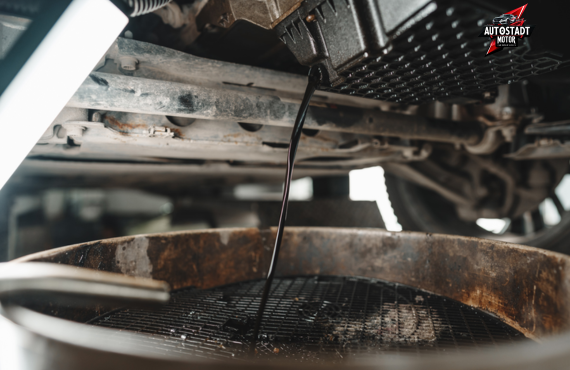
At AutoStadt Motor Services, we understand the importance of identifying engine oil leaks accurately. Our automotive technicians focus on inspecting potential leakage points, diagnosing the underlying problem and recommending appropriate repair solutions. From damaged valve cover gaskets to leaking oil seals and sump-related problems, our goal is to help Lotus owners maintain dependable engine performance.
If you notice oil spots underneath your vehicle, a burning oil smell or an unexpected drop in engine oil level, arranging a professional inspection is the right step.
Signs Your Car Needs Lotus Oil Leak Repair
Engine oil leaks do not always appear as large puddles underneath a vehicle. Sometimes, leakage starts gradually and remains hidden around engine components. Recognising the early warning signs can help prevent more expensive mechanical problems.
1. Oil Spots Underneath Your Lotus
One of the most noticeable signs of an engine oil leak is the appearance of dark brown or black fluid underneath your parked vehicle.
These spots may develop after driving or remain visible after the car has been stationary for several hours. The location of the oil can sometimes provide clues about the affected component, although professional inspection is necessary to confirm the source.
Oil may leak from the engine sump, oil filter housing, crankshaft seals or other connections.
If you regularly notice fresh oil marks on your parking surface, arrange Lotus oil leak repair before the problem becomes more serious.
2. Burning Oil Smell Inside or Around the Vehicle
A burning oil smell can indicate that engine oil is escaping and coming into contact with hot engine components.
For example, oil leaking from a valve cover gasket may drip onto the exhaust manifold or nearby heated surfaces. This can produce a noticeable burning smell, particularly after longer journeys.
In Dubai’s warm climate, engine compartments can already experience significant heat. Therefore, oil contacting hot components should be investigated promptly.
Ignoring this warning sign may increase the risk of smoke, further component contamination and, in severe circumstances, fire.
3. Low Engine Oil Level
If your Lotus requires frequent engine oil top-ups between scheduled services, an oil leak may be responsible.
Although some engines can consume a small amount of oil during normal operation, an unexpected or significant reduction should never be dismissed.
Low engine oil levels can reduce lubrication and increase friction between moving components. Continued driving with insufficient oil may result in excessive engine wear and serious mechanical damage.
At AutoStadt Motor Services, our technicians can inspect the engine for external leakage and help determine whether oil consumption or another mechanical issue is involved.
4. Engine Oil Warning Light Appears
The engine oil pressure warning light is an important indicator that should never be ignored.
If the warning light illuminates, it may indicate insufficient oil pressure, which can result from a low oil level, oil pump problems or other lubrication system faults.
An oil leak can contribute to low oil levels and potentially cause pressure-related problems.
If the oil pressure warning light remains illuminated, stop the vehicle safely and switch off the engine. Do not continue driving until the issue has been properly assessed.
5. Visible Oil Around Engine Components
Sometimes, oil leakage can be identified during routine inspection without any noticeable puddles underneath the vehicle.
You may observe oily deposits around the valve cover, engine block, oil filter, sump or gasket joints.
Accumulated oil and dirt can also create a thick, greasy layer around affected areas.
Professional engine cleaning and leak detection can help technicians distinguish fresh leakage from old oil residue and identify the actual source.
6. Smoke Coming From the Engine Area
Smoke emerging from the engine compartment may indicate that leaking oil is contacting hot components.
This symptom requires immediate attention, especially if accompanied by a burning smell.
Do not continue operating the vehicle if smoke is visible. Stop safely, switch off the engine and seek professional assistance.
Early diagnosis can help prevent additional damage to engine components and surrounding systems.
Why Choose AutoStadt Motor Services for Lotus Oil Leak Repair?
Selecting an experienced automotive repair garage is important when dealing with oil leakage in a performance vehicle. A proper repair requires more than cleaning visible oil or tightening random connections. Technicians must identify the original leakage point and understand why the problem developed.
AutoStadt Motor Services focuses on providing practical automotive inspection, maintenance and repair solutions for Dubai car owners.
Professional Engine Oil Leak Diagnosis
Different engine oil leaks can produce similar symptoms. For example, oil collecting underneath an engine may originate from a valve cover gasket, oil filter housing or sump gasket.
Our diagnostic approach focuses on examining the affected areas, checking oil residue and identifying the most likely source of leakage.
Depending on the condition of the engine, technicians may use cleaning, visual inspection and suitable leak-detection methods to confirm the problem.
Inspection of Essential Engine Components
An effective Lotus oil leak repair service should consider the entire engine lubrication system rather than concentrating on one visible area.
The inspection may include:
Valve cover gaskets and seals.
Oil pan and sump gaskets.
Crankshaft oil seals.
Camshaft seals.
Oil filter housing and connections.
Oil cooler lines and seals.
Engine oil pressure sensor.
Oil drain plug and washer.
Oil supply and return pipes.
Inspecting these components helps identify both active leakage and areas showing signs of deterioration.
Suitable Repair Recommendations
Not every oil leak requires extensive engine work. In some cases, replacing a damaged gasket or sealing washer may resolve the issue.
However, more complicated leakage may involve worn crankshaft seals, damaged oil pipes or oil filter housing problems.
Our technicians assess the condition of the affected components before recommending suitable repair or replacement procedures.
This approach helps customers avoid unnecessary repairs and make informed maintenance decisions.
Experience With Different Vehicle Brands
Understanding different engine designs and lubrication systems is important in automotive maintenance.
AutoStadt Motor Services works with various vehicle brands, including BMW, Mercedes-Benz, Porsche and Toyota, alongside premium sports vehicles.
Whether you own a Lotus Elise, Exige, Evora or Emira, proper inspection and suitable repair procedures are essential for maintaining engine reliability.
Focus on Long-Term Engine Protection
A successful oil leak repair should address the source of leakage rather than temporarily hide its symptoms.
Our priority is to help restore proper sealing, maintain appropriate engine oil levels and reduce the possibility of recurring problems.
We also encourage customers to follow suitable maintenance schedules and arrange periodic engine inspections.
How Our Lotus Oil Leak Repair Process Works
A systematic repair process helps ensure that engine oil leakage is identified correctly and addressed using suitable procedures.
At AutoStadt Motor Services, the repair process focuses on inspection, diagnosis, component assessment and final testing.
Step 1: Initial Vehicle Inspection
The process begins with understanding the symptoms experienced by the vehicle owner.
Our technicians may ask about oil spots, burning smells, warning lights, frequent oil top-ups or visible leakage around the engine.
We also consider when the problem occurs, whether the leakage appears after driving and whether the vehicle has recently undergone maintenance.
This information helps narrow down potential causes.
Step 2: Engine Oil Leak Detection
After the initial assessment, technicians inspect the engine compartment and accessible lubrication system components.
They examine areas around the valve cover, oil filter housing, sump, seals and oil connections.
If the source is difficult to identify, the engine may require appropriate cleaning followed by another inspection. Suitable leak-detection methods can also help locate hidden leakage.
The objective is to identify the original source rather than replacing components based on assumptions.
Step 3: Identify the Cause of Leakage
Once the suspected area has been identified, the technicians assess the condition of the affected component.
Common causes include:
Hardened or damaged rubber seals.
Worn engine gaskets.
Loose or damaged oil connections.
Incorrectly installed oil filters.
Damaged drain plug washers.
Excessive crankcase pressure.
Worn crankshaft or camshaft seals.
Identifying the underlying cause is important because simply replacing a gasket may not resolve leakage caused by excessive internal pressure or another mechanical fault.
Step 4: Engine Oil Leak Repair
After confirming the problem, suitable repair work is recommended.
Depending on the diagnosis, this may involve valve cover gasket replacement, oil sump gasket replacement, crankshaft seal replacement, oil filter housing repair or replacement of damaged oil lines.
Technicians must follow suitable installation procedures and use compatible replacement components.
Proper surface preparation, correct tightening procedures and appropriate sealing methods are important for achieving a dependable repair.
Step 5: Engine Oil Replacement and Level Check
Certain oil leak repairs require draining and replacing engine oil.
After completing the necessary work, the engine should be filled with the oil grade and specification recommended for the particular Lotus model.
Technicians also check the oil filter, drain plug and relevant connections to ensure that they are properly installed.
Maintaining the correct oil level is essential for reliable lubrication and engine protection.
Step 6: Final Inspection and Leakage Testing
The final stage involves checking the repaired area for signs of continued leakage.
Depending on the repair, technicians may run the engine and inspect the relevant components under operating conditions.
They also check the engine oil level and confirm that the affected area remains free from fresh leakage.
This final inspection helps ensure that the original problem has been addressed before the vehicle is returned to the customer.
Common Causes of Engine Oil Leaks in Lotus Vehicles
Understanding why oil leaks develop can help Lotus owners make better maintenance decisions.
Worn Valve Cover Gaskets
Valve cover gaskets prevent oil from escaping around the upper section of the engine. Over time, heat exposure and ageing can cause these gaskets to become brittle or lose their sealing ability.
Replacing a damaged valve cover gasket can help stop oil from leaking onto nearby engine components.
Damaged Crankshaft Seals
Crankshaft seals prevent engine oil from escaping around the rotating crankshaft. When these seals become worn or damaged, oil may leak from the front or rear of the engine.
Depending on the location, accessing these seals may require additional mechanical work.
Oil Sump Gasket Problems
The oil sump stores engine oil and is connected to the lower section of the engine. A damaged sump gasket, loose fasteners or physical damage can cause oil to leak from underneath the vehicle.
A proper inspection helps determine whether the gasket, sealing surface or sump itself requires attention.
Oil Filter Housing Leakage
The oil filter housing and its seals maintain proper oil circulation through the lubrication system.
If the housing becomes damaged or its sealing components deteriorate, oil can escape around the filter assembly.
Regular maintenance and correct filter installation can help reduce the risk of related problems.
Frequently Asked Questions About Lotus Oil Leak Repair in Dubai
1. Why Is My Lotus Leaking Engine Oil?
A Lotus may develop an engine oil leak because of worn gaskets, damaged seals, loose oil connections or deterioration of oil pipes.
Common leakage points include the valve cover gasket, oil sump, crankshaft seals and oil filter housing.
In some cases, excessive crankcase pressure can also contribute to oil leakage.
The exact cause depends on the engine design and the location of the leak. AutoStadt Motor Services can inspect your vehicle, identify the affected component and recommend an appropriate repair.
2. Is It Safe to Drive a Lotus With an Oil Leak?
Driving with an oil leak is not always safe because the severity of the problem can vary significantly.
A minor external leak may not immediately affect engine operation, but a larger leak can cause the oil level to drop quickly.
If engine oil pressure becomes insufficient, internal engine components may experience excessive friction and potentially severe damage.
If you notice an oil pressure warning light, significant oil loss or smoke from the engine area, stop driving and arrange professional assistance. Do not assume that topping up the oil makes every leak safe to ignore.
3. How Much Does Lotus Oil Leak Repair Cost in Dubai?
The cost of Lotus oil leak repair in Dubai depends on the affected component, labour requirements, replacement parts and overall engine condition.
For example, replacing a valve cover gasket may involve different labour and parts costs compared with repairing a rear crankshaft seal.
The Lotus model and accessibility of the affected area can also influence the final estimate.
AutoStadt Motor Services can inspect your vehicle and provide a more accurate repair recommendation based on the actual leakage source.
4. Can a Small Engine Oil Leak Cause Serious Damage?
Yes. Even a small oil leak can become a serious problem if it continues for an extended period.
Gradual oil loss may eventually reduce the engine oil level below the recommended range. This can affect lubrication, increase friction and contribute to excessive engine wear.
Additionally, leaking oil may accumulate around electrical components or contact hot engine and exhaust surfaces.
Therefore, it is better to investigate small leaks early rather than waiting until the vehicle develops noticeable performance problems.
5. Where Can I Get Reliable Lotus Oil Leak Repair in Dubai?
If you are looking for professional Lotus oil leak repair in Dubai, AutoStadt Motor Services offers automotive inspection, engine leak diagnosis and suitable repair solutions.
Our technicians can inspect common leakage points, including valve cover gaskets, crankshaft seals, oil filter housings and sump connections.
Whether you own a Lotus Elise, Exige, Evora or Emira, arranging an inspection can help protect your engine and reduce the risk of further oil-related damage.
Contact AutoStadt Motor Services to discuss your vehicle’s symptoms and arrange the necessary inspection.
Conclusion
Engine oil leakage is a problem that should never be overlooked, particularly in high-performance vehicles such as Lotus. From damaged gaskets and worn seals to oil filter housing problems and leaking connections, several issues can cause engine oil to escape.
Timely Lotus oil leak repair helps maintain proper lubrication, protect important engine components and reduce the possibility of expensive mechanical damage. Furthermore, identifying the original source of leakage is essential for achieving a reliable and lasting repair.
AutoStadt Motor Services provides automotive inspection, maintenance and repair solutions to help Dubai car owners maintain their vehicles in excellent condition.
If your Lotus is leaving oil spots underneath, producing a burning smell or showing an unexpected drop in engine oil level, do not delay professional inspection. Choose the right diagnosis and suitable repair solution to protect your engine and enjoy greater confidence on Dubai roads.


Leave a Comment