
Mini Cooper coolant leak repair is an important service for owners who notice coolant loss, overheating, warning lights, or unusual smells around the engine bay. A cooling-system problem may begin with a small leak from a hose, reservoir, radiator, water pump, or connection, but ignoring it can eventually affect engine temperature and reliability.
Mini Cooper models have compact engine compartments and sophisticated cooling systems, which means identifying the exact source of a coolant leak requires careful inspection rather than simply topping up the coolant. In Dubai, where vehicles regularly operate in demanding traffic and high ambient temperatures, maintaining the correct coolant level and system condition is especially important.
At AutoStadt Motor Services, our technicians inspect the cooling system to determine where coolant is escaping and why the problem developed. Depending on the vehicle and diagnosis, the repair may involve replacing a damaged coolant hose, expansion tank, radiator component, thermostat housing, water pump, gasket, or another cooling-system part.
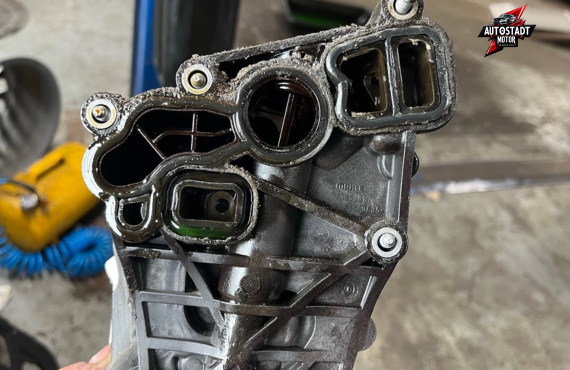
A proper repair should address the source of the leak rather than temporarily masking the symptoms. This approach helps Mini Cooper owners maintain dependable engine cooling and reduce the risk of more serious mechanical problems.
Signs Your Car Needs Mini Cooper Coolant Leak Repair
A coolant leak does not always appear as a large puddle underneath the vehicle. In many cases, the earliest symptoms are subtle. Recognizing them early can help prevent a minor cooling-system fault from becoming an expensive repair.
Low Coolant Level
If the coolant reservoir repeatedly requires topping up, there is a good chance that coolant is escaping somewhere in the system. While a small level change can occur after certain maintenance work, continuous coolant loss should be investigated.
Mini Cooper owners should avoid treating frequent coolant top-ups as normal maintenance. A healthy cooling system should retain its coolant under normal operating conditions.
Coolant Warning Light
A dashboard warning related to coolant level or engine temperature should not be ignored. The warning may indicate that the coolant has dropped below the required level or that the engine is beginning to run hotter than expected.
Continuing to drive while the engine is overheating can cause significantly greater damage, so the vehicle should be inspected as soon as practical.
Sweet Smell Around the Engine
Coolant often has a distinctive sweet smell. If you notice this odor after driving or after parking the Mini Cooper, it may indicate that coolant is leaking onto a warm engine component or escaping from a connection.
The smell can sometimes be noticeable before a visible leak develops, making it a useful early warning sign.
Visible Coolant Under the Vehicle
A colored or watery fluid beneath the front or central area of the vehicle can indicate a cooling-system leak. However, identifying a fluid by appearance alone is not always reliable because different fluids can look similar.
Our technicians can inspect the suspected area and determine whether the fluid is coolant, condensation, oil, or another substance.
Engine Temperature Rising
An abnormal increase in engine temperature is one of the most important signs of a cooling-system problem. A leak can reduce coolant circulation and eventually prevent the engine from maintaining its normal operating temperature.
If the temperature gauge rises unusually high or an overheating warning appears, continuing to drive can put the engine at unnecessary risk.
Dampness Around Hoses or Connections
Coolant hoses, clamps, plastic connections, and housings can develop leaks over time. A damp or crusty area around a connection may indicate that coolant has been escaping gradually.
Because some leaks only appear when the cooling system becomes pressurized, a simple visual inspection may not always locate the problem.
Common Causes of Coolant Leaks in Mini Cooper Models
Mini Cooper coolant leaks can develop for several different reasons. The exact cause depends on the model, engine, age, mileage, and previous maintenance history.
Aging Coolant Hoses
Rubber hoses are exposed to heat and pressure throughout their service life. Eventually, they can become brittle, cracked, swollen, or weakened around their connection points.
Replacing a deteriorated hose before it fails completely can help prevent sudden coolant loss.
Expansion Tank or Reservoir Problems
The coolant expansion tank and its connections are important parts of the cooling system. Cracks, damaged fittings, or a faulty cap can result in coolant escaping.
A reservoir may appear acceptable from the outside while developing a pressure-related leak, so proper testing is useful when coolant loss cannot be explained visually.
Water Pump Issues
The water pump circulates coolant through the engine and cooling system. Depending on the Mini Cooper model and engine configuration, water pump wear or seal failure can contribute to coolant leakage or poor coolant circulation.
If a water pump problem is suspected, technicians should assess both leakage and circulation rather than replacing parts without diagnosis.
Thermostat Housing or Related Components
Thermostat assemblies and their surrounding housings can develop leaks or fail to regulate coolant flow correctly. A problem in this area may be accompanied by temperature fluctuations, coolant loss, or overheating.
Radiator Leaks
The radiator transfers heat from the coolant to the surrounding air. Damage, corrosion, cracked fittings, or aging seals can eventually create a leak.
A radiator problem should be repaired according to the vehicle’s specific configuration rather than relying on generic replacement procedures.
Why Choose AutoStadt Motor Services for Mini Cooper Coolant Leak Repair
Choosing the right workshop matters because a coolant leak is not always caused by the most obvious component. Replacing one part without identifying the actual source can leave the underlying problem unresolved.
Proper Leak Diagnosis
At AutoStadt Motor Services, the first priority is identifying where coolant is escaping. Technicians inspect hoses, connections, the expansion tank, radiator, thermostat-related components, water pump area, and other relevant parts.
Where appropriate, pressure testing can help reveal leaks that are difficult to see during a basic inspection.
Mini Cooper-Focused Attention
Mini Cooper vehicles require attention to model-specific components and cooling-system layouts. A technician familiar with European vehicles can approach the inspection with greater awareness of common component locations and service requirements.
The same diagnostic approach should not simply be copied from a Toyota, Nissan, or Mercedes-Benz because cooling-system designs vary between manufacturers and engines.
Quality Replacement Parts
Once the source of the leak is confirmed, the appropriate replacement component can be selected according to the vehicle’s specifications. This may include a hose, reservoir, thermostat component, radiator part, water pump, seal, clamp, or related fitting.
Using suitable parts is important for maintaining the cooling system’s ability to handle normal operating temperatures and pressure.
Complete Cooling-System Inspection
A coolant leak can sometimes place additional stress on other components. Therefore, checking only the visibly damaged area may not provide the complete picture.
AutoStadt Motor Services can inspect the surrounding cooling system and identify related issues that could contribute to future coolant loss or overheating.
Customer-Focused Service in Dubai
For Dubai car owners, minimizing unnecessary downtime is important. Our approach focuses on explaining the diagnosed problem clearly and recommending repairs based on the actual condition of the vehicle.
Whether your Mini Cooper has a slow coolant loss or an obvious leak, professional diagnosis can help you understand what needs attention before committing to repairs.
How Our Mini Cooper Coolant Leak Repair Process Works
A structured repair process helps avoid guesswork and unnecessary part replacement.
Initial Inspection
The process begins with a discussion of the symptoms you have noticed. The technician may ask when the coolant level drops, whether the vehicle has overheated, whether there is a coolant smell, and whether any warning lights have appeared.
The Mini Cooper is then inspected around the engine bay and underneath the vehicle for signs of leakage or cooling-system damage.
Cooling-System Diagnosis
The technician examines relevant components, including coolant hoses, expansion tank, radiator, thermostat housing, water pump area, fittings, clamps, and other connections.
If the leak is not immediately visible, appropriate diagnostic testing can help locate the source.
Identifying the Root Cause
Finding coolant underneath the car is only the beginning. The important question is why it is there.
For example, coolant may travel away from the original leak point before reaching the ground. Consequently, replacing the component closest to the puddle without tracing the leak can result in an incorrect repair.
Repair or Component Replacement
Once the cause is confirmed, the damaged component is repaired or replaced as required. Depending on the diagnosis, this could involve a coolant hose replacement, expansion tank replacement, radiator repair or replacement, thermostat-related repair, water pump replacement, or another cooling-system service.
Coolant Refill and System Check
After the repair, the cooling system must be restored using the appropriate coolant specification and level. The system should then be checked to ensure that the repair is holding and that coolant is circulating correctly.
Proper bleeding or air removal may also be necessary depending on the Mini Cooper’s cooling-system design.
Final Inspection
The final stage involves checking for remaining leaks, abnormal temperature behavior, and other signs that could indicate an unresolved cooling-system issue.
This final check gives the owner greater confidence that the original leak has been properly addressed rather than temporarily covered up.
Preventing Future Mini Cooper Coolant Problems
Although not every coolant leak can be prevented, regular maintenance can reduce the chance of unexpected cooling-system failures.
Check the coolant level according to the manufacturer’s recommended procedure and never open a pressurized cooling system while the engine is hot. Pay attention to warning lights, temperature changes, unusual smells, and visible fluid leaks.
Scheduled inspections can also identify aging hoses, worn connections, or other components before they fail. This is particularly useful for older Mini Cooper vehicles where cooling-system components have accumulated considerable heat cycles.
It is also important to use the correct coolant specification instead of mixing unsuitable products. If you are uncertain about the coolant already in the vehicle, have the system checked by a qualified technician.
For comparison, cooling-system maintenance requirements also vary considerably between vehicles such as a BMW 3 Series, Audi A4, Nissan Patrol, and Mini Cooper. Manufacturer-specific service knowledge is therefore valuable when diagnosing a leak.
Frequently Asked Questions About Mini Cooper Coolant Leak Repair in Dubai
1. How much does Mini Cooper coolant leak repair cost in Dubai?
The cost depends on the exact source of the leak and the parts required. A minor hose or connection issue may be relatively straightforward, while a water pump, radiator, thermostat assembly, or another major component can require more labor and parts.
At AutoStadt Motor Services, the vehicle should first be inspected so the repair recommendation is based on the actual fault. Asking for a diagnosis before approving replacement work is the best way to understand what your Mini Cooper requires.
2. Can I drive my Mini Cooper with a coolant leak?
Driving with a coolant leak can be risky because the coolant level may continue to fall while the engine is operating. If the leak becomes severe, the engine can overheat and potentially suffer major damage.
If your Mini Cooper shows an overheating warning, rapidly loses coolant, produces steam, or displays an abnormal temperature reading, it is safer to stop driving and arrange professional assistance rather than continuing the journey.
3. Why does my Mini Cooper keep losing coolant but I cannot see a leak?
A slow coolant leak may not produce an obvious puddle. Coolant can escape only when the system reaches operating pressure, evaporate from a warm component, or travel along another surface before dripping.
Pressure testing and a detailed inspection can help locate these difficult leaks. If coolant repeatedly disappears from the reservoir, the issue deserves investigation even when the ground underneath the car remains dry.
4. How often should Mini Cooper coolant be checked?
The coolant level should be monitored as part of normal vehicle care, particularly before longer journeys and when the vehicle shows any signs of a cooling-system problem. However, the exact inspection and coolant replacement schedule depends on the Mini Cooper model, engine, and manufacturer’s maintenance recommendations.
If you are frequently adding coolant between services, do not simply continue topping it up. Frequent loss usually indicates that the system needs to be inspected for an underlying fault.
5. Does Dubai’s climate make coolant leaks more serious?
Dubai’s high ambient temperatures and frequent stop-and-go traffic can place significant demands on a vehicle’s cooling system. However, climate alone does not necessarily cause a coolant leak. Age, component wear, pressure, damaged seals, hoses, connections, and previous repairs can all contribute.
For this reason, Mini Cooper owners should respond to coolant loss early. A professional inspection by AutoStadt Motor Services can determine whether the issue is a simple external leak or part of a larger cooling-system problem.
Conclusion
Mini Cooper coolant leak repair should be treated as a mechanical issue that deserves timely attention rather than a problem that can be solved indefinitely by adding more coolant. A leak may originate from a hose, expansion tank, radiator, thermostat housing, water pump, seal, or another component, and the correct repair depends on accurate diagnosis.
For Dubai Mini Cooper owners, AutoStadt Motor Services provides a practical approach focused on identifying the source of coolant loss, repairing the underlying fault, checking the cooling system, and helping maintain reliable engine temperature.
If your Mini Cooper is losing coolant, showing a warning light, developing an unusual coolant smell, or experiencing temperature changes, arranging an inspection early can help prevent a small cooling-system problem from developing into a much more serious engine repair.


Leave a Comment