
MG steering oil leak repair is essential when your vehicle develops fluid leaks around the steering system, experiences heavier steering, or produces unusual noises while turning. Although these symptoms may initially appear minor, ignoring them can lead to reduced steering assistance, damage to related components, and potentially more expensive repairs.
MG vehicles are designed to deliver a comfortable driving experience, responsive handling, and convenient everyday performance. However, like other modern vehicles, their steering systems can develop faults because of ageing seals, damaged connections, worn hoses, or other component problems. Identifying the source early helps maintain predictable steering performance and reduces the risk of further damage.
For car owners in Dubai, maintaining the steering system is particularly important. Frequent traffic congestion, repeated parking manoeuvres, long commutes, and high operating temperatures can place additional demands on vehicle components. When steering performance changes, a professional inspection can help determine whether the problem is related to fluid leakage, mechanical wear, an electrical fault, or another underlying issue.
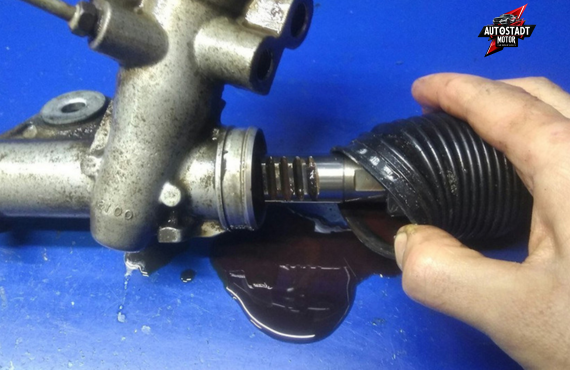
At AutoStadt Motor Services, the priority is to identify the actual cause of the steering problem before recommending a repair. Not every MG uses the same steering technology, and not every steering fault involves oil. Depending on the model and generation, an MG may have hydraulic, electro-hydraulic, or electric power steering. Vehicles with fully electric power steering do not use conventional hydraulic steering fluid.
Therefore, the correct diagnosis depends on your MG’s specifications and the symptoms it displays. Whether you have noticed fluid beneath the vehicle or a sudden change in steering feel, understanding the warning signs is the first step towards an appropriate solution.
Signs Your Car Needs MG Steering Oil Leak Repair
Steering problems can develop gradually or appear unexpectedly. Recognising the following signs can help you decide when your MG needs professional attention.
1. Fluid Leaking Beneath the Front of Your MG
Fresh fluid beneath the front of your vehicle is one of the most noticeable signs of a possible leak. Depending on the location of the affected component, fluid may collect around the front subframe, engine bay, or steering-related connections.
However, not every fluid spot indicates a steering leak. Engine oil, coolant, transmission fluid, and other automotive fluids can also accumulate underneath a vehicle. Air-conditioning condensation, on the other hand, is generally water rather than oil.
If you notice repeated fluid spots, arrange an inspection instead of assuming the source. Correct identification helps prevent unnecessary repairs and ensures the appropriate component receives attention.
2. Heavy Steering During Parking
Does your MG feel harder to steer when entering a parking space or making a slow turn? A change in steering effort should not be ignored.
On a hydraulic steering system, insufficient fluid caused by a leak can reduce steering assistance. However, heavy steering may also result from pump problems, mechanical resistance, tyre-related issues, or faults in an electric steering system.
Because several problems can produce similar symptoms, a technician should inspect the vehicle before deciding which repair is necessary.
3. Whining or Groaning Noises While Turning
Unusual sounds during steering manoeuvres can provide important diagnostic clues.
A whining or groaning noise may occur when a hydraulic power steering pump operates with insufficient fluid or when air enters the system. Continuing to operate a hydraulic system in this condition may increase wear on the pump.
If the noise becomes louder when turning the steering wheel, avoid repeatedly testing it at full lock. Instead, have the system checked to determine whether fluid loss or another fault is responsible.
4. Repeatedly Low Steering Fluid
If your MG has a hydraulic steering system and its fluid level keeps falling, the reason should be investigated.
A recurring reduction in fluid level may indicate a leaking hose, damaged seal, loose connection, pump leak, or steering rack problem. Simply topping up the reservoir does not resolve the underlying cause.
Furthermore, using an incorrect fluid specification can damage system components. Always follow the manufacturer’s requirements for the particular MG model.
5. Fluid Around Hoses, Connections, or the Steering Rack
Some leaks are difficult to notice because the fluid does not immediately reach the ground. Instead, it accumulates around nearby components or leaves damp patches on the underside of the vehicle.
A technician may inspect accessible hoses, pipe connections, seals, reservoir fittings, and the steering rack for signs of fresh fluid. In certain cases, the affected area must be cleaned before the exact source can be identified.
Accurate leak tracing is particularly important because replacing a component that is merely covered in fluid will not necessarily correct the original problem.
6. Steering Warning Lights or Unusual Steering Behaviour
Modern MG vehicles may use electronic steering assistance and associated control systems. Consequently, a steering warning light or inconsistent steering response does not automatically indicate an oil leak.
The problem may involve a sensor, electrical connection, steering motor, control module, or another component. A diagnostic assessment can establish which system is affected and whether a fluid-related repair is relevant.
Why Choose AutoStadt Motor Services for MG Steering Oil Leak Repair
When searching for a steering repair service in Dubai, vehicle owners should consider diagnostic quality, the suitability of the recommended repair, and the condition of the complete steering system.
Accurate Diagnosis Before Parts Replacement
At AutoStadt Motor Services, identifying the source of the problem is an important part of the repair process.
For example, fluid around a steering rack does not automatically mean the entire rack must be replaced. The technician needs to establish whether the leak originates from the rack itself, a nearby hose, a connection, or another component.
This approach helps avoid assumptions and supports more informed repair decisions.
Repairs Appropriate for Your MG Model
Different MG models and generations can have different steering arrangements. A repair procedure suitable for one vehicle may not apply to another.
Before recommending a solution, the vehicle’s specifications and steering technology should be identified. This is particularly important when determining whether a suspected steering problem involves hydraulic fluid or an electrical steering system.
Attention to Related Components
A steering leak can sometimes affect more than one component. For example, continued operation with insufficient hydraulic fluid may put additional strain on the power steering pump.
Therefore, an inspection should consider the condition of relevant hoses, connections, seals, pump components, and steering rack areas where applicable.
The objective is to address the source of the problem and identify any related damage that may require attention.
Clear and Practical Repair Recommendations
Not every steering problem requires the most expensive repair option.
A damaged hose may need replacement, while a loose or deteriorated connection could require a different solution. A severely worn steering rack, however, may need more extensive work.
AutoStadt Motor Services can assess the fault and recommend a repair based on the condition of the affected component rather than treating every steering issue identically.
Support for Dubai’s Driving Conditions
Daily commuting, slow-moving traffic, tight parking spaces, and frequent steering manoeuvres can make steering problems especially inconvenient.
Arranging an inspection when symptoms first appear can help you understand the problem before it becomes more serious. The same preventive approach benefits owners of other vehicles, including the Toyota Corolla, Nissan Altima, BMW 3 Series, and Mercedes-Benz C-Class, although each model has its own repair requirements.
How Our MG Steering Oil Leak Repair Process Works
A reliable repair process involves more than locating a wet component. The technician needs to establish the source of the leak, determine the extent of the fault, and verify that the repair has addressed the original symptoms.
Step 1: Review the Symptoms
The inspection begins with information about the problem.
You may be asked when the leak first appeared, whether the steering has become heavier, whether unusual noises occur, and whether the symptoms change during parking or normal driving.
These details help narrow down the possible causes and guide the next diagnostic steps.
Step 2: Identify the Steering System
Before checking for steering oil, the vehicle’s steering technology must be confirmed.
If your MG uses hydraulic or electro-hydraulic assistance, the relevant fluid reservoir and hydraulic components can be inspected. If it uses electric power steering, the investigation should focus on the appropriate mechanical and electrical systems instead.
This distinction prevents an incorrect diagnosis and unnecessary fluid-related work.
Step 3: Inspect the Relevant Components
For a hydraulic system, the technician may examine fluid lines, hoses, connections, reservoir fittings, the pump, seals, and steering rack areas.
The inspection looks for fresh fluid, deteriorated rubber, damaged connections, or other evidence of leakage. Where appropriate, cleaning the affected area can help distinguish an active leak from old residue.
If the symptoms suggest an electrical steering fault, additional checks may be required.
Step 4: Trace the Leak to Its Source
Once the general area has been identified, the next step is to locate the exact point where fluid is escaping.
Fluid can travel along surrounding components, making the visible wet area different from the actual source. Careful inspection helps determine whether the problem involves a hose, connection, seal, pump, or steering rack.
This stage is important because the quality of the diagnosis directly influences the suitability of the repair.
Step 5: Recommend and Complete the Repair
After the cause is established, the appropriate repair can be recommended.
Depending on the condition of the vehicle, this may involve replacing a damaged hose, correcting a connection problem, replacing a leaking seal where serviceable, or repairing or replacing an affected steering component.
The correct fluid specification and manufacturer-recommended procedures should be followed whenever hydraulic steering work is required.
Step 6: Check the System After Repair
Once the repair is completed, the affected area should be inspected again for signs of leakage.
Where applicable, the fluid level is checked and restored to the correct specification. Steering operation is also evaluated to determine whether the original symptoms have improved.
Any necessary final checks should be completed before the vehicle is returned to normal service.
Preventive Maintenance for MG Steering Systems in Dubai
Preventive maintenance can help identify developing steering problems before they become more disruptive.
First, pay attention to changes in steering effort. If the steering becomes unusually heavy, inconsistent, or noisy, do not assume that the problem will disappear on its own.
Second, investigate recurring fluid spots. A small leak may be easier to address before prolonged fluid loss affects other components.
Third, follow the maintenance requirements specified for your particular MG. Fluid specifications, inspection procedures, and steering-system designs can vary between models, so generic recommendations should not replace vehicle-specific guidance.
Finally, avoid repeatedly topping up steering fluid without identifying why the level is falling. Repeated fluid loss is a reason for inspection, not simply a routine maintenance requirement.
These steps can help you make better maintenance decisions while reducing the likelihood of overlooking a developing fault.
Frequently Asked Questions About MG Steering Oil Leak Repair in Dubai
1. What causes an MG steering oil leak?
If your MG has hydraulic steering, possible causes include deteriorated hoses, damaged pipe connections, leaking seals, reservoir problems, power steering pump faults, or steering rack leakage. Age, wear, and component deterioration can contribute to these problems. However, the precise cause depends on the vehicle’s model and condition. An inspection is necessary to locate the leak before deciding whether a component needs repair or replacement.
2. Can I drive my MG with a steering oil leak?
Driving with a suspected steering leak is not advisable without assessing its severity. If the hydraulic fluid level becomes too low, steering assistance may be reduced and the pump may suffer damage. If steering suddenly becomes heavy, control is affected, or a substantial leak is present, stop in a safe location and arrange professional assistance rather than continuing to drive. Vehicles with electric steering can also develop serious faults, even though they do not use hydraulic steering fluid.
3. How much does MG steering oil leak repair cost in Dubai?
The cost depends on the source of the leak, the model of your MG, component accessibility, and whether related parts have been damaged. Replacing a leaking hose or correcting a connection may be less involved than repairing a steering rack or replacing a pump. The most reliable way to obtain an accurate estimate is to have the vehicle inspected first. AutoStadt Motor Services can assess the issue and recommend the appropriate repair based on the confirmed fault.
4. Does every MG need steering oil?
No. MG vehicles can use different steering technologies depending on their model, generation, and specifications. Some have hydraulic or electro-hydraulic power steering, while others use electric power steering. Fully electric systems do not require conventional hydraulic steering fluid. Therefore, a steering warning, unusual noise, or heavy steering should not automatically be treated as an oil leak. Identifying the system correctly is an essential first step.
5. How can I prevent steering oil leaks in my MG?
Although not every leak can be prevented, regular inspections can help identify deteriorating hoses, damaged connections, and other developing issues. Follow your vehicle’s maintenance schedule, investigate recurring fluid spots, and pay attention to changes in steering performance. If your MG uses hydraulic steering, make sure any required fluid is suitable for the exact model. Most importantly, do not ignore repeated fluid loss or rely on topping up the reservoir as a permanent solution.
Conclusion
MG steering oil leak repair starts with understanding the symptoms and identifying the correct steering system. Fluid beneath the vehicle, a dropping fluid level, heavier steering, or unusual noises can indicate a problem that deserves prompt attention. However, because modern MG models may use different steering technologies, not every steering issue is caused by leaking oil.
A proper inspection helps distinguish a leaking hose or connection from a pump, steering rack, or electrical steering fault. Addressing the actual cause can reduce the risk of additional damage and help maintain reliable vehicle operation.
For Dubai drivers, AutoStadt Motor Services offers a professional approach to steering-system inspection and repair, with recommendations based on the vehicle’s condition and the source of the fault.
If you notice fluid beneath your MG or experience a change in steering behaviour, arrange an inspection rather than relying on temporary fixes. Early diagnosis is a practical step towards safer driving, better maintenance decisions, and avoiding unnecessary repair expenses.


Leave a Comment